Hoplisoma gladysae
概要
| 字段 | 值 |
|---|---|
| 类别 | 鱼 |
| 学名 | Hoplisoma gladysae |
| 别名 | Corydoras gladysae |
| 分类 | 鲶形目 Siluriformes › 美鲶科 Callichthyidae › Hoplisoma |
| 水体 | 淡水 |
| 原产地 | 阿根廷 |
| 成体体长 | 3.8 cm |
| 饲养难度 | 中等 |
| 最小水体 | 54 L |
| 最小缸长 | 60 cm |
| 群居方式 | 群游 |
| 外部数据 | seriouslyfish hoplisoma-gladysae;fishbase 65539 |
水质参数
| 参数 | 耐受范围 | 最适范围 | 单位 |
|---|---|---|---|
| 水温 | 8–16 | — | °C |
| pH | 7.5–8.5 | — | — |
| 总硬度 | 10–20 | — | dGH |
概述
Hoplisoma gladysae 是阿根廷西北高山河流的小型甲鲶,短鳍棘、较低体形和隐蔽花纹与急流石间生活相适应。它的环境需求与常见热带鼠鱼差别很大,低温、富氧和稳定水质是重点。
分布与栖息地
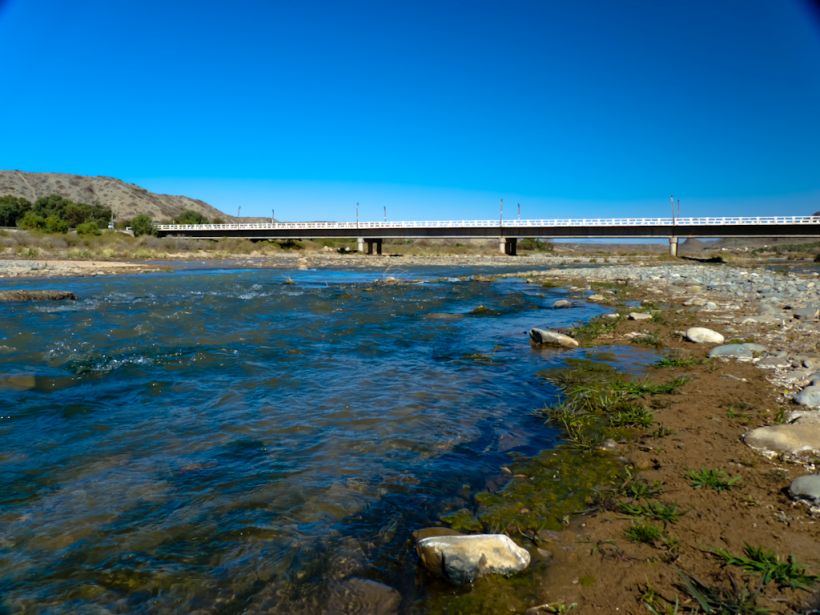
仅知来自萨尔塔省 Calchaquí 河流域的两个地点,属于巴拉那河上游水系。模式产地在 Payogasta 附近,海拔约 2430 m。
河流源于高山积雪融水,穿过凉爽、半干旱的山谷,水流较快,夏季降雨集中时可能非常湍急。水质偏硬、盐分较丰富,河岸和支流有水生植物与丝状藻。
可适应这种环境的鱼类不多,许多仅限局部河段。引入的捕食性鱼类可能对当地小型原生鱼造成压力。
饲养环境
底床可用细沙,或保持非常清洁的圆滑砾石。提供遮蔽与水磨石块较符合其天然环境。
必须高度重视充氧、水质和温度控制,不能把它套入普通热带社区缸的常温安排。
食性与喂食
相关鼠鱼类群通常为搜食型杂食鱼,常接受沉底干粮、小型活饵或冷冻红虫、水蚯蚓等。多样饵料可作为人工投喂的参考,但不能据此认定已经掌握本种完整天然食谱。
补充说明
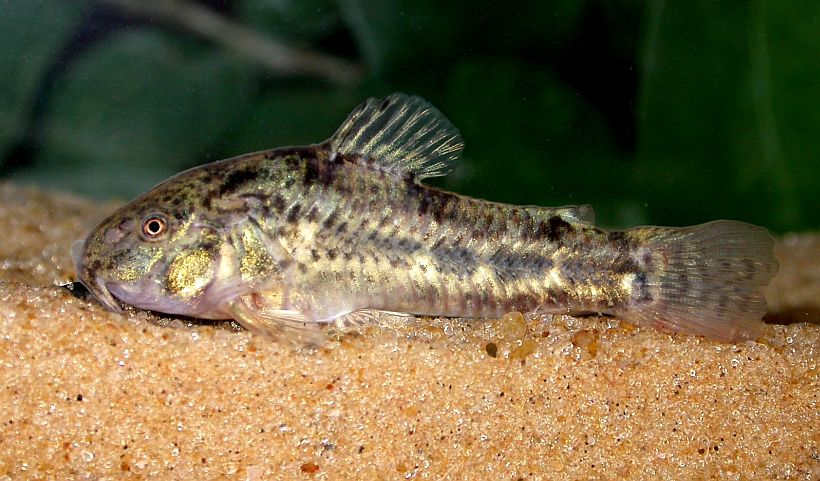
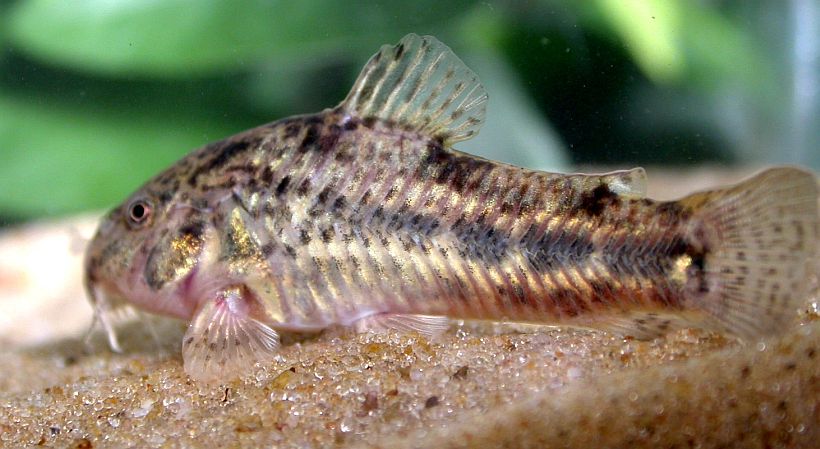
本种背鳍和胸鳍的硬棘很短,体形较低,胸鳍朝向腹面,尾鳍浅凹,这些形态与岩石间流水环境相关。虽然有些特征像 Aspidoras,头骨结构并不相同。
它并非常见水族贸易鱼,偏远而特殊的环境也使商业采集不容易。甲鲶类有辅助空气呼吸能力,但不能因此降低本种的溶氧要求;胸鳍棘即使较短,搬运时仍需谨慎。
图片
图片来自 SeriouslyFish,版权归各摄影者所有。
English
Overview
Hoplisoma gladysae is a small catfish adapted to a mountain river in northwestern Argentina. Short fin spines, a low body profile, and cryptic markings suit life among rocks in flowing water. Cool temperatures, high oxygen availability, and careful water management distinguish its needs from those of typical tropical cory catfishes.
Distribution & habitat
Only two localities are known in Salta Province's Calchaquí watershed, part of the upper Paraná system. The type locality near Payogasta is about 2430 m above sea level.
Snowmelt feeds the fast river through a cool, semiarid mountain valley. Summer rainfall can produce torrential flow. The water is hard and rich in salts, with aquatic vegetation and filamentous algae along margins and in tributaries.
Relatively few fishes occupy these conditions, many restricted to particular river sections. Introduced predatory fish may place pressure on native small-fish communities, although the extent of that effect is not established here.
Aquarium setup
Fine sand or very clean rounded gravel provides suitable flooring. Shelter and water-worn rocks fit the natural setting.
High oxygen levels and close control of water quality and temperature are essential. Standard warm tropical-community conditions should not be assumed appropriate.
Diet & feeding
Related cory catfishes are generally foraging omnivores, often accepting sinking prepared foods and small live or frozen bloodworms and aquatic worms. Such varied foods provide a captive-feeding reference without establishing a complete natural diet for this species.
Notes
Very short dorsal and pectoral spines, downward-oriented pectoral fins, a shallowly indented tail, and reduced body depth are associated with its rocky flowing habitat. Some features resemble Aspidoras, but the cranial structure differs.
This is not a routine aquarium-trade fish, and its remote, specialized habitat makes commercial collection unlikely. Supplementary air breathing in armored catfishes does not lessen this species' oxygen requirement. Handle carefully around the fin spines despite their reduced size.
来源
- https://www.seriouslyfish.com/species/hoplisoma-gladysae(抓取于 2026-10-10)
hoplisoma-gladysae · 文件: data/species/hoplisoma-gladysae.md · 状态: 草稿