内格罗河兵鲶
概要
| 字段 | 值 |
|---|---|
| 类别 | 鱼 |
| 学名 | Hoplisoma duplicareum |
| 别名 | 內格羅河兵鯰、Corydoras duplicareus |
| 分类 | 鲶形目 Siluriformes › 美鲶科 Callichthyidae › Hoplisoma |
| 水体 | 淡水 |
| 原产地 | 巴西 |
| 成体体长 | 5 cm |
| 饲养难度 | 入门 |
| 群居方式 | 群游 |
| 性情 | 温和 |
| 水流偏好 | 低 |
| 外部数据 | seriouslyfish hoplisoma-duplicareum;fishbase 53689 |
| 食性 | 杂食 |
水质参数
| 参数 | 耐受范围 | 最适范围 | 单位 |
|---|---|---|---|
| 水温 | 20–26 | — | °C |
| pH | 4–7 | — | — |
| 总硬度 | 1–5 | — | dGH |
概述
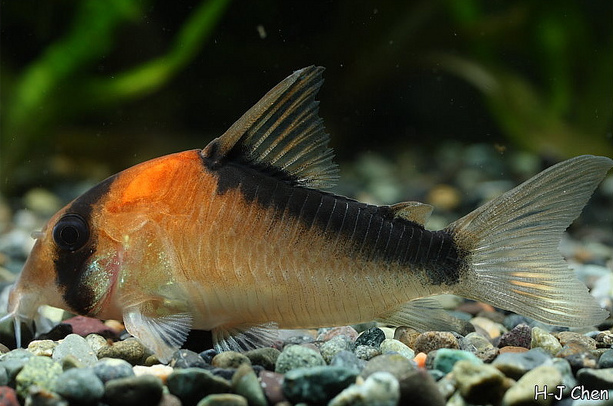
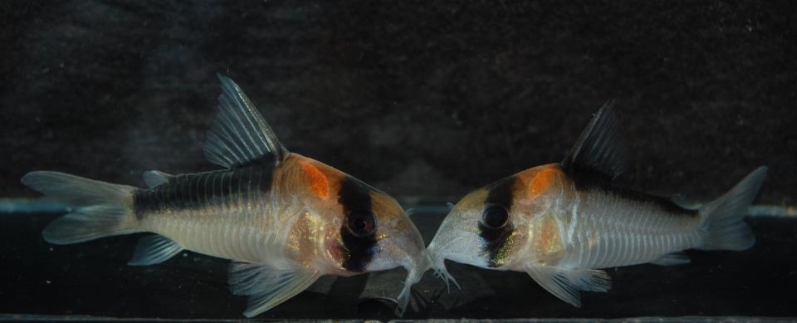
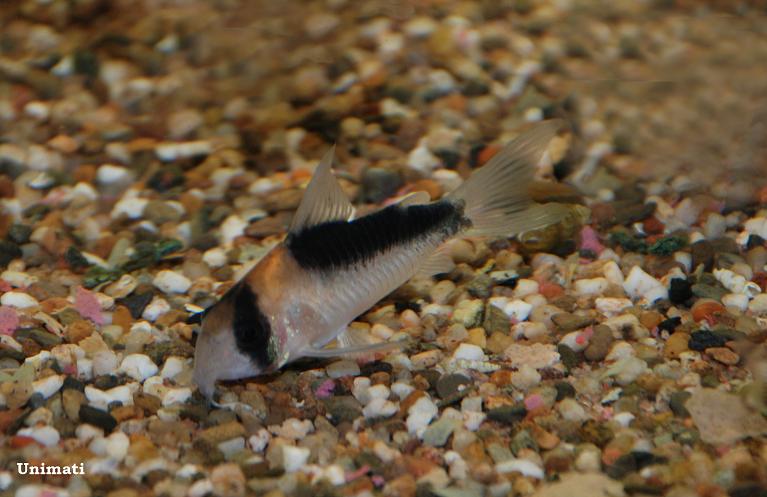
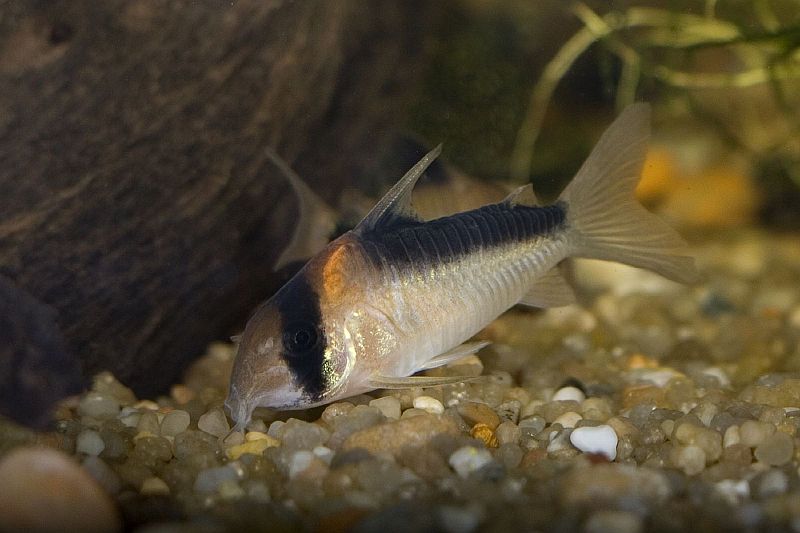
内格罗河兵鲶(Hoplisoma duplicareum)是巴西上尼格罗河地区的温和鼠鱼,背部斜向黑带与橙色颈斑醒目。它和阿道夫鼠(Hoplisoma adolfoi)尤其相似,仅看颜色不能可靠区分。
分布与栖息地
只在上尼格罗河水系的一小片区域得到确认,模式地点在 Poranga 河。采集时水流较快、底质为砂;生活于洁净黑水支流和淹水森林的说法仍属推测,不应把推测写成已确认的全部栖地。
饲养环境
用细砂较合适,圆滑砾石也可,但须保持清洁。沉木和干落叶提供遮蔽,分解过程中形成的微生物可作为幼鱼补充食物。过滤温和即可,一定水流可以接受;野外一次快流采集记录不意味着缸中必须持续猛烈冲流。
食性与喂食
杂食,接受沉底干粮及红虫、水蚯蚓等小型活饵、冷冻饵料。保持食谱多样并专门投喂,不能只靠其他鱼的残饵。
习性与混养
性情温和,至少四至六条同种一起饲养,提供遮蔽和安心摄食的机会。
雌雄区分
雌鱼通常更大,成熟后身体更宽圆,怀卵时尤其明显。
繁殖
据报道会把卵产在底床上或水线附近。具体位置有不同记录,不能直接套用其他鼠鱼的孵化时程与育苗程序作为本种已验证结果。
补充说明
本种黑带往往更宽、橙斑更鲜明,但这些差异并不可靠。胸鳍硬刺后缘的小锯齿具有鉴别价值,却几乎无法徒眼看清,不宜为了辨种强行抓握。
偶尔到水面吞气属于辅助呼吸。转移时还需注意胸鳍硬刺挂网或刺伤,可能带毒的刺基分泌物只作为未完全确定的说法保留。
图片
图片来自 SeriouslyFish,版权归各摄影者所有。
English
Overview
The peaceful catfish Hoplisoma duplicareum has a dark oblique back marking and a bright orange nape patch. It closely resembles Hoplisoma adolfoi, and differences in color alone do not reliably separate them.
Distribution & habitat
Confirmed records cover only a small part of Brazil's upper Negro system, with the type locality in the Poranga. Fast water and sand were recorded during collection. Wider use of blackwater tributaries and flooded forest is presumed rather than fully established.
Aquarium setup
Fine sand is preferable; smooth gravel requires careful cleaning. Wood and dried leaves provide shelter, with developing microorganisms offering supplementary food for fry. Gentle filtration is adequate, although some current is acceptable. A fast-flowing collection site does not establish a requirement for forceful aquarium circulation.
Diet & feeding
Offer varied sinking foods alongside small live or frozen items such as bloodworms and Tubifex. This omnivorous feeder needs deliberate meals, not dependence on leftovers from other fishes.
Behaviour & compatibility
Keep at least four to six conspecifics. Calm group maintenance should include shelter and dependable access to food.
Sexual dimorphism
Females generally become larger and broader, particularly when carrying eggs.
Breeding
Egg deposition has been reported on the substrate and near the waterline. These reports do not supply a complete species-specific incubation or fry-rearing schedule.
Notes
A broader dark bar and stronger orange patch are tendencies rather than reliable identification criteria. Serrations along the rear edge of the pectoral spine provide a finer distinction, but they are difficult to see without magnification. Avoid rough handling for inspection.
Occasional air gulps provide auxiliary respiration. Stiff pectoral spines can snag nets or puncture skin, and suggested mild toxicity of nearby gland secretions remains uncertain.
来源
- https://www.seriouslyfish.com/species/hoplisoma-duplicareum(抓取于 2026-10-10)
hoplisoma-duplicareum · 文件: data/species/hoplisoma-duplicareum.md · 状态: 草稿