科普氏兵鲶
概要
| 字段 | 值 |
|---|---|
| 类别 | 鱼 |
| 学名 | Hoplisoma copei |
| 别名 | 科普氏兵鯰、Corydoras copei |
| 分类 | 鲶形目 Siluriformes › 美鲶科 Callichthyidae › Hoplisoma |
| 水体 | 淡水 |
| 原产地 | 秘鲁 |
| 成体体长 | 5 cm |
| 饲养难度 | 入门 |
| 最小水体 | 72 L |
| 最小缸长 | 80 cm |
| 群居方式 | 群游 |
| 性情 | 温和 |
| 外部数据 | seriouslyfish hoplisoma-copei;fishbase 46056 |
| 食性 | 杂食 |
| 繁殖方式 | 附着产卵 |
水质参数
| 参数 | 耐受范围 | 最适范围 | 单位 |
|---|---|---|---|
| 水温 | 20–26 | — | °C |
| pH | 5–7 | — | — |
| 总硬度 | 2–12 | — | dGH |
概述
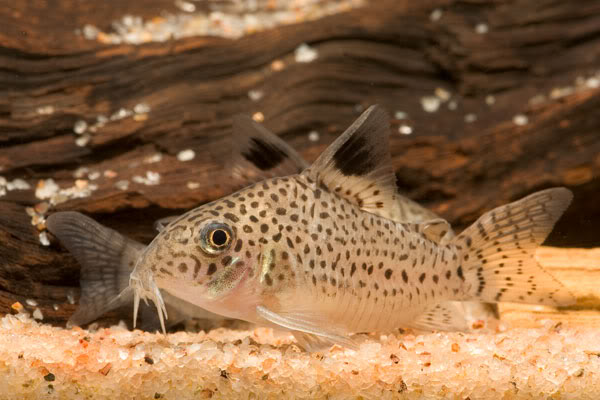
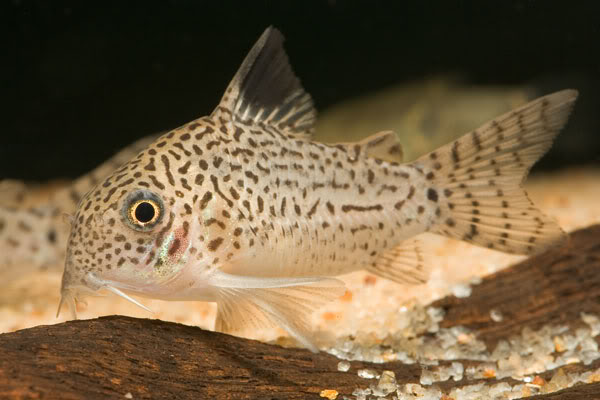
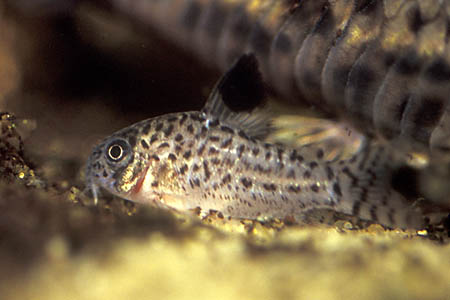
科普氏兵鲶(Hoplisoma copei)是贸易中少见的秘鲁鼠鱼,温和并喜欢同种伙伴。它与数种近缘鱼外观相似,身份核对不应只靠通用斑纹或商品名称。
分布与栖息地
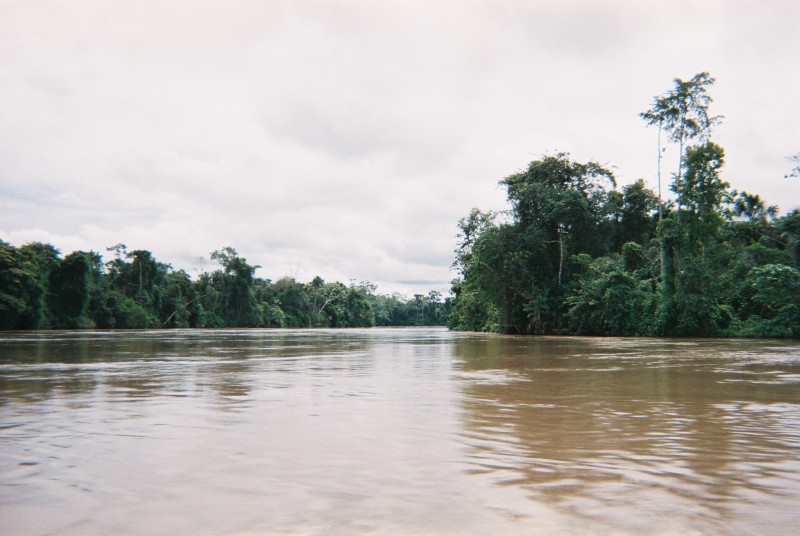
似乎主要限于帕斯塔萨河流域,可能也见于马拉尼翁河下游;萨米里亚河有少量记录。模式地点在里马奇湖以北的帕斯塔萨河支流区域。
饲养环境
使用细砂较合适,圆滑砾石也可,前提是认真保持底床清洁。提供遮蔽物形成安全感,同时让沉底食物能到达鱼群。
食性与喂食
杂食,接受沉底干粮、红虫、水蚯蚓等小型活饵和冷冻饵料。保持食谱多样,专门照顾鱼群摄食,不能靠混养伙伴的残饵维持。
习性与混养
温和群居,至少四至六条同种共同饲养。把它作为清洁鱼单独加入缸里,不能满足其同伴和主动投喂需求。
雌雄区分
雌鱼通常更大,成熟后身体更圆、体高更明显。
繁殖
可采用常见鼠鱼方法,一雌配约两雄。调养好亲鱼后,较凉换水及增加水流、供氧可刺激产卵。卵通常附在缸壁,也可提供细叶植物及产卵拖把。
产后分开卵和亲鱼,转移卵时使用相同水质并充分供氧。一般约三至四天孵化,卵黄吸收完后可喂微虫和丰年虾无节幼体。薄砂底似乎比裸缸更有利于幼鱼健康,仍须保持良好水质。
补充说明
可靠鉴别特征尚不充分,不宜给一条外貌相似的鱼轻易确定种名。它具有骨板,偶尔上浮吞气属于辅助呼吸;胸鳍硬刺可刺伤或挂网,转移时避免徒手紧握。
图片
图片来自 SeriouslyFish,版权归各摄影者所有。
English
Overview
Hoplisoma copei is an infrequently traded Peruvian catfish with peaceful, social behavior. Several relatives look similar, so a generic spotted appearance or commercial label is insufficient for confident identification.
Distribution & habitat
It appears centered on the Pastaza basin, possibly extending into the lower Marañón. A few records come from the Samiria. The type locality lies in a Pastaza tributary area north of Lake Rimachi.
Aquarium setup
Use fine sand or carefully maintained smooth gravel. Include cover for security while allowing sinking foods to reach the fish. Clean substrate is essential regardless of decoration style.
Diet & feeding
Provide an omnivorous variety of sinking dry foods and small live or frozen items such as bloodworms and Tubifex. Feed the group intentionally rather than expecting it to survive on scraps from other residents.
Behaviour & compatibility
Maintain at least four to six conspecifics. Its calm, gregarious behavior calls for companions and dependable food access, rather than solitary use as a cleaner.
Sexual dimorphism
Females generally grow larger and develop a rounder, deeper body at maturity.
Breeding
Common cory methods can be applied, with about two males per female. Condition adults before using cooler water changes and increased circulation and oxygenation to encourage spawning. Eggs usually attach to glass; fine plants and spawning mops provide alternatives.
Separate eggs and adults afterward. Transferred eggs require matching water and good oxygenation. Incubation usually lasts three or four days. After the yolk is absorbed, provide microworms or brine shrimp nauplii. A thin sand layer appears to reduce problems compared with a bare base, while water quality remains important.
Notes
Reliable diagnostic information remains limited, so a close resemblance should not be mistaken for a confirmed identity. Bony plates protect the body, and occasional surface gulps permit auxiliary breathing. Stiff pectoral spines can snag nets or puncture skin during handling.
来源
- https://www.seriouslyfish.com/species/hoplisoma-copei(抓取于 2026-10-10)
hoplisoma-copei · 文件: data/species/hoplisoma-copei.md · 状态: 草稿