伯奇氏兵鲶 · Burgess' Cory
概要
| 字段 | 值 |
|---|---|
| 类别 | 鱼 |
| 学名 | Hoplisoma burgessi |
| 别名 | 伯奇氏兵鯰、Corydoras burgessi |
| 分类 | 鲶形目 Siluriformes › 美鲶科 Callichthyidae › Hoplisoma |
| 水体 | 淡水 |
| 原产地 | 巴西 |
| 成体体长 | 5.5 cm |
| 饲养难度 | 入门 |
| 最小水体 | 72 L |
| 最小缸长 | 80 cm |
| 群居方式 | 群游 |
| 性情 | 温和 |
| 水流偏好 | 低 |
| 外部数据 | seriouslyfish hoplisoma-burgessi;fishbase 46051 |
| 食性 | 杂食 |
| 繁殖方式 | 附着产卵 |
水质参数
| 参数 | 耐受范围 | 最适范围 | 单位 |
|---|---|---|---|
| 水温 | 20–28 | — | °C |
| pH | 5–7 | — | — |
| 总硬度 | 1–10 | — | dGH |
概述
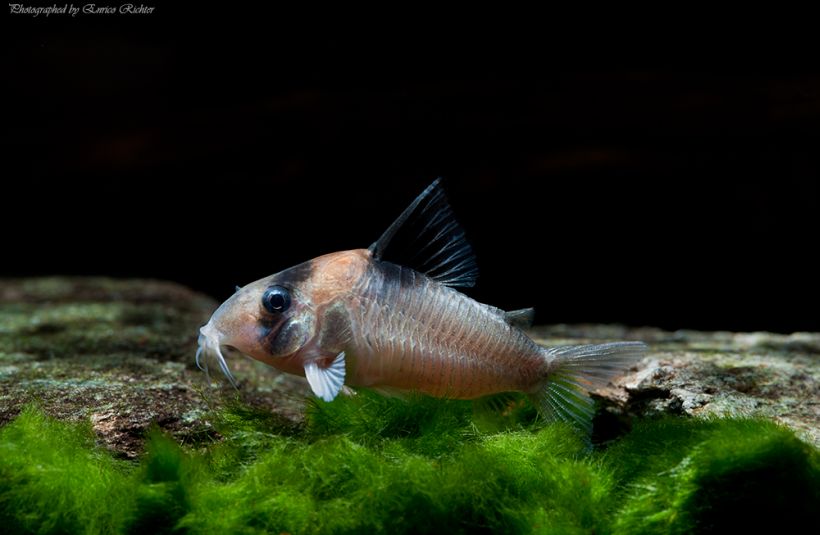
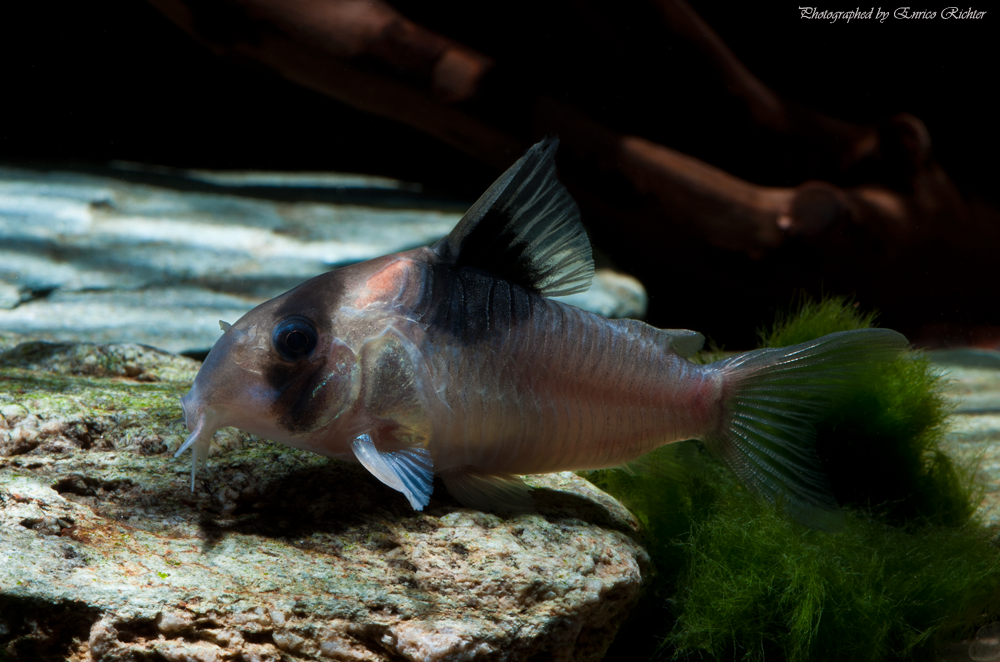
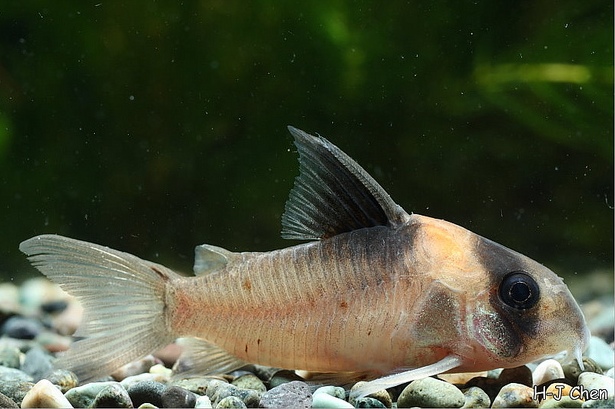
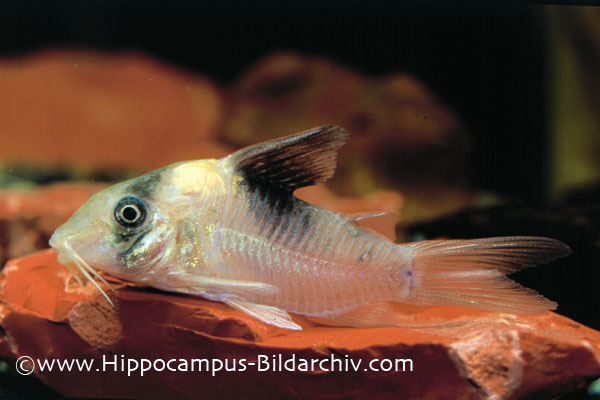
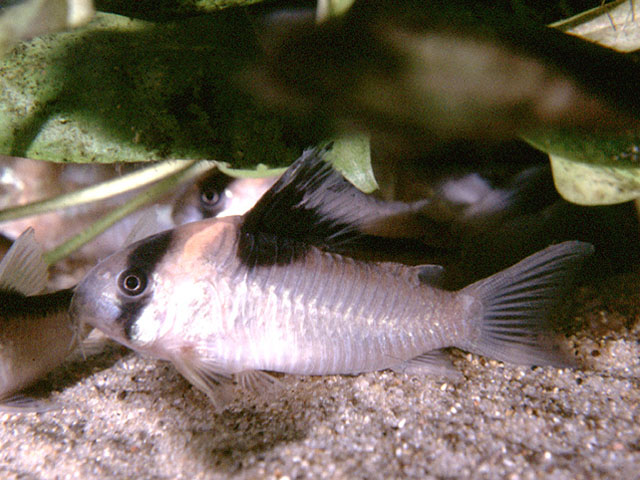
伯奇氏兵鲶(Hoplisoma burgessi)是尼格罗河地区的温和鼠鱼。背鳍下方黑斑延伸进入背鳍,头顶前方浅斑偏黄,是观察相似品种时可参考的特征。
分布与栖息地
似乎为巴西上尼格罗河流域特有,模式地点在乌尼尼河。商品鱼据称也采自圣加布里埃尔-达卡绍埃拉附近,但细致分布记录仍不足。该区域多洁净黑水支流与淹水森林,也存在清水环境,不能把所有产地视为完全相同的黑水条件。
饲养环境
细砂底较好,圆滑砾石也可,但须认真清洁。沉木和干落叶提供遮蔽,分解形成的微生物可补充幼鱼食物。过滤宜温和,通常海绵过滤即可,同时允许一定水流。
食性与喂食
杂食,使用沉底干粮,搭配红虫、水蚯蚓等小型活饵与冷冻饵料。食物应丰富且专门投给鱼群,不靠混养伙伴的残饵维持。
习性与混养
温和群居,至少四至六条同种一起饲养。底床觅食不会代替清洁维护,鱼群也需要能安心吃到食物的区域。
雌雄区分
雌鱼往往更大,成熟后更宽圆,怀卵时差异明显。
繁殖
可采用鼠鱼常见繁殖方法,一雌配约两雄。养好亲鱼后,用较凉换水及增加供氧、水流刺激,除缸壁外也提供细叶植物或产卵拖把。卵通常附在缸壁。
产后隔开亲鱼与卵,转移卵时使用相同水质并充分供氧。约三至四天孵化,卵黄吸收完后喂微虫、丰年虾无节幼体等。幼鱼需要优良水质,薄砂底似乎比裸底更有利于健康。
补充说明
本种黑斑集中在背鳍下及大部分背鳍,前方头顶斑偏黄而非橙色;相似鼠鱼仍需综合辨识,不能把一处颜色视为绝对证据。偶尔上浮吞气属于辅助呼吸。胸鳍硬刺可能挂网、刺伤,转移时应小心。
图片
图片来自 SeriouslyFish,版权归各摄影者所有。

English
Overview
Hoplisoma burgessi is a peaceful catfish from the Negro region. Its dark marking lies beneath the dorsal fin and extends into much of that fin, with a yellowish patch farther forward on the head. These details help distinguish similar patterned fishes.
Distribution & habitat
It appears endemic to Brazil's upper Negro basin, with the Unini given as the type locality. Aquarium fish are reportedly also collected near São Gabriel da Cachoeira, though detailed distribution records remain limited. Regional habitats include clean blackwater tributaries and flooded forest, alongside some clear-water environments.
Aquarium setup
Fine sand is preferable; smooth gravel requires careful cleaning. Wood and dried leaves provide cover, and microorganisms developing in litter can supplement fry food. Gentle filtration, often a sponge unit, is adequate, though some water movement is acceptable.
Diet & feeding
Feed an omnivorous variety of sinking prepared foods with small live and frozen items such as bloodworms and Tubifex. The group needs deliberate feeding rather than dependence on leftovers.
Behaviour & compatibility
Maintain at least four to six together. These peaceful social fish benefit from secure feeding areas. Bottom foraging does not replace substrate maintenance.
Sexual dimorphism
Females tend to grow larger and become broader and rounder, particularly when carrying eggs.
Breeding
Standard cory methods can work, with roughly two males per female. Condition the adults, then cooler water changes and increased oxygenation and flow can stimulate spawning. Eggs usually attach to glass, with fine plants or mops offering alternatives.
Separate eggs and adults after spawning. Any transfer should preserve water conditions and oxygenation. Incubation normally lasts three or four days. Once yolk reserves are absorbed, supply microworms or brine shrimp nauplii. Fry need excellent water quality; a thin sand layer appears preferable to a bare base for reducing health problems.
Notes
The restricted dorsal-area black patch and yellowish head marking are useful comparisons, but identification should consider the whole fish. Occasional surface gulps provide auxiliary air breathing. Handle transfers gently because stiff pectoral spines can snag nets and puncture skin.
来源
- https://www.seriouslyfish.com/species/hoplisoma-burgessi(抓取于 2026-10-10)
hoplisoma-burgessi · 文件: data/species/hoplisoma-burgessi.md · 状态: 草稿