阿道夫鼠 · Adolfo's Cory
概要
| 字段 | 值 |
|---|---|
| 类别 | 鱼 |
| 学名 | Hoplisoma adolfoi |
| 别名 | 阿道夫兵鯰、Corydoras adolfoi、阿道夫兵鲶 |
| 分类 | 鲶形目 Siluriformes › 美鲶科 Callichthyidae › Hoplisoma |
| 水体 | 淡水 |
| 原产地 | 巴西 |
| 成体体长 | 6 cm |
| 饲养难度 | 入门 |
| 群居方式 | 群游 |
| 性情 | 温和 |
| 水流偏好 | 低 |
| 外部数据 | seriouslyfish hoplisoma-adolfoi;fishbase 46040 |
| 食性 | 杂食 |
| 繁殖方式 | 附着产卵 |
水质参数
| 参数 | 耐受范围 | 最适范围 | 单位 |
|---|---|---|---|
| 水温 | 20–26 | — | °C |
| pH | 4–7 | — | — |
| 总硬度 | 1–5 | — | dGH |
概述
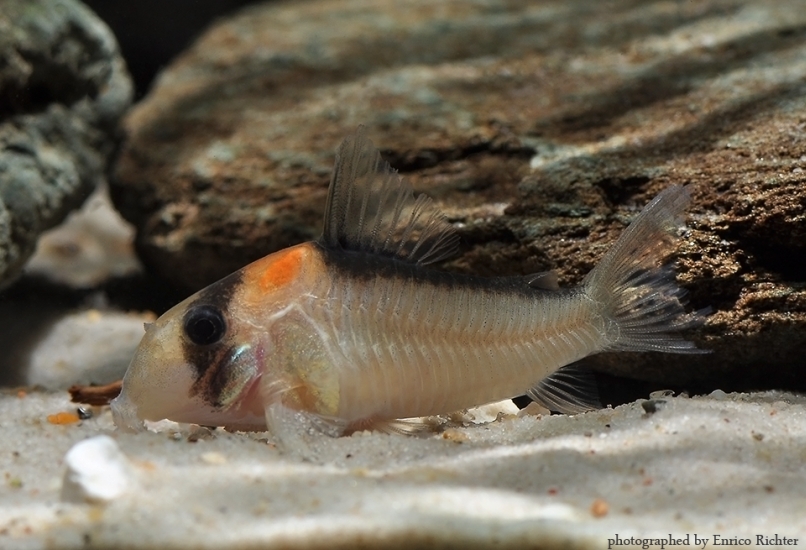
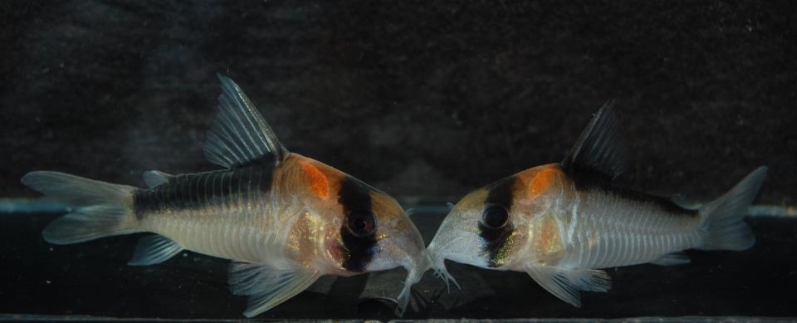
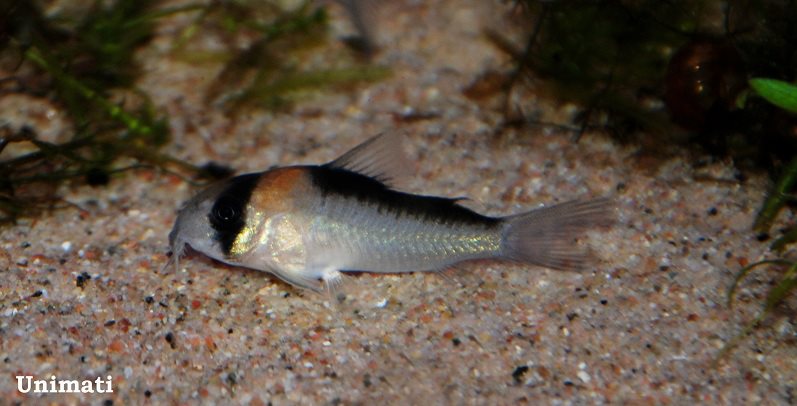
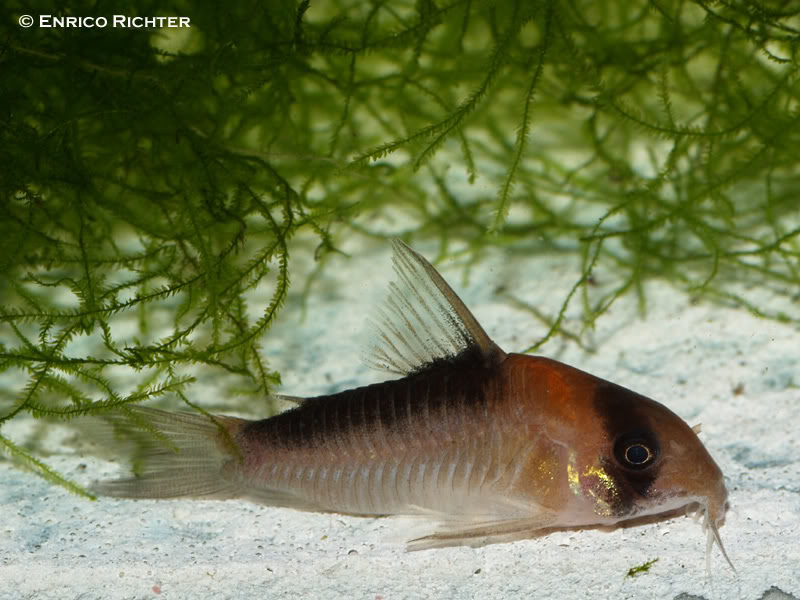
阿道夫鼠(Hoplisoma adolfoi)来自尼格罗河黑水环境,背部有斜向深色带,头后带橙色斑。它温和群居,但与相似鼠鱼的区别不能只靠黑带宽窄或橙斑深浅来判断。
分布与栖息地
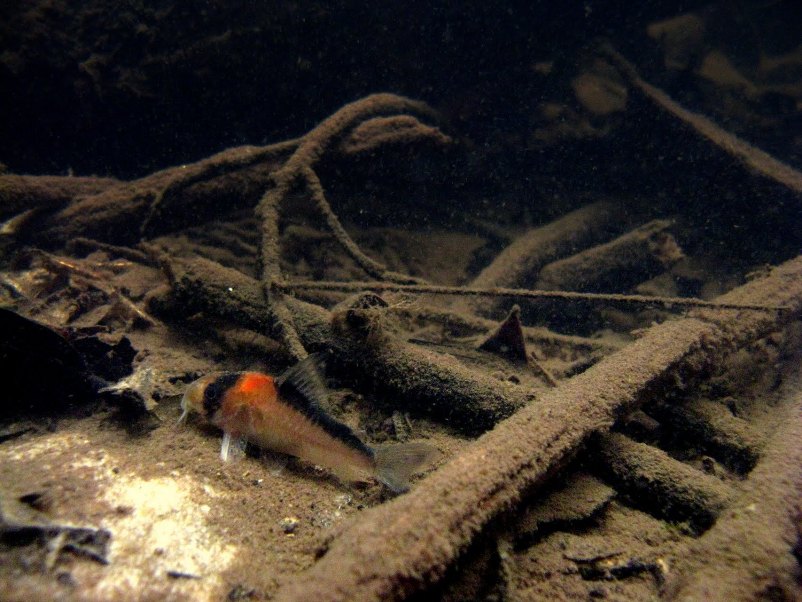
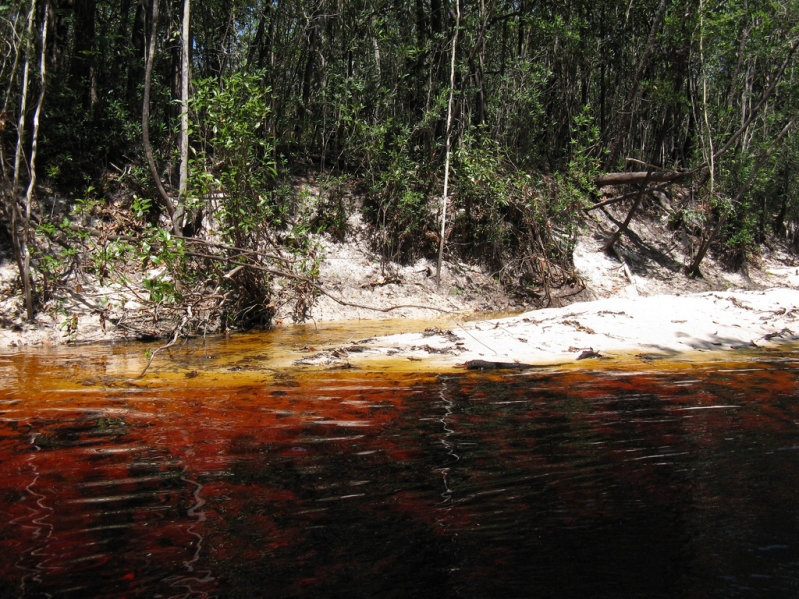
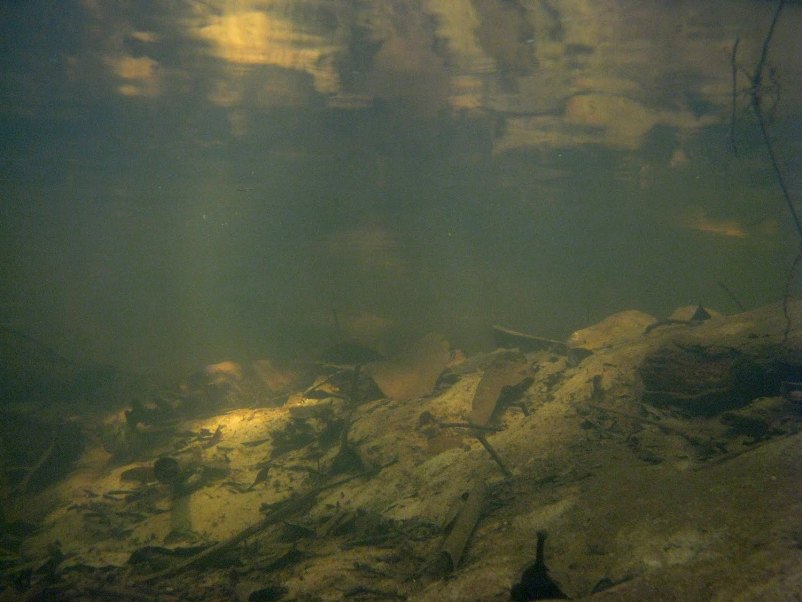
已知产地位于巴西圣加布里埃尔-达卡绍埃拉附近的上尼格罗河支流,似乎分布十分局限。另有乌奥佩斯河记录的说法,尚未得到确认。自然环境为洁净黑水支流与淹水森林,水色受有机物影响,通常很软、偏酸。
饲养环境
细砂底较适合,也可使用保持清洁的圆滑砾石。沉木、树根和干落叶增加遮蔽,落叶分解形成的微生物可为幼鱼补充食物。过滤不必强劲,温和海绵过滤通常可用,也能接受一定水流。野生个体往往更适应较软、较酸的条件。
食性与喂食
杂食,提供沉底干粮、小型活饵和冷冻饵料,保持多样。要为鱼群安排足够食物,不能寄望它靠其他鱼的残饵维生。
习性与混养
性情温和,至少四至六条同种一起饲养。足够遮蔽、清洁底床和稳定摄食机会,比把单条当作功能鱼加入混养缸更重要。
雌雄区分
雌鱼通常更大,成熟后体形更宽圆,怀卵时尤其明显。
繁殖
可采用鼠鱼常用繁殖方式,雄鱼略多,例如一雌配两雄。亲鱼调养成熟后,较凉的换水及增加供氧、水流可刺激产卵。除缸壁外,也准备细叶植物或产卵拖把作为附卵位置。
产后分开亲鱼与卵,转卵时使用水质相同、供氧充足的水。约三至四天孵化,卵黄吸收完后可喂微虫、丰年虾无节幼体等小型活饵。幼鱼并不容易养大,需要很好的水质;薄砂底似乎比裸缸更有利于健康。
补充说明
相似种可能混群出现,凭体色辨种不可靠。胸鳍硬刺边缘等细节有鉴别价值,却很难徒眼看清,不宜为辨种强行抓握鱼体。偶尔上浮吞气是辅助呼吸,转移时注意硬刺挂网和刺伤。
图片
图片来自 SeriouslyFish,版权归各摄影者所有。
English
Overview
Hoplisoma adolfoi is a peaceful blackwater cory-type catfish with a dark oblique back marking and an orange patch behind the head. Similar species can share this pattern, so band width and orange intensity do not provide reliable identification on their own.
Distribution & habitat
Its confirmed locality is an upper Negro tributary near São Gabriel da Cachoeira, Brazil, where its range appears highly restricted. Reports from the Uaupés remain unconfirmed. It inhabits clean blackwater tributaries and flooded forest, typically with very soft, acidic, organically stained water.
Aquarium setup
Use fine sand or thoroughly cleaned rounded gravel. Wood, roots, and dried leaves provide security. Microorganisms developing in leaf litter can supplement fry food. Gentle sponge filtration is generally adequate, though some water movement is acceptable. Wild fish may fare better toward the softer, more acidic part of the established maintenance range.
Diet & feeding
Offer an omnivorous mix of sinking dry foods and small live or frozen items. Feed the group deliberately; leftovers from other aquarium residents are not an adequate feeding plan.
Behaviour & compatibility
Maintain at least four to six together. Its peaceful social behavior calls for conspecific company, adequate cover, and dependable access to food rather than solitary use as a cleanup fish.
Sexual dimorphism
Females generally grow larger and become distinctly broader and rounder at maturity, especially when carrying eggs.
Breeding
Common cory breeding methods are applicable. A ratio of roughly two males per female is useful. Once females are well conditioned, cooler water changes with increased oxygenation and flow may stimulate spawning. Supply fine plants or spawning mops as alternatives to aquarium glass.
Separate eggs from adults afterward. Transferred eggs need matching water and good oxygenation. Hatching usually takes three or four days. After the yolk is absorbed, offer microworms, brine shrimp nauplii, or similarly small live foods. Fry are demanding to raise and need excellent water quality; a thin sand layer appears to reduce problems compared with a bare base.
Notes
Similar-looking species may occur in mixed groups. Fine details of the pectoral spine can help identification but are difficult to inspect without magnification. Avoid rough handling to examine them. Occasional surface gulps provide auxiliary breathing, and stiff spines can snag nets or puncture skin during transfer.
来源
- https://www.seriouslyfish.com/species/hoplisoma-adolfoi(抓取于 2026-10-10)
hoplisoma-adolfoi · 文件: data/species/hoplisoma-adolfoi.md · 状态: 草稿