斯氏平鳍鳅
概要
| 字段 | 值 |
|---|---|
| 类别 | 鱼 |
| 学名 | Homalopteroides stephensoni |
| 别名 | 斯氏平鰭鰍、Homaloptera stephensoni |
| 分类 | 鲤形目 Cypriniformes › 爬鳅科 Balitoridae › Homalopteroides |
| 水体 | 淡水 |
| 原产地 | 印度尼西亚、马来西亚 |
| 成体体长 | 6.5 cm |
| 饲养难度 | 中等 |
| 最小水体 | 54 L |
| 最小缸长 | 60 cm |
| 群居方式 | 群游 |
| 水流偏好 | 高 |
| 外部数据 | seriouslyfish homalopteroides-stephensoni;fishbase 22881 |
水质参数
| 参数 | 耐受范围 | 最适范围 | 单位 |
|---|---|---|---|
| 水温 | 20–25.5 | — | °C |
| pH | 6–7.5 | — | — |
| 总硬度 | 1–12 | — | dGH |
概述
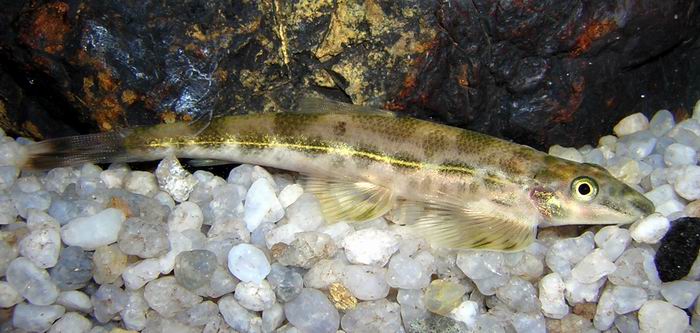
斯氏平鳍鳅(Homalopteroides stephensoni)来自婆罗洲,背部有圆形暗斑,体侧斑块往后常变大。成鱼与幼鱼使用的水流环境可能不同,布缸应同时保留富氧主流和根枝附近的受遮挡位置。
分布与栖息地
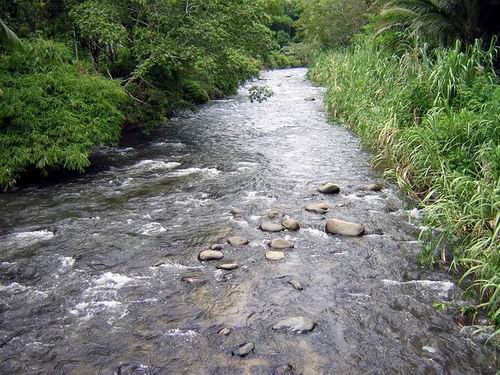
记录遍及印度尼西亚加里曼丹部分河流,以及马来西亚沙巴和砂拉越。成鱼生活于清澈急流和上游,有采集点仅在最快的浅滩发现;幼鱼较常在流速慢些、有砾石和淹没树根的位置。
饲养环境
底面积至少参考 60 × 30 厘米,以砂砾和大小圆石形成溪流底床。根枝、沉木及耐受附生植物可作停驻面。清洁、高溶氧很重要,强过滤按需加气石、造流,每小时循环可参考水体的 10–15 倍;只放入生物系统成熟、水质稳定的缸。
食性与喂食
可参考同属捕食微小甲壳类、昆虫幼虫等的方式,定期喂水蚤、丰年虾、红虫等活冷冻饵。部分下沉干粮可能接受,不能预设它能长期仅靠干粮。瘦弱个体先减少竞争,持续提供容易取得的适口食物。
习性与混养
不是好斗鱼,但伙伴应适应同样的水流和溶氧,相似爬鳅之间可能发生轻微争执。建议六尾以上同养,单尾或两三尾时常较胆小。
雌雄区分
成熟雌鱼预计稍大、较丰满,不能只凭一尾未成熟鱼的体形判定。
补充说明
背部约五至六块圆暗斑、体侧一列逐渐增大的斑块有助辨认。腹部缺鳞只是局部形态,不能将它归作全身无鳞。
图片
图片来自 SeriouslyFish,版权归各摄影者所有。
English
Overview
A Bornean loach, Homalopteroides stephensoni has rounded dorsal blotches and flank markings that grow larger toward the tail. Adult and juvenile habitat use differs, favoring an aquarium with oxygenated current and sheltered root-associated areas.
Distribution & habitat
It is recorded in several Kalimantan drainages and in Sabah and Sarawak. Adults inhabit clear fast headwaters and runs; at one documented site they occurred only in the strongest riffles. Juveniles are more often associated with slower gravel stretches and submerged roots.
Aquarium setup
Provide at least a 60 by 30 cm footprint with varied rocks over sand or gravel. Wood, roots, and hardy plants add resting surfaces. Effective filtration, circulation, and aeration should support the suggested turnover of 10–15 tank volumes per hour. Biological maturity and water stability are essential before introduction.
Diet & feeding
Genus-level feeding guidance emphasizes tiny invertebrates. Supply regular live or frozen Daphnia, Artemia, bloodworms, and similar foods. Sinking dry foods may be accepted but should not be the only plan. Thin specimens need suitable meals without competition during recovery.
Behaviour & compatibility
It is not aggressive, although similar loaches may squabble. Match companions to the current and oxygen requirements. Six or more together are recommended, since lone fish or very small groups are less confident.
Sexual dimorphism
Mature females are expected to be somewhat larger and fuller-bodied, a qualified clue that is less useful for immature fish.
Notes
Five or six rounded dorsal blotches and enlarging flank spots offer identification clues. The scaleless abdomen is a localized feature rather than evidence of a scaleless body.
来源
ID:homalopteroides-stephensoni · 文件: data/species/homalopteroides-stephensoni.md · 状态: 草稿