云纹平鳍鳅
概要
| 字段 | 值 |
|---|---|
| 类别 | 鱼 |
| 学名 | Homalopteroides nebulosus |
| 别名 | 雲紋平鰭鰍 |
| 分类 | 鲤形目 Cypriniformes › 爬鳅科 Balitoridae › Homalopteroides |
| 水体 | 淡水 |
| 原产地 | 印度尼西亚、马来西亚 |
| 成体体长 | 3.6 cm |
| 饲养难度 | 中等 |
| 最小水体 | 54 L |
| 最小缸长 | 60 cm |
| 群居方式 | 群游 |
| 水流偏好 | 高 |
| 外部数据 | seriouslyfish homalopteroides-nebulosus;fishbase 22865 |
水质参数
| 参数 | 耐受范围 | 最适范围 | 单位 |
|---|---|---|---|
| 水温 | 20–25.5 | — | °C |
| pH | 6–7.5 | — | — |
| 总硬度 | 1–12 | — | dGH |
概述
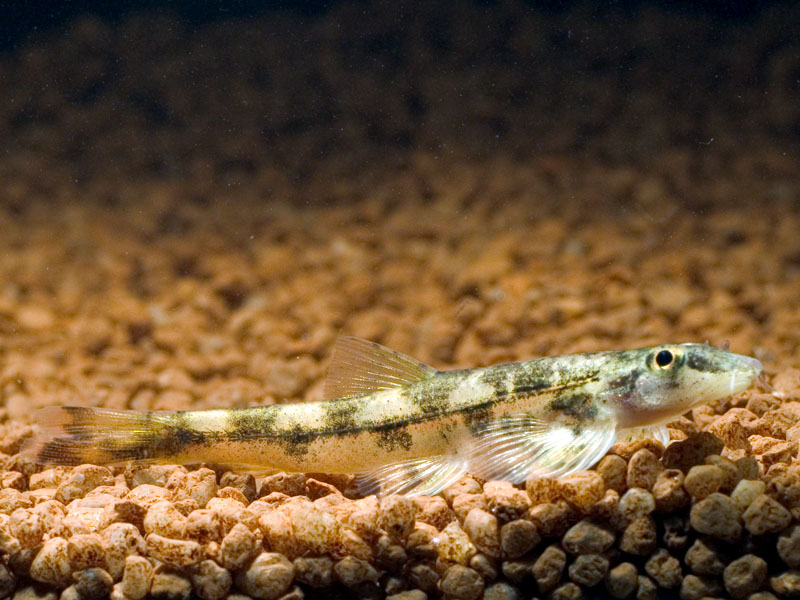
云纹平鳍鳅(Homalopteroides nebulosus)眼睛位置较高,体侧有深褐纵带及不规则斑块。生态细节仍有推测成分,缸内宜兼顾清洁富氧的流水与带植物的较缓位置,而不是把它持续置于最强水柱下。
分布与栖息地
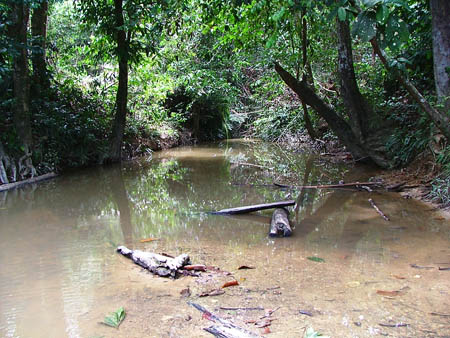
模式地点在马来半岛北部吉兰丹的索河,后来在婆罗洲的马来西亚与印度尼西亚地区,以及纳土纳群岛也有记录。曾在登嘉楼瀑布区域清澈、流速快的石质水域发现;是否偏好有沉水植物的中等流速小环境,仍只是合理推测。
饲养环境
底面积至少参考 60 × 30 厘米。砂砾底与多种大小圆石、沉木根枝和耐受植物组合,提供休息面。水要清洁富氧,强过滤按需配造流和气石,每小时循环可参考水体的 10–15 倍;同时用景物遮挡形成流速差异。只在系统成熟、水质稳定后放鱼。
食性与喂食
同属以小型甲壳类、昆虫幼虫等微小动物为食。定期提供水蚤、丰年虾、红虫等活饵或冷冻饵,部分下沉干粮可能接受。瘦弱个体先减少竞争,保证食物容易接近并持续供应。
习性与混养
不好斗,伙伴要适应类似的水流和溶氧;其他爬鳅可能合适,但仍需留意争食和小争执。建议六尾以上同养,单尾或两三尾时较不大胆。
雌雄区分
成熟雌鱼通常稍大、更丰满。
补充说明
眼睛位置、体侧深带与背侧五至六块不规则深斑可结合辨认,近似种之间还需比较鳞列等细节,不能仅凭“蜥蜴鳅”商品名定种。
图片
图片来自 SeriouslyFish,版权归各摄影者所有。
English
Overview
Raised eyes, a dark lateral stripe, and irregular blotches characterize Homalopteroides nebulosus. Some habitat preferences remain tentative, so clean oxygen-rich circulation can be combined with planted, more sheltered patches rather than uniformly forceful flow.
Distribution & habitat
Described from the Sok River in northern Peninsular Malaysia, it is also recorded in Malaysian and Indonesian Borneo and the Natuna Islands. One documented site had clear fast water over rock. A preference for moderately flowing vegetated patches is plausible but unconfirmed.
Aquarium setup
A 60 by 30 cm footprint is the reference for long-term care. Combine rounded rocks, sand or gravel, wood, and hardy plants. Effective filtration and aeration should support the suggested turnover of 10–15 tank volumes per hour, while the layout creates variation in local current. Add fish only to biologically mature, stable conditions.
Diet & feeding
Genus-level feeding accounts emphasize small invertebrate prey. Regular live or frozen Daphnia, Artemia, bloodworms, and comparable foods are important. Some sinking dry foods may be taken, but weakened fish need a reliable, easily reached food supply without competitors.
Behaviour & compatibility
It is not aggressive, though suitable companions must share its environmental needs. Other loaches can work with attention to minor disputes and food competition. At least six together are recommended because isolated fish or very small groups are less confident.
Sexual dimorphism
Mature females are usually a little larger and fuller-bodied.
Notes
Raised eyes, the dark flank stripe, and five or six irregular dorsal and flank markings help with identification. Similar species may require closer comparison, and a generic lizard-loach label is inadequate.
来源
- https://www.seriouslyfish.com/species/homalopteroides-nebulosus(抓取于 2026-10-10)
homalopteroides-nebulosus · 文件: data/species/homalopteroides-nebulosus.md · 状态: 草稿