丽半线脂鲤 · Pretty Tetra
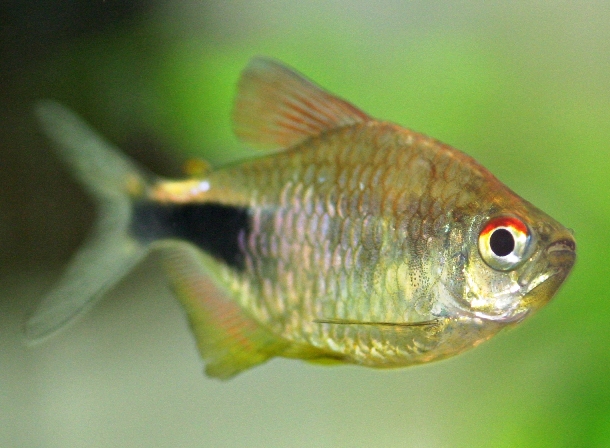
概要
| 字段 | 值 |
|---|---|
| 类别 | 鱼 |
| 学名 | Holopristis pulchra |
| 别名 | 麗半線脂鯉、Hemigrammus pulcher |
| 分类 | 脂鲤目 Characiformes › 脂鲤科 Characidae › Holopristis |
| 水体 | 淡水 |
| 成体体长 | 4.5 cm |
| 饲养难度 | 中等 |
| 最小水体 | 68 L |
| 最小缸长 | 60 cm |
| 群居方式 | 群游 |
| 外部数据 | seriouslyfish holopristis-pulchra;fishbase 10649 |
| 原产地 | 秘鲁亚马孙河上游 |
| 性情 | 温和 |
| 繁殖方式 | 产卵 |
水质参数
| 参数 | 耐受范围 | 最适范围 | 单位 |
|---|---|---|---|
| 水温 | 23–27 | — | °C |
| pH | 5.5–7 | — | — |
| 总硬度 | 1–12 | — | dGH |
概述
丽半线脂鲤(Holopristis pulchra)是活泼但较胆小的温和灯鱼,人工繁殖个体通常较能适应水族箱环境。群体与植物遮蔽有助于显色,空旷且同伴过强的缸不利于它安定。
分布与栖息地
特有于秘鲁亚马孙河上游,栖息于林荫下的缓流支流。贸易中可见大量养殖个体,养殖来源与野外原产地应区分。
饲养环境
密植草缸是合适选择,也可用细砂、沉木、树根和干燥落叶布置较暗环境。让木叶使水略呈茶色,定期更换老化落叶,避免腐败积污。人工繁殖个体通常不苛求固定布景,但有遮蔽比十分空旷更能表现颜色。
食性与喂食
一般容易投喂,薄片和细颗粒可搭配红虫、水蚤、丰年虾等小型活饵或冷冻饵,保持多样以维持体况和颜色。
习性与混养
至少六条、最好十条以上一起饲养。可选合适的小型卵胎生鱼、斑马鱼、波鱼、其他灯鱼和温和底栖鱼,也可考虑部分迷鳃鱼与小型慈鲷。它较胆小,应避开大得多或特别活跃强势的同伴。
雌雄区分
成熟雌鱼通常略大且更丰满。鱼鳔末端在雄鱼较尖、雌鱼较圆的说法可作辅助观察,但不宜单凭这一点下结论。
繁殖
可使用独立暗缸,放细叶植物、莫丝或产卵拖把,或用隔网保护落下的卵。以软酸水和轻柔气动过滤配合活饵培育,可用群体或选定的一对。配对法先将雌雄分开养好,选择怀卵雌鱼与状态好的雄鱼,晚间移入,常在次晨产卵。
成鱼会吃卵,见卵后尽快移走。卵约一天至一天半孵化,三四天后鱼苗自由游动。初期提供纤毛虫级食物,长大后再喂微虫和丰年虾无节幼体。卵和早期幼鱼怕光,宜尽量保持黑暗。
补充说明
旧文献中的部分亚种后来已作独立种处理,选鱼时不要仅凭旧名称把不同鱼混在同一繁殖群。
图片
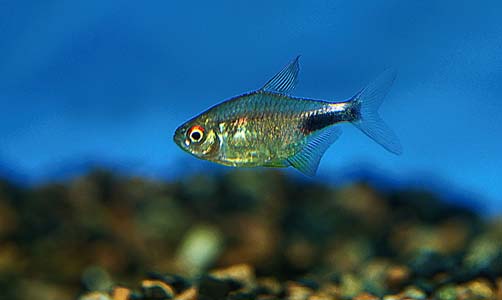
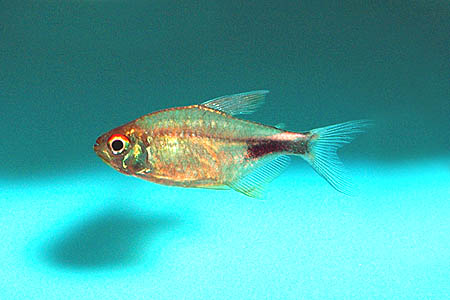
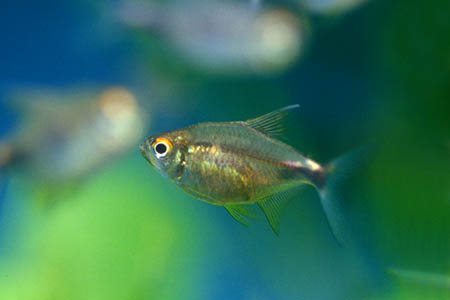
图片来自 SeriouslyFish,版权归各摄影者所有。
English
Overview
Holopristis pulchra is a peaceful tetra that combines lively swimming with a rather shy disposition. Captive-bred fish are usually adaptable, but a shoal and generous cover bring out their appearance and confidence better than a sparse aquarium with forceful companions.
Distribution & habitat
It is endemic to Peru's upper Amazon, where it inhabits slow tributaries beneath forest cover. Aquarium production locations should be distinguished from this native range.
Aquarium setup
Dense planting is suitable. Sand, wood, roots, and dried leaves offer another approach under dim lighting. A light tea tint can develop from the organic materials, but old leaves should be replaced before decay harms conditions. Exact decoration is flexible for captive-bred stock; sheltered surroundings are still beneficial.
Diet & feeding
Provide flakes or small granules with regular live and frozen supplements such as bloodworms, water fleas, and brine shrimp. Varied food supports condition and color.
Behaviour & compatibility
Maintain six or more, ideally at least ten. Suitable small livebearers, danios, rasboras, other tetras, and gentle bottom dwellers are possible companions, as are some gouramis and dwarf cichlids. Avoid much larger or unusually boisterous fishes that may intimidate this shy species.
Sexual dimorphism
Females generally grow slightly larger and fuller-bodied. A pointed male swim-bladder outline versus a rounder female shape is reportedly useful as an additional observation, not a sole diagnostic test.
Breeding
Set up a separate darkened aquarium with fine plants, moss, mops, or an egg-protecting mesh. Soft acidic water and gentle sponge filtration suit breeding. Condition a group on small live foods, or keep sexes apart before choosing a ripe female and well-conditioned male. Evening transfer of a pair often precedes morning spawning.
Adults eat eggs and should be removed promptly. Hatching follows in roughly a day to a day and a half, with free swimming another three or four days later. Begin with infusoria-sized foods, progressing to microworms and brine shrimp nauplii as the fry grow. Eggs and early larvae require protection from light.
Notes
Some historical subspecies names have since been treated as separate species. Old labels alone should not be used to assemble a breeding group.
来源
- https://www.seriouslyfish.com/species/holopristis-pulchra(抓取于 2026-10-10)
holopristis-pulchra · 文件: data/species/holopristis-pulchra.md · 状态: 草稿