印度囊鳃鲶 · Liver Catfish
概要
| 字段 | 值 |
|---|---|
| 类别 | 鱼 |
| 学名 | Heteropneustes fossilis |
| 别名 | 印度囊鰓鯰 |
| 分类 | 鲶形目 Siluriformes › 胡子鲶科 Clariidae › Heteropneustes |
| 水体 | 淡水 |
| 成体体长 | 30 cm |
| 饲养难度 | 中等 |
| 最小水体 | 243 L |
| 最小缸长 | 120 cm |
| 群居方式 | 群游 |
| 性情 | 温和 |
| 特征 | 会跳缸: 是;吃小鱼: 是;夜行性: 是 |
| 外部数据 | seriouslyfish heteropneustes-fossilis;fishbase 4885 |
| 原产地 | 伊朗、巴基斯坦、印度、尼泊尔、斯里兰卡、孟加拉国、缅甸及安达曼群岛 |
水质参数
| 参数 | 耐受范围 | 最适范围 | 单位 |
|---|---|---|---|
| 水温 | 21–25 | — | °C |
| pH | 6–8 | — | — |
| 总硬度 | 5–30 | — | dGH |
概述
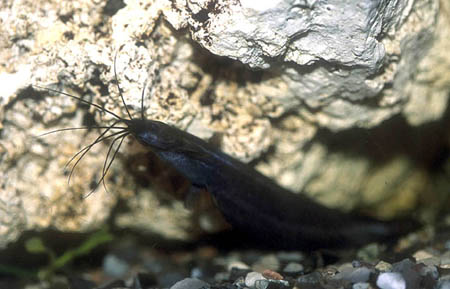
印度囊鳃鲶(Heteropneustes fossilis)强健、长寿,能利用空气中的氧,但胸鳍棘基部带有毒液囊,刺伤会非常疼痛,不适合缺乏处理经验的饲养者。它能短时越陆移动,防逃逸与安全维护都很重要。
分布与栖息地
原产范围涉及伊朗、巴基斯坦、印度、尼泊尔、斯里兰卡、孟加拉国、缅甸和安达曼群岛。多生活于缓流、常缺氧的沼泽、水沟和池塘,也进入河流,偶有半咸水记录。
饲养环境
单条至少约 120 × 45 × 45 cm、243 L,群养应考虑更多空间。光照柔和,圆滑石块、沉木和塑料管提供藏身处,同时保留开放游泳区域。
缸盖需非常牢固严密,不能留下逃出口。它排泄量大,需要高效过滤。维护或移动时避免直接接触胸鳍棘,不能因为个体平时温和就忽略有毒硬棘。
食性与喂食
通常能吃大多数下沉干粮、活饵和冷冻饵,食谱需有较多蚯蚓、红虫、切碎虾肉等动物性成分。适应后,很多个体会到水面取食。
习性与混养
小型同伴会被吃掉,但对同体型或更大、较活跃的鱼通常温和。较大脂鲤或鲤科鱼等活动在不同区域的同伴更合适。
夜间活动可能打扰其他底层鱼或缓慢游动的种类,应慎重选择。它有群居倾向,条件充分时以同种小群维持较好。
雌雄区分
成熟雌鱼通常腹部更圆。
繁殖
有人工繁殖记录,部分原产国也进行食用鱼养殖。细节仍有限,据称在预先挖好的底床浅坑中产卵,雌雄一起护卵,并在孵化后继续照顾幼鱼一段时间;这些具体行为不宜当作已经充分验证的家庭流程。
补充说明
良好照护下可活 20 年以上,是长期饲养承诺。它能通过辅助空气呼吸能力适应低氧环境,分泌黏液、减少水分散失则帮助短暂离水,但这些能力都不是放松缸内维护的理由。
属内部分物种界限存在争议,个体鉴定不应仅依常见商品名称。
图片
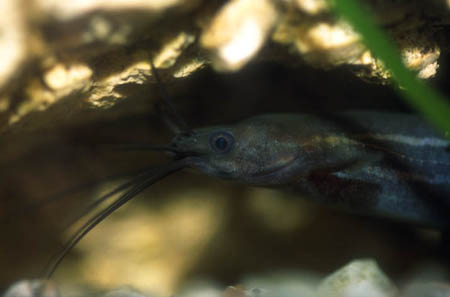
图片来自 SeriouslyFish,版权归各摄影者所有。
English
Overview
Hardy and potentially long-lived, Heteropneustes fossilis can use atmospheric oxygen. Venom sacs at the pectoral-spine bases make a sting very painful, however, and it is unsuitable for inexperienced handling. Short overland movements also make containment important.
Distribution & habitat
Its range includes parts of Iran, Pakistan, India, Nepal, Sri Lanka, Bangladesh, Myanmar, and the Andaman Islands. Sluggish swamps, ditches, and ponds, often low in oxygen, are typical. Rivers and occasional brackish sites are also recorded.
Aquarium setup
A single fish requires at least about 120 × 45 × 45 cm and 243 L, with additional space for a group. Use dim light, smooth stones, wood, or tubes for retreats while leaving open swimming areas.
Secure the cover against escape. Heavy waste production calls for efficient filtration. Avoid direct contact with the pectoral spines during maintenance or transfers; a usually placid disposition does not remove their hazard.
Diet & feeding
Most sinking preparations, live foods, and frozen items are accepted. Include a substantial animal component through earthworms, bloodworms, and chopped shrimp. Many settled individuals also rise to the surface to feed.
Behaviour & compatibility
Small fishes will be eaten, but similarly sized or larger active companions are usually tolerated. Larger characins or cyprinids using different parts of the aquarium are useful candidates.
Nocturnal activity can disturb other bottom dwellers or slow fishes. It is social with its own kind and is best maintained in a small group where facilities permit.
Sexual dimorphism
Mature females generally have a rounder abdomen.
Breeding
Captive reproduction is recorded, including commercial food production in some native countries. Details remain limited. Eggs are reportedly laid in an excavated substrate depression, with both parents guarding the clutch and continuing care after hatching. These behavioral details should not be treated as a fully established home-breeding protocol.
Notes
Properly cared-for fish can exceed 20 years, making this a long commitment. Air-breathing adaptations support low-oxygen survival, while mucus and reduced moisture loss aid brief excursions out of water. These abilities do not replace aquarium maintenance.
Boundaries among some members of the genus remain disputed, so trade names alone are insufficient for identification.
来源
- https://www.seriouslyfish.com/species/heteropneustes-fossilis(抓取于 2026-10-10)
heteropneustes-fossilis · 文件: data/species/heteropneustes-fossilis.md · 状态: 草稿