大口英丽鱼 · Severum
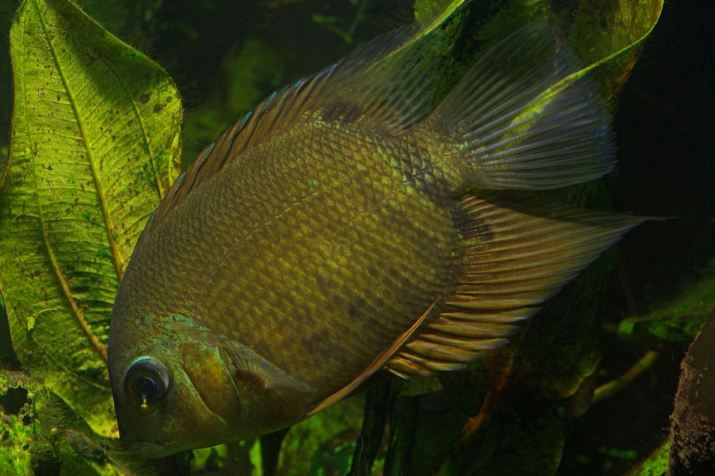
概要
| 字段 | 值 |
|---|---|
| 类别 | 鱼 |
| 学名 | Heros efasciatus |
| 别名 | 金带英丽鱼、大口英麗魚、金帶英麗魚 |
| 分类 | 慈鲷目 Cichliformes › 慈鲷科 Cichlidae › Heros |
| 水体 | 淡水 |
| 成体体长 | 30 cm |
| 饲养难度 | 入门 |
| 最小水体 | 243 L |
| 最小缸长 | 120 cm |
| 外部数据 | seriouslyfish heros-efasciatus;fishbase 52199 |
| 原产地 | 亚马孙干流、索利蒙伊斯河及欣古河 |
| 食性 | 杂食 |
| 特征 | 吃小鱼: 是 |
| 繁殖方式 | 附着产卵 |
水质参数
| 参数 | 耐受范围 | 最适范围 | 单位 |
|---|---|---|---|
| 水温 | 22.2–28.9 | — | °C |
| pH | 5.5–7 | — | — |
| 总硬度 | 1–8 | — | dGH |
概述
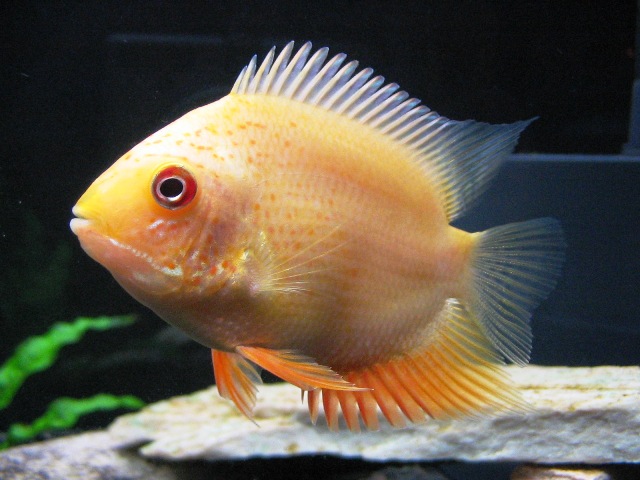
大口英丽鱼(Heros efasciatus)常见绿型与金色型,幼鱼普遍易买,但成鱼需要宽敞缸体。平时在同体型慈鲷中较温和,繁殖时会明显护区;单独长大的个体有时会逐渐变得难相处。
分布与栖息地
记录来自亚马孙干流、索利蒙伊斯河及欣古河。栖息缓流河段、支流和洪泛湖,在较深、平静且沉根枝条丰富的水域较多。
饲养环境
至少考虑 120 × 45 × 45 厘米,并为成鱼留足活动空间。河沙配沉木和缠绕根枝即可模拟基本环境,偏暗光照、略带茶色的水有助自然展示;密植水草不是这种布置的必要条件。
食性与喂食
杂食、不挑食。优质干粮搭配红虫、切碎蚯蚓、虾肉等动物性食物,同时加入去皮豌豆、烫菠菜或含藻干粮,避免单一肉食。
习性与混养
可考虑大型温和伙伴,任何可能被吞下的小鱼都不合适。同种陪伴通常能降低单养后变强势的可能,但仍会有个体差异,配对繁殖时另需观察。
雌雄区分
雄鱼更大,鳃盖有花纹,可能长出额瘤及背鳍、臀鳍延长部分。
繁殖
可从幼鱼群自然形成配对。卵产于平石或类似基面,由双亲守护至孵化;也有双亲将幼鱼含入口中照护的描述。幼鱼较大,可喂丰年虾和细粉饲料。
图片
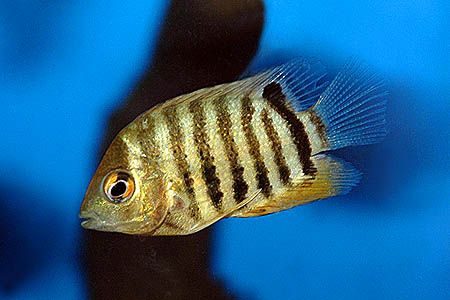
图片来自 SeriouslyFish,版权归各摄影者所有。
English
Overview
Green and gold forms of Heros efasciatus are common in trade. Easy availability of juveniles should not obscure adult space needs. It is generally mild for its size outside spawning, although some singly kept fish become difficult as they mature.
Distribution & habitat
It occurs in the Amazon main channel, Solimões and Xingu. Slow tributaries and floodplain lakes are used, with deeper calm areas containing submerged wood particularly favored.
Aquarium setup
Use at least 120 by 45 by 45 cm and retain sufficient adult swimming space. River sand with branches and roots creates a simple natural-style arrangement. Subdued lighting and lightly tannin-colored water fit the setting without requiring dense planting.
Diet & feeding
Combine quality dry food with animal foods and vegetables. Bloodworms, chopped earthworms or shrimp can accompany peas, softened greens and algae-containing feeds.
Behaviour & compatibility
Substantial peaceful companions may work, while small fishes remain at risk of being eaten. Conspecific company often reduces problems seen in isolated adults, although individual exceptions and breeding aggression remain possible.
Sexual dimorphism
Males are larger with marked gill covers and may develop a forehead hump and elongated fins.
Breeding
Natural pairing from juveniles is a practical starting point. Eggs are laid on a flat surface and guarded by both parents. Accounts also describe both adults taking young into the mouth during care. The relatively large fry accept brine shrimp and fine powdered foods.
来源
- https://www.seriouslyfish.com/species/heros-efasciatus(抓取于 2026-10-10)
heros-efasciatus · 文件: data/species/heros-efasciatus.md · 状态: 草稿