威氏鳠 · Crystal-eyed Catfish
概要
| 字段 | 值 |
|---|---|
| 类别 | 鱼 |
| 学名 | Hemibagrus wyckii |
| 别名 | 威氏半鲿、威氏鱯、威氏半鱨、Bagrus wyckii、Mystus wyckii、Macrones wyckii |
| 分类 | 鲶形目 Siluriformes › 鲿科 Bagridae › Hemibagrus |
| 水体 | 淡水 |
| 原产地 | 老挝、越南、柬埔寨、泰国、马来半岛,以及苏门答腊、爪哇和婆罗洲多个水系 |
| 成体体长 | 71 cm |
| 饲养难度 | 中等 |
| 群居方式 | 独居 |
| 外部数据 | seriouslyfish hemibagrus-wyckii;fishbase 16107 |
| 食性 | 肉食 |
| 特征 | 吃小鱼: 是 |
| 性情 | 攻击性 |
| 领地性 | 是 |
水质参数
| 参数 | 耐受范围 | 最适范围 | 单位 |
|---|---|---|---|
| 水温 | 20–27 | — | °C |
| pH | 6–8 | — | — |
| 总硬度 | 2–20 | — | dGH |
概述
威氏鳠(Hemibagrus wyckii)是体形大、领域攻击性强的鲿科鱼,寿命可达数十年。幼鱼偶尔进入贸易,但绝大多数家庭水族箱无法满足长期空间和混养管理要求。
分布与栖息地
范围包括中南半岛的湄公河、湄南河,马来半岛彭亨河,以及苏门答腊、爪哇、婆罗洲多个水系。常见于中大型河流中游,也会进入急滩;七月至十月的雨季可在局部迁入被淹森林。
饲养环境
需要公共展示级别或特别巨大的私人设施。可能偏好弱光和由大石、沉木、管道形成的藏身处,过滤能力必须非常充足,并坚持有计划的换水维护。
食性与喂食
以甲壳动物和小鱼为主要天然猎物,但人工饲养无须坚持用活猎物。幼鱼可接受红虫、水蚯蚓及多数干饲料;成鱼可供蚯蚓、虾肉、贻贝、白肉鱼条及大型沉底颗粒。
幼鱼需要较高蛋白的食物,成鱼通常无须每日喂食,每周一至两餐即可作为安排参考。避免牛心、鸡肉等陆生动物肉类,不适合作为其常规食物。
习性与混养
领域性很强,除极大的展示设施外,不适合与其他鱼同养,即使空间极大仍可能攻击缸友。它似乎并不惧怕人,维护时不能把手伸近当成安全接触。
补充说明
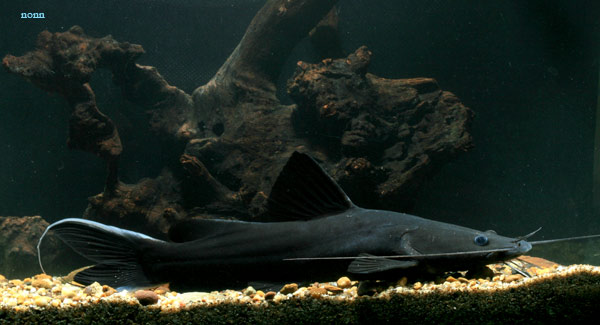
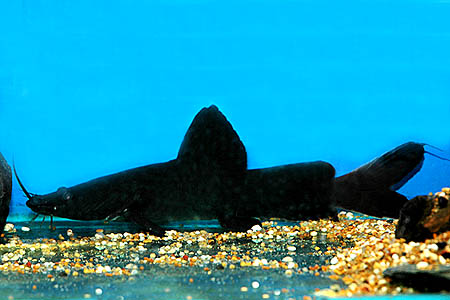
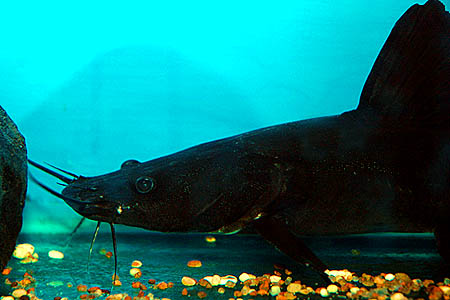
蓝色眼睛虽与英文商品名有关,却不是可靠的种级诊断。它的背鳍硬刺骨化强,后缘有锯齿;尾鳍为灰色,上下叶主要鳍条及胸带附近区域可呈奶油色。幼鱼的漂亮外观不能抵消成年空间、攻击性及数十年饲养周期的要求。
图片
图片来自 SeriouslyFish,版权归各摄影者所有。
English
Overview
Hemibagrus wyckii is a large catfish with strong territorial aggression and a lifespan potentially extending over decades. Juveniles occasionally enter the trade, but ordinary home aquariums cannot meet its long-term housing and compatibility demands.
Distribution & habitat
Its range spans the Mekong and Chao Phraya systems, the Pahang in Peninsular Malaysia, and several drainages on Sumatra, Java, and Borneo. It is commonly found in middle sections of medium and large rivers, including rapids. Local movement into flooded forest occurs during the July–October rainy season.
Aquarium setup
Accommodation needs to approach public-display scale or an exceptionally large private installation. Dim light and retreats formed from substantial rocks, wood, or pipes are presumed preferences. Very large filtration capacity and consistent, planned water changes are essential.
Diet & feeding
Crustaceans and smaller fishes are its main natural prey, but live prey is unnecessary in captivity. Juveniles accept worms and many dry products. Adults can receive earthworms, shrimp flesh, mussels, strips of white fish, and large sinking pellets.
Young fish need relatively protein-rich food. Adults generally do not need daily feeding; one or two meals weekly provides a starting reference. Avoid terrestrial animal meats such as beef heart or chicken as routine food.
Behaviour & compatibility
It is strongly territorial and unsuitable for mixed housing except in very large displays. Even there, companions may be attacked. It also appears unusually unafraid of people, so maintenance should not involve assuming a nearby hand will be ignored.
Notes
The blue eye associated with its common name is not a dependable diagnostic feature. More useful characters include a heavily ossified, serrated dorsal spine, gray tail, and cream-colored principal rays on both tail lobes and around the shoulder region. An attractive juvenile still represents a commitment to great size, aggression, and potentially decades of care.
来源
- https://www.seriouslyfish.com/species/hemibagrus-wyckii(抓取于 2026-10-10)
hemibagrus-wyckii · 文件: data/species/hemibagrus-wyckii.md · 状态: 草稿