银顶半线脂鲤 · Silvertip Tetra
概要
| 字段 | 值 |
|---|---|
| 类别 | 鱼 |
| 学名 | Hasemania nana |
| 别名 | 铜色光尾裙鱼、银顶光尾裙鱼、銀頂半線脂鯉、銅色光尾裙魚、銀頂光尾裙魚 |
| 分类 | 脂鲤目 Characiformes › 脂鲤科 Characidae › Hasemania |
| 水体 | 淡水 |
| 成体体长 | 5 cm |
| 饲养难度 | 入门 |
| 最小水体 | 68 L |
| 最小缸长 | 60 cm |
| 群居方式 | 群游 |
| 外部数据 | seriouslyfish hasemania-nana;fishbase 12360 |
| 原产地 | 巴西圣弗朗西斯科河流域 |
| 性情 | 温和 |
水质参数
| 参数 | 耐受范围 | 最适范围 | 单位 |
|---|---|---|---|
| 水温 | 23–28 | — | °C |
| pH | 6–8 | — | — |
| 总硬度 | 5–20 | — | dGH |
概述
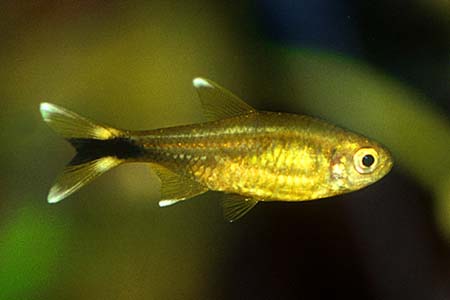
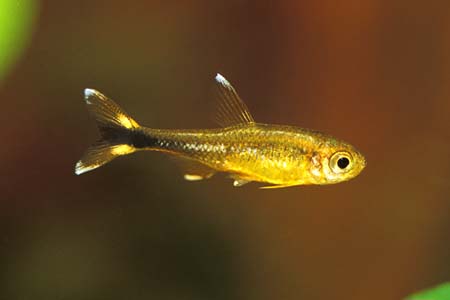
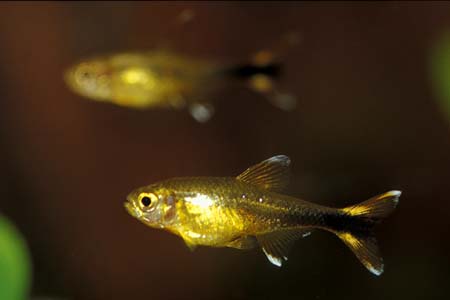
银顶半线脂鲤(Hasemania nana)是活跃的群居小鱼,颜色与鳍尖反差鲜明。人工繁殖个体较能适应不同饲养条件,但单独饲养有时会咬鳍,增加同种数量比把它当独居观赏鱼更合适。
分布与栖息地
来自巴西圣弗朗西斯科河流域,通常利用远离大河主槽的小溪及支流,据称清浊不同的白水和黑水环境中都可出现。
饲养环境
适合维护良好的水草缸,尽管自然环境并不以水草为特征。也可用细砂、沉木根枝和少量落叶构成较简单的原生境风格布置。稍暗的光线有利于展现颜色,仍要为整群保留活动空间。
食性与喂食
通常不挑食,薄片和颗粒能作为日常食物。规律加入红虫、水蚤、丰年虾等小型活饵或冷冻饵料,有助于维持良好体况和颜色。
习性与混养
总体温和,适合与卵胎生鱼、斑马鱼、波鱼、其他小型脂鲤及温和底栖鱼搭配,也能与合适的迷鳃鱼和短鲷同养。避免可能把它吞下的大鱼。至少六条,十条以上通常更好;单养个体的咬鳍倾向,在成群后往往明显减轻。
雌雄区分
雄鱼通常颜色更浓、体形更细;雌鱼身体较丰满。
繁殖
可群体或配对繁殖。繁殖缸保持昏暗,放莫丝、细叶植物或产卵拖把承接黏性卵,也可设隔卵网。亲鱼以丰富活饵和冷冻饵料调养;配对法可先分开雌雄,再把抱卵雌鱼和状态好的雄鱼合缸,常在次晨产卵。
亲鱼会吃卵,发现产卵后及时移出。卵约二十四至三十六小时孵化,幼鱼再过三四天自由游动。开口先喂纤毛虫级微饵,长大后转喂微虫和丰年虾无节幼体。卵及初期幼鱼怕强光,繁殖缸应持续保持低光。
补充说明
本种所属的光尾裙鱼属没有脂鳍,是辨识时可留意的特征。市场也使用铜色脂鲤等商品名,贸易鱼主要为人工繁殖。
图片
图片来自 SeriouslyFish,版权归各摄影者所有。
English
Overview
Hasemania nana is a lively shoaling tetra with contrasting fin tips. Farmed stock is adaptable, but single fish can develop a nipping habit. A proper group is a better choice than keeping an isolated specimen.
Distribution & habitat
It comes from Brazil's São Francisco basin, using creeks and tributaries away from the main river channels. Both blackwater and whitewater occurrences have been reported.
Aquarium setup
A well-maintained planted aquarium works well even though aquatic plants are not prominent in its natural habitat. A simpler arrangement can use sand, branching wood, roots, and some dried leaves. Subdued lighting helps show its colors, while open space allows the group to remain active.
Diet & feeding
Flakes and granules are easily accepted. Regular additions of small live or frozen foods, including bloodworms, water fleas, and brine shrimp, help maintain condition and color.
Behaviour & compatibility
It is generally peaceful with compatible livebearers, danionins, rasboras, other small tetras, and quiet bottom dwellers. Suitable gouramis and dwarf cichlids are further possibilities. Avoid large fishes capable of swallowing it. Keep at least six, ideally ten or more; nipping shown by solitary specimens usually declines substantially in a group.
Sexual dimorphism
Males tend to be slimmer and more intensely colored than females.
Breeding
Either group or pair spawning can be used. Provide dim light, fine plants or spawning mops for the adhesive eggs, or mesh that keeps adults away from eggs on the bottom. Condition adults with varied live and frozen foods. For a pair, separate the sexes beforehand, then combine a ripe female and a strongly colored male; spawning often follows the next morning.
Remove the parents promptly. Hatching takes roughly twenty-four to thirty-six hours, with free swimming another three or four days later. Start with infusoria and progress to microworms and newly hatched brine shrimp. Eggs and early fry are sensitive to light, so keep the rearing aquarium subdued.
Notes
Members of Hasemania lack an adipose fin, a useful feature to notice when identifying this fish. It is also sold as the copper tetra, and trade supplies largely come from captive breeding.
来源
- https://www.seriouslyfish.com/species/hasemania-nana(抓取于 2026-10-10)
hasemania-nana · 文件: data/species/hasemania-nana.md · 状态: 草稿