杰氏兔鮡 · Asian Stone Catfish
概要
| 字段 | 值 |
|---|---|
| 类别 | 鱼 |
| 学名 | Hara jerdoni |
| 别名 | 傑氏兔鮡 |
| 分类 | 鲶形目 Siluriformes › 鮡科 Sisoridae › Hara |
| 水体 | 淡水 |
| 成体体长 | 3 cm |
| 饲养难度 | 入门 |
| 最小水体 | 12 L |
| 最小缸长 | 30 cm |
| 性情 | 温和 |
| 外部数据 | seriouslyfish hara-jerdoni;fishbase 24885 |
| 原产地 | 印度、孟加拉国 |
| 特征 | 夜行性: 是 |
水质参数
| 参数 | 耐受范围 | 最适范围 | 单位 |
|---|---|---|---|
| 水温 | 18–24 | — | °C |
| pH | 5.6–7.6 | — | — |
| 总硬度 | 8–15 | — | dGH |
概述
杰氏兔鮡(Hara jerdoni)体型很小、性情温和,平时活动不多,却不能因此忽略水质与夜间进食。它喜欢柔软底床和充足藏身处,适合小型温和鱼的环境,不宜与活跃底栖鱼抢食。
分布与栖息地
来自印度和孟加拉国,生活在缓流溪流和小河,偏爱的地点有柔软底床,天然水体溶氧较高。
饲养环境
可从 30 × 20 × 20 厘米的小缸考虑,但水量少时要格外仔细维持稳定,不能把最低尺寸理解为容易管理。铺柔软细砂,多做躲藏处,搭配沉木和干燥落叶。保持水体清洁、偏凉并且溶氧充足。
食性与喂食
接受多种小颗粒食物,包括干颗粒,但应主要使用红虫、水蚤等活饵和冷冻饵。它严格在夜间进食,熄灯后再投喂,确认食物确实到达它活动的地方,避免被伙伴先抢光。
习性与混养
可与温和小鱼一起养,也适合与亚洲溪流小型鱼搭配。避开活跃的底栖鱼,它很容易在取食上处于劣势。同种相处没有明显问题,且更喜欢有同伴的群体。
雌雄区分
怀卵雌鱼可能显得更宽,但不是已经确认可靠的辨别方法。
繁殖
曾有人工繁殖,报道中卵似乎产在产卵拖把里。这个有限记录不能提供完整孵化和仔鱼饲养方法,卵的具体放置方式也应保留不确定性。
补充说明
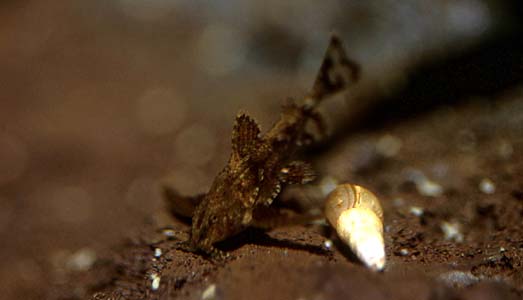
较长的胸鳍硬棘是辨认特点之一。它及部分近亲从上方看轮廓和花纹像飞蛾,因此有相应俗名,但这种共同称呼不能代替物种识别。
图片
图片来自 SeriouslyFish,版权归各摄影者所有。
English
Overview
Tiny and peaceful, Hara jerdoni is relatively inactive but still needs careful water-quality and feeding management. Soft substrate and numerous retreats suit it well. Active bottom-dwelling competitors are inappropriate, even if they otherwise appear harmless.
Distribution & habitat
It occurs in India and Bangladesh in slow streams and small rivers. Preferred sites have soft substrates and well-oxygenated water.
Aquarium setup
Dimensions of 30 by 20 by 20 cm are suggested as a starting point, but small volumes require especially careful control. Provide soft sand, numerous refuges, wood, and dried leaves. Keep the water clean, relatively cool, and well oxygenated.
Diet & feeding
Small pellets may be accepted, but live and frozen foods such as bloodworms and daphnia should form the main offerings. Feed after lights go out: this strictly nocturnal feeder otherwise risks missing its share, especially among competitors.
Behaviour & compatibility
It can share an aquarium with peaceful small fish, including suitable Asian stream species. Avoid active bottom feeders, which readily outcompete it. Conspecific company is well tolerated and a group is preferred.
Sexual dimorphism
Egg-filled females may appear broader, though reliable sex differences remain uncertain.
Breeding
Captive breeding has occurred, with eggs reportedly placed in spawning mops. The account does not establish a complete incubation or fry-rearing method, and the exact deposition behavior remains uncertain.
Notes
Elongated pectoral spines help distinguish it. The moth-like outline and pattern seen from above explain a shared common name with relatives, but that label does not identify the species by itself.
来源
- https://www.seriouslyfish.com/species/hara-jerdoni(抓取于 2026-10-10)
hara-jerdoni · 文件: data/species/hara-jerdoni.md · 状态: 草稿