勃氏似鰕虎鱼 · Violet Goby
概要
| 字段 | 值 |
|---|---|
| 类别 | 鱼 |
| 学名 | Gobioides broussonnetii |
| 别名 | 勃氏似鰕虎魚 |
| 分类 | 虾虎鱼目 Gobiiformes › 虾虎鱼科 Gobiidae › Gobioides |
| 水体 | 淡水 |
| 成体体长 | 62.5 cm |
| 饲养难度 | 中等 |
| 最小水体 | 432 L |
| 最小缸长 | 120 cm |
| 领地性 | 是 |
| 外部数据 | seriouslyfish gobioides-broussonnetii;fishbase 3856 |
| 原产地 | 美国南部、中美洲、加勒比地区及南美洲东北部沿岸 |
| 游动层 | 底层 |
| 特征 | 吃小鱼: 否 |
水质参数
| 参数 | 耐受范围 | 最适范围 | 单位 |
|---|---|---|---|
| 水温 | 22–26 | — | °C |
| pH | 7.5–9 | — | — |
| 总硬度 | 10–25 | — | dGH |
概述
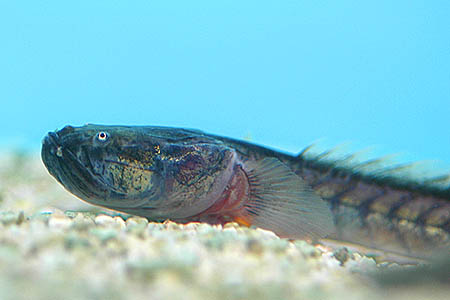
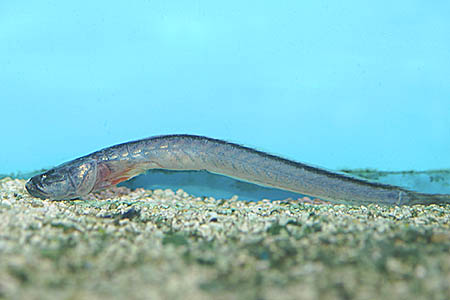
勃氏似鰕虎鱼(Gobioides broussonnetii)身体细长、外形特别,成年后体形很大,不能按小型淡水“虾虎”看待。长期饲养需要半咸水,以及能满足藻类和碎屑取食特点的食物安排,普通混养缸并不合适。
分布与栖息地
广布于美国南部、中美洲、加勒比地区及南美洲东北部沿岸。常见于河口泥底上方,也会进入淡水或河口外开阔水域;自然出现于淡水不等于适合长期全淡水饲养。
饲养环境
至少需要约 120 cm 长、底面积宽裕的大缸,即使如此也可能不足以容纳充分长成的个体。底床铺较厚的柔软细砂,让它能部分埋身,另用圆滑石块、沉木和管道提供藏身处。
应使用半咸水,参考比重约 1.005–1.015。水质适宜偏硬、偏碱,不应把淡水货架上的标识当作长期环境依据。
食性与喂食
自然界主要滤取丝状藻和有机碎屑,新到个体可能较难开口。许多个体之后能接受红虫、丰年虾、水蚯蚓等活饵或冷冻饵,也可提供藻片碎块、海苔和螺旋藻饲料。植物性食物对长期状态非常重要,不能只用动物饵替代。
习性与混养
可与温和、环境要求相近的半咸水鱼同养,尽管有领域性,却不以吞食小同缸鱼为主要威胁。避免强势、过分活跃或抢食太快的伙伴,它容易在进食时处于劣势。
对同类比较好斗,若要长期养一群,需要远大于单条布置的空间。
雌雄区分
外观不易辨别,生殖突更可靠:雄鱼较长且尖,雌鱼较短、钝圆并偏黄。
补充说明
交易中会与另一种体形更粗、紫色更浓、较能适应淡水的近似鱼混淆。“龙鱼”“秘鲁虾虎”等商品名并不能确认种类,成鱼大小和长期盐度需求也不能互相套用。
图片
图片来自 SeriouslyFish,版权归各摄影者所有。
English
Overview
Gobioides broussonnetii, the violet goby, becomes a large, elongated fish with specialized feeding needs. Long-term care requires brackish water and attention to its natural algae-and-detritus diet. It is unsuitable for an ordinary freshwater community.
Distribution & habitat
It is widespread along the southern United States, Central America, the Caribbean, and northeastern South America. Estuaries over mud are typical, though fish also enter freshwater and open water beyond river mouths. Occasional freshwater occurrence does not establish suitability for permanent freshwater care.
Aquarium setup
Allow a large aquarium at least around 120 cm long with substantial floor space; even this may become inadequate for a fully grown fish. Provide a deep layer of soft sand for partial burial, together with smooth rocks, wood, and tubes for shelter.
Use brackish conditions, with a suggested specific gravity around 1.005–1.015. Suitable hard, alkaline water is appropriate. A freshwater sales label should not determine the long-term setup.
Diet & feeding
Wild fish filter filamentous algae and organic debris from their surroundings. Newly imported individuals may be difficult to start feeding. Many eventually accept live or frozen foods such as bloodworms, brine shrimp, and aquatic worms, together with algae wafers, nori, and spirulina foods. Plant-based material remains essential rather than being replaced entirely by animal foods.
Behaviour & compatibility
Peaceful brackish fishes with matching requirements can be companions. Despite territorial behavior, it does not prey on even very small tankmates. Avoid aggressive, overly vigorous, or strongly food-competitive species, which can prevent it from feeding adequately.
It can be quarrelsome toward its own kind. A group needs substantially more room than a single-fish setup for long-term accommodation.
Sexual dimorphism
External appearance is difficult to interpret. The genital papilla is a more reliable guide: long and pointed in males, shorter, blunt, and yellowish in females.
Notes
A thicker-bodied, more purple, freshwater-tolerant relative is sometimes imported under the same name. Dragon or Peruvian trade labels cannot establish identity, adult size, or salinity requirements.
来源
- https://www.seriouslyfish.com/species/gobioides-broussonnetii(抓取于 2026-10-10)
gobioides-broussonnetii · 文件: data/species/gobioides-broussonnetii.md · 状态: 草稿