彼氏锥颌象鼻鱼 · Elephantnose Fish
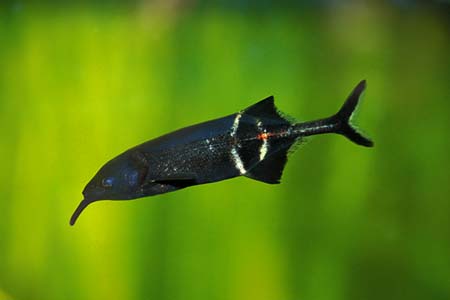
概要
| 字段 | 值 |
|---|---|
| 类别 | 鱼 |
| 学名 | Gnathonemus petersii |
| 别名 | 鹳嘴长颌鱼、彼氏錐頜象鼻魚、鸛嘴長頜魚 |
| 分类 | 骨舌鱼目 Osteoglossiformes › 象鼻鱼科 Mormyridae › Gnathonemus |
| 水体 | 淡水 |
| 成体体长 | 22.5 cm |
| 饲养难度 | 入门 |
| 最小水体 | 243 L |
| 最小缸长 | 120 cm |
| 群居方式 | 群游 |
| 性情 | 温和 |
| 外部数据 | seriouslyfish gnathonemus-petersii;fishbase 2085 |
| 原产地 | 马里、贝宁、尼日尔、尼日利亚、乍得、中非共和国、喀麦隆、刚果共和国、刚果民主共和国、赞比亚 |
| 特征 | 夜行性: 是 |
| 领地性 | 是 |
水质参数
| 参数 | 耐受范围 | 最适范围 | 单位 |
|---|---|---|---|
| 水温 | 23–28 | — | °C |
| pH | 6–7.5 | — | — |
| 总硬度 | 5–15 | — | dGH |
概述
彼氏锥颌象鼻鱼(Gnathonemus petersii)用延长的下唇探找底床内的食物,并能借助微弱电场在昏暗环境中定位和沟通。柔软沙底、弱光、洁净水质及不受抢食干扰,是饲养时应先落实的条件。
分布与栖息地
非洲分布较广,记录来自马里、贝宁、尼日尔、尼日利亚、乍得、中非共和国、喀麦隆、刚果共和国、刚果民主共和国和赞比亚。栖息于水流较缓的河段,偏好昏暗泥底和水草浓密的区域。
饲养环境
最低规格的缸仅勉强够用,若饲养成群个体,应准备更大空间及大量互不干扰的藏身处。圆滑石块、沉木和耐弱光水草均可作遮蔽,例如水榕、铁皇冠等。
柔软沙底不可缺少。粗糙、锋利的底材可能损伤用来探食的下唇,使其无法正常觅食。它属于夜行鱼,强光下可能长期躲藏、逐渐衰弱;灯光无法充分调暗时,应在熄灯后投喂,并保证白天有足够遮蔽。
它对恶化的水质和多种水族药物、包括盐,都很敏感。不要把外观特别或市场常见误当成能容忍粗放管理。
食性与喂食
多数个体能接受多种干粮、冷冻饵及活饵,各类蠕虫尤其受欢迎。喂食时应观察每条鱼是否真正吃到,安静的性格并不代表能在抢食激烈的混养缸中维持体况。
习性与混养
对异种通常温和,但有领地性,不适合与过度活跃、凶猛的鱼或其他象鼻鱼科成员混养。体型和性情合适的上层鱼、部分小型多鳍鱼、倒游鲶以及温和慈鲷都属于可考虑的方向,仍须确保食物不会被抢光。
只买两条的风险很高,强势个体可能持续欺压弱者直到死亡。多条饲养需大缸、充足遮蔽,至少五条有助于分散攻击,不能把群养理解为无需处理领地冲突。
雌雄区分
外观没有可靠的常规判别方法;臀鳍形状可能有差异的说法尚不足以作为确定依据。研究中可比较两性的电信号,但不适用于一般爱好者日常分辨。
繁殖
人工环境中尚无得到确认的成功繁殖方法。一项研究提示,狭小水族箱中的性别相关电脉冲模式可能变得模糊,甚至出现反转,使个体难以辨认异性并影响产卵;这仍是对繁殖困难的解释,不能据此推导具体催繁步骤。
补充说明
其电场由尾部附近的特化肌肉产生,电感受器帮助感知周围细微变化,用于暗处导航、捕食、避险及同类交流。对污染的电放电反应还曾被用于部分供水系统的水质监测,但这不意味着家庭饲养可以省略正常水质管理。
图片
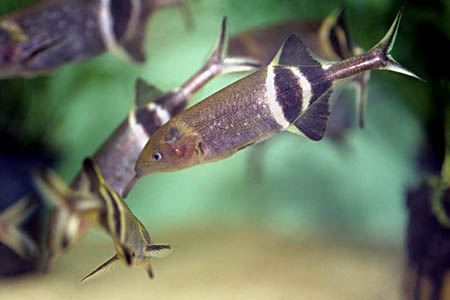
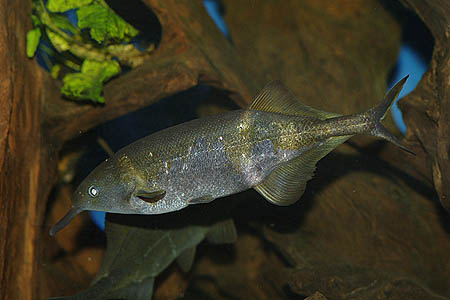
图片来自 SeriouslyFish,版权归各摄影者所有。
English
Overview
The elongated lower lip of Gnathonemus petersii searches the bottom for concealed food. A weak electric field helps it orient and communicate in darkness. Soft sand, subdued light, clean water, and freedom from intense feeding competition are fundamental to its care.
Distribution & habitat
Its broad African range includes Mali, Benin, Niger, Nigeria, Chad, the Central African Republic, Cameroon, both the Republic and Democratic Republic of Congo, and Zambia. Typical sites are slow river sections with dark muddy bottoms and thick vegetation.
Aquarium setup
Minimum accommodation is only marginally adequate; a group needs a larger aquarium with numerous separate retreats. Smooth stones, wood, and shade-tolerant plants, including Anubias and Java fern, provide useful cover.
Soft sand is indispensable. Rough or sharp material can injure the probing lower lip and interfere with feeding. This is a nocturnal fish, and bright conditions can lead to prolonged hiding and decline. If illumination cannot be reduced sufficiently, feed after lights-out and provide ample daytime shelter.
Deteriorating water quality and many aquarium treatments, including salt, are poorly tolerated. Availability in stores should not be mistaken for tolerance of casual maintenance.
Diet & feeding
Most individuals accept assorted dry, frozen, and live foods, with worms especially favored. Check that each fish obtains food: quiet behavior does not equip it to compete with forceful feeders.
Behaviour & compatibility
It is generally peaceful toward other species but territorial. Avoid aggressive or excessively active companions and other mormyrids. Appropriate African butterflyfish, smaller bichirs, Congo tetras, Synodontis, and peaceful cichlids are possible companions, provided feeding access remains secure.
A pair is a risky arrangement because the dominant fish may persecute the other fatally. Keeping several requires a spacious aquarium, plentiful refuges, and at least five individuals to distribute aggression. Group housing still needs careful management of territories.
Sexual dimorphism
There is no dependable routine visual method. Suggestions concerning anal-fin shape are insufficient for confident identification. Electrical patterns can distinguish the sexes in a research setting, but this is impractical for ordinary aquarium use.
Breeding
A confirmed aquarium breeding method remains unavailable. One study suggests confinement may blur or even reverse sex-specific electrical patterns, interfering with recognition of a mate and inhibiting spawning. This proposed explanation does not establish a workable spawning protocol.
Notes
Specialized muscle near the tail creates the electric field, while sensory receptors register subtle changes around the fish. This supports navigation, hunting, predator avoidance, and social communication in darkness. Responses of electrical discharge to pollution have also been used for water monitoring in some municipal systems; normal aquarium water management remains essential.
来源
- https://www.seriouslyfish.com/species/gnathonemus-petersii(抓取于 2026-10-10)
gnathonemus-petersii · 文件: data/species/gnathonemus-petersii.md · 状态: 草稿