斯氏珠母丽鱼 · Red Hump Eartheater
概要
| 字段 | 值 |
|---|---|
| 类别 | 鱼 |
| 学名 | 'Geophagus' steindachneri |
| 别名 | 隆项珠母丽鱼、斯氏珠母麗魚、隆項珠母麗魚、Geophagus hondae |
| 分类 | 慈鲷目 Cichliformes › 慈鲷科 Cichlidae › 'Geophagus' |
| 水体 | 淡水 |
| 原产地 | 哥伦比亚、委内瑞拉 |
| 成体体长 | 15 cm |
| 饲养难度 | 中等 |
| 最小水体 | 243 L |
| 最小缸长 | 120 cm |
| 群居方式 | 成对 |
| 外部数据 | seriouslyfish geophagus-steindachneri;fishbase 12372 |
| 食性 | 杂食 |
| 繁殖方式 | 口孵 |
| 领地性 | 是 |
水质参数
| 参数 | 耐受范围 | 最适范围 | 单位 |
|---|---|---|---|
| 水温 | 20–30 | — | °C |
| pH | 6–7.5 | — | — |
| 总硬度 | 2–12 | — | dGH |
概述
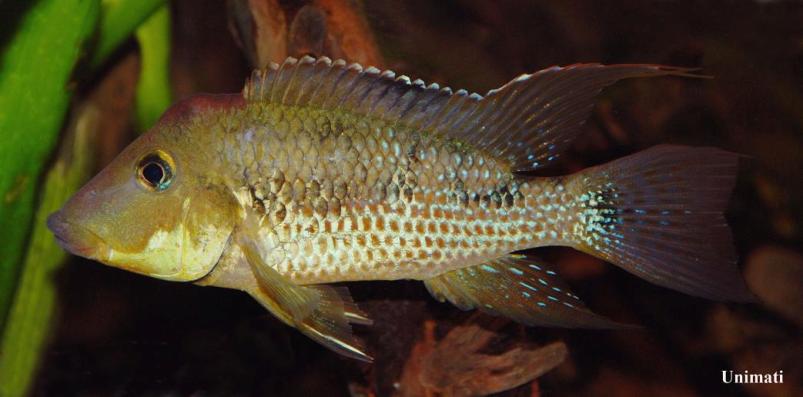
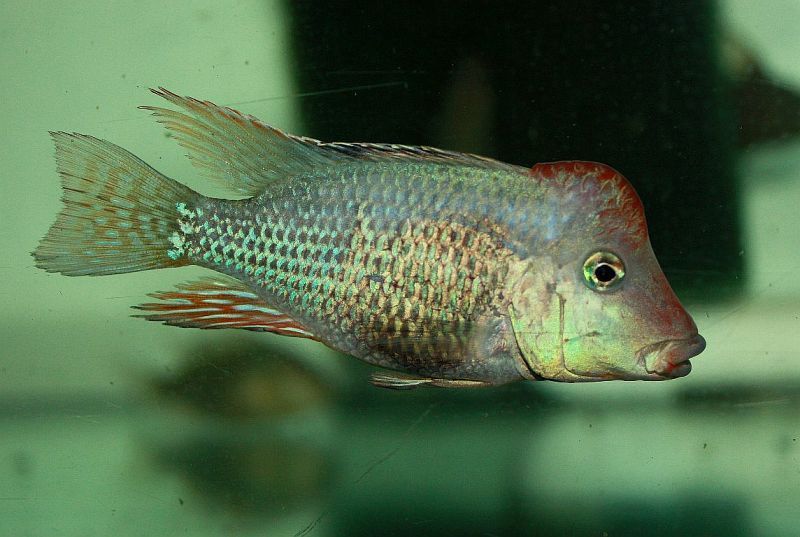
斯氏珠母丽鱼('Geophagus' steindachneri)是雄鱼领地性明显的食土类慈鲷。额部隆起和产地间的颜色差异较引人注意,但饲养安排更应重视雌鱼躲避空间,以及雄鱼之间可能发生的冲突。
分布与栖息地
分布于哥伦比亚马格达莱纳河及考卡河、锡努河水系,也见于委内瑞拉西北部汇入马拉开波湖的利蒙河流域。利用多种环境,似乎更偏好森林溪流、支流及带砂底的回水区。
饲养环境
使用细软砂底,使其能正常含砂筛食。粗砾可能妨碍进食、伤鳃或造成误吞。沉木、根枝、暗光和少量平石可满足主要造景需求,大量落叶容易被翻碎而堵塞设备。
必须使用成熟的过滤系统,每周换水约四成至七成,防止有机污染积累。机械过滤要能截留翻起的细颗粒,同时避免让砂不断进入泵体造成磨损。
食性与喂食
通过筛砂取得小型无脊椎动物、植物种子和碎屑,缸中稳定后也会离底接食。即使成鱼也不宜喂过大食块,以细颗粒优质饲料配合红虫、丰年虾等小型活饵或冷冻饵。每天三至四次少量投喂,有助于维持其持续觅食习惯。
习性与混养
成年雄鱼会强烈排斥其他雄鱼,繁殖时尤其明显,除非空间非常大,通常只保留一条雄鱼。每雄配至少三条雌鱼可分散求偶压力。混养宜选活动于开阔水域的温和伙伴,避开强势或领地型底栖鱼。
雌雄区分
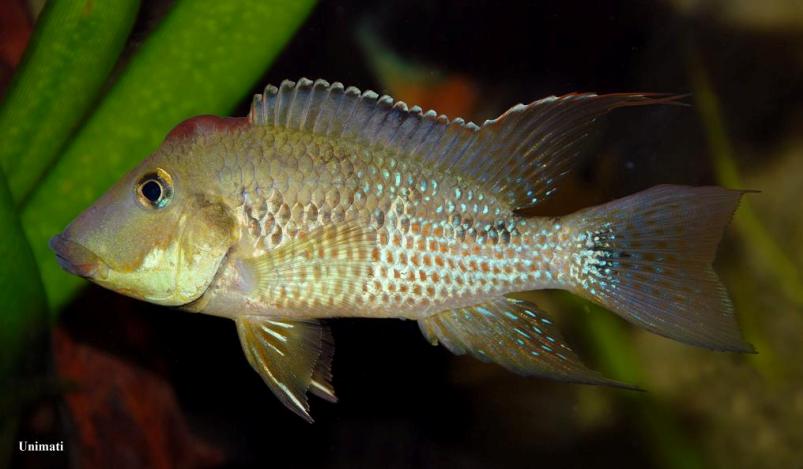
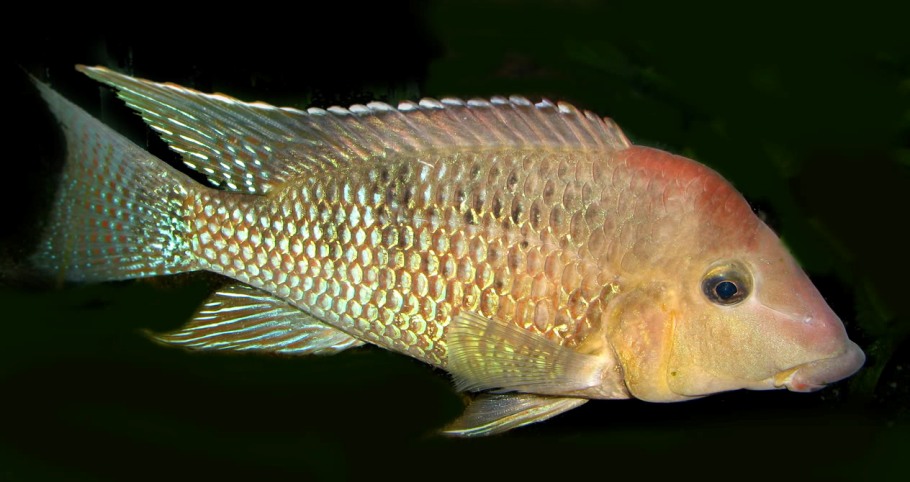
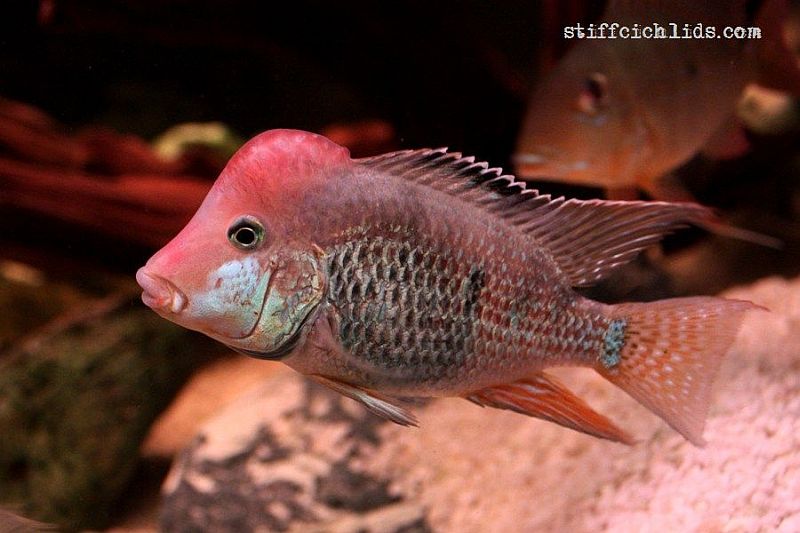
成年雄鱼更大,背鳍、臀鳍等不成对鳍的末端更长,成熟后形成额隆,部分个体十分明显。
繁殖
雌鱼口孵,配对关系只在产卵期间短暂形成,雄鱼可先后与多条雌鱼繁殖。雌鱼把小批卵产在雄鱼领地内的硬表面,再含入口中,雄鱼在其口前排精完成受精。
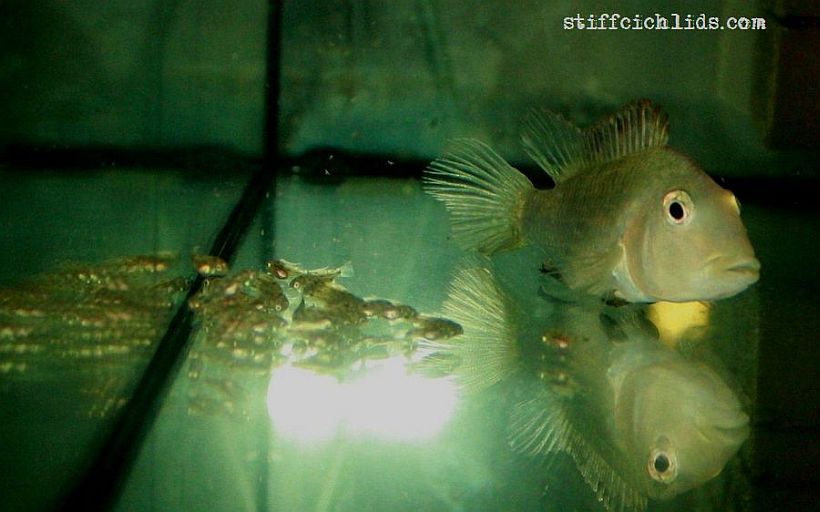
产卵后由雌鱼照护,多数繁殖者会将含卵雌鱼移至独立缸。含育约十至十四天,鱼苗离口后仍可能返回母鱼口中避护一周以上。自由游动后可以丰年虾幼体、微虫等开口。
补充说明
这一类群的分类位置尚有未解决之处,不同产地色型也可能涉及近缘分类差异。购买时保留产地信息,比仅凭颜色判断更有用。
图片
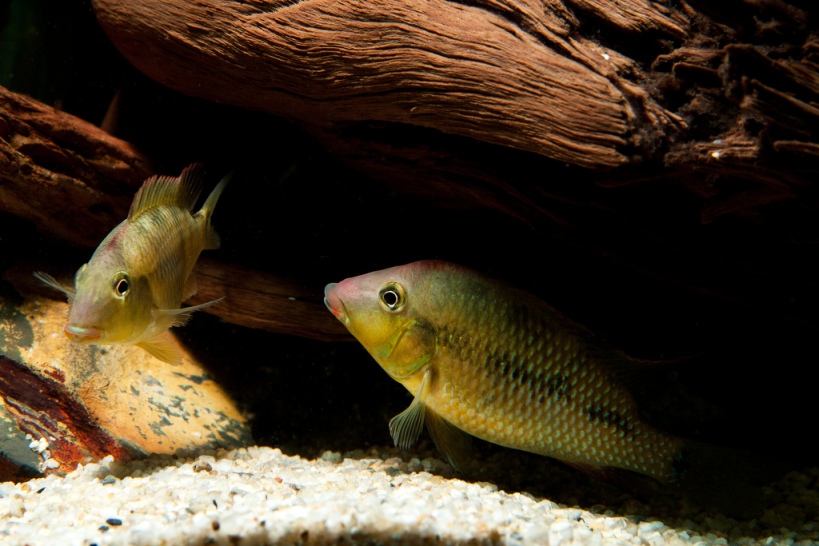
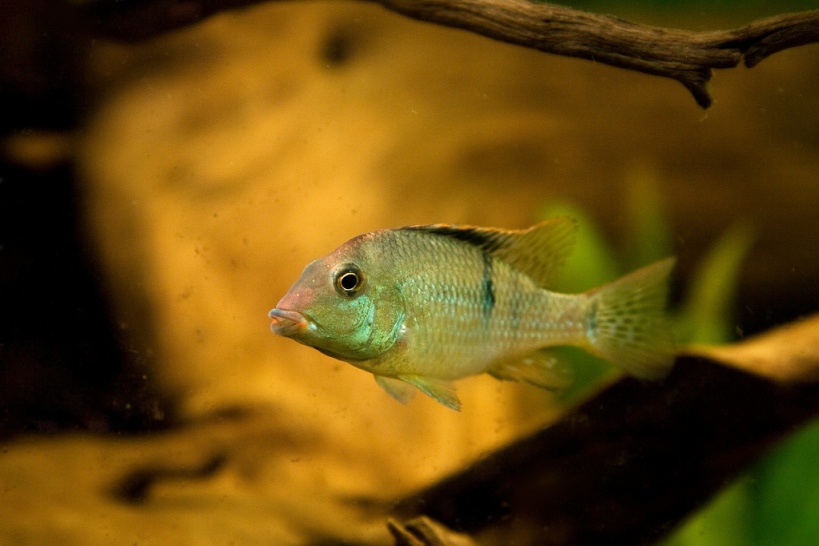
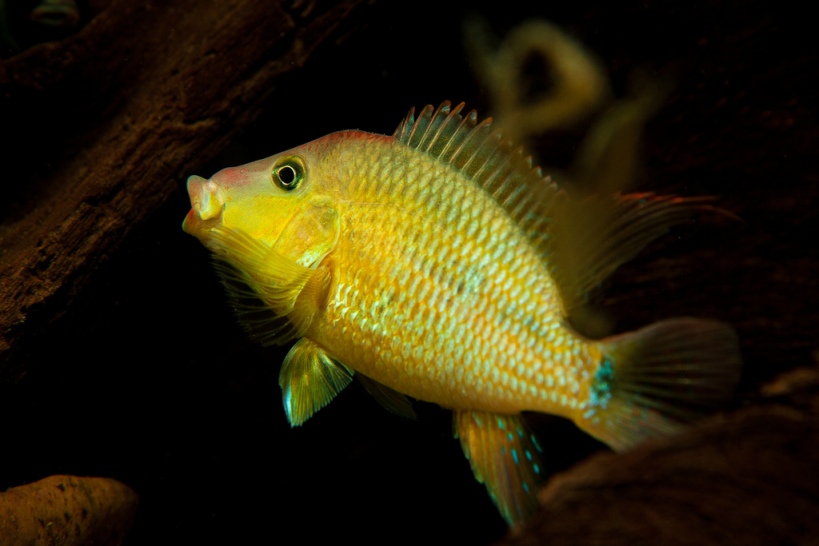
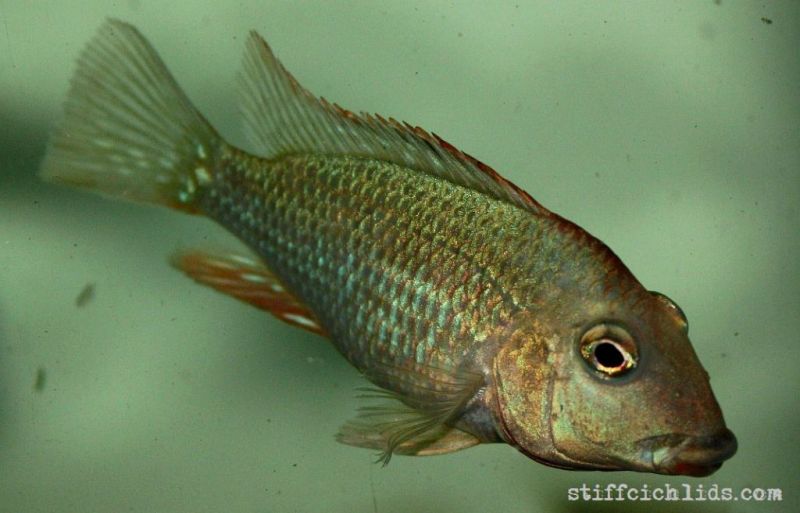
图片来自 SeriouslyFish,版权归各摄影者所有。
English
Overview
'Geophagus' steindachneri, the red hump eartheater, combines a conspicuous male forehead profile with strong male territoriality. Geographic color variation is attractive, but accommodation must first address conflict between males and pressure on females.
Distribution & habitat
It occurs in Colombia's Magdalena–Cauca and Sinu systems and Venezuela's Limon drainage, which enters Lake Maracaibo. Several habitats are used, with an apparent preference for forest streams, tributaries, and sandy backwaters.
Aquarium setup
Fine soft sand permits normal substrate processing. Coarse particles can obstruct feeding, damage gills, or be swallowed. Wood, roots, subdued lighting, and a few flat stones are suitable. Large quantities of leaves are impractical where feeding continually scatters decaying material into equipment.
Use established biological filtration and weekly water changes of approximately forty to seventy percent. Capture fine suspended particles and keep sand from repeatedly passing through pumps. Maintaining clean, stable water is fundamental.
Diet & feeding
It extracts small invertebrates, seeds, and organic material from substrate, although settled fish also rise for offered food. Feed fine quality preparations with small live or frozen portions; large chunks remain unsuitable even for adults. Three or four modest meals encourage the normal pattern of frequent browsing.
Behaviour & compatibility
Adult males strongly oppose rivals, especially around breeding. Keep only one male except in exceptionally large accommodation, with at least three females to distribute courtship pressure. Peaceful open-water companions are preferable to aggressive or territorial bottom dwellers.
Sexual dimorphism
Males become larger and develop longer tips on the unpaired fins. Mature individuals show a forehead hump that can become pronounced.
Breeding
The female incubates the brood orally. Pair association is brief and limited to spawning; one male may reproduce with several females. Small egg batches are laid on a firm surface within his territory, collected by the female, and fertilized through sperm released in front of her mouth.
She handles subsequent care, and breeders commonly move her to a separate aquarium. Incubation lasts about ten to fourteen days. Young may continue returning to her mouth for shelter for another week or longer after release. Swimming fry readily take Artemia nauplii and microworms.
Notes
The group's classification remains unresolved, and locality color forms may reflect additional related taxa. Preserve origin information rather than treating color alone as proof of identity.
来源
- https://www.seriouslyfish.com/species/geophagus-steindachneri(抓取于 2026-10-10)
geophagus-steindachneri · 文件: data/species/geophagus-steindachneri.md · 状态: 草稿