Geophagus sp. 'Pindaré'
概要
| 字段 | 值 |
|---|---|
| 类别 | 鱼 |
| 学名 | Geophagus sp. 'Pindaré' |
| 分类 | 慈鲷目 Cichliformes › 慈鲷科 Cichlidae › Geophagus |
| 水体 | 淡水 |
| 原产地 | 巴西 |
| 成体体长 | 15 cm |
| 饲养难度 | 中等 |
| 最小水体 | 304 L |
| 最小缸长 | 150 cm |
| 群居方式 | 群游 |
| 性情 | 温和 |
| 外部数据 | seriouslyfish geophagus-sp-pindare |
| 繁殖方式 | 口孵 |
| 领地性 | 是 |
水质参数
| 参数 | 耐受范围 | 最适范围 | 单位 |
|---|---|---|---|
| 水温 | 26–29 | — | °C |
| pH | 6–7 | — | — |
| 总硬度 | 1–8 | — | dGH |
概述
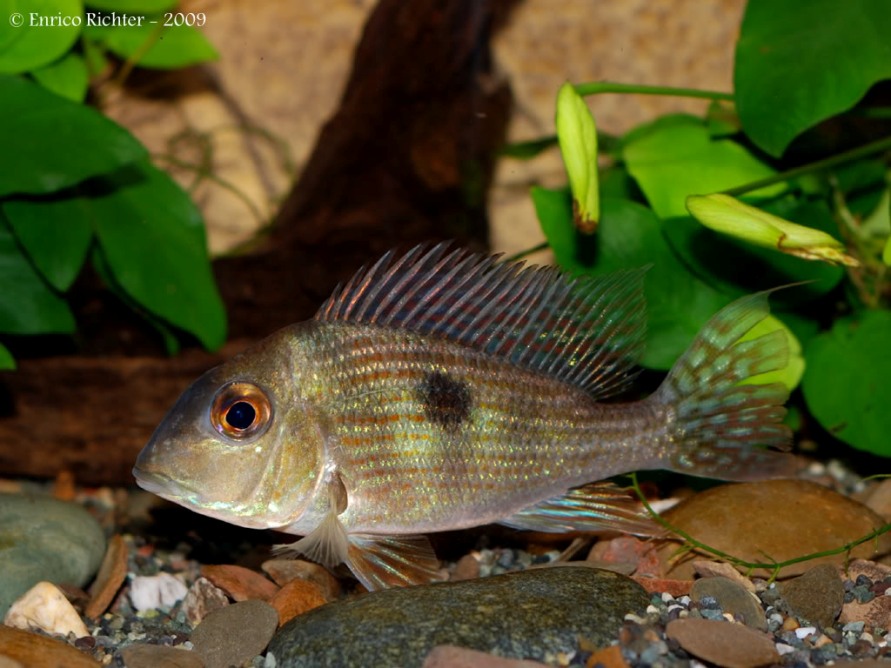
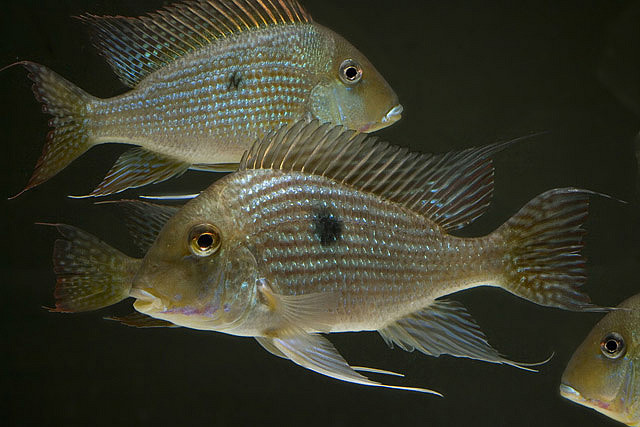
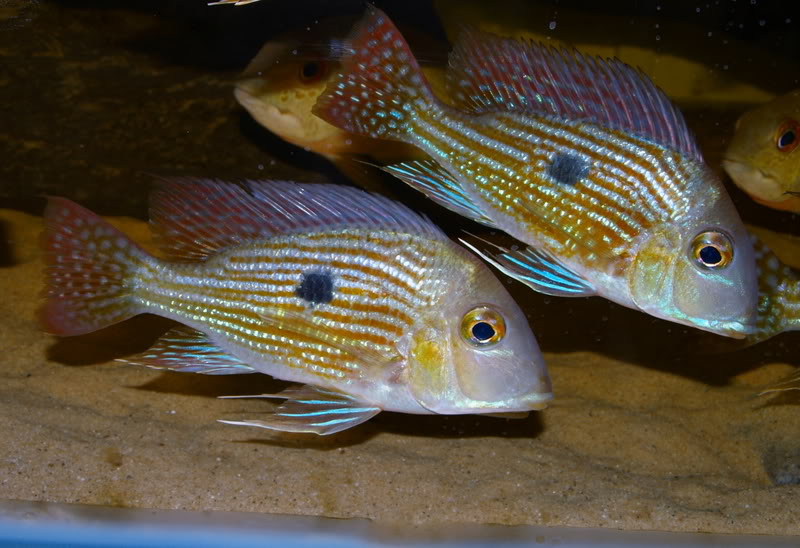
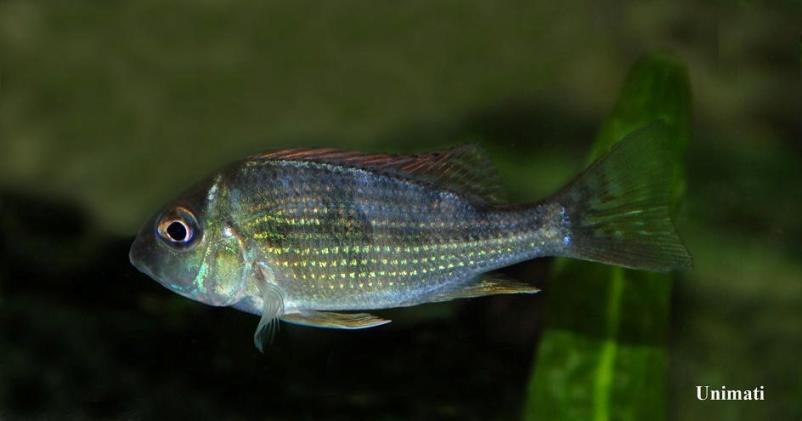
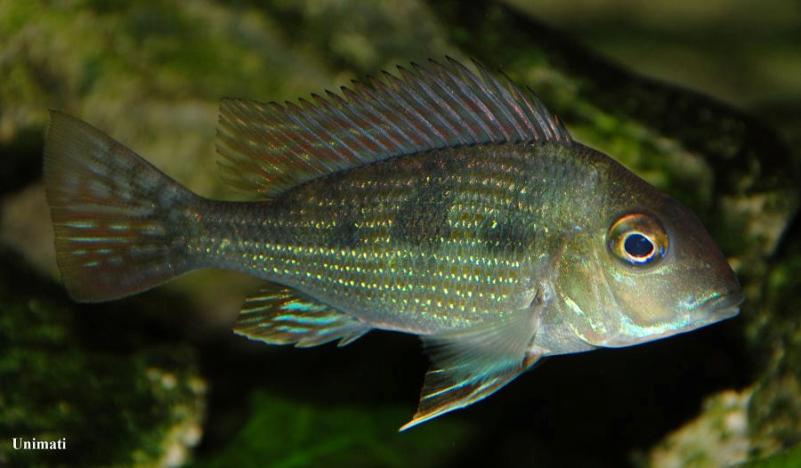
Geophagus sp. 'Pindaré' 是以巴西产地命名的暂定食土鲷,头部及身体较高,眼睛相对较大。它不是 Geophagus parnaibae,两种产地名混写的商品标签容易造成误认。
分布与栖息地
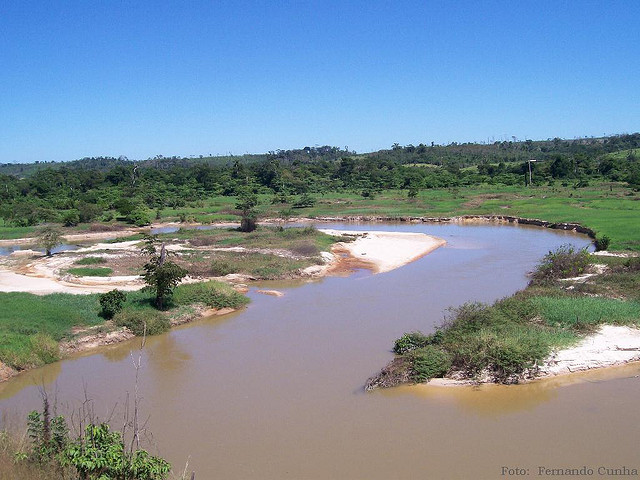
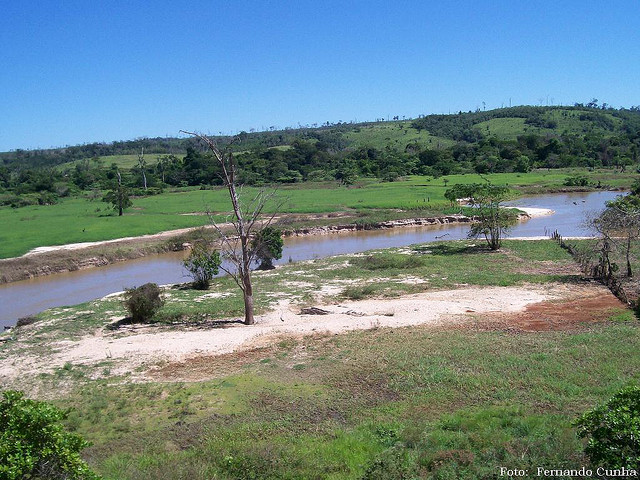
已知来自巴西马拉尼昂州的平达雷河,该河流向圣马科斯湾。部分河段曾因岸边植被清除和农业活动出现严重淤积。近亲多利用清水或黑水中的缓坡岸缘、岛边砂泥底,可能伴有根枝和落叶;这些属于近亲的环境参考,不应视作本种每个采集点的实测情况。
饲养环境
长期群养至少约 150 × 45 cm 底面积,铺柔软细砂。粗砾可能损伤鳃丝、妨碍筛食,甚至误吞后造成堵塞。弱光、沉木和树根可提供遮蔽,平滑扁石供产卵。大量落叶经翻动后会形成悬浮腐屑,可能堵塞设备。
必须使用成熟缸和稳定水质。外滤或底滤容量要充足,每周至少换水 50–70%;机械过滤截留扬起的细颗粒,同时避免砂粒不断进入水泵。出水应分散,避免过强水流。维护不足可能伴随头部、侧线侵蚀或发育受阻。
食性与喂食
同属鱼以吞砂筛食获取小型无脊椎动物、植物种子及碎屑。缸内适合细颗粒饲料、小型活饵或冻饵,并加入植物含量较高的配方。成年鱼也不适合大食块;每日分 3–4 次少量喂食,让食物大小与筛食习惯相配。
习性与混养
非繁殖期通常温和,避免与好斗、占据底部领域或偏好硬水的鱼混养。至少 5–8 条组成群体,等级关系较自然;太少可能使弱鱼反复受欺压或整群不安。幼鱼群聚倾向尤其明显。
雌雄区分
仅凭外观几乎无法可靠辨别,产卵时雌鱼产卵管较明显。
繁殖
这是先在硬表面产卵、孵化后再含仔的双亲口孵鱼。可让一群幼鱼自然配对,成熟可能至少需一年。亲鱼清理石面、木面或缸底后守卫,雌鱼分批产卵、雄鱼随后受精;雌鱼看护卵,雄鱼护卫周围。
约 72 小时孵化,幼鱼通常先由雌鱼含入口中,部分雄鱼也立即参与。后续可能两亲同时含仔、整窝轮换,或仅一方负责,个体分工差异很大。约 8–11 日龄自由游动,亲鱼逐渐延长放出觅食时间,遇险召回。仔鱼可吃粉末饲料、丰年虾无节幼体和微虫。混养环境中释放的仔鱼容易被捕食,育幼安排应提前准备。
补充说明
保留 Pindaré 暂名与产地信息比笼统使用其他食土鲷名称更有价值。高头、高体及相对大的眼睛是辨认线索,幼鱼仍不宜仅凭模糊照片定种。
图片
图片来自 SeriouslyFish,版权归各摄影者所有。
English
Overview
Geophagus sp. 'Pindaré' is retained under a provisional locality-based name. A deep head and body, together with proportionately large eyes, help distinguish it. It is separate from Geophagus parnaibae, despite sales labels that combine the two locality names.
Distribution & habitat
It is known from the Pindaré River in Maranhão, Brazil, draining toward São Marcos Bay. Removal of bankside vegetation and agricultural activity have caused serious sedimentation in parts of the river. Related eartheaters favor gently sloping sandy or muddy margins in clear or black water, sometimes with roots and leaves; these are comparative habitat clues rather than detailed observations of every Pindaré locality.
Aquarium setup
For a lasting group, allow at least about 150 × 45 cm of floor space. Fine soft sand enables sifting; gravel may interfere with feeding, injure gills, or cause problems when swallowed. Use subdued light, wood, roots, and optional flat spawning stones. Heavy leaf deposits can create suspended debris and obstruct equipment.
A mature aquarium and stable chemistry are essential. Combine generous external or sump filtration with weekly changes of at least 50–70%. Trap suspended particles mechanically, protect pumps from sand, and diffuse returns to prevent excessive currents. Poor maintenance may accompany head and lateral-line erosion or impaired growth.
Diet & feeding
Food records for the genus include small invertebrates, seeds, and debris obtained by sifting substrate. Supply fine prepared foods, small live or frozen items, and plant-rich formulations. Large morsels are unsuitable even for adults. Divide feeding into three or four small meals daily.
Behaviour & compatibility
Usually peaceful outside reproduction, it should be protected from aggressive bottom-territory holders and kept with companions sharing its water requirements. A group of five to eight or more supports normal hierarchy formation. Smaller groups may remain nervous or expose weaker fish to sustained harassment. Juveniles particularly favor company.
Sexual dimorphism
External sexing is highly unreliable except when the female's ovipositor appears during spawning.
Breeding
This fish deposits eggs on a surface and begins mouthbrooding after hatching. Allow juveniles to pair naturally; maturity may take at least a year. Parents clean and defend a stone, wood surface, or exposed tank floor. The female tends the eggs while the male guards the surrounding area.
Hatching occurs after approximately 72 hours. The female normally gathers the larvae, although males sometimes help immediately. Later arrangements range from shared holding or brood exchanges to care by only one parent.
Young swim freely at about eight to eleven days. Parents gradually extend feeding excursions and retrieve fry when danger appears. Powdered foods, brine shrimp nauplii, and microworms are suitable. Plan rearing space in advance because released fry are vulnerable in mixed aquariums.
Notes
Retain the Pindaré label and provenance. Its deep profile and large eyes are useful clues, but vague juvenile photographs are an inadequate basis for confident identification.
来源
- https://www.seriouslyfish.com/species/geophagus-sp-pindare(抓取于 2026-10-10)
geophagus-sp-pindare · 文件: data/species/geophagus-sp-pindare.md · 状态: 草稿