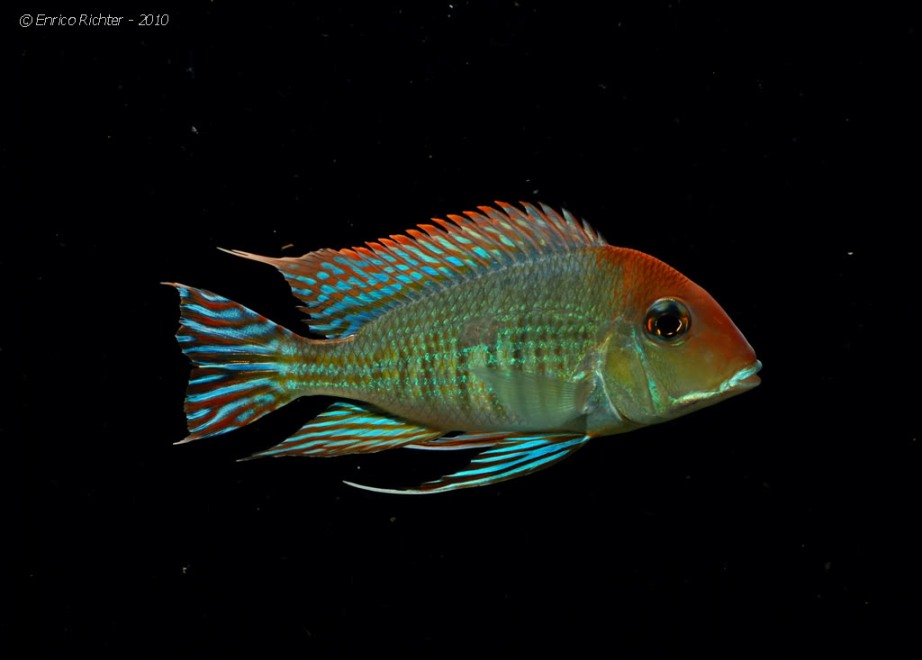
Geophagus sp. 'orange head'
概要
| 字段 | 值 |
|---|---|
| 类别 | 鱼 |
| 学名 | Geophagus sp. 'orange head' |
| 分类 | 慈鲷目 Cichliformes › 慈鲷科 Cichlidae › Geophagus |
| 水体 | 淡水 |
| 原产地 | 巴西 |
| 成体体长 | 25 cm |
| 饲养难度 | 中等 |
| 最小水体 | 648 L |
| 最小缸长 | 180 cm |
| 群居方式 | 群游 |
| 性情 | 温和 |
| 外部数据 | seriouslyfish geophagus-sp-orange-head |
| 繁殖方式 | 口孵 |
| 领地性 | 是 |
水质参数
| 参数 | 耐受范围 | 最适范围 | 单位 |
|---|---|---|---|
| 水温 | 26–30 | — | °C |
| pH | 4.5–7.5 | — | — |
| 总硬度 | 1–10 | — | dGH |
概述
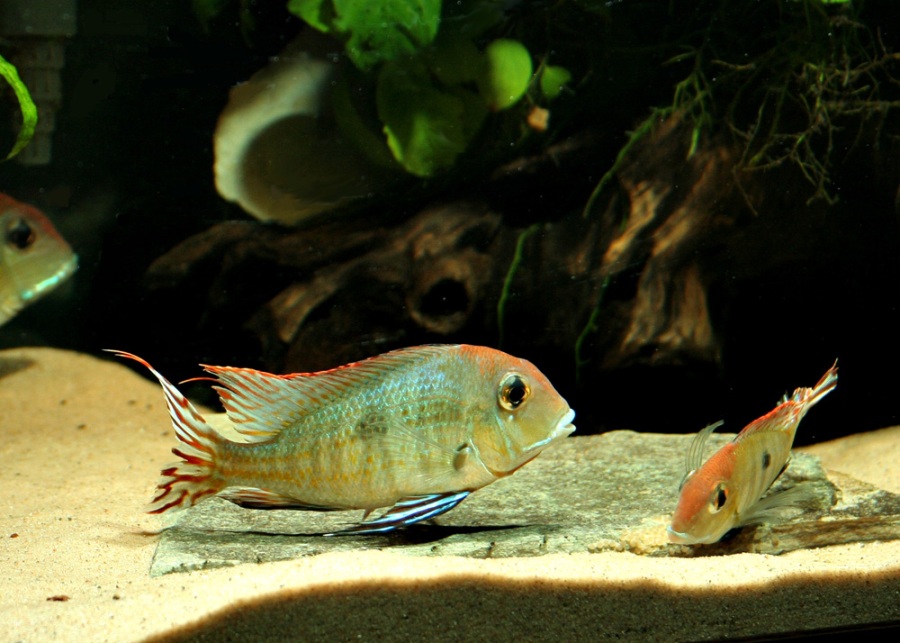
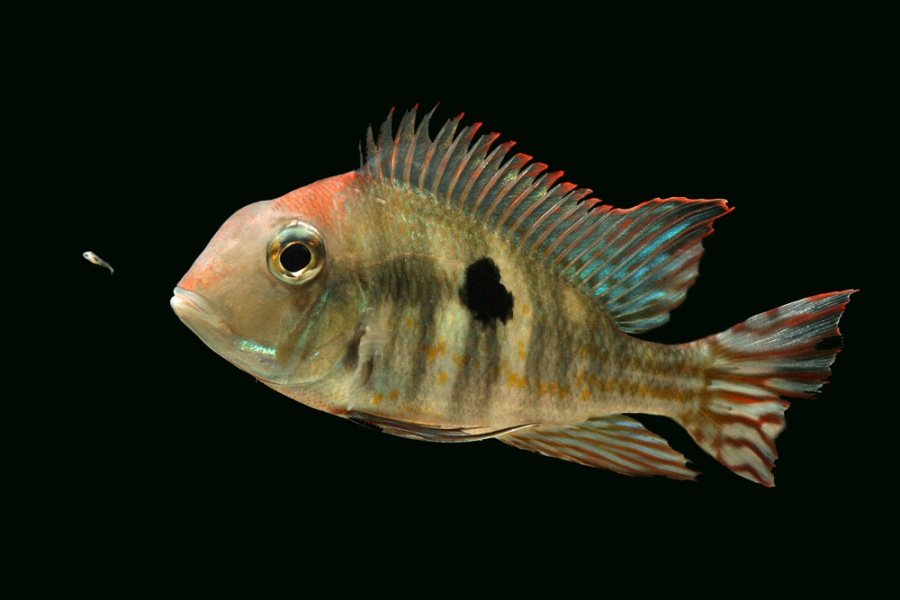
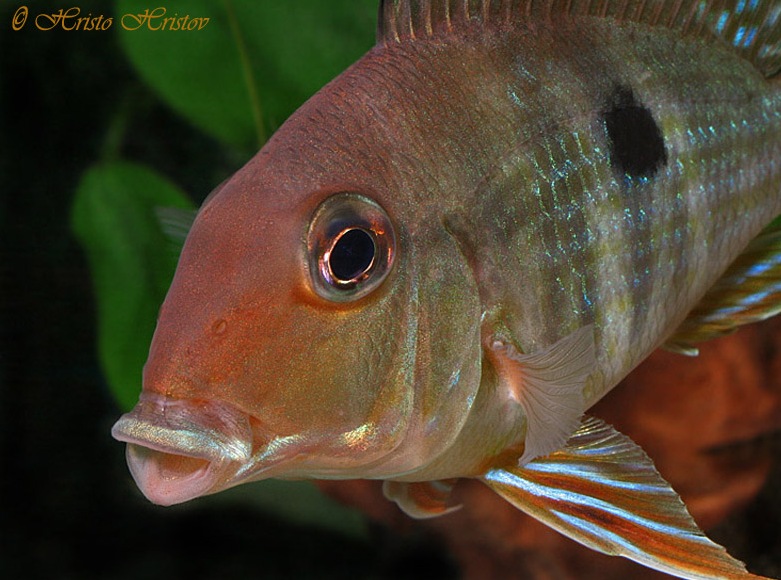
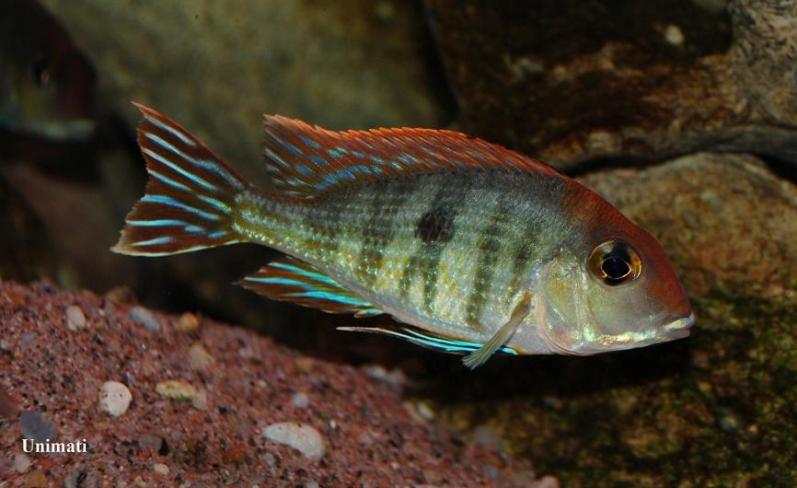
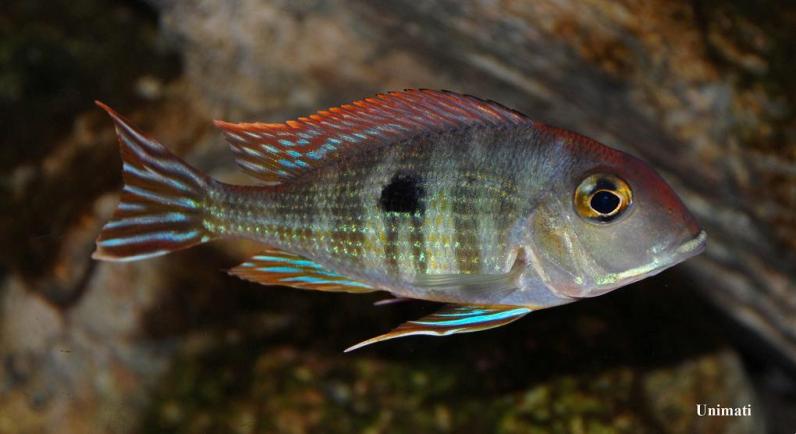
Geophagus sp. 'orange head' 是以橙红头色闻名的塔帕若斯河食土鲷,适合在大型成熟缸内群养。头色会随年龄、性别和社会地位变化,优势成年雄鱼通常最鲜艳。本条保留暂定学名,商品中的“Araguaia”并不代表真正产地。
分布与栖息地
分布限于巴西塔帕若斯河下游及支流阿拉皮温斯河,不能据误标商品名扩展到阿拉瓜亚河或欣古河。阿拉皮温斯型来自矿物含量低、偏酸的黑水;干流型所在水域较接近中性,有时含较多悬浮物。两者都利用岸缘或岛边缓坡的柔软砂泥底。
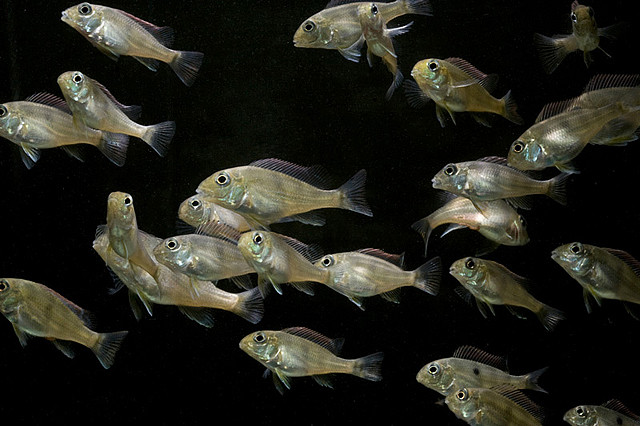
汇流处也有清澈、中等流速、白砂与大石交错的观察记录,非繁殖个体可聚成约 20 条的小群,成对游动的成鱼也可见。不同采集背景应分开理解。
饲养环境
长期群养至少约 180 × 60 cm 的底面积。柔软细砂不可省略,粗砾会妨碍筛食、伤鳃或误吞造成堵塞。弱光、根枝沉木和少量平滑扁石即可;过多落叶被反复翻动会形成悬浮碎屑,堵塞过滤设备。
不要放入未成熟缸。以容量充足的外滤或底滤维持稳定水质,每周至少换水 50–70%。机械过滤要截留细颗粒,进水及泵体防止砂粒持续磨损;分散出水,避免强劲直冲。长期维护不足可伴随头部、侧线侵蚀和生长受阻。
食性与喂食
同属鱼通过含砂、筛食再排砂获得小型无脊椎动物、种子与有机碎屑。缸内以细颗粒饲料配合小型活饵、冻饵,部分配方应富含植物成分。成年鱼也不宜吃大块食物。每天分 3–4 次少量投喂,较符合持续觅食习惯。
习性与混养
平时温和,繁殖护幼时另当别论。宜至少养 5–8 条,数量太少容易使弱鱼持续受压或群体紧张。伙伴应同样平和、适应相近水质;避免好斗的底部领域鱼。食土鲷与淡水魟的混养曾有损失记录,不宜视为必然安全。
雌雄区分
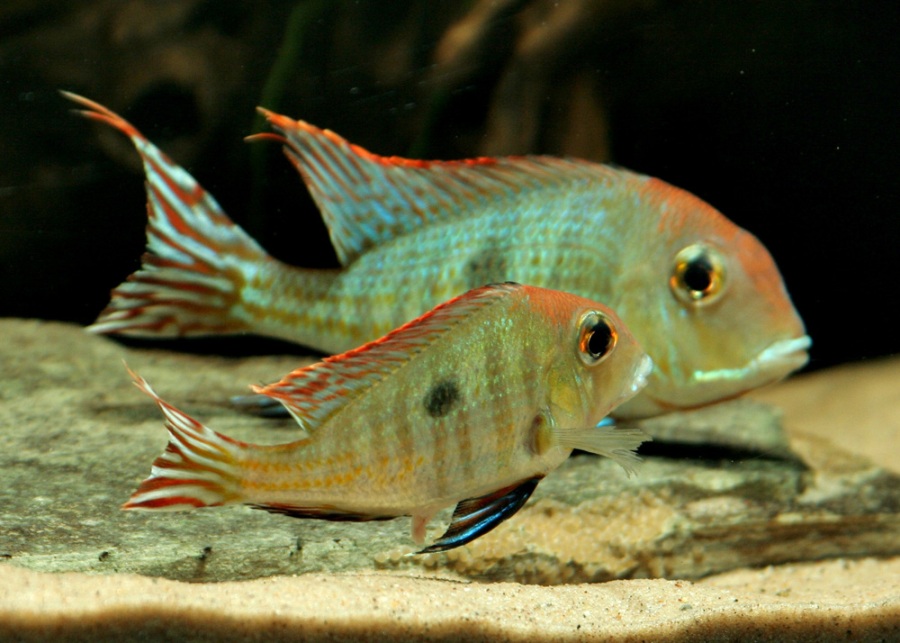
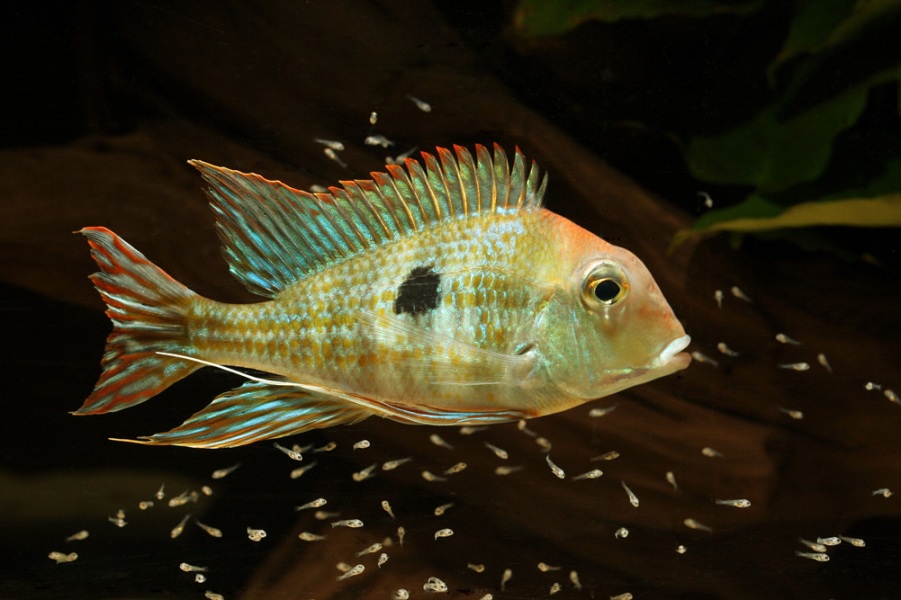
雄鱼通常更鲜艳、略大,鳍条延伸更长;部分优势雄鱼成熟后出现额瘤。头色强弱不能单独当作种源或性别证据。
繁殖
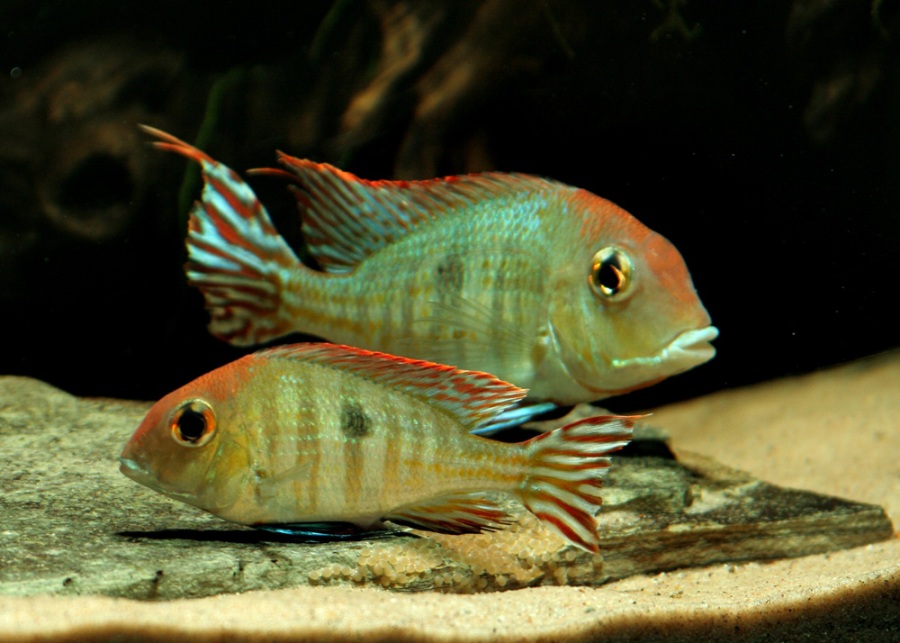
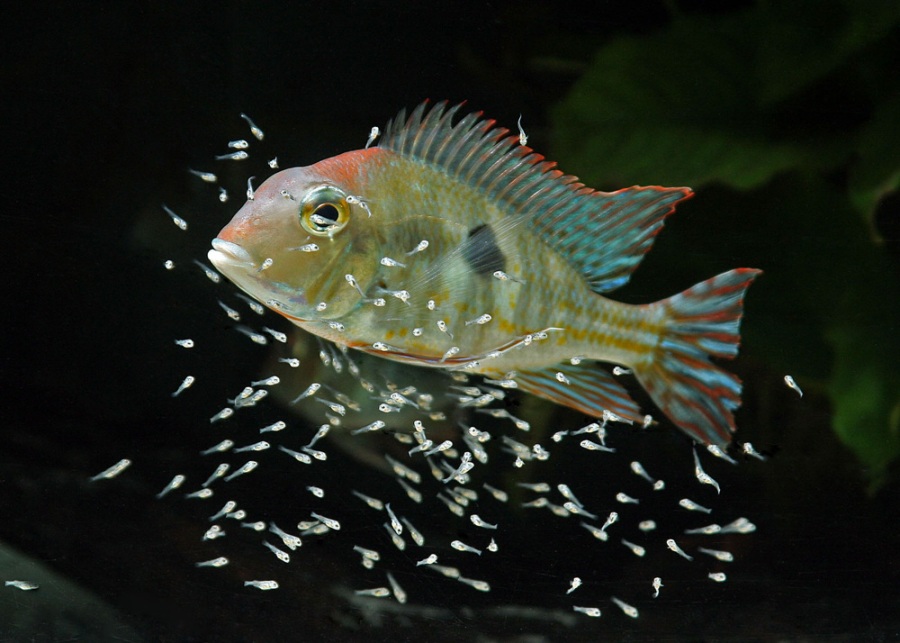
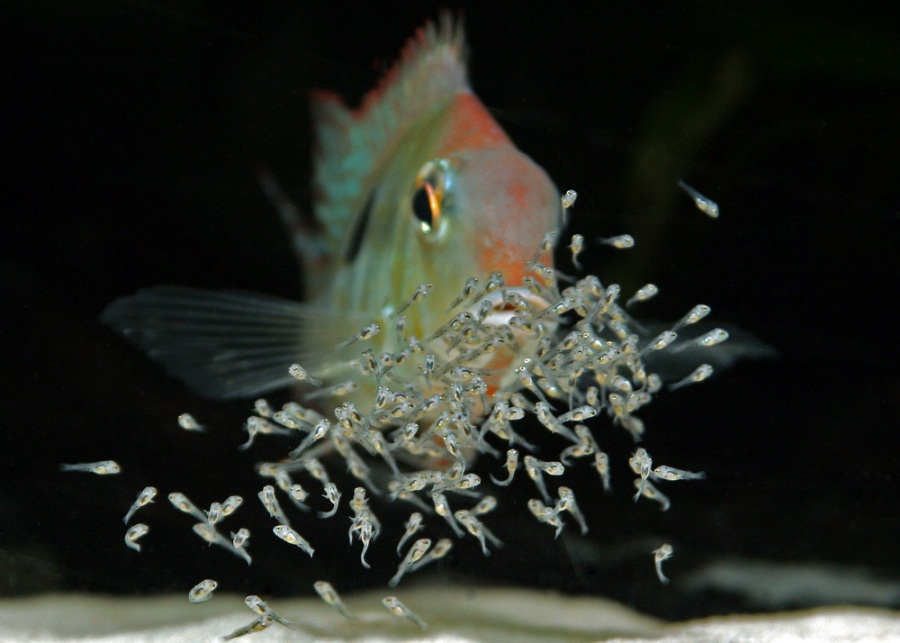
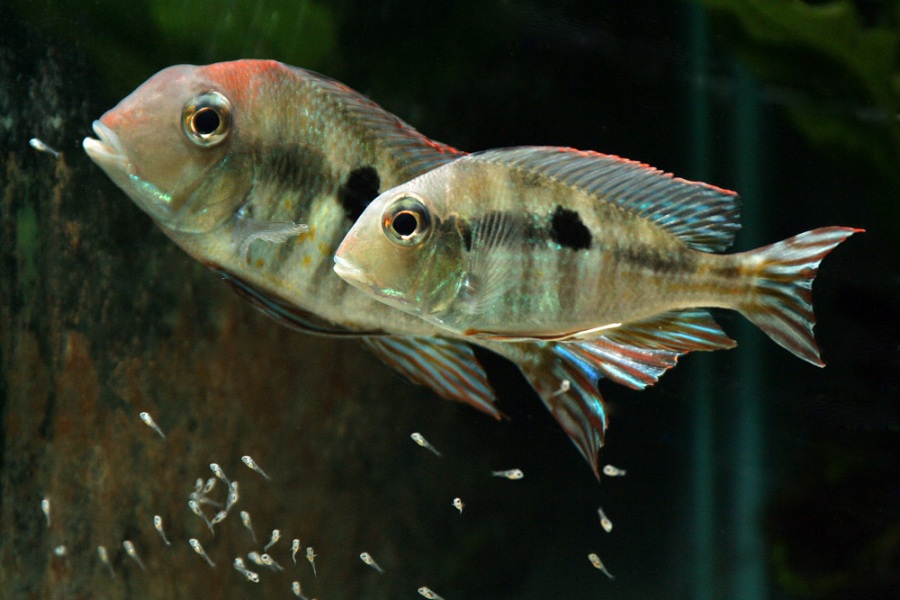
亲鱼先在清理后的石面、木面或缸底产卵并护卵,约 72 小时孵化后才含仔,是双亲口孵模式。可从幼鱼群开始自然配对,成熟可能至少需一年。
雌鱼通常靠近卵,雄鱼守卫外围。幼鱼孵化后常由雌鱼先含入口,后续可双亲共同含仔或轮换,也可能只剩一方照顾。约 8–11 日龄自由游动,亲鱼逐步延长放出觅食时间,遇险召回。仔鱼可吃粉末饲料、丰年虾无节幼体和微虫;混养缸中释放的幼鱼易被捕食,应预留育幼空间。
补充说明
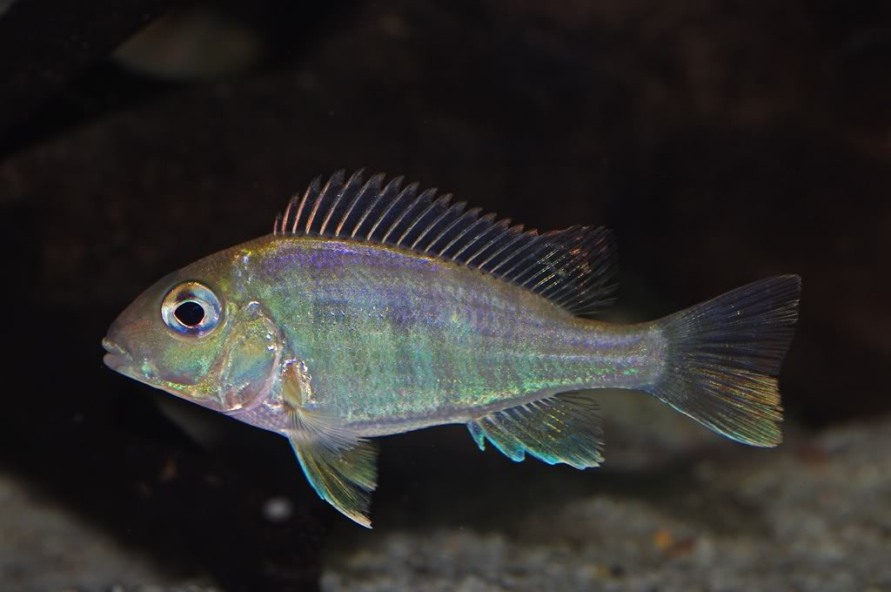
阿拉皮温斯型的橙色可延伸到鳃盖,背鳍与尾鳍间背部还有较完整的橙色带;塔帕若斯干流型的头色多集中在眼睛上方。两型差异也受成长和地位影响。购买人工繁殖鱼时应检查体形及鳍部发育,并保留可靠种源记录。
图片
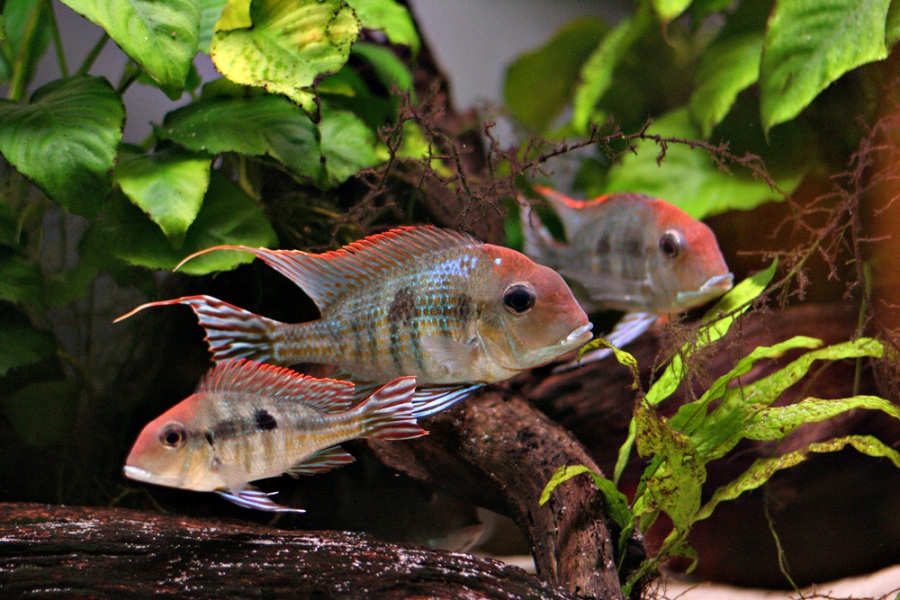
图片来自 SeriouslyFish,版权归各摄影者所有。
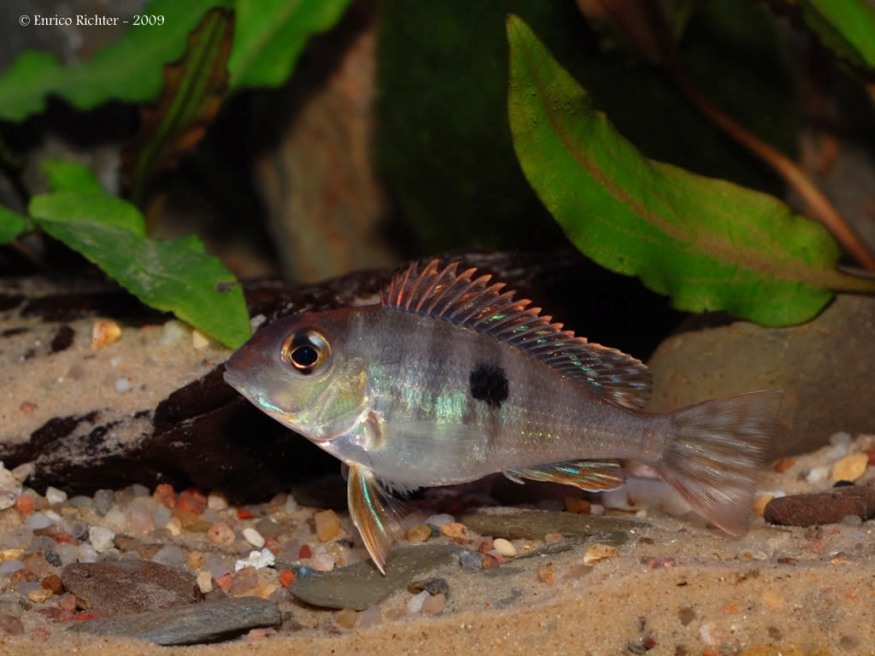
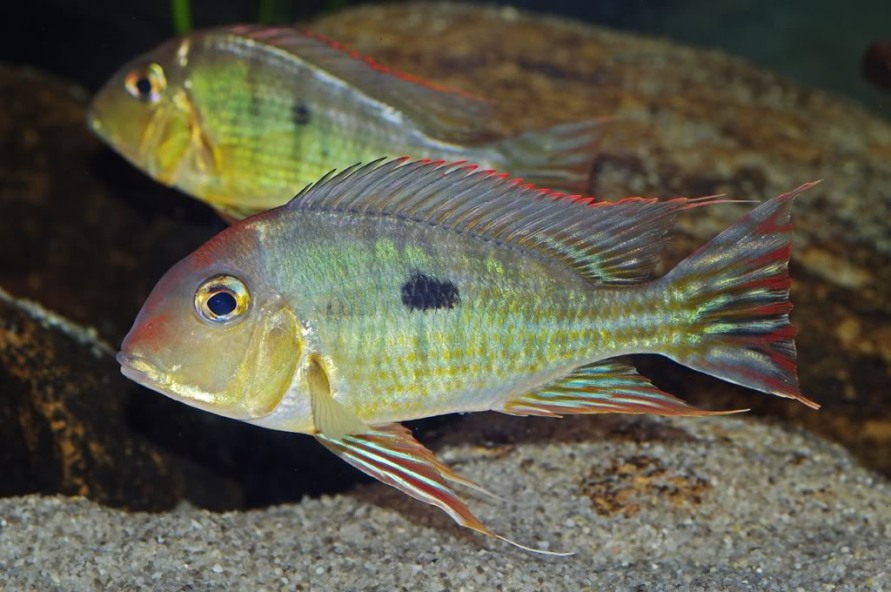
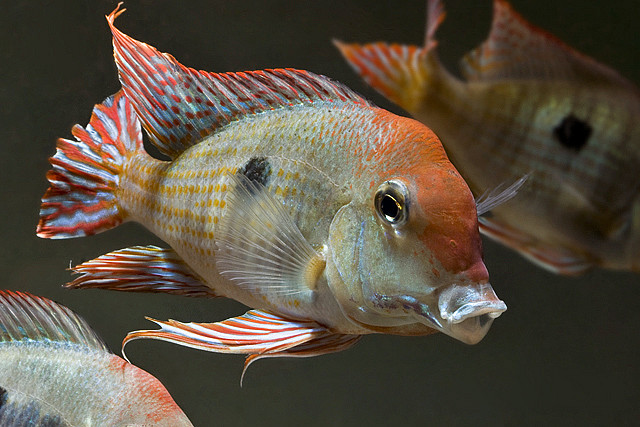
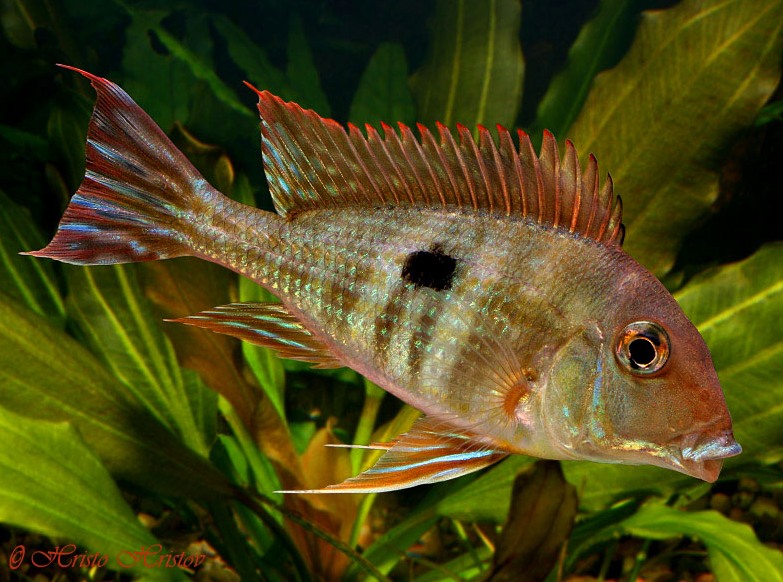
English
Overview
Geophagus sp. 'orange head' is a Tapajós eartheater distinguished by orange to red coloration on the head. It needs a large, mature aquarium and conspecific company. Color intensity changes with age, sex, and rank, with dominant adult males generally showing the strongest pigmentation. The provisional scientific label is retained here.
Distribution & habitat
Its range is restricted to the lower Tapajós and its Arapiuns tributary in Brazil. The misleading Araguaia sales label does not establish a population in that river or the Xingu.
The Arapiuns form inhabits acidic, mineral-poor black water. Main-channel fish encounter softer water closer to neutral, sometimes with substantial suspended material. Both use gently sloping sandy or muddy margins. Observations near the rivers' junction also include clear, moderately flowing water over boulders and white sand, with pairs and nonbreeding groups of up to about twenty.
Aquarium setup
A long-term group requires a footprint of at least around 180 × 60 cm. Provide soft sand; coarse gravel impairs sifting and can damage gills or cause problems if swallowed. Subdued lighting, roots, wood, and smooth flat stones are sufficient. Heavy leaf deposits become suspended debris during browsing and can obstruct filtration.
Use an established system with ample external or sump filtration and weekly water changes of at least 50–70%. Mechanical media should catch fine particles, and equipment should be protected against sand abrasion. Diffuse returns instead of creating forceful currents. Poor maintenance can be associated with head and lateral-line erosion or restricted growth.
Diet & feeding
Members of the genus sift substrate for small invertebrates, seeds, and organic debris. Feed fine prepared foods alongside small live or frozen items, including plant-rich formulations. Adults still need small morsels. Three or four small daily meals fit their browsing pattern.
Behaviour & compatibility
Generally peaceful outside breeding, it does best in groups of at least five to eight. Too few fish may remain nervous or leave subordinate individuals under persistent pressure. Choose peaceful companions with matching water needs and avoid aggressive bottom-territory holders. Losses have occurred when eartheaters were housed with freshwater stingrays, so that combination is not reliably safe.
Sexual dimorphism
Males tend to be larger, brighter, and longer-finned. Some dominant males develop a forehead hump. Head color alone cannot reliably establish sex or provenance.
Breeding
Parents clean and defend a hard surface, lay and fertilize eggs there, then begin mouthbrooding after hatching at approximately 72 hours. Start with juveniles and allow pairing; maturity may require at least a year.
The female usually tends the eggs while the male guards nearby. Subsequent mouthbrooding may be shared, exchanged between parents, or performed by only one. Young swim freely at about eight to eleven days, leaving their parents for progressively longer feeding periods and returning when threatened. Powdered foods, brine shrimp nauplii, and microworms are suitable. Arrange rearing space because companions can eat released fry.
Notes
Orange can extend onto the gill cover in the Arapiuns form, which also has an orange dorsal stripe between the dorsal and tail fins. Main-channel fish usually concentrate head color above the eyes. Inspect commercially bred fish for normal body and fin development and retain trustworthy stock records.
来源
- https://www.seriouslyfish.com/species/geophagus-sp-orange-head(抓取于 2026-10-10)
geophagus-sp-orange-head · 文件: data/species/geophagus-sp-orange-head.md · 状态: 草稿