野珠母丽鱼
概要
| 字段 | 值 |
|---|---|
| 类别 | 鱼 |
| 学名 | Geophagus proximus |
| 别名 | 野珠母麗魚、Chromys proxima |
| 分类 | 慈鲷目 Cichliformes › 慈鲷科 Cichlidae › Geophagus |
| 水体 | 淡水 |
| 原产地 | 巴西、秘鲁 |
| 成体体长 | 22.5 cm |
| 饲养难度 | 中等 |
| 最小水体 | 648 L |
| 最小缸长 | 180 cm |
| 群居方式 | 群游 |
| 性情 | 温和 |
| 外部数据 | seriouslyfish geophagus-proximus;fishbase 25780 |
| 食性 | 杂食 |
| 繁殖方式 | 口孵 |
水质参数
| 参数 | 耐受范围 | 最适范围 | 单位 |
|---|---|---|---|
| 水温 | 24–32 | — | °C |
| pH | 4–7 | — | — |
| 总硬度 | 1–10 | — | dGH |
概述
野珠母丽鱼(Geophagus proximus)是体型较大的群居慈鲷,适合宽敞、成熟而稳定的环境。真正的本种在贸易中少见,其名称却常被用在其他近似鱼身上,购买时应重视产地和多个鉴别特征。
分布与栖息地
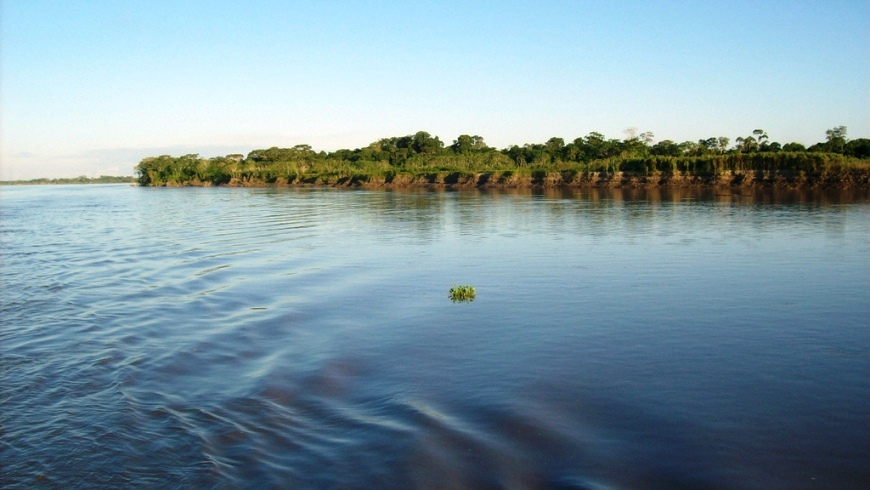
分布于秘鲁和巴西的亚马孙水系,从乌卡亚利河沿索利蒙伊斯河、亚马孙干流至特龙贝塔斯河附近,包括多条支流下游。多见于河流低地段、泛滥平原湖泊及部分永久黑水湖,据称偏好清水和黑水,而非浑浊白水。
饲养环境
柔软砂底不可缺少,粗砾会妨碍觅食并可能损伤鳃或导致误吞。用沉木、根枝和暗光布置,平石可提供产卵位置;大量落叶容易被翻成悬浮碎屑并堵塞过滤,不宜厚铺。
水质稳定比复杂造景更重要。必须待生物过滤成熟后入缸,使用充足过滤并每周换水约一半至七成。机械过滤拦截翻起的颗粒,避免砂反复进入设备;出水口应避免产生过强水流。
食性与喂食
食物包含小型无脊椎动物、植物种子和有机碎屑。成鱼也应选择细小食物,以优质细颗粒干粮配合小型活饵或冷冻饵,部分干粮需含植物成分。每天三至四次少量投喂,有助于持续觅食及维持状态。
习性与混养
非繁殖期通常较温和,宜至少五至八条群养。数量太少时,弱势鱼可能受持续排挤,也可能使整群紧张。避免强势、领地型底栖伙伴及偏好更硬水的鱼。一般小鱼并非主要猎物,但极小鱼苗仍有风险;与淡水魟混养也并非一概安全。
雌雄区分
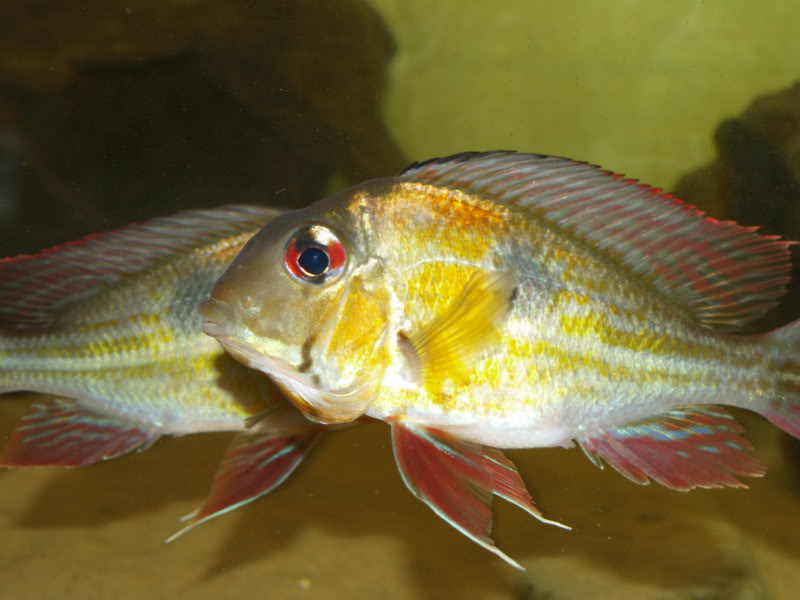
幼鱼难从外观准确判别。成熟雄鱼通常稍大、鳍较长,优势个体可能有额隆;雌鱼产卵时可见明显产卵管。
繁殖
已有人工繁殖记录,属于含卵型口孵。让幼鱼群自行配对,成熟可能需要至少一年。亲鱼清理硬表面并分批产卵受精,通常由雌鱼收卵,雄鱼负责外围防守。
雄鱼参与程度不固定,有些会共同含育或与雌鱼交换整窝,有些不参与,甚至驱赶雌鱼。幼鱼自由游动后逐步被放出口中摄食,受惊时再被收回。可喂细粉饲料、丰年虾幼体和微虫;混养缸中幼鱼离口后容易被同伴甚至同种吞食,需考虑隔离育幼。
补充说明
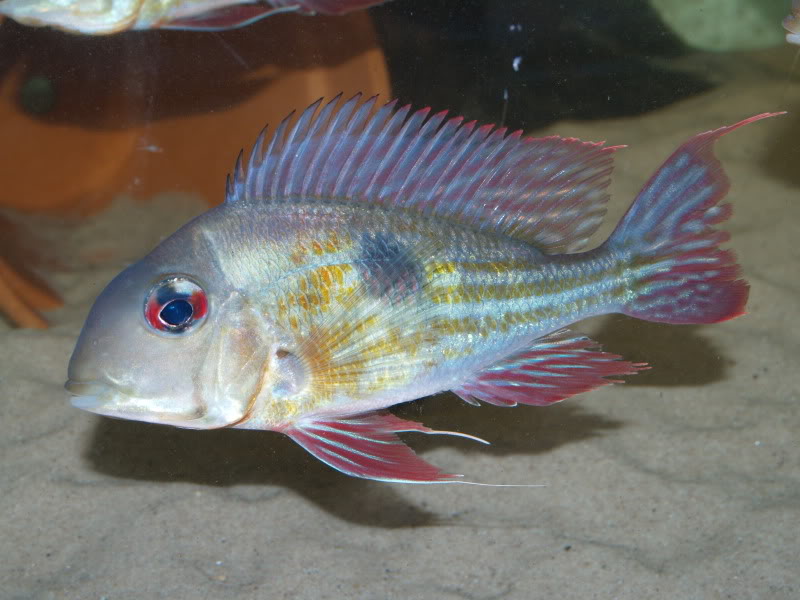
前鳃盖处的深色标记、较大的长方形侧斑和缺少体侧竖纹可辅助识别。不能仅凭经常被误用的商品学名确定身份。
图片
图片来自 SeriouslyFish,版权归各摄影者所有。
English
Overview
The large social cichlid Geophagus proximus needs ample space and an established, stable aquarium. True specimens are uncommon in trade, although the name frequently appears on other eartheaters. Identification should combine provenance with several visible characters.
Distribution & habitat
Its range extends through the Peruvian and Brazilian Amazon, from the Ucayali along the Solimoes–Amazon corridor toward the Trombetas, including lower tributaries. River margins, floodplain lakes, and permanent blackwater lakes are used. Clear and black waters are reportedly favored over turbid whitewater environments.
Aquarium setup
Provide soft sand rather than coarse gravel that can interfere with feeding or cause injury. Wood, roots, subdued lighting, and optional flat stones create a suitable arrangement. Heavy leaf litter tends to become suspended debris during foraging and may clog equipment.
Mature biological filtration and stable chemistry are essential. Use substantial filtration, change roughly fifty to seventy percent of the water weekly, and capture disturbed particles before sand repeatedly reaches pumps. Direct returns to avoid excessive current.
Diet & feeding
Small invertebrates, plant seeds, and organic material form the natural menu. Feed fine preparations and small live or frozen foods even to adults, including vegetable-rich products in the rotation. Three or four small daily portions better support continuous browsing than a single large meal.
Behaviour & compatibility
Outside reproduction it is usually gentle. Maintain at least five to eight; fewer may become nervous or leave weaker fish exposed to persistent pressure. Avoid aggressive bottom-dwelling species and companions needing harder water. Tiny fry remain vulnerable despite tolerance of most small fishes. Freshwater stingray combinations have not always been safe.
Sexual dimorphism
External sexing is unreliable in juveniles. Mature males tend to be a little larger with longer fins, and dominant fish may develop a forehead swelling. Females show a conspicuous ovipositor during spawning.
Breeding
Captive breeding is established, with eggs incubated in the mouth. Let partners form from a juvenile group and allow at least a year for maturity. A cleaned firm surface receives successive batches of eggs, normally collected by the female while the male defends the area.
Male participation varies: some share oral incubation or exchange the brood, while others contribute little or drive the female away. Swimming young are gradually released to feed and retrieved when danger is perceived. They accept powdered foods, Artemia nauplii, and microworms. Protected rearing space is advisable where community residents, including conspecifics, can take released fry.
Notes
A dark preopercular mark, relatively large oblong flank blotch, and absence of vertical flank bars help distinguish it. A commonly misapplied sales name alone is insufficient identification.
来源
- https://www.seriouslyfish.com/species/geophagus-proximus(抓取于 2026-10-10)
geophagus-proximus · 文件: data/species/geophagus-proximus.md · 状态: 草稿