Geophagus parnaibae
概要
| 字段 | 值 |
|---|---|
| 类别 | 鱼 |
| 学名 | Geophagus parnaibae |
| 分类 | 慈鲷目 Cichliformes › 慈鲷科 Cichlidae › Geophagus |
| 水体 | 淡水 |
| 原产地 | 巴西 |
| 成体体长 | 12 cm |
| 饲养难度 | 中等 |
| 最小水体 | 203 L |
| 最小缸长 | 100 cm |
| 群居方式 | 群游 |
| 性情 | 温和 |
| 外部数据 | seriouslyfish geophagus-parnaibae;fishbase 62820 |
| 繁殖方式 | 口孵 |
| 领地性 | 是 |
水质参数
| 参数 | 耐受范围 | 最适范围 | 单位 |
|---|---|---|---|
| 水温 | 24–31 | — | °C |
| pH | 6.5–7.6 | — | — |
| 总硬度 | 2–10 | — | dGH |
概述
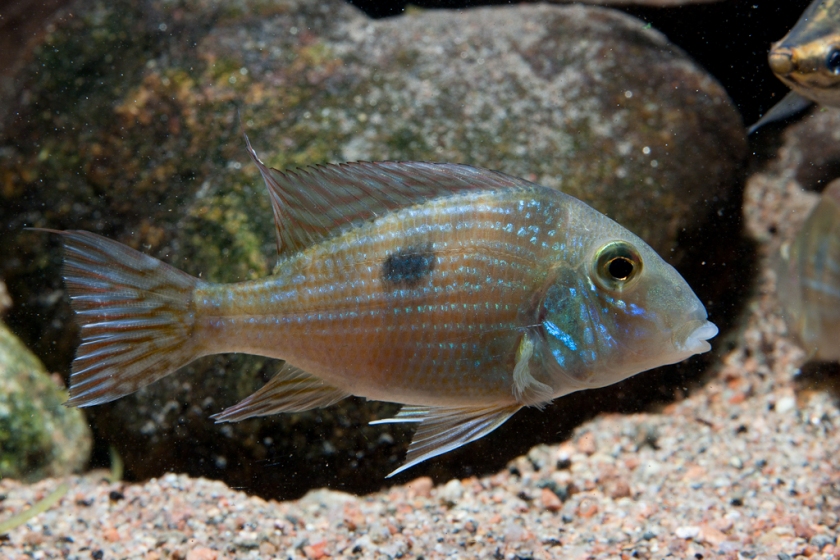
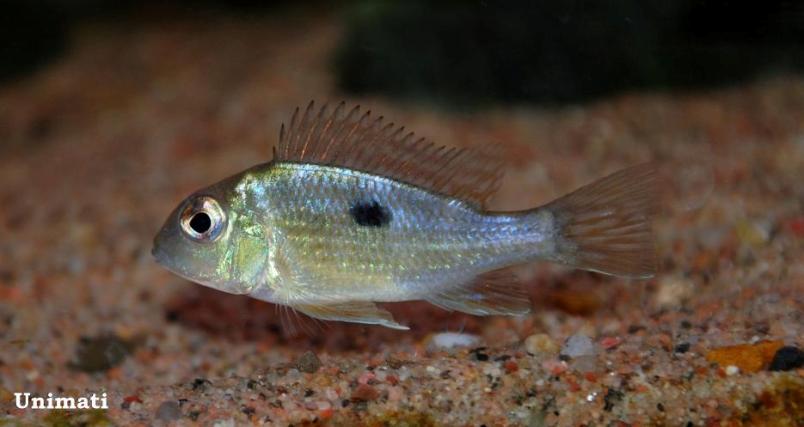
Geophagus parnaibae 是巴西东北部体型较小的食土鲷,以柔软细砂为日常觅食场所。它通常温和、喜欢同伴,但繁殖时会护卫产卵地点。尾鳍交替排列的栗红色与浅色横纹有助于辨认。
分布与栖息地
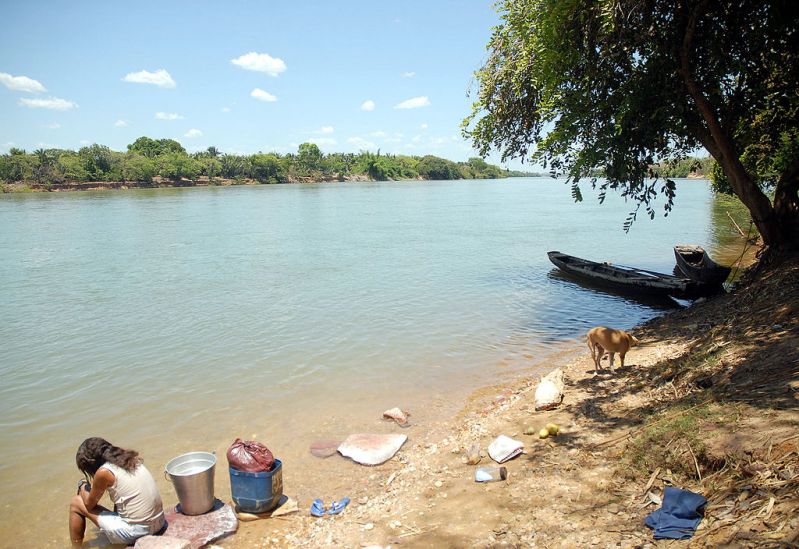
原生于巴西皮奥伊州与马拉尼昂州的巴纳伊巴河水系,采集点包括多条支流。常见环境为砂底小支流,雨季水流可以较强;旱季也可出现在接近静水的池潭,不能只按急流鱼布置。
饲养环境
底面积至少约 100 × 45 cm。必须铺柔软细砂,砾石会妨碍筛砂觅食,还可能伤及鳃丝或误吞后造成堵塞。弱光、沉木和树根能提供遮蔽;可加入平滑扁石作产卵面。落叶虽见于野外,但筛砂会扬起腐屑并堵塞设备,不宜大量使用。
只放入成熟、稳定的缸。使用容量充足的外滤或底滤,每周换水至少 50–70%,并让机械过滤截留扬起的细颗粒;避免砂粒长期进入水泵,也不要让出水形成过强水流。水质恶化或维护不足可伴随头部、侧线侵蚀及生长问题。
食性与喂食
同属鱼通过吞入口底质、筛出食物再排砂来觅食,野外食物包括小型无脊椎动物、种子和有机碎屑。缸内应提供细颗粒优质饲料、小型活饵或冻饵,并搭配含螺旋藻等植物成分的食品;成年鱼也不适合过大的食块。每天分 3–4 次少量投喂,比一次大量喂食更符合持续觅食方式。
习性与混养
非繁殖期通常温和,适合同样需要软水、性情平和的伙伴;避开霸占底部领域或好斗的鱼。至少养 5–8 条,让群体建立等级。数量过少可能导致弱鱼持续受压,或全群紧张。幼鱼尤其依赖群体。
雌雄区分
平时没有可靠的外观差异,产卵时可见雌鱼产卵管。
繁殖
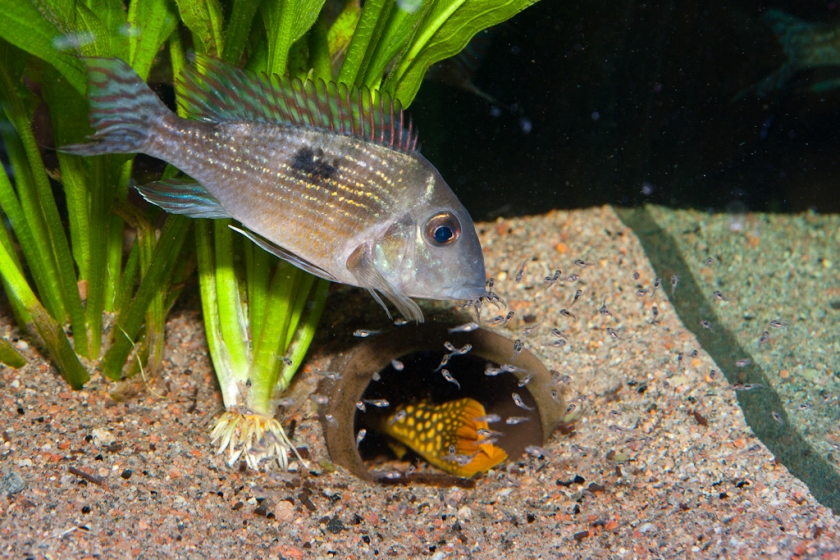
本种先在硬表面产卵,再进行双亲口孵。宜从一群幼鱼开始自然配对,性成熟可能至少需要一年。亲鱼会清理并守卫石面或木面,分批产卵、受精,一窝最多约 200 粒。
一般由雌鱼先含卵、雄鱼护卫周围,也可能双方从开始就参与,或雄鱼驱开雌鱼独自照顾。育幼分工有明显个体差异,不能强求固定模式。幼鱼能游动后,双方可能轮换整窝或同时口孵。
在 25–28 °C 时,幼鱼约 8–11 日龄开始自由游动,亲鱼逐渐延长放出觅食时间,遇险又召回口中。仔鱼可吃粉末饲料、丰年虾无节幼体和微虫。混养缸内放出的幼鱼易被其他鱼、包括同种吃掉,若希望提高存活率,应预先安排育幼空间。
补充说明
本种与暂名 Geophagus sp. 'Pindaré' 的鱼并非同一种,产地也不同。“Parnaíba”与“Pindaré”混用的商品标签不能作为鉴定依据;保留采集水系信息更可靠。
图片
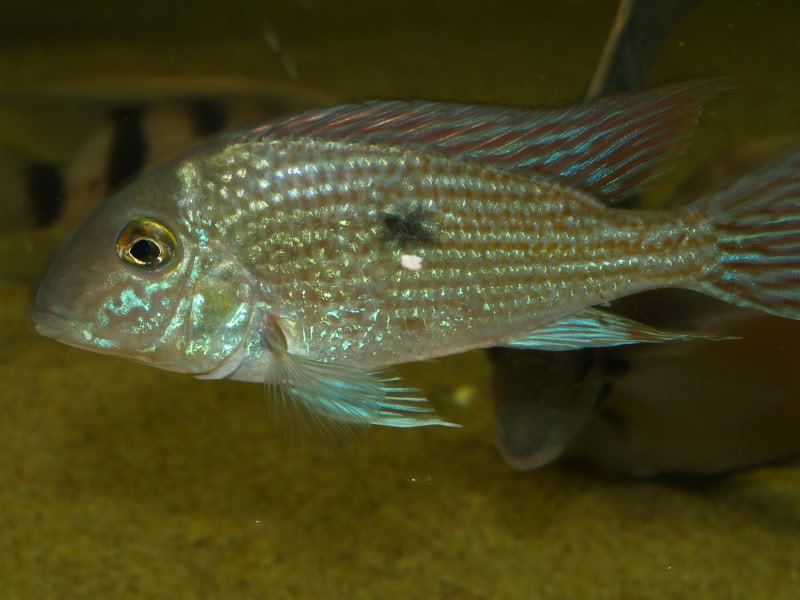
图片来自 SeriouslyFish,版权归各摄影者所有。
English
Overview
Geophagus parnaibae is a relatively small eartheater from northeastern Brazil. Soft sand supports its routine feeding behavior, while a group provides important social contact. Alternating pale and maroon horizontal bands on the tail help distinguish it from related fish.
Distribution & habitat
Its native range is the Parnaíba drainage in Brazil's Piauí and Maranhão states, including several tributaries. Sandy small streams are typical. Currents may strengthen during the rains, but dry-season records also include pools with almost no flow.
Aquarium setup
Provide a footprint of about 100 × 45 cm or larger. Fine, soft sand is essential: coarse gravel interferes with sifting and can injure gills or cause trouble if swallowed. Dim light, wood, and roots provide cover; smooth flat stones offer possible spawning surfaces. Large accumulations of leaves are impractical because sifting suspends decaying debris that can clog equipment.
Use an established aquarium with stable chemistry. Generous canister or sump filtration and weekly changes of at least 50–70% help maintain water quality. Mechanical filtration should capture suspended particles, while pumps and intakes need protection from continual sand entry. Arrange returns to avoid excessive currents. Poor maintenance can be associated with head and lateral-line erosion or impaired growth.
Diet & feeding
Eartheaters sift mouthfuls of substrate, retaining food and expelling the remaining material. Natural diets reported for the genus include small invertebrates, seeds, and organic debris.
Offer fine prepared foods alongside small live or frozen items, including plant-rich preparations such as spirulina foods. Large morsels are unsuitable even for adults. Three or four small meals each day suit their sustained browsing better than one large feeding.
Behaviour & compatibility
Outside breeding, this is generally a peaceful fish for companions with similar water requirements. Avoid aggressive fish that monopolize the bottom. Keep at least five to eight together so a hierarchy can develop; undersized groups can leave weaker fish under persistent pressure or make the whole group nervous. Juveniles show especially strong grouping behavior.
Sexual dimorphism
Reliable external differences are absent except for the female's visible ovipositor during spawning.
Breeding
Eggs are deposited on a cleaned solid surface before being taken into the mouth. Begin with juveniles and allow pairs to form; maturity may take at least a year. Parents defend their chosen stone or wood surface, and a clutch can reach about 200 eggs.
Usually the female initially holds the eggs while the male guards the area. Other arrangements occur: both may participate immediately, or a male may displace the female and care for the brood himself. Later care can involve simultaneous mouthbrooding or exchanges of the entire brood.
At 25–28 °C, young begin swimming freely at about eight to eleven days. Parents release them for progressively longer feeding periods and retrieve them when threatened. Powdered foods, brine shrimp nauplii, and microworms are suitable from this stage. Released fry are vulnerable to companions, including other conspecifics, so plan separate rearing space when survival is a priority.
Notes
The provisional Geophagus sp. 'Pindaré' is a distinct fish from a different drainage. Confused Parnaíba and Pindaré sales labels cannot establish identity; locality information is valuable.
来源
- https://www.seriouslyfish.com/species/geophagus-parnaibae(抓取于 2026-10-10)
geophagus-parnaibae · 文件: data/species/geophagus-parnaibae.md · 状态: 草稿