Geophagus megasema
概要
| 字段 | 值 |
|---|---|
| 类别 | 鱼 |
| 学名 | Geophagus megasema |
| 分类 | 慈鲷目 Cichliformes › 慈鲷科 Cichlidae › Geophagus |
| 水体 | 淡水 |
| 原产地 | 玻利维亚、巴西 |
| 成体体长 | 17.5 cm |
| 饲养难度 | 中等 |
| 最小水体 | 648 L |
| 最小缸长 | 180 cm |
| 群居方式 | 群游 |
| 性情 | 温和 |
| 外部数据 | seriouslyfish geophagus-megasema;fishbase 57714 |
| 领地性 | 是 |
| 繁殖方式 | 口孵 |
水质参数
| 参数 | 耐受范围 | 最适范围 | 单位 |
|---|---|---|---|
| 水温 | 22–30 | — | °C |
| pH | 5.5–7.5 | — | — |
| 总硬度 | 1–15 | — | dGH |
概述
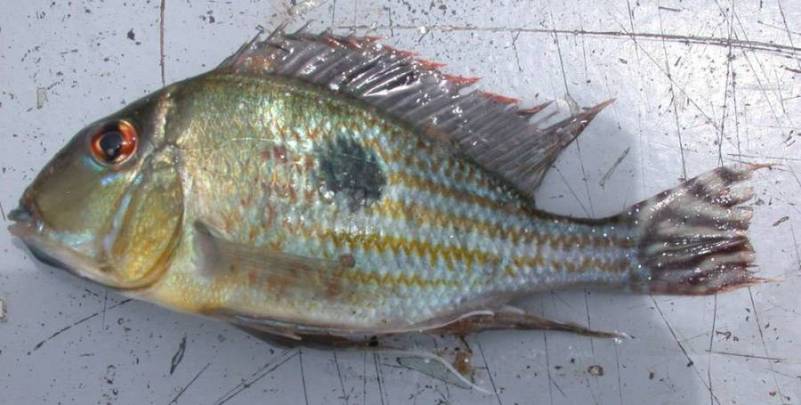
Geophagus megasema 是马德拉河上游水系的群居筛砂慈鲷,体侧有较大的近圆形黑斑,而缺少竖带。它需要细软底砂及稳定水质,亲鱼会从卵阶段开始口孵。
分布与栖息地
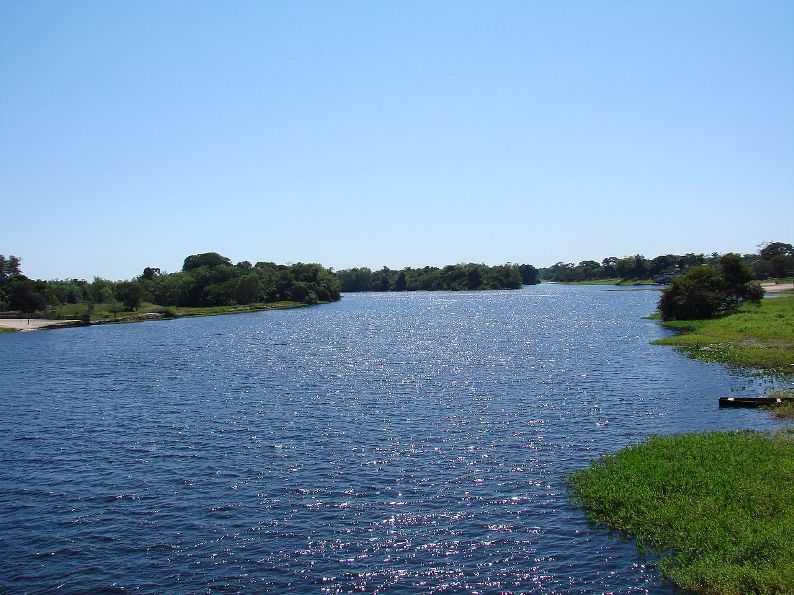
记录来自玻利维亚和巴西的马莫雷河、瓜波雷河水系,后者在玻利维亚称伊特内斯河。似乎特有于马德拉河上游区域。
具体生境资料有限,推测与近缘鱼类似,利用岸边或岛边缓坡的砂泥底,附近可有石块、根枝和落叶。
饲养环境
至少 180 × 60 cm 的缸底空间。柔软细砂供正常筛食,粗砾可能伤鳃或被误吞。弱光、沉木根枝及少量平石可提供遮蔽与潜在产卵点。
不宜堆积大量腐叶,避免筛砂扬起碎屑后堵塞设备。成熟生物过滤、细颗粒截留及防砂进入水泵均很重要,每周至少换水 50%–70%,避免水质骤变和强流直接冲击。
食性与喂食
同属鱼会筛取底砂中的小型无脊椎动物、种子和有机碎屑。人工食物应细小,优质细粒配合饲料与红虫、水蚯蚓、丰年虾等搭配,部分干粮含植物成分。
即使成年也不宜长期只喂大块食物,每日三四次少量喂食更符合搜食方式。
习性与混养
至少 5–8 尾较合适,形成松散等级群体。数量过少可能使弱势个体长期受追逐,或让鱼始终紧张。伙伴应温和且条件相近,避免强领地底栖鱼和硬水鱼。
雌雄区分
幼鱼不能可靠地看外观判别。成熟雄鱼通常略大、鱼鳍更长,产卵时雌鱼产卵管明显。
繁殖
已有人工繁殖记录,为先在坚硬表面产卵、再含卵的双亲口孵型。可从幼鱼群让其自然配对,成熟至少需约一年。
亲鱼清理并保卫平石、沉木或缸底,雌鱼分批产卵、雄鱼受精,一窝最多约 200 粒。通常雌鱼先含卵,雄鱼守卫外围,但分工因个体而异,也可能有雄鱼提前参与或接管。
后续可共同含苗或交换整窝。幼鱼约 7–14 日龄开始自由游动,亲鱼逐渐延长其外出觅食时间,遇险再收入口中。可喂粉料、丰年虾无节幼体及微虫;混养时宜另行安排含苗鱼,以减少其他鱼及同种的捕食。
补充说明
缺少鳃盖前部及眼下深色标记、没有体侧竖带、具较大圆形侧斑,是识别组合。个体来源比沿用其他食土鲷商品名更值得核对。
图片
图片来自 SeriouslyFish,版权归各摄影者所有。
English
Overview
An upper Madeira sand-sifting cichlid, Geophagus megasema has a relatively large rounded flank spot without vertical bars. It is social, requires soft sand and stable water, and begins mouthbrooding during the egg stage.
Distribution & habitat
Records come from the Mamoré and Guaporé drainages of Bolivia and Brazil; the Guaporé is called the Iténez in Bolivia. The species appears restricted to the upper Madeira system.
Detailed habitat evidence is limited. By comparison with relatives, gently sloping margins over sand or mud, with scattered rocks, roots, and leaves, are considered likely settings.
Aquarium setup
Provide at least a 180 by 60 cm footprint. Soft sand supports natural feeding, while coarse gravel risks gill injury or harmful ingestion. Low light, wood, roots, and occasional flat stones provide shelter and potential spawning surfaces.
Excess decaying leaves become suspended particles during sifting. Mature biological filtration, fine-particle removal, and protection of pumps from sand are important. Change at least 50–70% weekly, maintaining stability without excessive direct flow.
Diet & feeding
The genus obtains small invertebrates, seeds, and organic debris by sifting substrate. Use fine prepared foods, including plant-rich products, alongside bloodworms, tubifex, brine shrimp, and similar fare.
Even adults benefit from small particles and three or four modest daily feedings rather than a single large meal.
Behaviour & compatibility
Keep at least five to eight in a loose social hierarchy. Inadequate groups can leave fish nervous or expose weaker individuals to persistent harassment. Select peaceful companions with matching needs, avoiding territorial bottom dwellers and harder-water species.
Sexual dimorphism
Juvenile external sexing is unreliable. Mature males tend to be slightly larger and longer-finned, while the female ovipositor is conspicuous during spawning.
Breeding
Captive reproduction is known, with eggs laid on solid surfaces before biparental oral incubation. Young groups can form pairs naturally, taking at least about a year to mature.
Pairs clean and defend rock, wood, or glass. Females lay successive batches for fertilization, with up to about 200 eggs. The female usually collects first while the male guards, but male participation may begin earlier or become dominant.
Later care can involve simultaneous carrying or exchange of the whole brood. Young become free-swimming at about seven to fourteen days of age, gaining progressively longer feeding periods outside before retreating when threatened. Fine prepared foods, brine-shrimp nauplii, and microworms are suitable. Separate rearing arrangements reduce predation by companions and conspecifics.
Notes
The combination of no dark preopercular or suborbital marks, no flank bars, and a large rounded side spot assists identification. Reliable provenance is preferable to borrowing trade names from similar eartheaters.
来源
- https://www.seriouslyfish.com/species/geophagus-megasema(抓取于 2026-10-10)
geophagus-megasema · 文件: data/species/geophagus-megasema.md · 状态: 草稿