'Geophagus' crassilabris · Panamanian Eartheater
概要
| 字段 | 值 |
|---|---|
| 类别 | 鱼 |
| 学名 | 'Geophagus' crassilabris |
| 分类 | 慈鲷目 Cichliformes › 慈鲷科 Cichlidae › 'Geophagus' |
| 水体 | 淡水 |
| 原产地 | 巴拿马 |
| 成体体长 | 24 cm |
| 饲养难度 | 中等 |
| 最小水体 | 648 L |
| 最小缸长 | 180 cm |
| 群居方式 | 成对 |
| 外部数据 | seriouslyfish geophagus-crassilabris |
| 繁殖方式 | 口孵 |
水质参数
| 参数 | 耐受范围 | 最适范围 | 单位 |
|---|---|---|---|
| 水温 | 22–30 | — | °C |
| pH | 6–8 | — | — |
| 总硬度 | 2–10 | — | dGH |
概述
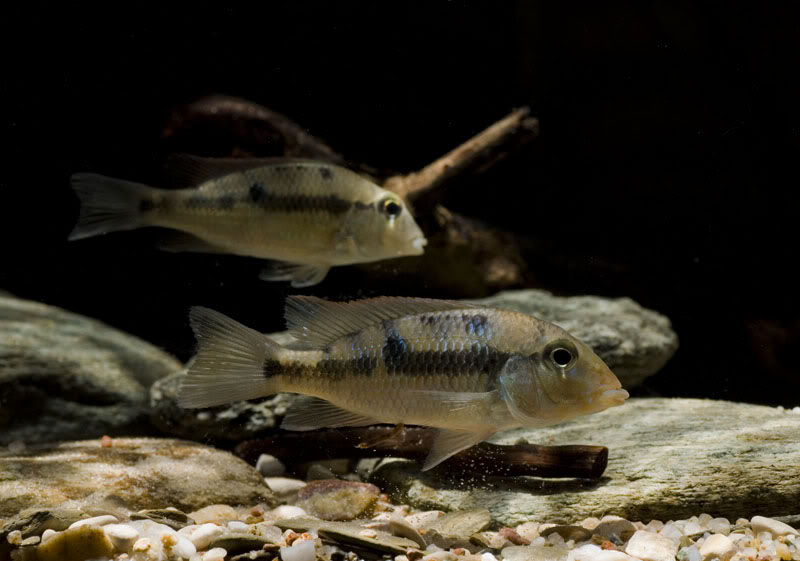
'Geophagus' crassilabris 是巴拿马的筛砂慈鲷,成年鱼尤其鱼鳍带较多红色。雄鱼之间冲突明显,多数家缸宜只养一雄,并为数尾雌鱼提供退避条件。
分布与栖息地
特有于巴拿马中部和东部,分布于太平洋及大西洋两侧的河流。生活在清洁溪河中,水流中等,底部为砂或砾石,常见沉木和浸水根系。
饲养环境
至少 180 × 60 cm 的底面积,细软砂底是正常筛食的基础。不要以粗砾替代,避免伤鳃、误吞或影响摄食。布置较暗照明、沉木根枝和少量平石,同时留出活动空间。
不宜堆积大量落叶,以免翻砂产生的碎屑堵塞设备。过滤需充分成熟,兼顾细颗粒截留,防止砂长期进入泵体。每周至少换水 50%–70%,出水口避免形成强烈冲流。
食性与喂食
所属近缘类群通过筛砂获取小型无脊椎动物、种子及有机碎屑。可安排优质细粒干粮、红虫、水蚯蚓、丰年虾等,部分干粮含植物成分;即使成鱼也以较细小的食物为宜。
每日分三四次少量投喂,保持自然搜食机会。
习性与混养
成年雄鱼通常彼此攻击,求偶及产卵时更明显,除非空间极大,不应多雄同养。建议一雄配至少两雌,以减轻个别雌鱼承受的关注。
它并非典型追猎鱼,但极小的伙伴仍可能被吃,不能据此承诺任何尺寸的混养鱼都安全。
雌雄区分
雄鱼更大,背鳍、臀鳍等不成对鳍的末端更长。成熟雄鱼通常出现额隆,部分个体十分明显。
繁殖
为雌性口孵,卵阶段即收入口中,配对关系仅在产卵期间暂时形成。含卵雌鱼常遭同种骚扰,繁殖者通常建议另行安置,避免持续追逐。
补充说明
种群色彩随产地变化,成鱼整体较偏红,鱼鳍尤其明显。属级归属仍存在历史问题,因此保留带引号的学名写法,不应把未定分类问题当作可随意更名的理由。
图片
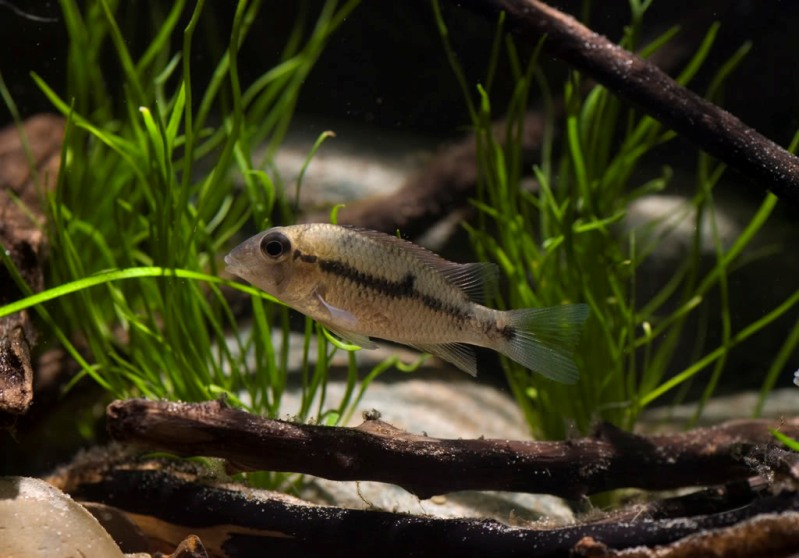
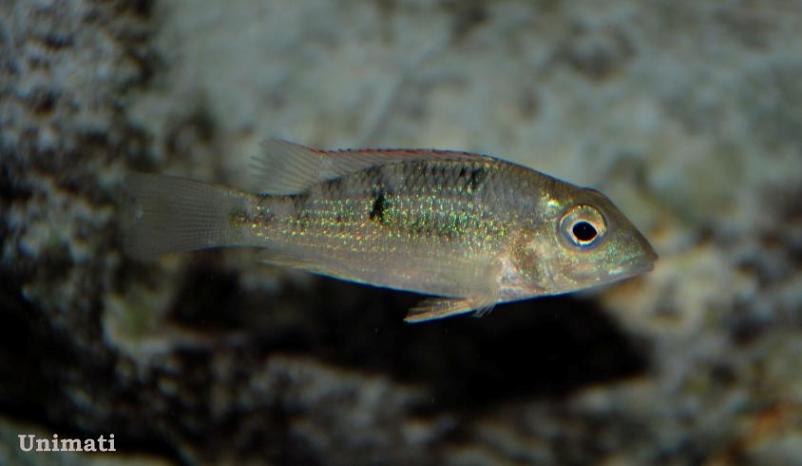
图片来自 SeriouslyFish,版权归各摄影者所有。
English
Overview
A Panamanian sand-sifting cichlid, 'Geophagus' crassilabris develops a comparatively reddish adult pattern, especially in its fins. Male rivalry is pronounced, so most aquariums should contain only one male with several females and adequate retreats.
Distribution & habitat
It is endemic to central and eastern Panama on both Pacific and Atlantic slopes. Clean streams and rivers have moderate flow, sand or gravel, and submerged wood or roots.
Aquarium setup
Provide at least a 180 by 60 cm footprint. Fine, soft sand permits normal feeding; coarse gravel risks injury, ingestion, or interference with sifting. Use subdued light, roots, wood, and occasional flat stones without sacrificing movement space.
Large amounts of decomposing leaves are readily disturbed into filtration-clogging debris. Mature biological filtration, fine-particle capture, and protection of pumps from sand are important. Change at least 50–70% weekly while avoiding excessive direct current.
Diet & feeding
Its close species group obtains small invertebrates, seeds, and organic material by sifting substrate. Offer fine prepared foods, including plant-rich products, together with bloodworms, tubifex, brine shrimp, and comparable small items. Large adults still benefit from appropriately fine food.
Three or four modest portions daily fit their browsing pattern better than a single large feeding.
Behaviour & compatibility
Adult males commonly attack one another, especially during courtship and spawning. Multiple-male arrangements need exceptional space. One male with at least two females is preferable.
Although not a specialized pursuit predator, it may consume very small companions. Lack of overt hunting behavior is not a guarantee of safety for tiny tankmates.
Sexual dimorphism
Males grow larger and develop longer unpaired fin lobes. A forehead hump usually appears at maturity and can become conspicuous.
Breeding
Females collect eggs for oral incubation, with only brief pair bonds during spawning. Brooding females are often harassed by conspecifics, so separate accommodation is commonly recommended.
Notes
Color varies geographically, but mature fish tend to be more reddish than their closest relatives, particularly in the fins. The qualified generic placement reflects unresolved classification and should be retained when matching records.
来源
- https://www.seriouslyfish.com/species/geophagus-crassilabris(抓取于 2026-10-10)
geophagus-crassilabris · 文件: data/species/geophagus-crassilabris.md · 状态: 草稿