巴西珠母丽鱼 · Pearl Cichlid
概要
| 字段 | 值 |
|---|---|
| 类别 | 鱼 |
| 学名 | 'Geophagus' brasiliensis |
| 别名 | 巴西珠母麗魚、Chromis brasiliensis、Chromys unimaculata、Acara gymnopoma、Geophagus brasiliensis、Acara minuta、Geophagus tuberosus、Geophagus olfersi |
| 分类 | 慈鲷目 Cichliformes › 慈鲷科 Cichlidae › 'Geophagus' |
| 水体 | 淡水 |
| 原产地 | 巴西、乌拉圭 |
| 成体体长 | 25 cm |
| 饲养难度 | 中等 |
| 最小水体 | 304 L |
| 最小缸长 | 150 cm |
| 群居方式 | 成对 |
| 领地性 | 是 |
| 外部数据 | seriouslyfish geophagus-brasiliensis;fishbase 4751 |
| 食性 | 杂食 |
| 繁殖方式 | 附着产卵 |
| 特征 | 吃小鱼: 是 |
水质参数
| 参数 | 耐受范围 | 最适范围 | 单位 |
|---|---|---|---|
| 水温 | 18–28 | — | °C |
| pH | 6–8 | — | — |
| 总硬度 | 1–15 | — | dGH |
概述
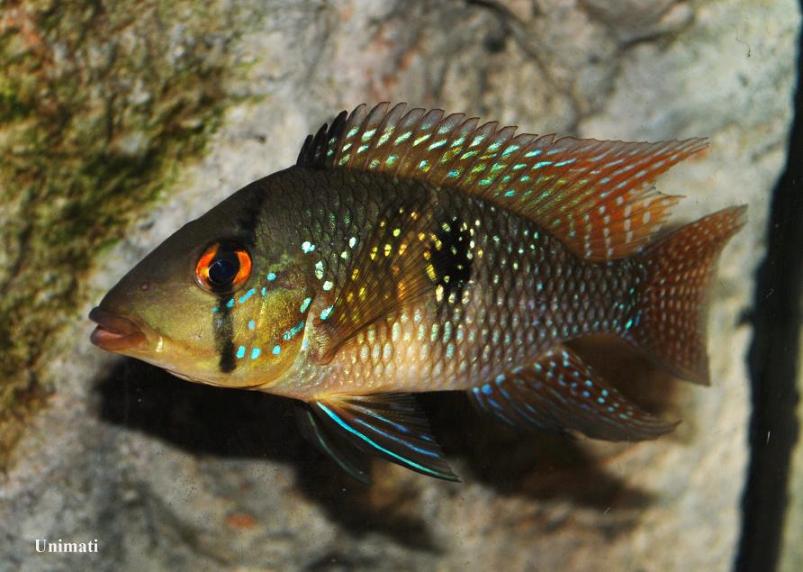
巴西珠母丽鱼('Geophagus' brasiliensis)以带珠光的鳞片著称,野生个体的颜色和体形会随产地变化。它有时筛砂觅食,但不像许多食土慈鲷那样高度依赖这种方式;雄鱼的领地性和对小鱼的捕食风险更值得混养时留意。
分布与栖息地
原产巴西东部、南部及乌拉圭流入大西洋的河流。常在沿海水系和河流下游出现,也有与海洋相通的潟湖种群。不同群体能利用流速、透明度和底床差别很大的环境,部分沿海群体具有一定耐盐能力,但不能推广到所有个体。
饲养环境
宜用柔软砂底,配沉木、根枝及较暗照明,也可放少量平石供产卵。必须在过滤系统成熟后入缸,避免水质恶化。建议每周换水约一半至七成,并以充足过滤维持稳定;机械过滤需拦截翻起的细颗粒,防止砂磨损或堵塞设备。
食性与喂食
杂食,野外食物包括植物材料、水生无脊椎动物、鱼鳞及鱼苗。可用优质下沉饲料作基础,定期配红虫、丰年虾等活饵或冷冻饵,避免长期食物单一。它偶尔含砂筛食,但不应据此认定只吃底砂中的碎屑。
习性与混养
雄鱼领地意识较强,产卵时尤其明显。体型很小的缸友可能被吞食,选择混养对象时需把这一点与平时是否追打分开考虑。
雌雄区分
雄鱼通常比雌鱼大,有时差距显著;优势雄鱼多会形成不同程度的额部隆起。
繁殖
在硬质表面等基质上产卵,由双亲共同照护。平石可以提供产卵位置,繁殖时应关注领地防御对同缸鱼的影响。
补充说明
不同产地在蓝、绿、黄色调及体形上差别较大,可能涉及尚待厘清的近缘分类群。贸易标签存在误认,不能仅凭一种颜色或销售名称确定身份。
图片
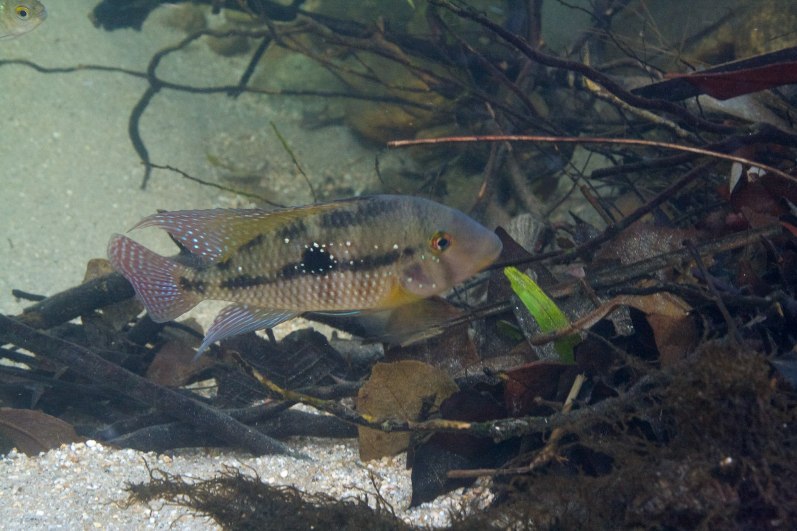
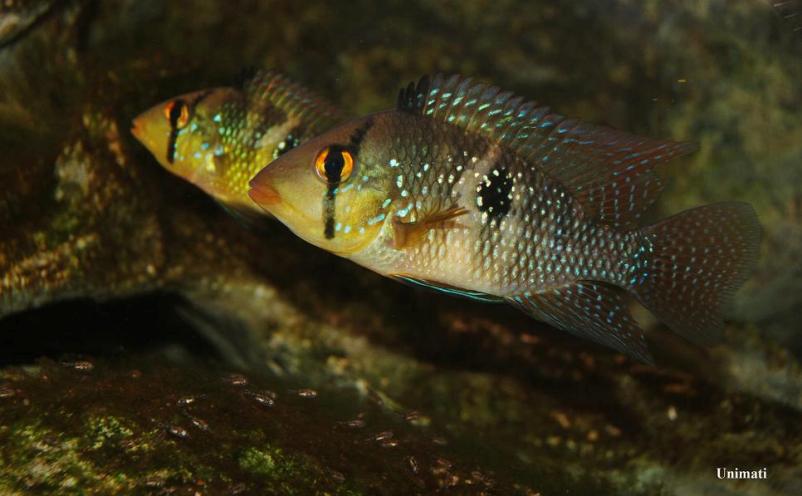
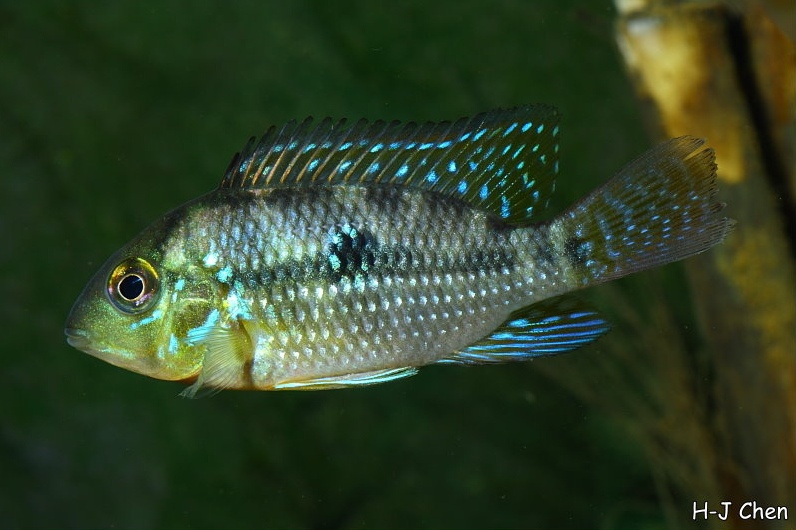
图片来自 SeriouslyFish,版权归各摄影者所有。
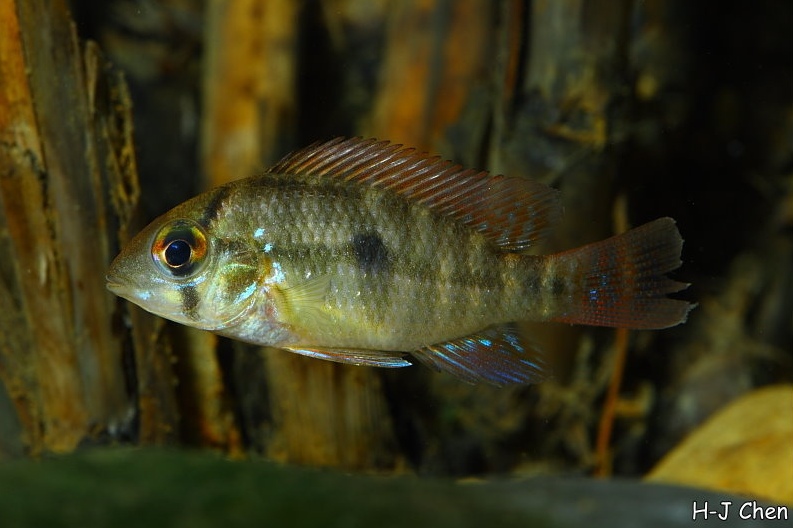
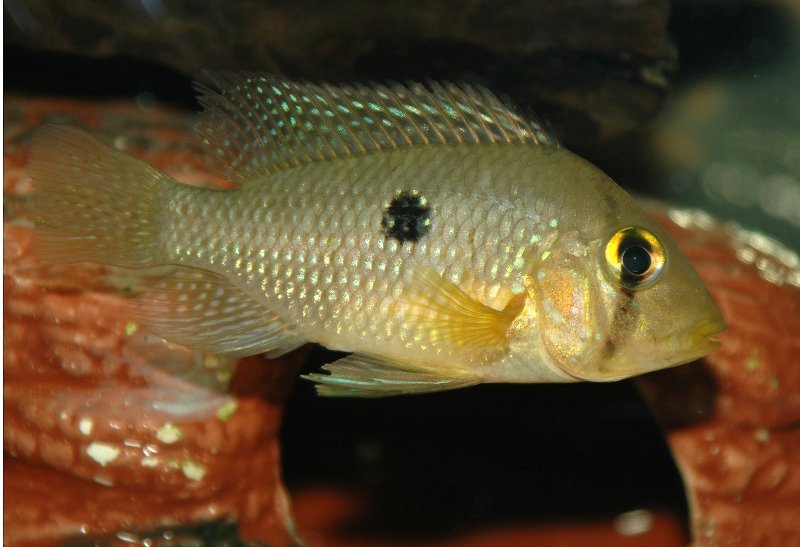
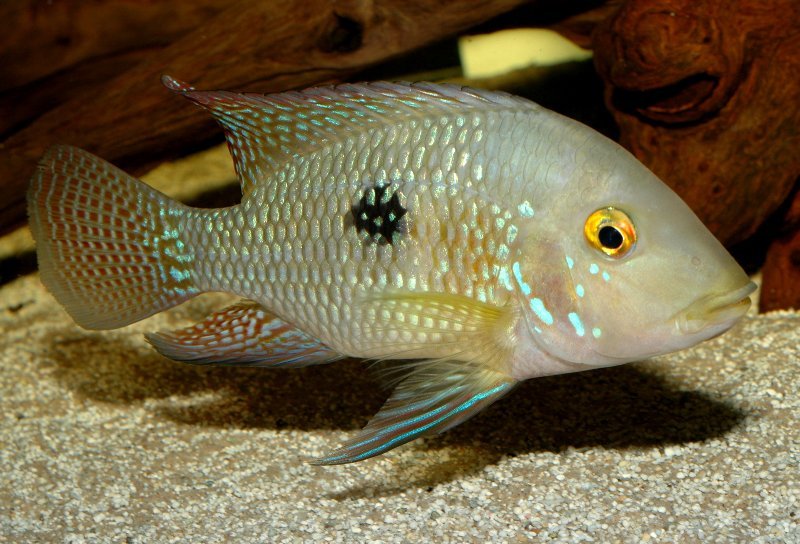
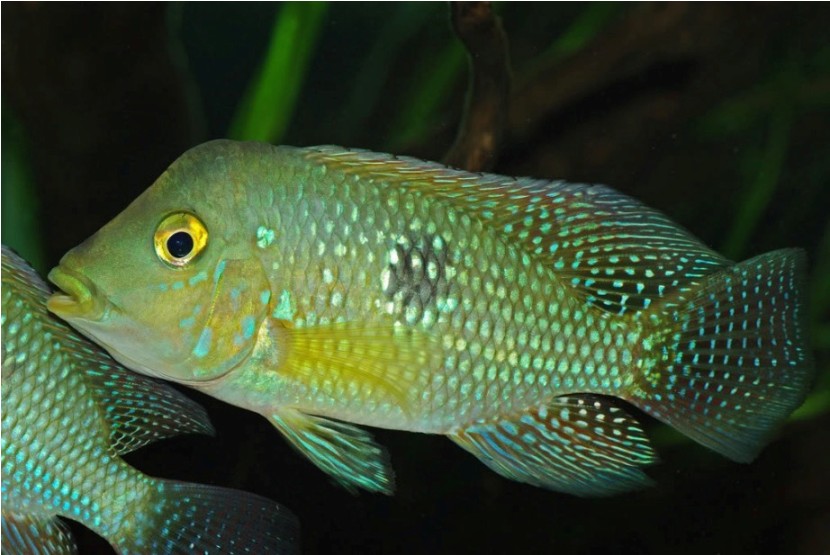
English
Overview
The pearl-scaled 'Geophagus' brasiliensis varies considerably in color and shape between populations. It sometimes sifts substrate, but is less specialized in that feeding method than many eartheaters. Male territoriality and predation on tiny companions deserve particular attention in community planning.
Distribution & habitat
Native populations occupy Atlantic-draining waters in eastern and southern Brazil and Uruguay. Coastal systems and lower river reaches are frequent habitats, including lagoons connected to the sea. Different populations tolerate a wide variety of flow, clarity, and substrates. Salt tolerance in some coastal groups should not be generalized to every fish.
Aquarium setup
Soft sand is preferable, with wood, roots, subdued lighting, and optional flat spawning stones. Introduce fish only after biological filtration has matured. Substantial filtration and weekly changes of approximately fifty to seventy percent support stable water quality. Mechanical filtration should capture disturbed particles and prevent sand from damaging equipment.
Diet & feeding
Its broad natural menu includes plants, aquatic invertebrates, fish scales, and fry. Quality sinking preparations can be supplemented with regular live or frozen items such as bloodworms and Artemia. Occasional sand processing does not make it a specialized detritus feeder.
Behaviour & compatibility
Males defend territories, particularly during reproduction. Very small companions may become prey, a risk that remains separate from whether obvious aggression is observed.
Sexual dimorphism
Males usually grow substantially larger, and dominant individuals often develop a forehead swelling of variable prominence.
Breeding
Both parents care for a clutch laid on a substrate. Flat rocks offer potential spawning surfaces, while territorial defense requires careful attention to other residents.
Notes
Geographic variation includes blue, green, and yellow tones and differing body proportions. The current identity may conceal several closely related forms. Trade misidentifications make locality information more useful than relying on one color pattern or a sales label.
来源
- https://www.seriouslyfish.com/species/geophagus-brasiliensis(抓取于 2026-10-10)
geophagus-brasiliensis · 文件: data/species/geophagus-brasiliensis.md · 状态: 草稿