Geophagus brachybranchus
概要
| 字段 | 值 |
|---|---|
| 类别 | 鱼 |
| 学名 | Geophagus brachybranchus |
| 分类 | 慈鲷目 Cichliformes › 慈鲷科 Cichlidae › Geophagus |
| 水体 | 淡水 |
| 原产地 | 圭亚那、苏里南、委内瑞拉 |
| 成体体长 | 20 cm |
| 饲养难度 | 中等 |
| 最小水体 | 648 L |
| 最小缸长 | 180 cm |
| 群居方式 | 群游 |
| 性情 | 温和 |
| 外部数据 | seriouslyfish geophagus-brachybranchus;fishbase 46933 |
| 领地性 | 是 |
| 繁殖方式 | 口孵 |
水质参数
| 参数 | 耐受范围 | 最适范围 | 单位 |
|---|---|---|---|
| 水温 | 26–30 | — | °C |
| pH | 5–7 | — | — |
| 总硬度 | 1–10 | — | dGH |
概述
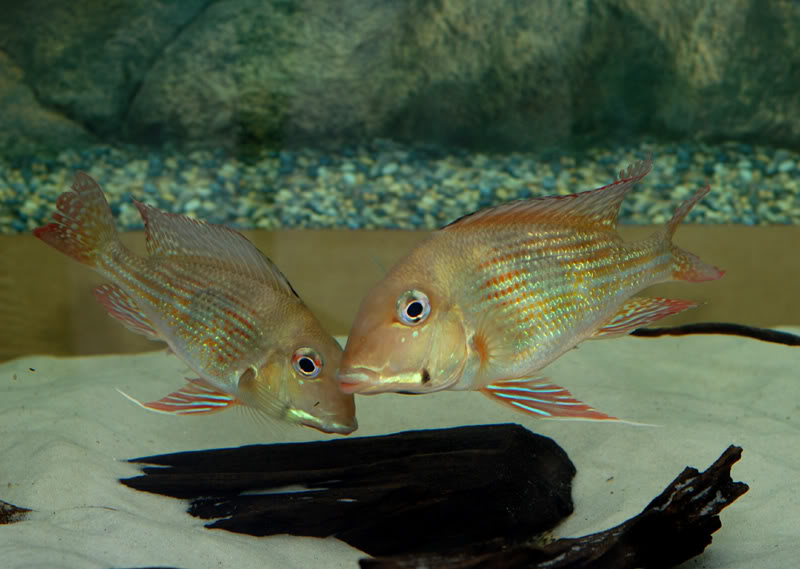
Geophagus brachybranchus 是南美北部的群居筛砂慈鲷,鳃盖前部深色标记与偏黑的喉部区域可辅助识别。它平时较温和,繁殖时守护后代,并在卵孵化后才开始口孵幼鱼。
分布与栖息地
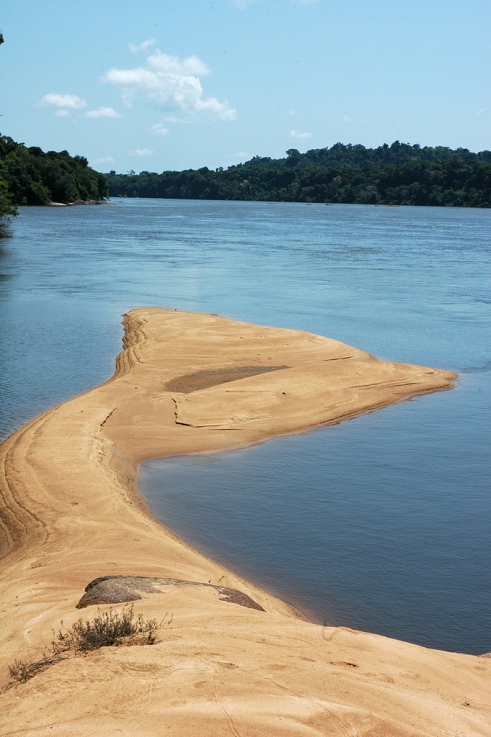
可靠记录包括苏里南尼克里河和科兰太因河水系,另有向圭亚那及委内瑞拉库尤尼河延伸的报道。岸边或岛边缓坡的砂、细砾和泥底较常见,也有岩石水潭记录。
雨季河流水位、流速与浑浊度变化明显,根枝和石块构成局部遮蔽。某些季节可能接近急流区,但不等于家缸必须强流冲刷。
饲养环境
群体长期至少需要 180 × 60 cm 的底面积。细软砂底用于筛食,不能用尖粗砾石替代。弱光、沉木根枝与少量平石可满足主要结构需求。
翻砂会扬起细碎物,过多落叶容易造成悬浮碎屑和设备堵塞。使用成熟的过滤系统,兼顾细颗粒截留,避免砂长期磨损泵体。每周至少换水 50%–70%,保持稳定并避免强烈直吹水流。
食性与喂食
同属筛砂鱼的食物包含小型无脊椎动物、植物种子和有机碎屑。人工食物应细小,即使成鱼也不宜仅给大颗粒;优质细粒干粮配合红虫、水蚯蚓、丰年虾等,部分饲料带植物成分。
每日分三四小份喂食,仍留出正常翻砂搜食机会。
习性与混养
至少 5–8 尾,群体等级互动比过小群体更容易分散。避开攻击性强、守底部领地的伙伴和要求更硬水的鱼。繁殖期会加强保卫,温和并不等于对任何鱼苗都安全。
雌雄区分
平时外部差别不可靠,雌鱼产卵时可见产卵管。
繁殖
已有人工成功记录,为孵化后开始的双亲口孵。可从幼鱼群开始让其自然配对,性成熟至少需约一年,良好喂养及稳定维护是基础。
配对鱼清理平石、沉木或缸底并守卫场地。产卵受精后雌鱼照看卵,雄鱼防守外围,约 72 小时后孵化,幼鱼才被雌鱼含入口中,有时雄鱼也从开始就参与。
后续分工差异很大,可能共同含苗、交换整窝,也可能只有一个亲鱼照护。幼鱼约在 8–11 日龄开始自由游动,逐渐延长外出取食时间,遇险返回口中。可喂粉料、丰年虾无节幼体或微虫,若希望提高混养缸里的成活率,应另外安排含苗亲鱼与鱼苗。
补充说明
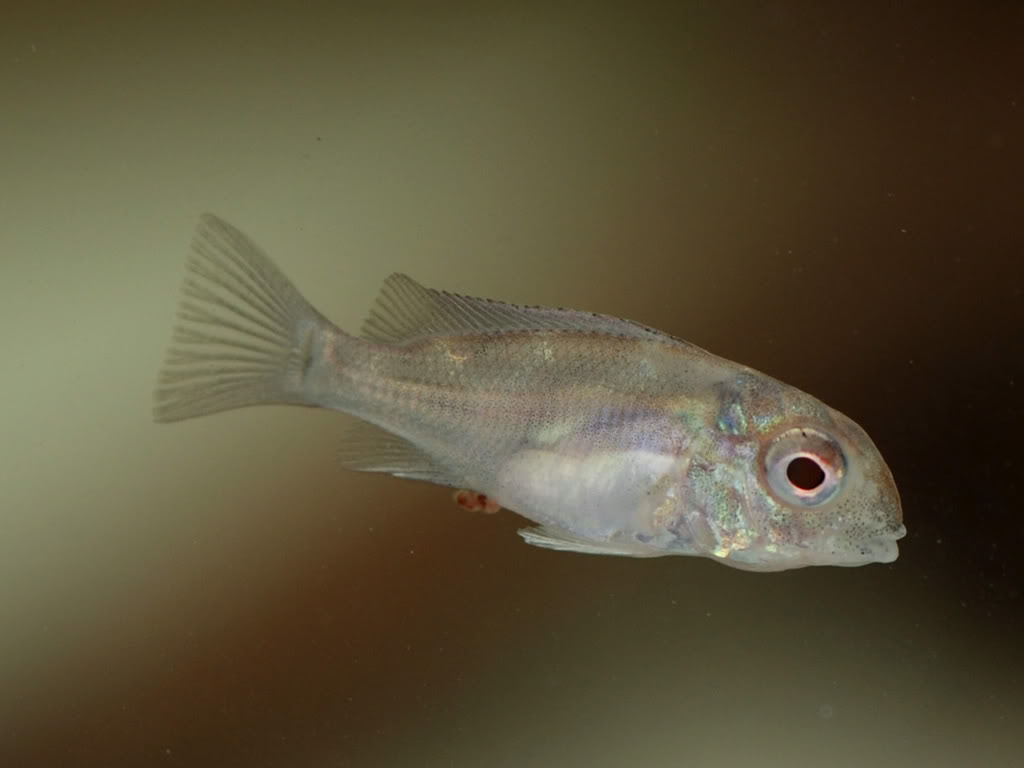
成鱼无明显体侧竖带,鳃盖前部有深色标记,尾鳍呈红色并带较大的斑点。幼鱼和市场标签容易混淆,宜结合多项特征及可靠来源辨认。
图片
图片来自 SeriouslyFish,版权归各摄影者所有。
English
Overview
Geophagus brachybranchus is a social sand-sifting cichlid from northern South America. Dark preopercular markings and a blackish throat region aid identification. Generally peaceful outside reproduction, it begins oral brood care after the eggs hatch.
Distribution & habitat
Established records include Suriname's Nickerie and Courantyne systems, with reports extending through Guyana into Venezuela's Cuyuní. Gently sloping margins over sand, fine gravel, or mud are common, although rocky pools are also documented.
Rainy seasons markedly alter depth, flow, and turbidity. Roots and stones provide structure. Possible seasonal proximity to rapids does not establish a need for forceful current throughout an aquarium.
Aquarium setup
A group requires at least a 180 by 60 cm footprint. Fine sand is essential for sifting, with coarse gravel posing feeding and injury problems. Low light, wood, roots, and a few flat stones are suitable.
Sifting suspends debris, making heavy leaf accumulation liable to clog equipment. Use mature biological filtration and effective fine-particle removal, keeping sand out of pumps. Weekly changes of at least 50–70% support quality and stability while filter outlets avoid excessive direct flow.
Diet & feeding
Food items described for the genus include small invertebrates, plant seeds, and organic debris. Even adults need relatively fine offerings: quality small dry foods, some plant-rich, together with bloodworms, tubifex, brine shrimp, and comparable items.
Divide feeding into three or four modest portions and preserve opportunities for normal sand browsing.
Behaviour & compatibility
Keep at least five to eight so hierarchy-related interactions are not concentrated in an inadequate group. Avoid aggressive or territorial bottom dwellers and harder-water companions. Breeding increases defense, and tiny fry are not automatically safe.
Sexual dimorphism
Routine external sexing is unreliable; the female's ovipositor becomes apparent during spawning.
Breeding
Captive success is known, with biparental mouthbrooding beginning after hatching. Allow juveniles to form pairs naturally; maturity requires at least about a year.
Pairs clean and defend rock, wood, or aquarium glass. Females attend the fertilized eggs while males guard nearby. Hatching occurs after roughly 72 hours, when larvae are taken into the female's mouth; some males participate immediately.
Subsequent roles vary, from shared carrying or brood exchanges to care by a single parent. Fry become free-swimming at about eight to eleven days of age and are released progressively to feed, returning when threatened. Fine prepared food, brine-shrimp nauplii, and microworms are accepted. Separate brooding arrangements reduce predation in community tanks.
Notes
Adults lack vertical flank bars and combine dark preopercular markings with a reddish, large-spotted tail. Juveniles and trade labels can be confusing, so use several features together with reliable provenance.
来源
- https://www.seriouslyfish.com/species/geophagus-brachybranchus(抓取于 2026-10-10)
geophagus-brachybranchus · 文件: data/species/geophagus-brachybranchus.md · 状态: 草稿