银点珠母丽鱼
概要
| 字段 | 值 |
|---|---|
| 类别 | 鱼 |
| 学名 | Geophagus argyrostictus |
| 别名 | 銀點珠母麗魚 |
| 分类 | 慈鲷目 Cichliformes › 慈鲷科 Cichlidae › Geophagus |
| 水体 | 淡水 |
| 原产地 | 巴西 |
| 成体体长 | 18 cm |
| 饲养难度 | 中等 |
| 最小水体 | 304 L |
| 最小缸长 | 150 cm |
| 群居方式 | 群游 |
| 外部数据 | seriouslyfish geophagus-argyrostictus;fishbase 46930 |
| 食性 | 杂食 |
| 繁殖方式 | 附着产卵 |
| 性情 | 攻击性 |
| 特征 | 翻底砂: 是 |
水质参数
| 参数 | 耐受范围 | 最适范围 | 单位 |
|---|---|---|---|
| 水温 | 26–30 | — | °C |
| pH | 6–7.5 | — | — |
| 总硬度 | 1–10 | — | dGH |
概述
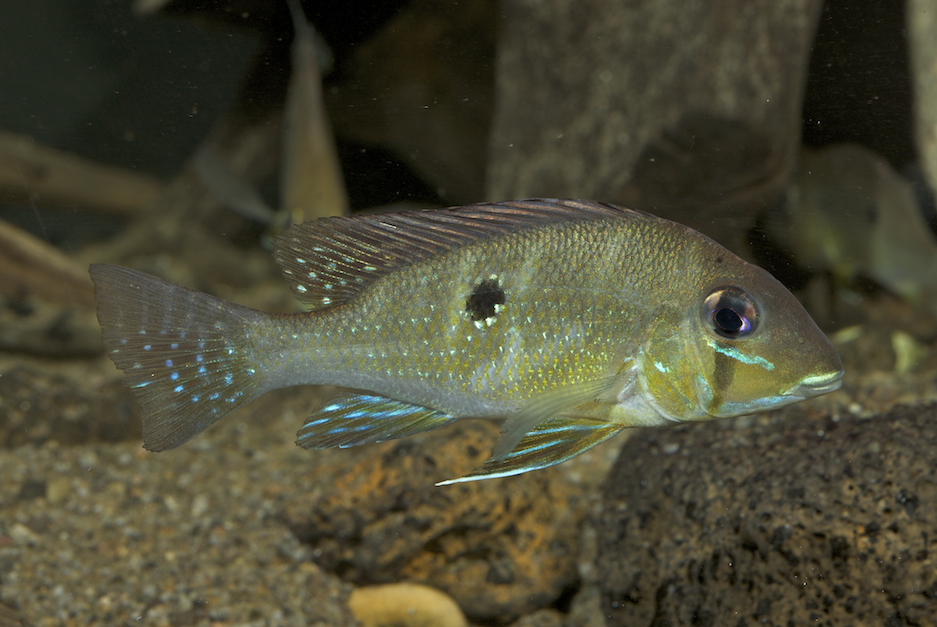
银点珠母丽鱼(Geophagus argyrostictus)会筛砂觅食,但性情比许多同属鱼更强势。饲养要兼顾柔软砂底、稳定清洁的水和足够群体空间,不能只因它属于食土类慈鲷,就按温和鱼安排混养。
分布与栖息地
仅知分布于巴西欣古河水系,包括伊里里河。多见于清水岸边或岛屿周围的缓坡,底床可有砂、细砾和泥,也有泛滥平原湖泊记录。不同产地颜色和花纹存在差异。
饲养环境
细软砂底是核心条件,粗石砾可能妨碍筛食、损伤鳃丝,甚至被误吞。沉木、根枝和较暗照明可提供合适环境,平石可作为产卵面。落叶虽然见于自然栖地,但在缸内容易被翻成悬浮碎屑、堵塞设备,不宜照搬大量铺设。
必须使用成熟且处理能力充足的过滤系统,每周换水至少约一半至七成,并有效拦截翻起的小颗粒。调节出水口避免过强水流,不能让砂持续进入泵和过滤器。水质恶化或化学条件骤变都容易造成健康问题。
食性与喂食
含入底砂,筛取小型无脊椎动物、植物种子和有机碎屑,再排出砂粒。即使成鱼也适合细小食物,以细颗粒优质干粮配合红虫、丰年虾等小型活饵或冷冻饵,部分食物要含植物成分。每天分三至四次少量投喂,比集中喂一大餐更接近其觅食方式。
习性与混养
建议至少五至八条,过小群体容易把攻击集中到弱势个体。一般应避免其他慈鲷,少数成功混养经验不代表普遍安全。小型群游鱼通常被忽略,但繁殖区附近的鱼仍会被驱逐。与淡水魟混养也有损失记录,不能当成稳定组合。
雌雄区分
幼鱼难以从外观可靠辨别。完全成熟的雄鱼通常略大、鳍较长,优势个体可能出现明显额隆;临产雌鱼的产卵管较容易观察。
繁殖
这是硬表面产卵的类型,并非口孵。宜从幼鱼群自然配对,成熟可能至少需要一年。配对后挖坑划定领地,在其中选硬质表面清洁并产卵;雌鱼主要照顾卵,雄鱼守卫周边。
约三天孵化后,幼鱼被转移到附近遮蔽处,通常由双亲继续照护,有时只有雌鱼承担。自由游动后可吃细粉饲料、丰年虾幼体和微虫。混养缸内即使有亲鱼防守,幼鱼仍可能被同种或其他鱼吞食,必要时隔离幼鱼或其他缸友。
图片
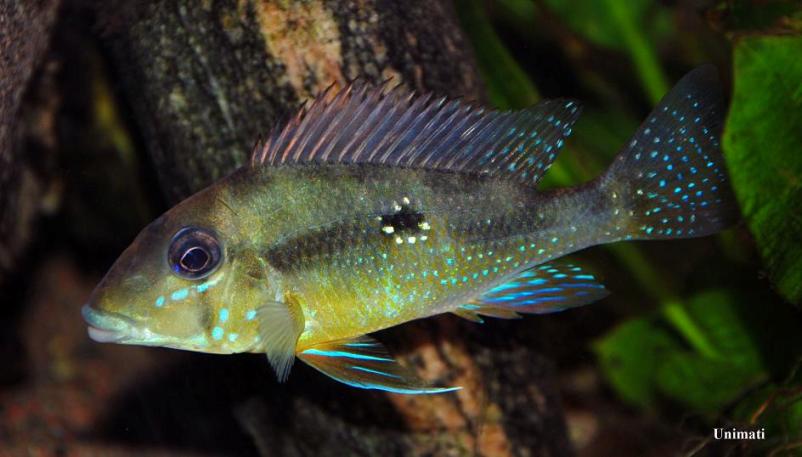
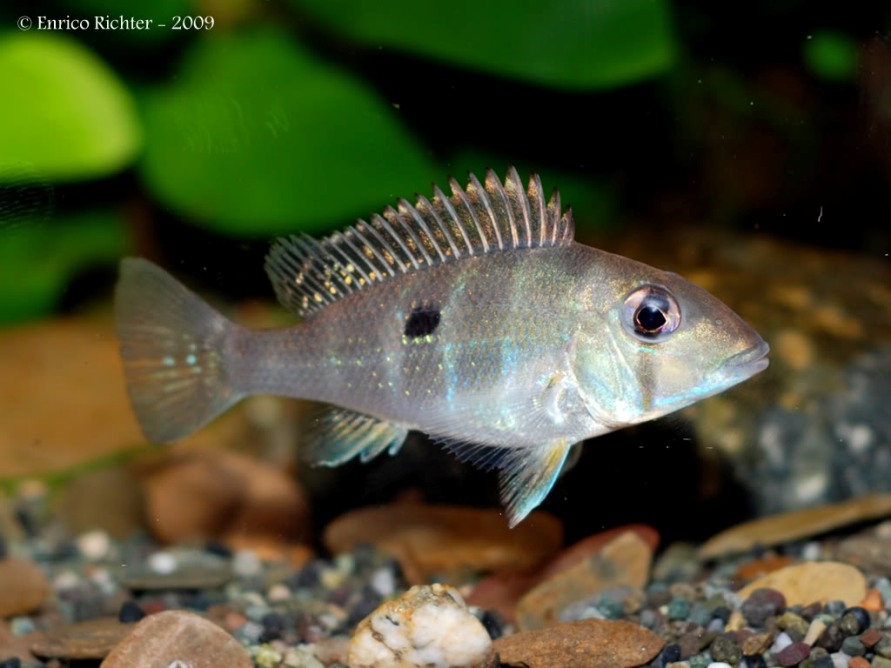
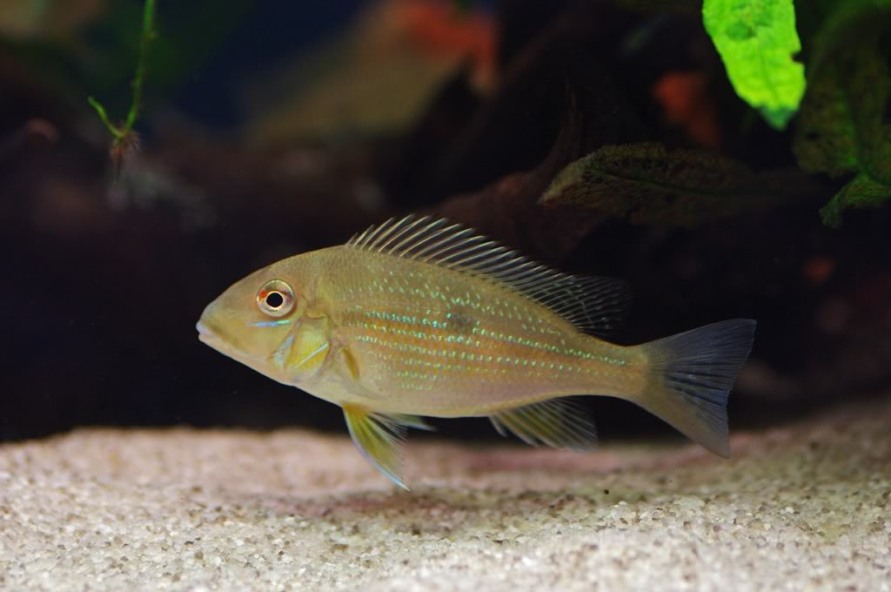
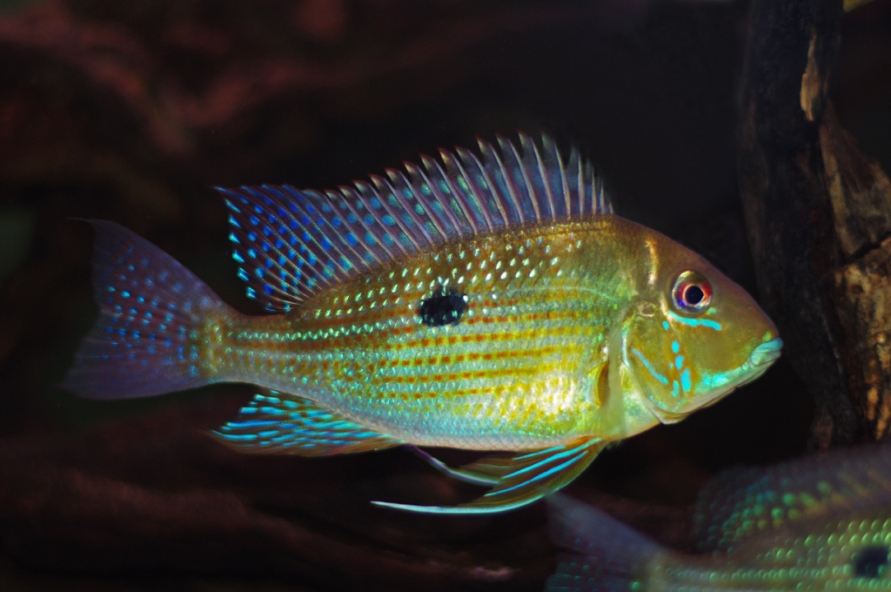
图片来自 SeriouslyFish,版权归各摄影者所有。
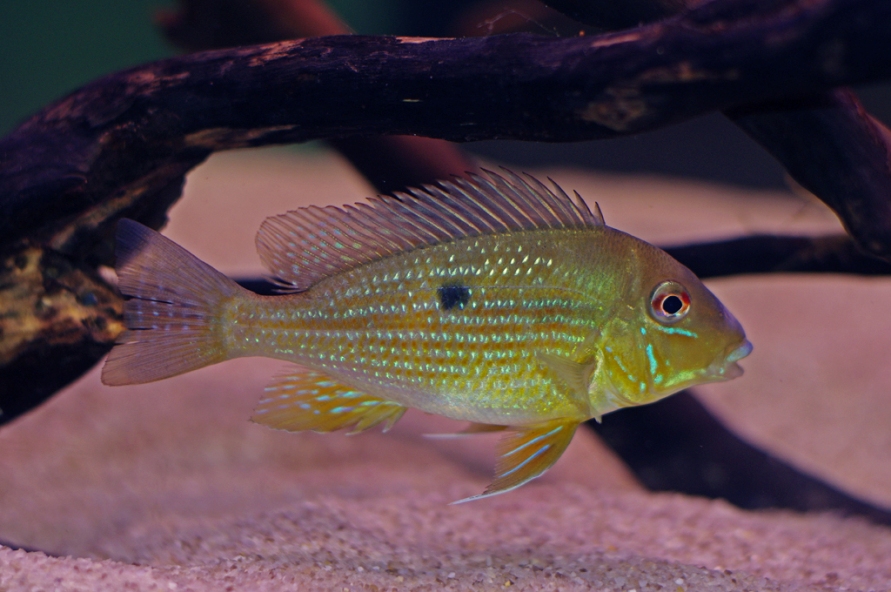
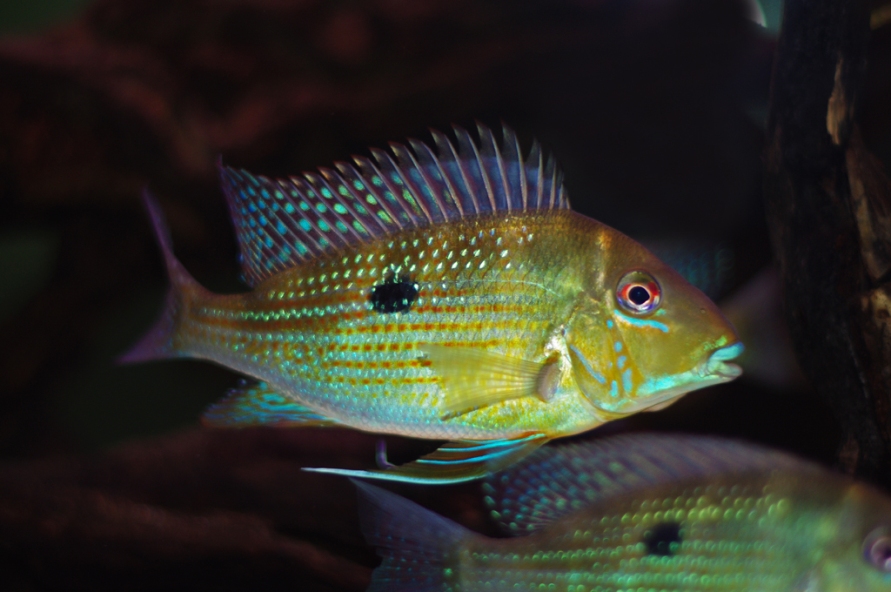
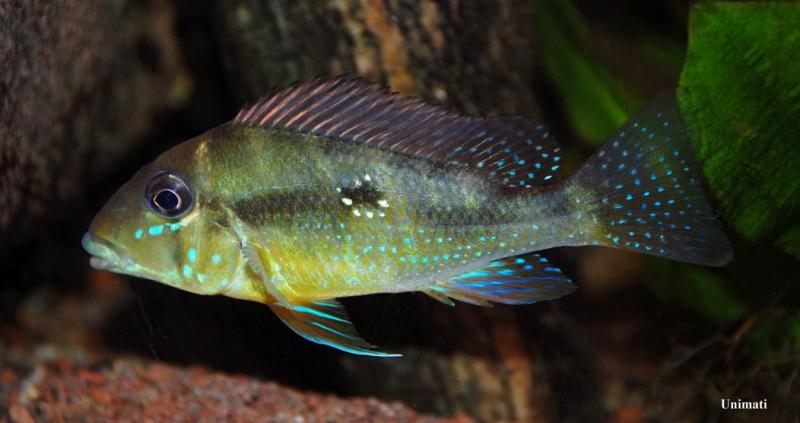
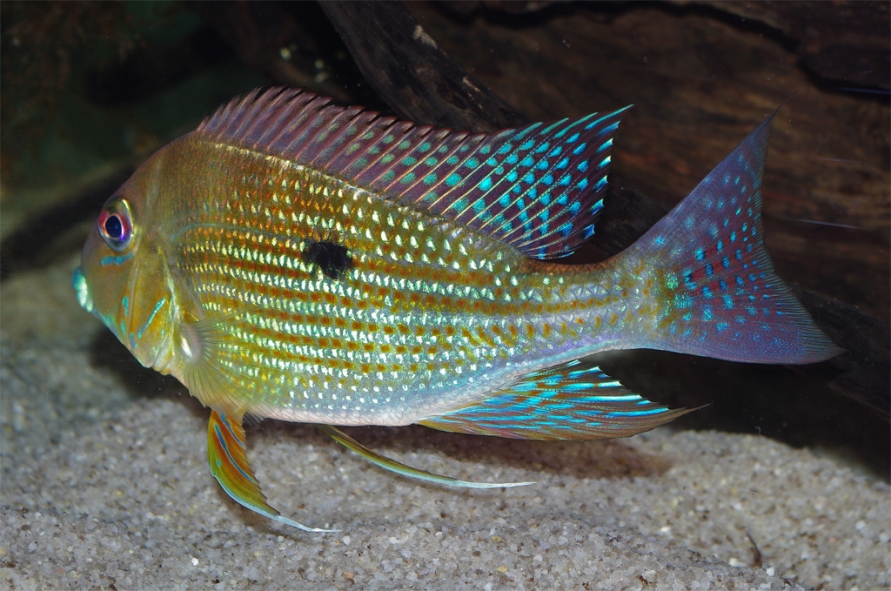
English
Overview
The sand-processing cichlid Geophagus argyrostictus is more assertive than many of its relatives. Successful care combines a soft feeding substrate, stable clean water, and adequate social space. The general reputation of eartheaters as gentle fish should not determine its community arrangement.
Distribution & habitat
Known from Brazil's Xingu system, including the Iriri tributary, it commonly uses clear-water margins and gently sloping shores around islands. Sand, fine gravel, and mud occur in these habitats, with additional records from floodplain lakes. Color and pattern vary by locality.
Aquarium setup
Fine soft sand is essential. Coarser material can obstruct feeding, injure gills, or be swallowed. Wood, roots, subdued lighting, and a few flat spawning stones form a suitable arrangement. Large quantities of leaf litter are less useful in captivity because sifting scatters decomposing fragments through the water and equipment.
Use mature, substantial filtration and replace roughly fifty to seventy percent of the water weekly. Trap suspended particles and prevent sand from repeatedly entering pumps. Direct filter returns to avoid excessive current. Deteriorating water quality and abrupt chemistry changes are poorly tolerated.
Diet & feeding
Mouthfuls of substrate are processed for small invertebrates, seeds, and organic material before the mineral fraction is expelled. Offer fine prepared foods, including vegetable-rich products, alongside small live or frozen items. Even adults are ill suited to oversized portions. Three or four modest meals spread through the day better match continuous browsing than a single large feeding.
Behaviour & compatibility
Begin with five to eight individuals; fewer can leave subordinates exposed to concentrated harassment. Other cichlids are generally unsuitable despite isolated successful combinations. Small schooling fishes are usually ignored, but all neighbors may be chased from a breeding territory. Keeping freshwater stingrays alongside them has also resulted in losses and is not a reliably safe arrangement.
Sexual dimorphism
Juveniles cannot be reliably sexed externally. Fully mature males tend to grow slightly larger with longer fins, and dominant fish may develop a forehead hump. An egg-laying tube becomes visible in females around spawning.
Breeding
This species lays on a substrate rather than mouthbrooding. Let partners emerge from a juvenile group and allow at least a year for maturity. A pair excavates a defended area, then cleans a solid surface within it for the clutch. The female tends the eggs while the male patrols the surroundings.
Hatching occurs in about three days, after which larvae are moved toward nearby shelter. Both parents generally continue care, although the female sometimes works alone. Swimming fry accept powdered preparations, Artemia nauplii, and microworms. Community residents, including conspecifics, can still take the young despite parental defense, so separation may be necessary.
来源
- https://www.seriouslyfish.com/species/geophagus-argyrostictus(抓取于 2026-10-10)
geophagus-argyrostictus · 文件: data/species/geophagus-argyrostictus.md · 状态: 草稿