高山腹吸鳅
概要
| 字段 | 值 |
|---|---|
| 类别 | 鱼 |
| 学名 | Gastromyzon monticola |
| 别名 | 高山腹吸鰍、Lepidoglanis monticola |
| 分类 | 鲤形目 Cypriniformes › 腹吸鳅科 Gastromyzontidae › Gastromyzon |
| 水体 | 淡水 |
| 原产地 | 马来西亚 |
| 成体体长 | 8.5 cm |
| 饲养难度 | 中等 |
| 最小水体 | 68 L |
| 最小缸长 | 75 cm |
| 群居方式 | 群游 |
| 性情 | 温和 |
| 水流偏好 | 高 |
| 特征 | 会跳缸: 是 |
| 外部数据 | seriouslyfish gastromyzon-monticola;fishbase 22850 |
水质参数
| 参数 | 耐受范围 | 最适范围 | 单位 |
|---|---|---|---|
| 水温 | 20–24 | — | °C |
| pH | 6–8.5 | — | — |
| 总硬度 | 1–12 | — | dGH |
概述
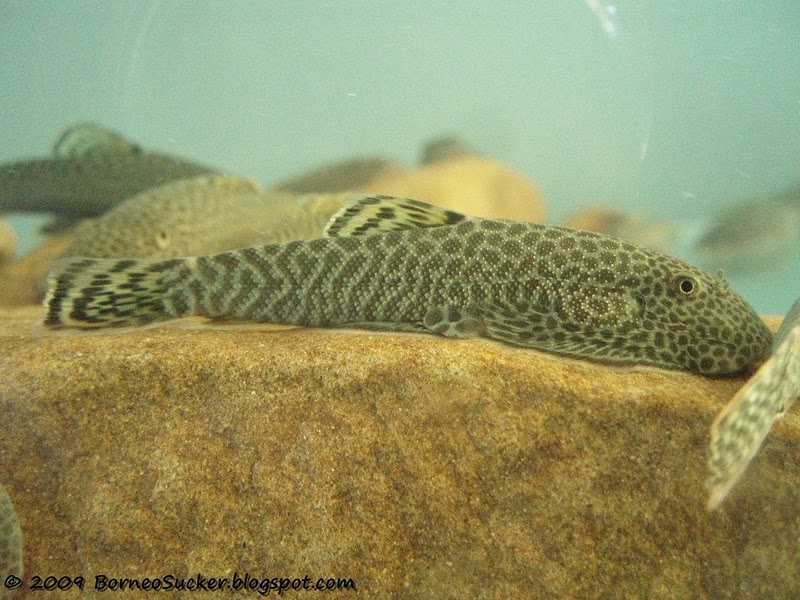
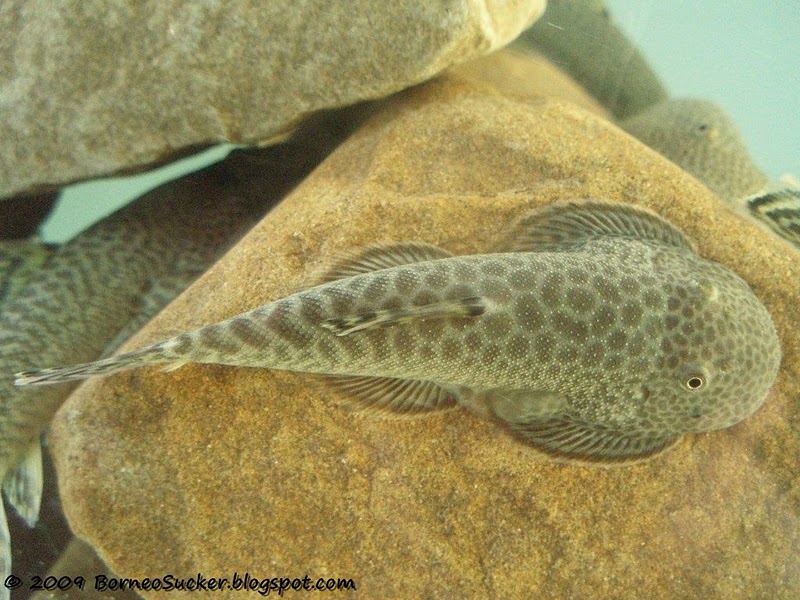
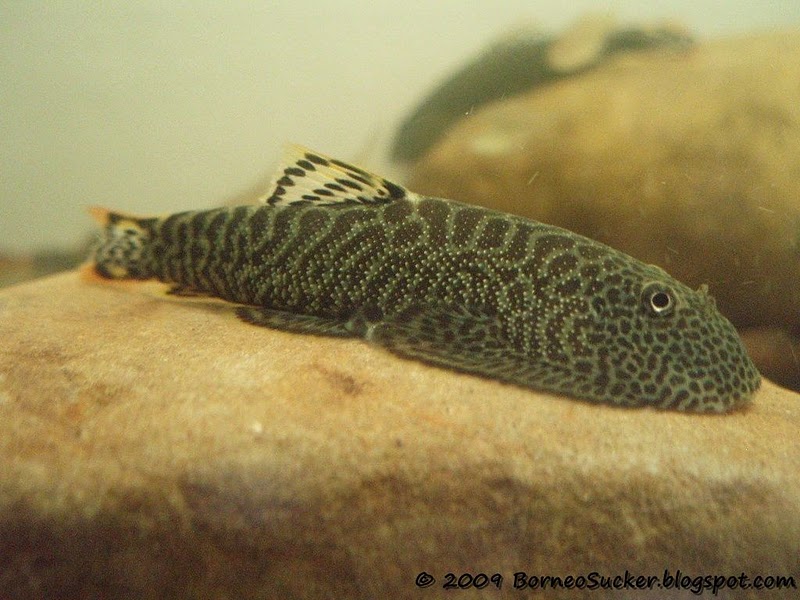
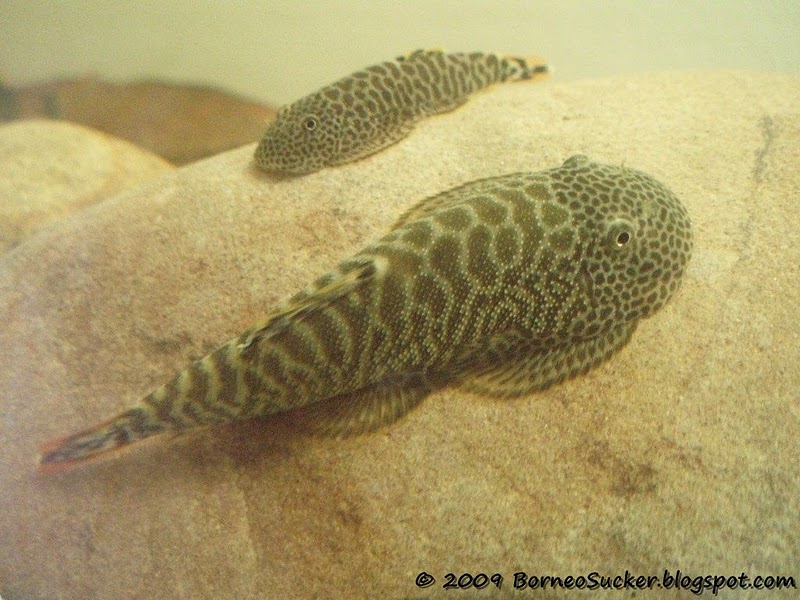
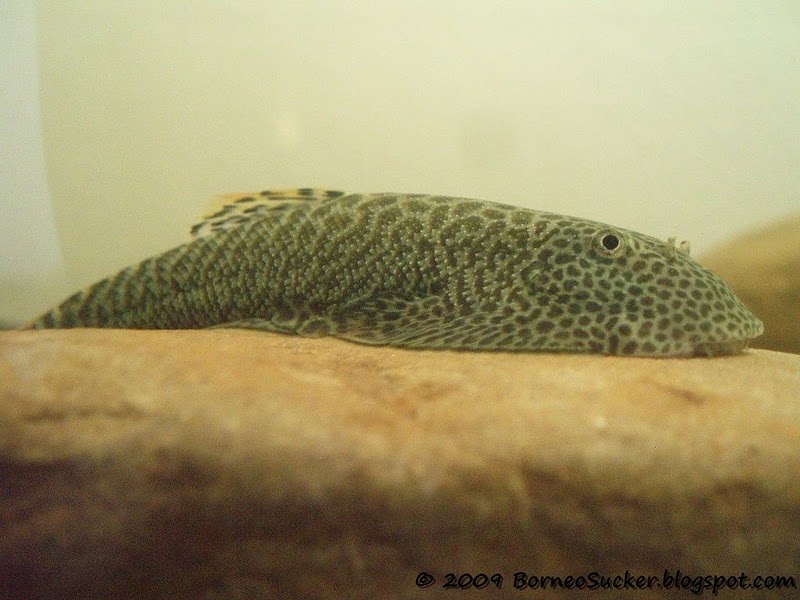
高山腹吸鳅(Gastromyzon monticola)来自婆罗洲京那巴鲁山周边水系,背部带斑点,体侧有波浪状条纹。曾有水族箱内连续繁殖观察,但不能把同一报道中其他种的产卵细节全部归到它身上。
分布与栖息地
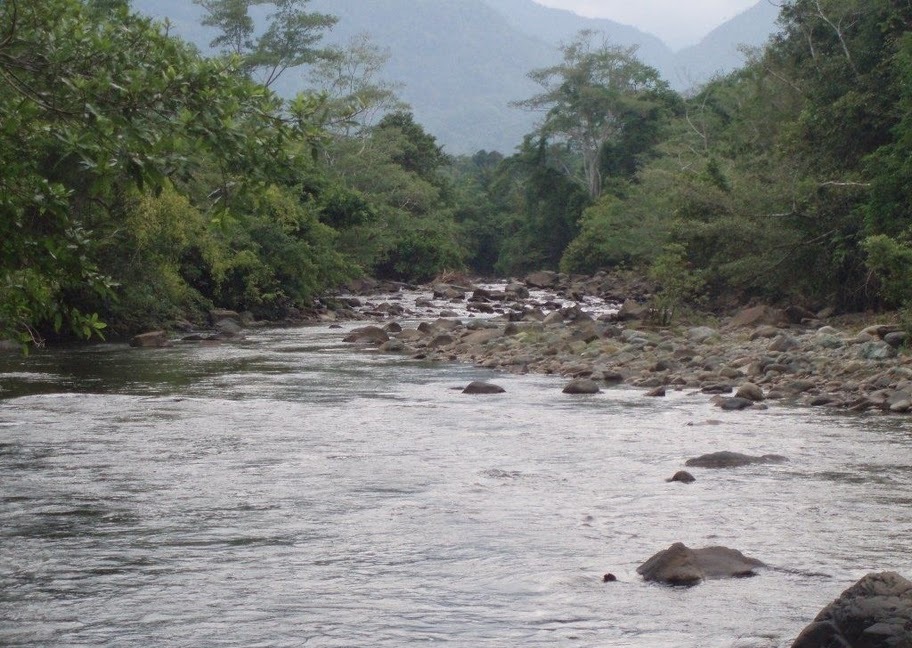
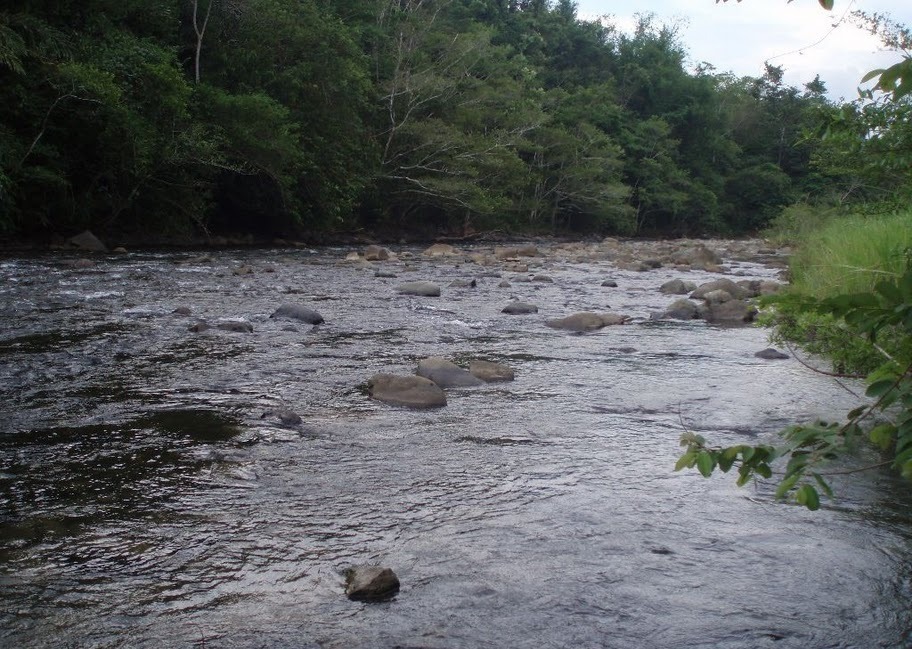
已知来自马来西亚沙巴汇入马鲁都湾的溪流,以及较西侧的瓦里乌河流域,这些河流均发源于京那巴鲁山。可参考同属清澈、急流、富氧的石质溪流环境,鱼多依石面及岩缝活动。
饲养环境
群养底面积可参考 75 × 30 厘米。砂砾底铺不同大小圆石,以强过滤、增氧和造流维持清洁水体,每小时循环可参考水体的 10–15 倍。较强光照促成附着生物,避免新沉木严重染水;成熟附生植物和外露海绵也可成为觅食面。只入成熟缸,定期部分换水,盖严以防攀爬逸出。
食性与喂食
可能主要吃藻类及伴生微生物。优质干粮、蔬菜螺旋藻凝胶和适量红虫等可补充,但高蛋白过量可能造成问题。长藻石面要持续供应,硅藻与软绿藻比黑毛藻合适,必要时另缸培育轮换;消瘦个体先减少竞争。
习性与混养
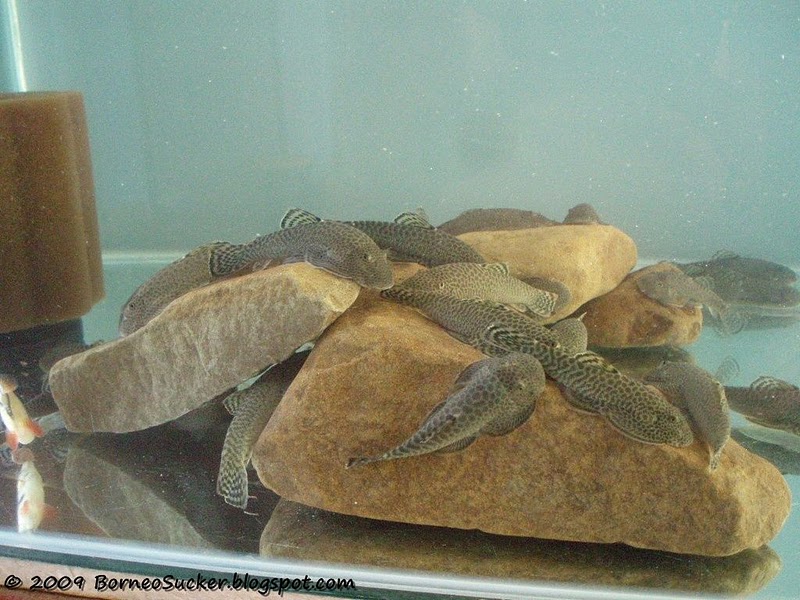
本种温和,避免更大、强势或竞争激烈的鱼。同属松散群养可参考四尾以上,个别鱼可能守护觅食位置,伙伴还需适应急流富氧环境。
雌雄区分
近亲在成熟后雌鱼通常更宽厚、稍大,这仅是比较线索,并非本种已确认的分性标准。
繁殖
一次饲养观察使用约 160 升缸、粗砾、靠后玻璃放置的石板、植物和沉木,虽没有过滤但持续强增氧,之后陆续出现少量鱼苗,产卵现象持续约一年。这个结果可作复现尝试的依据;报道中另一种鱼的细小沉性卵、三天孵化和升降温诱产过程,不应直接当成本种固定流程。
补充说明
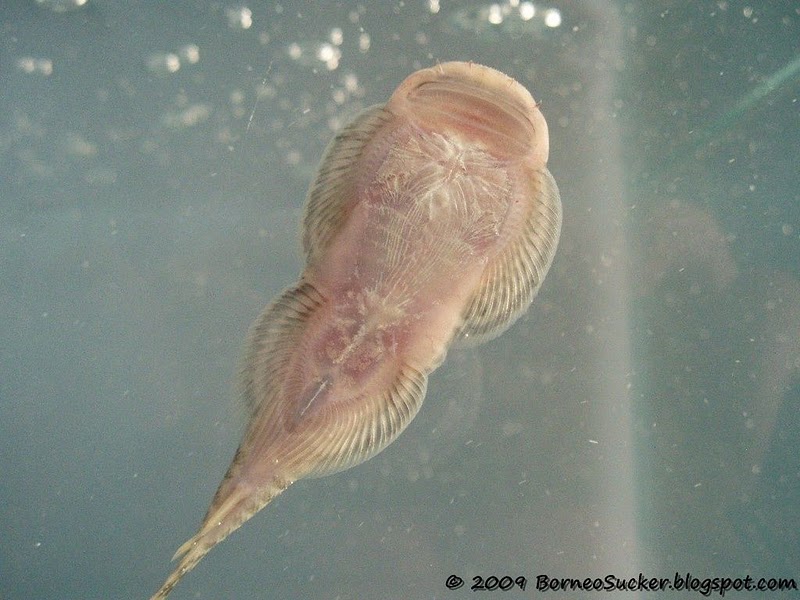
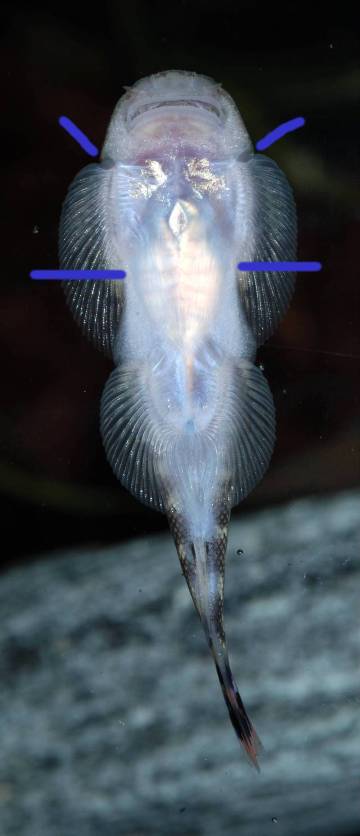
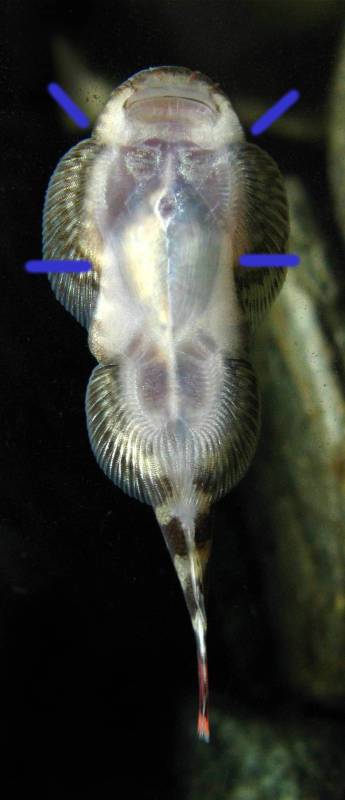
体侧波浪纹和背部斑点可辅助辨认;腹部无鳞只是局部形态,不表示整条鱼无鳞。
图片
图片来自 SeriouslyFish,版权归各摄影者所有。
English
Overview
A Kinabalu-drainage hillstream loach, Gastromyzon monticola has a spotted back and wavy flank bars. Captive reproduction has been observed, but a published account also discussed another species whose spawning details must be kept separate.
Distribution & habitat
Known localities are streams entering Marudu Bay and the Wariu basin in Sabah, all draining Mount Kinabalu. The genus typically inhabits clear oxygen-rich torrents over rock and gravel, using surfaces and crevices within the flow.
Aquarium setup
Allow a 75 by 30 cm footprint with varied smooth rocks over sand or gravel. Strong filtration and aeration support the suggested turnover of 10–15 tank volumes per hour. Light should encourage biofilm without heavy staining from fresh wood. Plants and sponge surfaces can add feeding area. Keep the system mature, perform regular partial changes, and close the aquarium securely.
Diet & feeding
Algae and associated organisms are the likely main natural foods. Use appropriate dry foods and vegetable-rich gels, with animal prey in moderation. Maintain diatoms and soft green growth, rotating rocks from a separate culture if necessary. Excessive protein and food competition are concerns, especially for thin arrivals.
Behaviour & compatibility
Protect this peaceful fish from larger, dominant, or competitive companions. Genus-level guidance suggests four or more together, with some defense of feeding space, in a community matched to its current and oxygen needs.
Sexual dimorphism
The broader, slightly larger females seen in related species provide only a comparative clue; this has not been established as a sexing rule for this fish.
Breeding
One captive observation used a roughly 160 L aquarium with coarse gravel, slates near the rear pane, plants, and wood. Despite lacking filtration, it was strongly aerated, and small numbers of fry appeared repeatedly over about a year. This provides a basis for experimentation. The same account’s tiny sinking eggs, three-day hatching, and temperature manipulation concerned another species and do not establish this fish’s protocol.
Notes
Wavy flank markings and dorsal spots assist identification. The lack of abdominal scales is a localized feature, not whole-body scalelessness.
来源
- https://www.seriouslyfish.com/species/gastromyzon-monticola(抓取于 2026-10-10)
gastromyzon-monticola · 文件: data/species/gastromyzon-monticola.md · 状态: 草稿