美腹腹吸鳅
概要
| 字段 | 值 |
|---|---|
| 类别 | 鱼 |
| 学名 | Gastromyzon lepidogaster |
| 别名 | 美腹腹吸鰍 |
| 分类 | 鲤形目 Cypriniformes › 腹吸鳅科 Gastromyzontidae › Gastromyzon |
| 水体 | 淡水 |
| 原产地 | 文莱、印度尼西亚、马来西亚 |
| 成体体长 | 10 cm |
| 饲养难度 | 中等 |
| 最小水体 | 108 L |
| 最小缸长 | 120 cm |
| 群居方式 | 群游 |
| 性情 | 温和 |
| 水流偏好 | 高 |
| 特征 | 会跳缸: 是 |
| 外部数据 | seriouslyfish gastromyzon-lepidogaster;fishbase 22845 |
水质参数
| 参数 | 耐受范围 | 最适范围 | 单位 |
|---|---|---|---|
| 水温 | 18–24 | — | °C |
| pH | 6–8.5 | — | — |
| 总硬度 | 2–12 | — | dGH |
概述
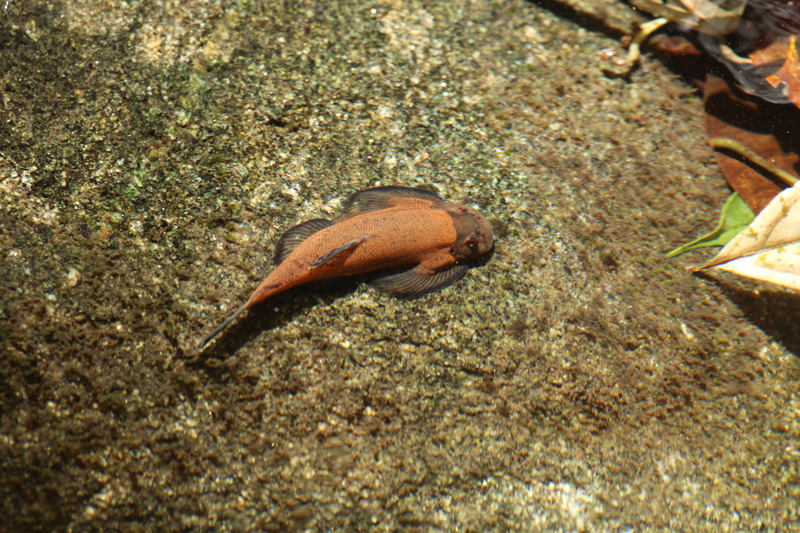
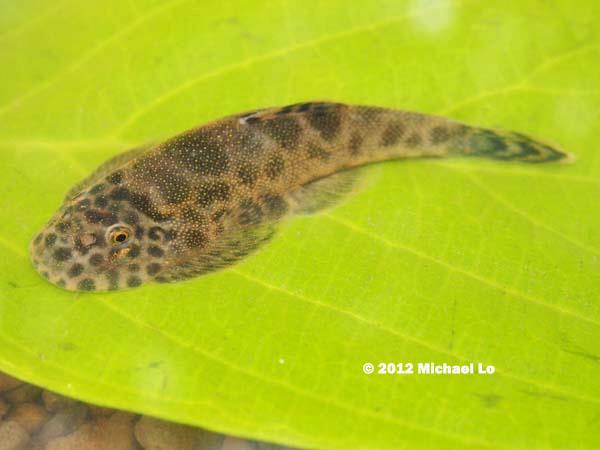
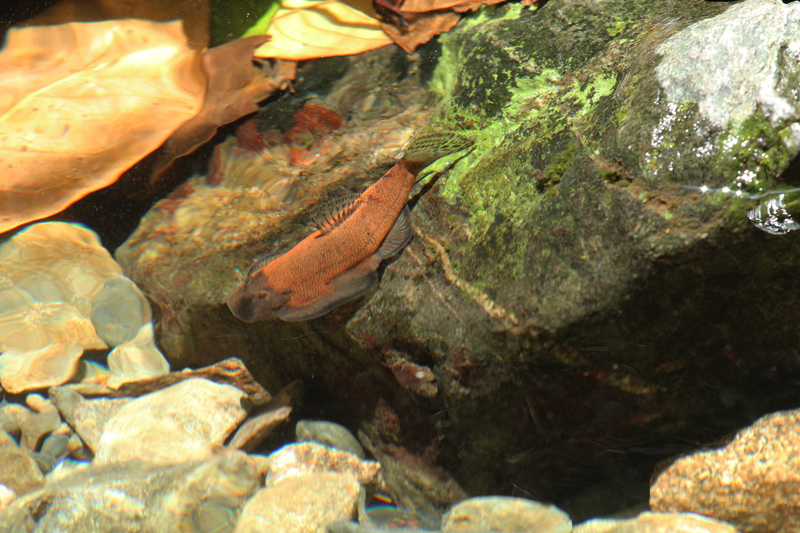
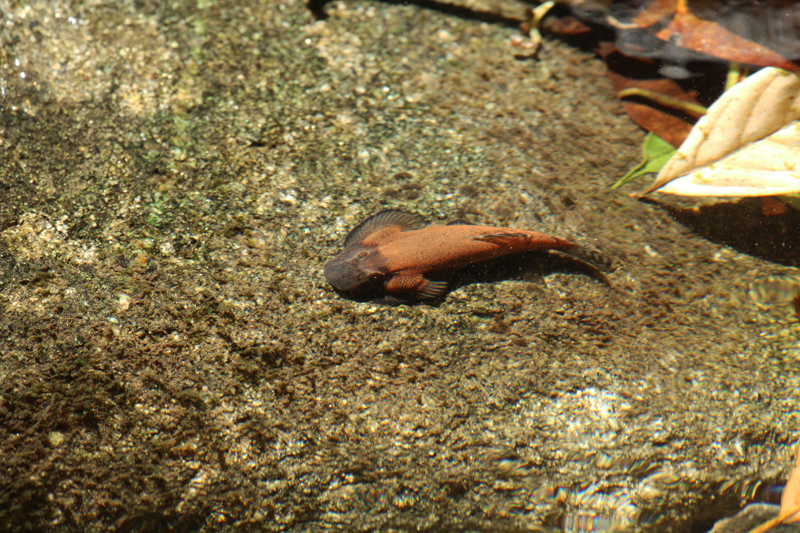
美腹腹吸鳅(Gastromyzon lepidogaster)在同属中分布较广,成年可呈绿色、橙色或带纹,外观差异不必然表示不同物种。据观察,部分个体能很快在带纹与素色之间变化。
分布与栖息地
分布在婆罗洲北部,包括马来西亚沙巴、文莱淡布隆河及印度尼西亚东加里曼丹部分河流。沙巴有无遮挡浅急滩的记录,文莱则见于部分遮阴、多瀑布的小支流;有个体成对停在特定暗色石块上。
饲养环境
群养底面积可参考 120 × 30 厘米,用足够大的圆石和砂砾构建溪流底床。水要清洁、高溶氧,每小时循环可参考水体的 10–15 倍,按需要增加造流与气石。较强光照维持藻膜,避开大量染水的新木;成熟附生植物也可提供觅食面。只入成熟缸,定期换水但保留附着物,并盖严防攀爬。
食性与喂食
天然食物可能以藻类和伴生微生物为主。可搭配优质干粮、蔬菜螺旋藻凝胶及适量小型动物饵,但避免高蛋白占比过大。提供有硅藻或软绿藻的石面,主缸被啃净时可轮换另培石块。消瘦个体需要持续食物和较少竞争。
习性与混养
本种温和,不宜和明显更大、强势或抢食激烈的鱼同养。同属可参考四尾以上群养的建议,部分鱼会保护优质觅食位置,因此石面与食物供应不能太集中。
雌雄区分
成熟雌鱼通常更厚实、稍大,从上方或下方观察较容易比较。
繁殖
近亲高山腹吸鳅(Gastromyzon monticola)在粗砾、石板及充分增氧的缸中曾持续出现鱼苗,可作为尝试布置的参考,而非本种成功繁殖的证明。其他近亲育苗也有因水质下降而失败的案例。
补充说明
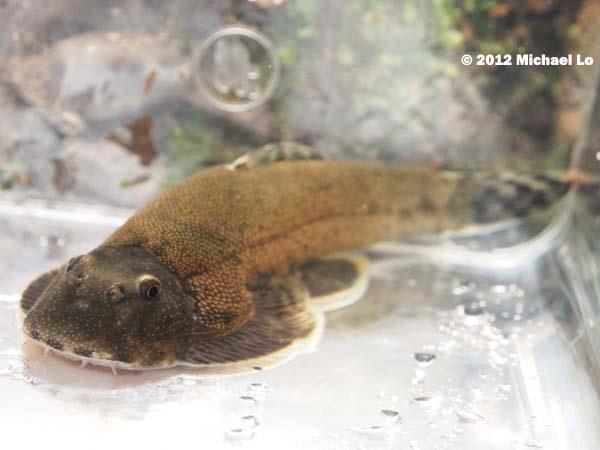
本种腹部有细鳞,与部分腹部裸露的近亲不同;幼鱼常带浅色横纹,长大后可能转成绿色或橙色。不要只按颜色给个体分种或分性别。
图片
图片来自 SeriouslyFish,版权归各摄影者所有。
English
Overview
Relatively widespread within its genus, Gastromyzon lepidogaster can be green, orange, or barred as an adult. Some individuals apparently switch quickly between barred and plain appearances, so contrasting colors need not indicate different species.
Distribution & habitat
Its northern Bornean range includes Sabah, the Temburong in Brunei, and several East Kalimantan drainages. Documented sites include open shallow riffles in Sabah and partly shaded cascade streams in Brunei. At one locality, differently colored fish were found in pairs on particular dark rocks.
Aquarium setup
Use a 120 by 30 cm footprint with a substantial rocky stream layout. Clean oxygenated water and the suggested turnover of 10–15 tank volumes per hour may require supplementary pumps or aeration. Bright lighting supports grazing surfaces; heavily staining fresh wood works against that aim. Maintain an established system, change water regularly, retain surface growth, and secure the cover.
Diet & feeding
Its likely diet centers on algae and associated microorganisms. Combine established grazing with appropriate dry foods, vegetable-rich gels, and moderate animal-food supplements. Avoid a protein-heavy regime. Diatoms and soft green growth can be renewed by rotating separately cultured rocks, particularly where competitors exhaust the supply.
Behaviour & compatibility
Peaceful individuals should be protected from much larger or competitive fishes. Genus-level advice favors groups of four or more, with some defense of feeding patches, making ample accessible grazing space useful.
Sexual dimorphism
Adult females tend to be broader and slightly larger, most clearly seen from above or below.
Breeding
A gravel-and-slate aquarium with heavy aeration yielded repeated broods of the congener G. monticola. That observation suggests an experimental direction, not demonstrated breeding for this fish. Failed larval rearing in another congener also emphasizes water-quality control.
Notes
Fine abdominal scales distinguish it from some relatives. Juvenile bars can give way to green or orange adult coloration, which should not by itself determine species or sex.
来源
- https://www.seriouslyfish.com/species/gastromyzon-lepidogaster(抓取于 2026-10-10)
gastromyzon-lepidogaster · 文件: data/species/gastromyzon-lepidogaster.md · 状态: 草稿