Gastromyzon extrorsus
概要
| 字段 | 值 |
|---|---|
| 类别 | 鱼 |
| 学名 | Gastromyzon extrorsus |
| 分类 | 鲤形目 Cypriniformes › 腹吸鳅科 Gastromyzontidae › Gastromyzon |
| 水体 | 淡水 |
| 原产地 | 马来西亚 |
| 成体体长 | 8 cm |
| 饲养难度 | 中等 |
| 最小水体 | 68 L |
| 最小缸长 | 75 cm |
| 群居方式 | 群游 |
| 性情 | 温和 |
| 水流偏好 | 高 |
| 特征 | 会跳缸: 是 |
| 外部数据 | seriouslyfish gastromyzon-extrorsus;fishbase 63149 |
水质参数
| 参数 | 耐受范围 | 最适范围 | 单位 |
|---|---|---|---|
| 水温 | 20–24 | — | °C |
| pH | 6–8 | — | — |
| 总硬度 | 2–12 | — | dGH |
概述
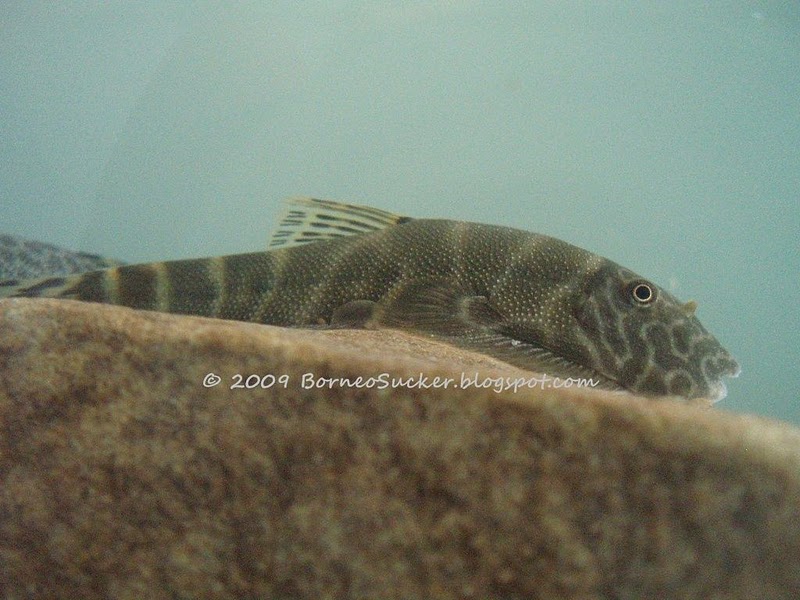
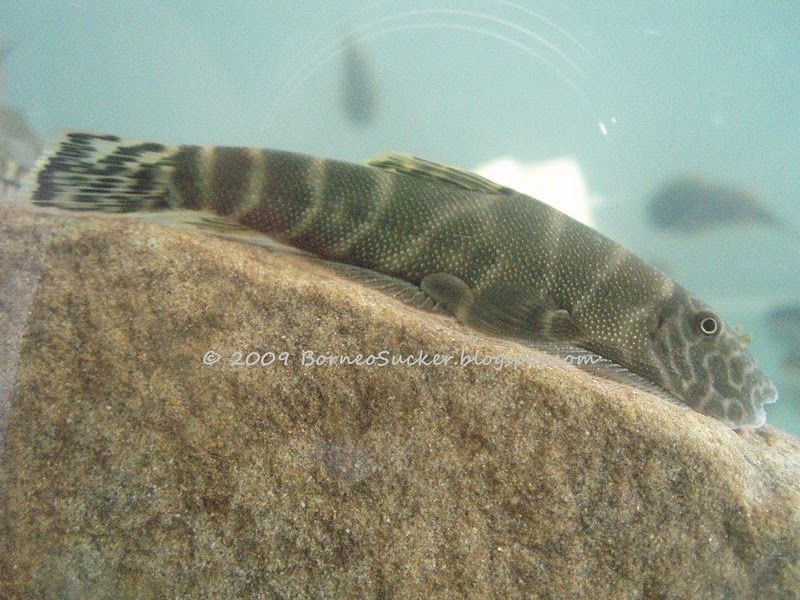
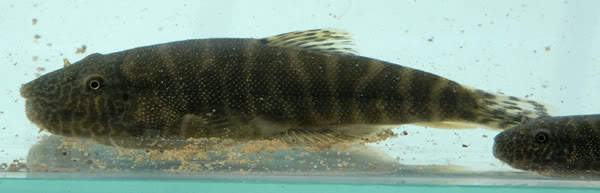
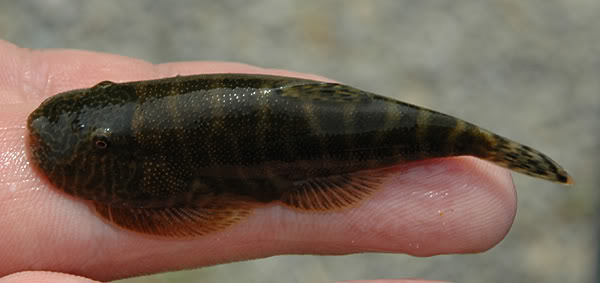
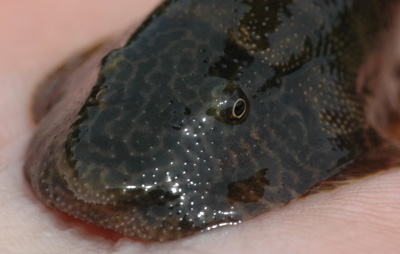
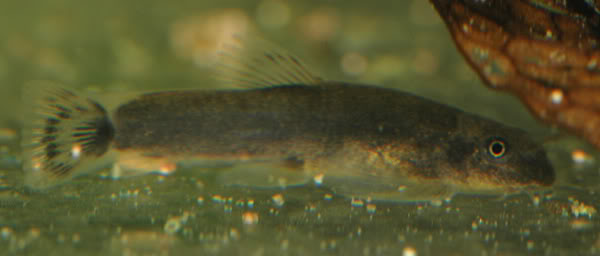
Gastromyzon extrorsus 来自沙巴克罗克山脉西侧水系,褐色身体带细金色条纹,头背有金色网纹。它适合洁净、高氧的流水缸,不能仅凭会刮食就当作普通清洁鱼。
分布与栖息地
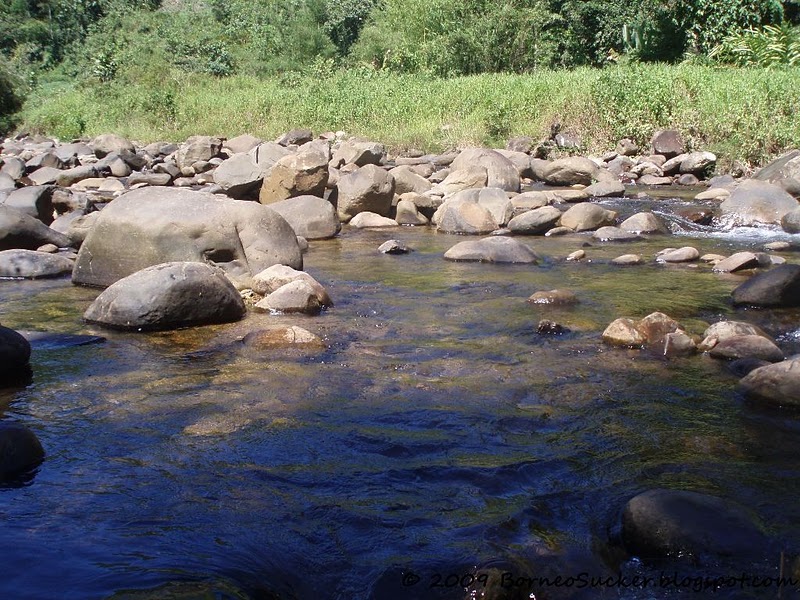
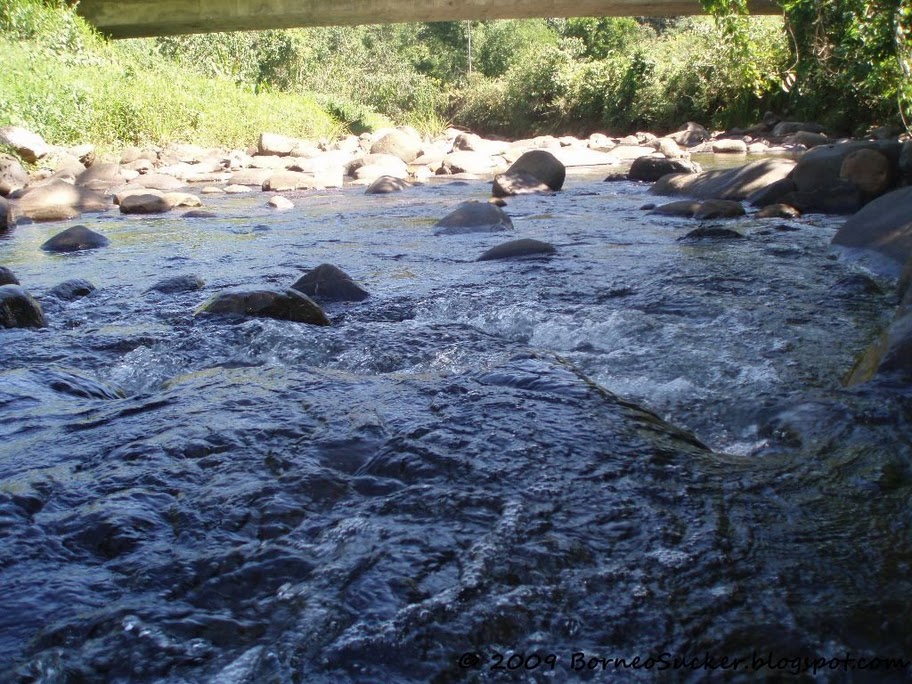
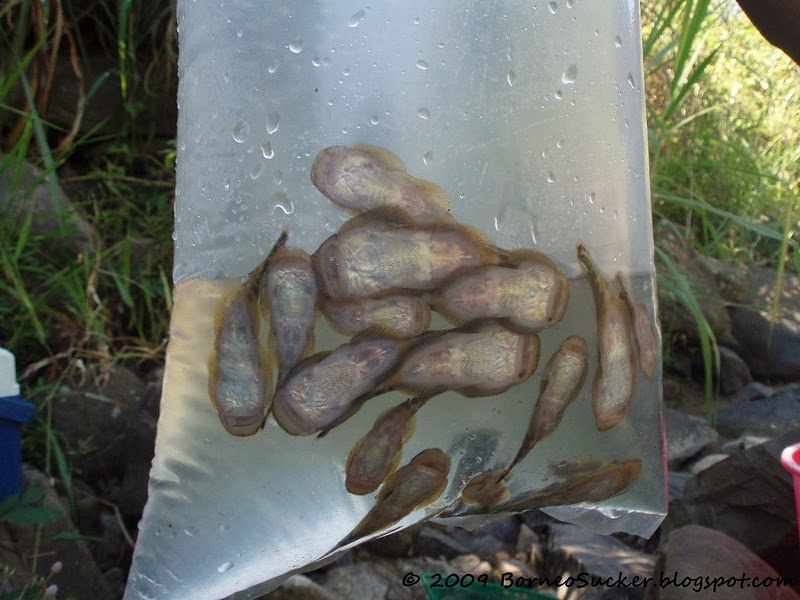
已知范围限于婆罗洲北端,马来西亚沙巴西部的金马尼斯与佩塔加斯河流域。模式产地在莫约河,实地为坡度较大、流经岩块和卵石的溪流;另一采样点的鱼取自较浅的急流。
同属鱼通常栖于清澈、富氧的浅溪急流,砂砾和岩石表面有丰富的藻类与微生物。它们常迎着水流,附在石侧、石后或下方,天然水草并不多见。
饲养环境
可从底面约 75 × 30 cm 的缸起安排,铺砂或砾石,再放大小不一的圆石。使用充足过滤、造流和必要的气石,循环量可参考每小时缸水量的十至十五倍。保持清洁和高溶氧,温暖时更要留意氧气供应。
灯光应支持附着藻类生长。可用旧沉木,避免新木大量染水削弱照明;水榕或爪哇蕨可提供遮蔽及刮食表面,外露过滤海绵也会被啄食。只放入成熟稳定的缸,定期部分换水,并保留主要石面生物膜。它能攀爬玻璃,缸盖需要严密贴合。
食性与喂食
天然食物可能主要是岩面藻类及相关微生物。缸中会接受优质干粮和红虫等活饵或冷冻饵,但动物蛋白过多可能引起健康问题。可补充蔬菜、螺旋藻比例较高的凝胶食物。
长期应有足量成熟刮食面。若主缸供藻不足,可另设亮光容器养藻并轮换石块;硅藻和柔软绿藻比坚韧黑毛藻更适合。消瘦的新鱼应先隔开争食者,持续获得适口食物,直到恢复。
习性与混养
性情温和,避免体型大很多、强势或争食激烈的伙伴。可考虑需求相近的小型中上层鲤科鱼、溪流虾虎鱼及底栖鲶鱼,其他鳅类则要逐种判断。
同属鱼通常松散聚集,建议至少四条。个体有时会守住喜欢的觅食点,守域强弱并不一致。
雌雄区分
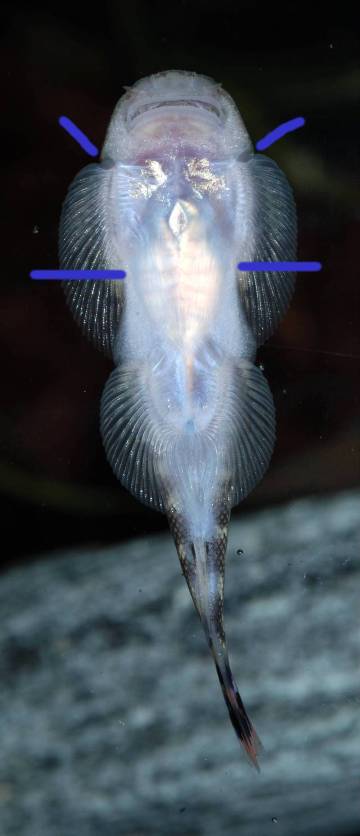
本种尚无明确外观分性记录。同属鱼的成熟雌鱼通常更丰满、略大,可从上方或下方观察体形,但只能作为参考。
繁殖
尚无本种的人工繁殖记录。同属其他鱼已有产卵或自然出苗的观察,这些经验不能直接视为本种可靠的催产与育苗方法。
补充说明
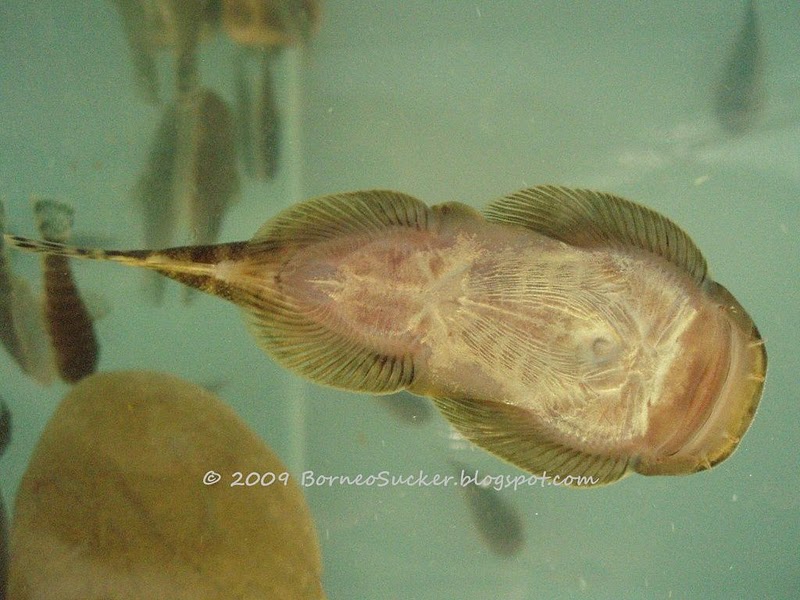
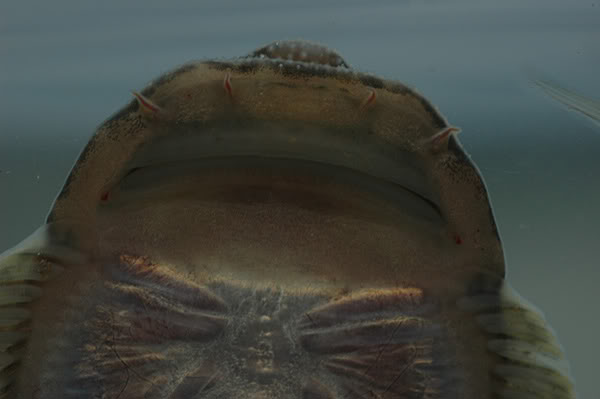
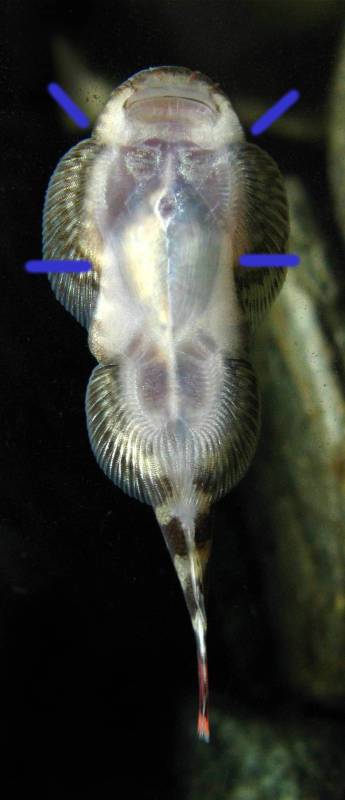
身体可见多至九条细金色条纹,头背深褐配金色网纹,嘴后具有完整囊状结构。种名与其位于山脉向西外流的沿海水系有关,可帮助记忆产地差别。
图片
图片来自 SeriouslyFish,版权归各摄影者所有。
English
Overview
Fine golden body stripes and a golden head network characterize Gastromyzon extrorsus. Originating on the western side of Sabah’s Crocker Range, it needs a clean, well-aerated stream aquarium rather than casual use as an algae remover.
Distribution & habitat
Known records come from the Kimanis and Petagas catchments draining the western Crocker slopes in northern Borneo. The Moyog River type site is a steep, rocky stream; fish at another locality were collected in a shallow riffle.
Members of the genus typically occupy shallow, clear, oxygen-rich streams. Algae and microscopic organisms coat the rocky bottom. Fish face the current beside, behind, or beneath stones, while aquatic vegetation is often scarce.
Aquarium setup
Begin with approximately 75 × 30 cm of floor space. Arrange smooth stones of varied sizes over sand or gravel. Ample filtration, circulation, and supplementary aeration should maintain cleanliness and oxygen; turnover around ten to fifteen aquarium volumes hourly is suggested. Oxygen supply deserves particular attention in warmer conditions.
Strong illumination supports grazing surfaces. Weathered wood is usable, but heavy staining from fresh wood can reduce useful light. Hardy plants and exposed filter sponges provide additional feeding surfaces. Use only a mature aquarium, change water regularly, and retain established growth on most rocks. Glass-climbing ability calls for a secure lid.
Diet & feeding
Algae and associated microscopic life probably form much of the natural diet. Prepared foods and live or frozen bloodworms are accepted, but excessive animal protein may cause internal problems. Vegetable-rich gel foods with spirulina can supplement grazing.
Maintain abundant mature surfaces. If necessary, grow algae on stones in another brightly lit container and rotate them into the aquarium. Diatoms and soft green growth are more useful than tough brush algae. Thin arrivals need continuous suitable food without competition until condition improves.
Behaviour & compatibility
Peaceful behavior does not protect this fish from much larger, aggressive, or highly competitive companions. Suitable small open-water cyprinids, stream gobies, and catfish may be considered. Compatibility of other loaches needs individual assessment.
The genus forms loose aggregations; groups of at least four are recommended. Some individuals defend favored feeding patches more strongly than others.
Sexual dimorphism
No confirmed external distinction is documented for this species. In related species, mature females are fuller and sometimes larger when viewed from above or below; that comparison offers only a tentative guide here.
Breeding
Captive spawning has not been recorded for this species. Reports of reproduction or spontaneously appearing fry in relatives provide comparative context, not an established breeding procedure for this fish.
Notes
Up to nine slender gold stripes, a dark head with gold reticulation, and a complete postoral pouch form part of its identification pattern. The name refers to the outward-draining coastal basins west of the mountains.
来源
- https://www.seriouslyfish.com/species/gastromyzon-extrorsus(抓取于 2026-10-10)
gastromyzon-extrorsus · 文件: data/species/gastromyzon-extrorsus.md · 状态: 草稿