小兵鲶 · Pygmy Cory
概要
| 字段 | 值 |
|---|---|
| 类别 | 鱼 |
| 学名 | Gastrodermus pygmaeus |
| 别名 | 小兵鯰、Corydoras pygmaeus |
| 分类 | 鲶形目 Siluriformes › 美鲶科 Callichthyidae › Gastrodermus |
| 水体 | 淡水 |
| 成体体长 | 3 cm |
| 饲养难度 | 入门 |
| 最小水体 | 41 L |
| 最小缸长 | 45 cm |
| 性情 | 温和 |
| 外部数据 | seriouslyfish gastrodermus-pygmaeus;fishbase 12194 |
| 原产地 | 似乎仅分布于巴西马德拉河流域 |
| 游动层 | 中层 |
| 繁殖方式 | 附着产卵 |
水质参数
| 参数 | 耐受范围 | 最适范围 | 单位 |
|---|---|---|---|
| 水温 | 22–26 | — | °C |
| pH | 6.4–7.4 | — | — |
| 总硬度 | 0–8 | — | dGH |
概述
小兵鲶(Gastrodermus pygmaeus)是一种会在中层游动的迷你鼠鱼,宜成群饲养。它很温和,却容易被大鱼压制或吞食,挑选同伴时应把体型和抢食能力放在颜色搭配之前。
分布与栖息地
似乎仅分布于巴西马德拉河流域,生活在小支流、溪水、水潭及淹水森林中,常聚在岸边植被和树根附近。
饲养环境
偏好柔和光线。可用密植水草、沉木和树根提供遮蔽,浮水植物帮助减弱照明;也可用细砂、沉木和落叶布置较开阔的原生境缸。落叶需及时维护,避免腐败累积。底床清洁和规律喂食不能因它被当作清洁鱼而省略。
食性与喂食
嘴很小,干粮要选微粒或压碎。搭配筛选过的小水蚤、丰年虾无节幼体等小型活饵和冷冻饵料,并确认它实际吃到,而非只捡其他鱼剩下的残饵。
习性与混养
至少六条,空间允许时十条以上更容易形成有安全感的群体。适合单养或搭配同样微小、温和的鱼,大型慈鲷、丝足鲈类和鲶鱼可能把它当作食物。它常在中层群游,不应按只停留缸底的鼠鱼安排混养空间。
雌雄区分
从上方看,成熟雌鱼更宽圆,怀卵时尤其明显,通常也略大。
繁殖
可采用鼠鱼常见的繁殖方式,但幼鱼太小,开口饵需更细。使用温和海绵过滤及细叶植物,雄鱼比例稍高,养好亲鱼后可用较凉的换水并增加供氧诱导。换水操作须结合鱼的状态,不应把反复刺激当作必然成功的方法。
求偶时雄鱼追逐雌鱼,形成 T 字姿势。雌鱼用腹鳍托住单枚卵,再把卵粘在缸壁等位置,受精路径的具体解释仍有推测成分。亲鱼会吃卵,产后可移开亲鱼或把卵放入水质相同、供氧充足的孵化容器,及时清除发霉卵。
卵约三至五天孵化,卵黄消耗完后先喂极小的微生物饵,再逐步转为微虫和丰年虾无节幼体。薄砂底对幼鱼状态可能有帮助。
补充说明
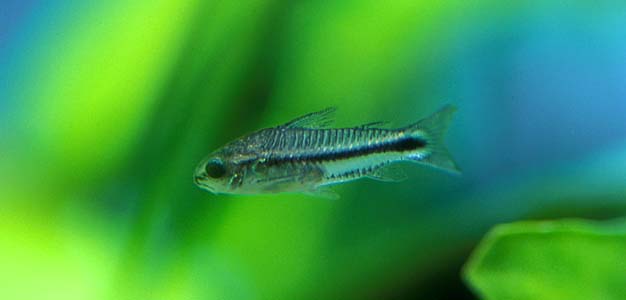
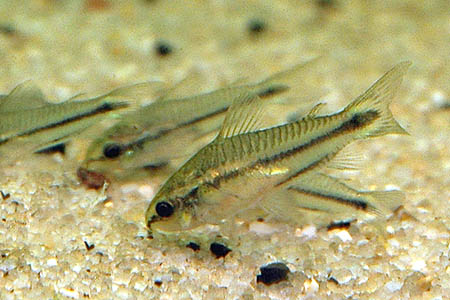
体侧连续深色纵线是识别线索,不能只因个体小就与其他迷你鼠鱼混为一谈。偶尔到水面吞气属于辅助呼吸;若频率明显增加,需留意水况。胸鳍硬刺容易挂网并刺伤皮肤,转移时避免徒手抓握。
图片
图片来自 SeriouslyFish,版权归各摄影者所有。
English
Overview
The tiny Gastrodermus pygmaeus differs from many cory-type catfishes by spending substantial time in midwater. It is peaceful but easily intimidated or eaten by larger companions, so group size and feeding access matter more than simply finding spare space near the bottom.
Distribution & habitat
It appears restricted to Brazil's Madeira basin. Small tributaries, creeks, pools, and flooded forest provide habitat, with groups sheltering around marginal vegetation and roots.
Aquarium setup
Use subdued lighting and plentiful cover. Dense planting, driftwood, roots, and optional surface vegetation suit it. Alternatively, sand, wood, and a maintained leaf layer can create a more open natural setting. Remove deteriorating leaf material before it accumulates. Clean substrate and deliberate feeding remain necessary despite the species' reputation as a scavenger.
Diet & feeding
Food must fit its tiny mouth. Choose fine dry foods or crush larger particles, and include small live or frozen items such as screened Daphnia and brine shrimp nauplii. Check that the group receives food directly rather than relying on leftovers.
Behaviour & compatibility
Keep at least six, preferably ten or more when space allows. A dedicated group or a community of similarly tiny, calm fishes is suitable. Larger cichlids, gouramis, and catfishes can present predation or feeding-competition problems. Allow for its midwater shoaling instead of treating it as a strictly bottom-dwelling resident.
Sexual dimorphism
Viewed from above, females are broader and rounder, especially when carrying eggs. They are usually slightly larger as well.
Breeding
General cory breeding methods can work, but the exceptionally small fry need finer initial food. Provide gentle sponge filtration and fine vegetation, with more males than females. Well-conditioned adults may respond to cooler water changes and increased oxygenation; repeated stimulation is not a guarantee of spawning.
Courtship involves pursuit and a T-shaped position. The female holds one egg between her pelvic fins before attaching it to glass or another surface. The precise fertilization pathway remains partly inferential. Adults eat eggs, so separate them or transfer eggs into matching, well-oxygenated water. Remove fungal eggs promptly.
Hatching takes about three to five days. Once the yolk is absorbed, offer infusoria-sized foods before progressing to microworms or brine shrimp nauplii. A thin sand layer may improve the condition of growing fry.
Notes
The continuous dark lateral stripe helps distinguish it from other miniature corys. Occasional surface gulps are normal auxiliary breathing; increased frequency warrants attention to water conditions. Stiff pectoral spines can catch in nets or puncture skin, requiring care during transfer.
来源
- https://www.seriouslyfish.com/species/gastrodermus-pygmaeus(抓取于 2026-10-10)
gastrodermus-pygmaeus · 文件: data/species/gastrodermus-pygmaeus.md · 状态: 草稿