矛斑兵鲶 · Tail-spot Pygmy Cory
概要
| 字段 | 值 |
|---|---|
| 类别 | 鱼 |
| 学名 | Gastrodermus hastatus |
| 别名 | 矛斑兵鯰、Corydoras australe、Corydoras hastatus |
| 分类 | 鲶形目 Siluriformes › 美鲶科 Callichthyidae › Gastrodermus |
| 水体 | 淡水 |
| 原产地 | 巴西、玻利维亚、巴拉圭及阿根廷东北部的亚马孙河与巴拉圭河流域 |
| 成体体长 | 3.2 cm |
| 饲养难度 | 入门 |
| 最小水体 | 54 L |
| 最小缸长 | 60 cm |
| 群居方式 | 群游 |
| 性情 | 温和 |
| 外部数据 | seriouslyfish gastrodermus-hastatus;fishbase 12178 |
| 游动层 | 中层 |
| 繁殖方式 | 附着产卵 |
水质参数
| 参数 | 耐受范围 | 最适范围 | 单位 |
|---|---|---|---|
| 水温 | 20–26 | — | °C |
| pH | 6–7.5 | — | — |
| 总硬度 | 2–12 | — | dGH |
概述
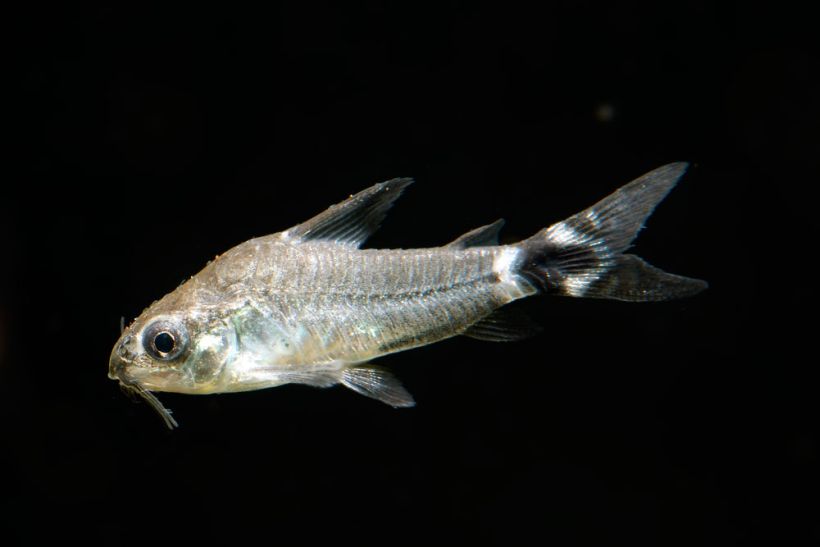
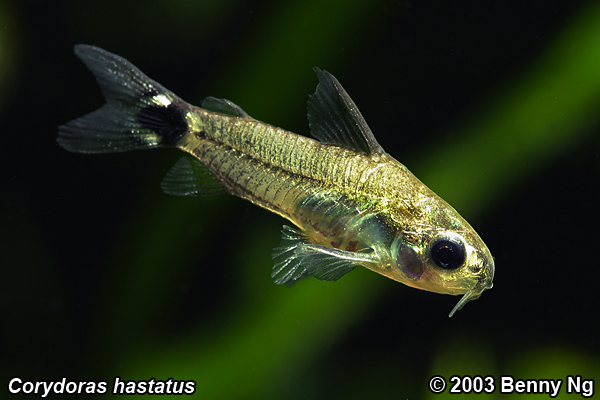
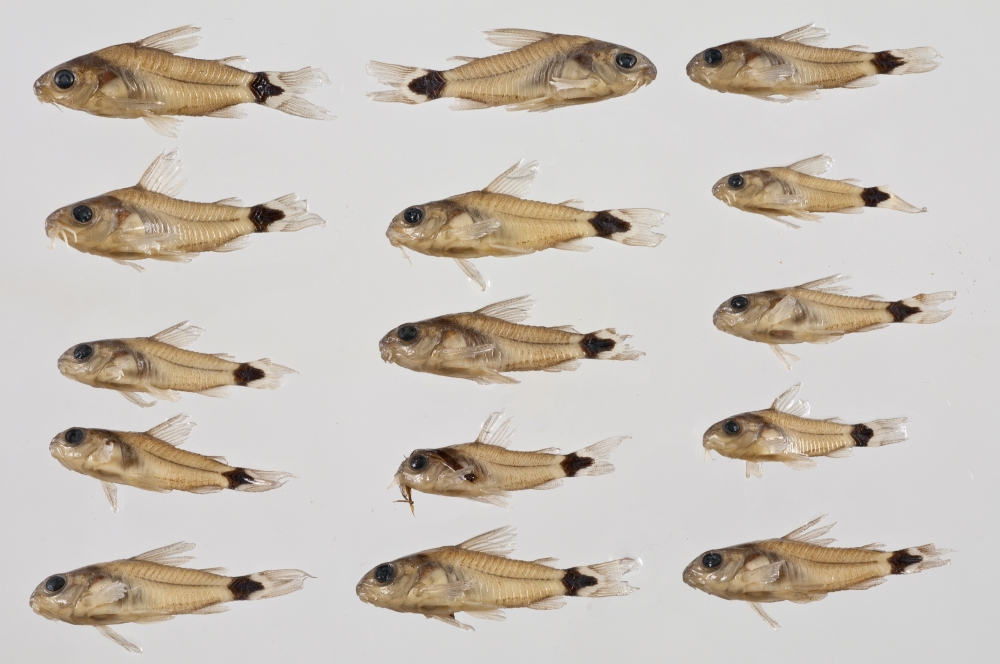
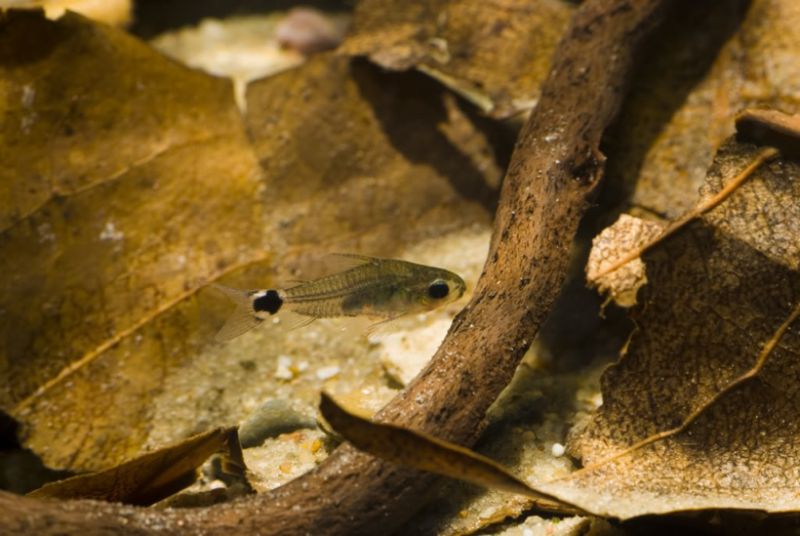
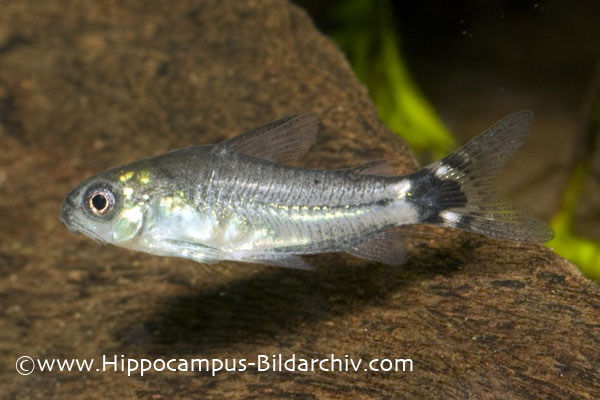
矛斑兵鲶(Gastrodermus hastatus)是体型很小但经常中层群游的鼠鱼,尾柄有近菱形深色斑。小体型不等于适合极小水体,它需要群体伙伴与足够游动空间,不宜塞入微型缸。
分布与栖息地
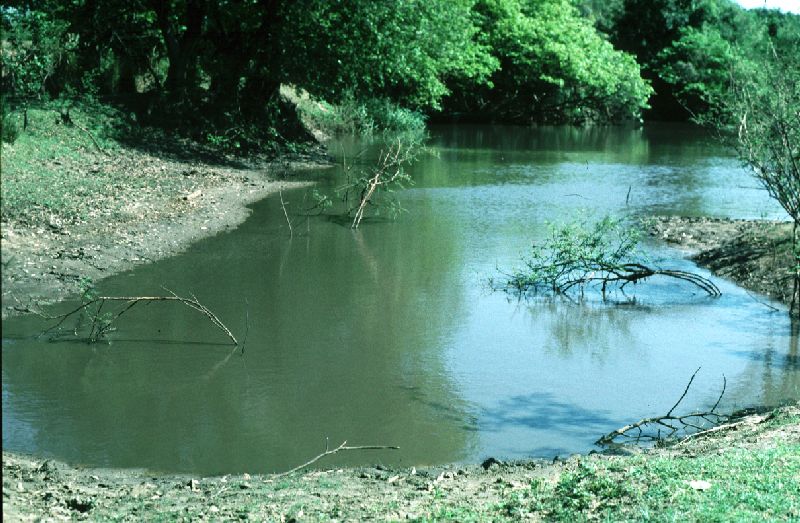
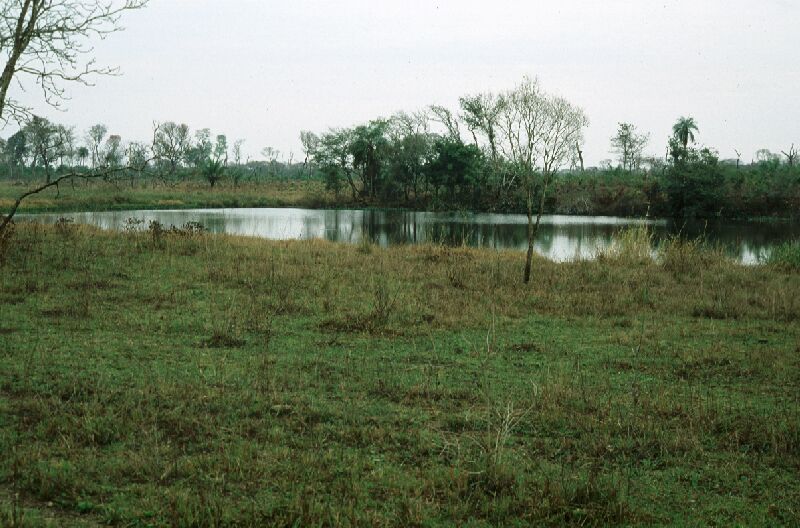
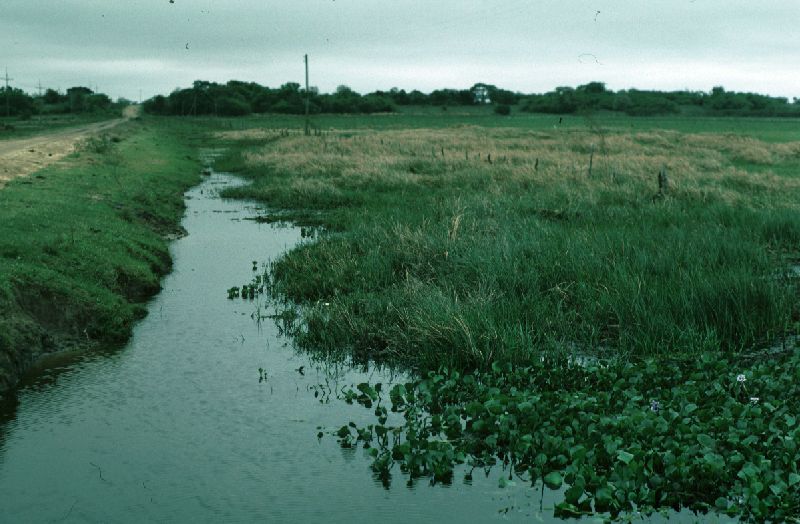
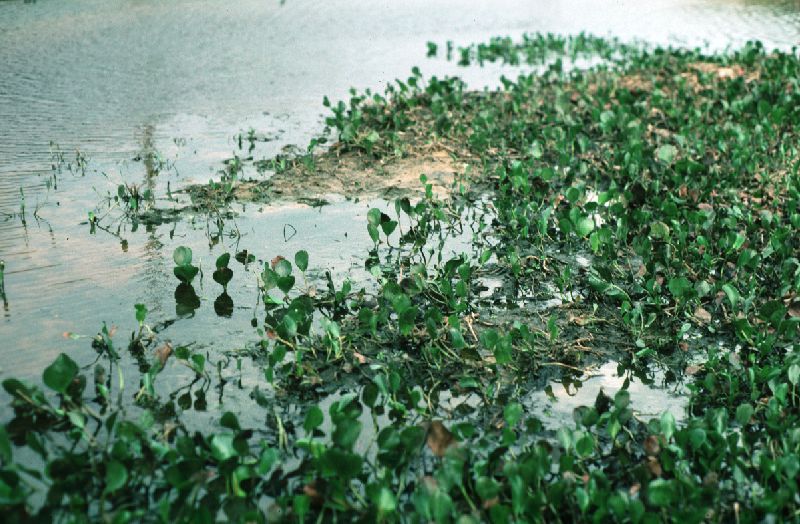
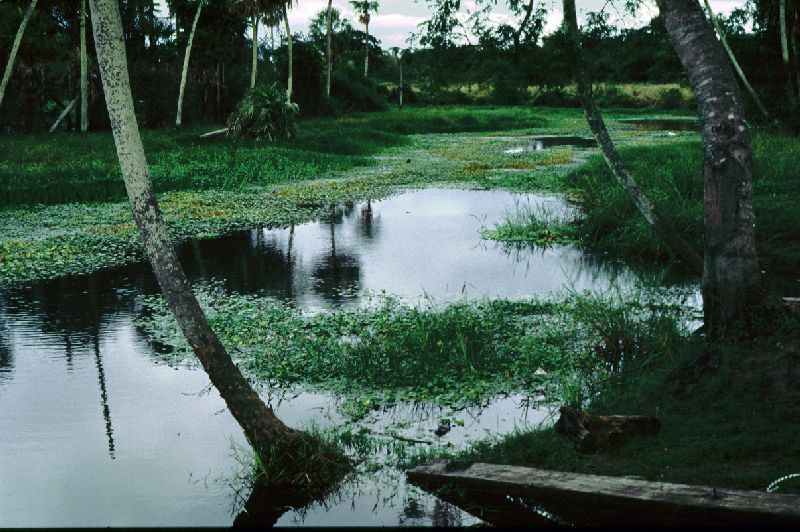
分布横跨亚马孙河与巴拉圭河流域,见于巴西、玻利维亚、巴拉圭和阿根廷东北部。多采自浅水边沟、回水区、沼泽、泛滥平原湖泊和小支流,底部为泥或黏土,水可清也可浑;有些地点几乎没有植被,有些则长满沉水草或浮水植物。
饲养环境
细砂或保持洁净的圆润砾石均可,利用沉木根枝、落叶及水面植物提供安全感,并保留群游空间。
食性与喂食
会从水中捕食部分浮游动物,菜单中宜经常有适口活水蚤、丰年虾等。也可配合合适粒径的下沉饲料与小型冷冻饵观察进食,不应只期待它捡其他鱼的残饵,更不是清洁工具。
习性与混养
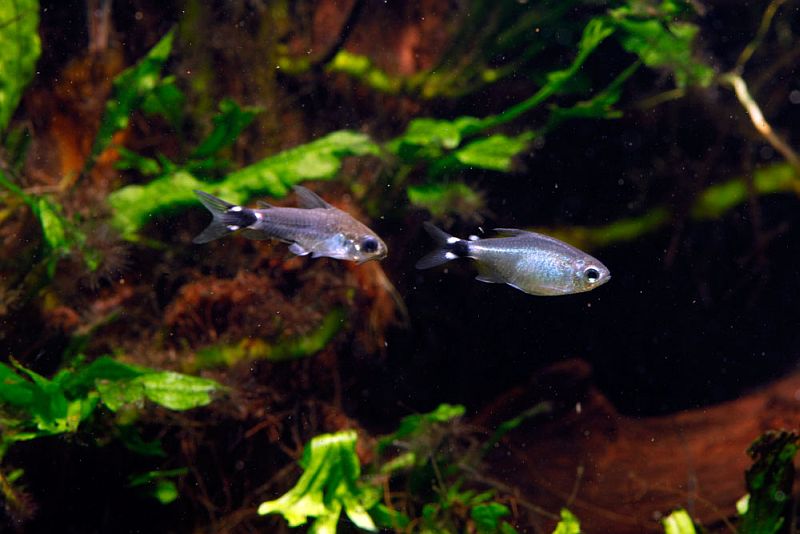
温和群居,至少四至六条,十条以上更理想。经常离开底部在中层活动,野外还能与花纹近似的小型灯鱼混群。选择同伴必须考虑其小体型,它难以与大得多或十分强健活跃的鱼竞争。
雌雄区分
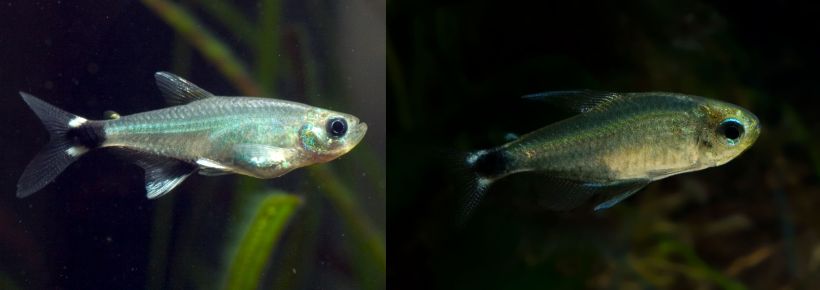
雌鱼一般更大,成熟后身形明显更宽、更高。
繁殖
可按鼠鱼常用方式尝试,以每雌配两雄或更多,待雌鱼怀卵后,以较凉的软水换水并增加充氧、水流刺激。卵可黏在玻璃、细叶植物或沉水产卵拖把上。
产后分开成鱼与卵,孵化水应与产卵缸相同并充分供氧,注意发霉的卵。通常三四天孵化,卵黄消耗后可吃微虫或丰年虾无节幼体。育苗需要很好的水质,薄砂底似乎比全裸底更有利。
补充说明
常与其他迷你鼠鱼混淆,尾柄的菱形斑是实用识别线索,应与体侧带长条纹的近似种区分。混群及相似花纹可能帮助避开捕食者,但这仍是对其生态作用的解释。偶尔上浮吞气是正常辅助呼吸,胸鳍硬刺依然需要谨慎处理。
图片
图片来自 SeriouslyFish,版权归各摄影者所有。
English
Overview
Tiny Gastrodermus hastatus is an active midwater cory, recognizable by a roughly diamond-shaped dark tail-base spot. Its size should not be used to justify a cramped nano aquarium. A proper group and swimming room are important parts of its care.
Distribution & habitat
The range spans Amazon and Paraguay drainages in Brazil, Bolivia, Paraguay, and northeastern Argentina. Collections come mainly from shallow marginal channels, backwaters, swamps, floodplain lakes, and small tributaries. Water clarity and vegetation vary greatly, with mud or clay common beneath both open and densely vegetated habitats.
Aquarium setup
Fine sand or clean, rounded gravel is suitable. Provide security with roots, branches, leaf litter, and surface plants while leaving room for group swimming.
Diet & feeding
Some feeding takes place on pelagic zooplankton, making appropriately sized live water fleas, brine shrimp, and similar items valuable regular offerings. Suitable prepared and frozen foods can supplement the diet according to acceptance. Food intended for these fish is essential; leftovers and a supposed cleaning role are inadequate.
Behaviour & compatibility
Keep at least four to six, preferably ten or more. Peaceful groups spend considerable time in midwater and can join similarly patterned small characins in nature. Choose aquarium companions carefully because much larger or more robust fishes outcompete this small species.
Sexual dimorphism
Females tend to grow larger and develop a deeper, broader outline at maturity.
Breeding
Use a male-biased group and condition adults before attempting to stimulate ripe females with cooler, softer replacement water and increased aeration and flow. Eggs can attach to glass, fine foliage, or submerged spawning mops.
Separate the eggs from adults after laying. Matching, well-oxygenated water is needed for incubation, with fungal losses monitored. Hatching normally takes three or four days. Microworms or brine shrimp nauplii are suitable after yolk absorption. Fry demand excellent water quality; a shallow sandy floor appears beneficial compared with a completely bare setup.
Notes
The tail-base spot separates it from a commonly confused pygmy cory with a long lateral stripe. Similar coloration and mixed shoaling may help reduce predation, although that ecological explanation remains tentative. Occasional surface gulps are normal, and even these small fish have pectoral spines that require careful handling.
来源
- https://www.seriouslyfish.com/species/gastrodermus-hastatus(抓取于 2026-10-10)
gastrodermus-hastatus · 文件: data/species/gastrodermus-hastatus.md · 状态: 草稿