细兵鲶
概要
| 字段 | 值 |
|---|---|
| 类别 | 鱼 |
| 学名 | Gastrodermus gracilis |
| 别名 | 細兵鯰、Corydoras gracilis |
| 分类 | 鲶形目 Siluriformes › 美鲶科 Callichthyidae › Gastrodermus |
| 水体 | 淡水 |
| 原产地 | 巴西亚马孙河流域中部,朱里蒂河至朱马河 |
| 成体体长 | 4 cm |
| 饲养难度 | 入门 |
| 最小水体 | 54 L |
| 最小缸长 | 60 cm |
| 群居方式 | 群游 |
| 性情 | 温和 |
| 外部数据 | seriouslyfish gastrodermus-gracilis;fishbase 46079 |
| 食性 | 杂食 |
| 繁殖方式 | 附着产卵 |
水质参数
| 参数 | 耐受范围 | 最适范围 | 单位 |
|---|---|---|---|
| 水温 | 20–26 | — | °C |
| pH | 5–7.5 | — | — |
| 总硬度 | 2–12 | — | dGH |
概述
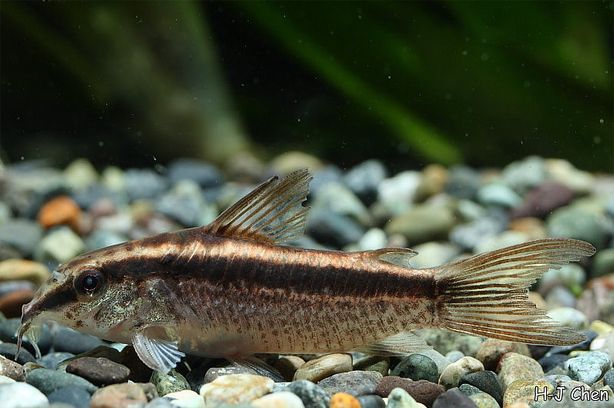
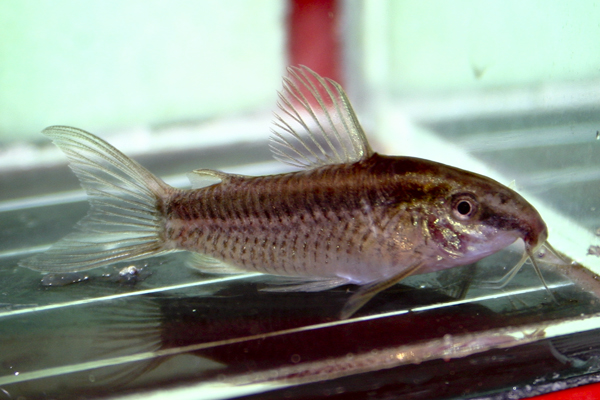
细兵鲶(Gastrodermus gracilis)是一种小型群居鼠鱼,浅色身体上有从吻端沿背侧弯曲延伸的深色条带。辨识时应注意条带终止在尾鳍上部鳍条的基部,而非继续向尾柄下方和尾鳍下叶延伸。
分布与栖息地
分布于巴西亚马孙河流域中部,从帕拉州朱里蒂河到亚马孙州朱马河一带。似乎偏好岸边植被密集的小支流,水中有落叶和枝条,水质偏酸且受单宁染色。部分自然栖息地受到农业开发及水坝建设影响。
饲养环境
细砂配合沉木根枝和干燥落叶可提供接近栖息地的遮蔽。圆润砾石也能使用,但须保持十分洁净。布置应让鱼有安全感,而不是把小型鱼暴露在空旷无处退避的缸中。
食性与喂食
杂食,可搭配下沉干饲料、红虫、水蚯蚓等小型活饵或冷冻饵。菜单保持多样,确认群体有自己的食物份额;它不是只靠残饵维生的清洁工具。
习性与混养
性情温和,喜欢群居,至少四至六条共同饲养。
雌雄区分
雌鱼一般更大,成熟后体形比雄鱼更宽、更高。
繁殖
可采用鼠鱼常见方式,以每条雌鱼配两条或更多雄鱼,雌鱼怀卵后尝试较凉新水以及增强充氧、水流。卵可附在玻璃、细叶植物或沉水产卵拖把上,拖把有利于完整移卵。
产后隔开成鱼与卵,孵化容器使用同样的水并充分供氧,注意霉卵。通常三四天孵化,吸收卵黄后可用微虫或丰年虾无节幼体开口。鱼苗不算容易养,需要很好的水质,薄砂底似乎比全裸底更有利。
补充说明
上背部弧形条纹与数种近似鱼相似,条纹在尾部的终点比单看整体配色更有辨识价值。偶尔上浮吞气属肠道辅助呼吸。移鱼时避免胸鳍硬刺刺伤,关于刺基部分泌物轻微毒性的说法仍属推测。
图片
图片来自 SeriouslyFish,版权归各摄影者所有。
English
Overview
The small Gastrodermus gracilis carries an arched dark stripe over a pale body. Where that stripe ends is an important identification clue: it reaches the base of the upper tail rays instead of continuing down onto the lower tail region as in several look-alikes.
Distribution & habitat
Its central Amazon range in Brazil extends from the Juriti in Pará to the Juma in Amazonas. It apparently favors small tributaries with dense bankside vegetation, submerged leaves and branches, and acidic, tannin-stained water. Agricultural conversion and dam construction have damaged some habitats.
Aquarium setup
Use fine sand with sheltered areas formed by roots, branches, and dried leaves. Rounded gravel is another possibility if kept scrupulously clean. The arrangement should give these small fish secure places to withdraw.
Diet & feeding
Provide a varied omnivorous menu of sinking prepared foods and small live or frozen items such as bloodworms and aquatic worms. Ensure that the group receives a deliberate ration. Neither leftovers nor a supposed cleaning role can replace proper feeding.
Behaviour & compatibility
A peaceful, group-living species, it should be kept in a shoal of at least four to six.
Sexual dimorphism
Females generally grow larger and develop a broader, deeper body than mature males.
Breeding
Use two or more males per female where possible. Cooler replacement water and greater oxygenation and circulation can stimulate ripe females. Eggs attach to glass, fine plants, or submerged mops; mops simplify removal.
Separate the brood from adults once laying ends. Maintain matching water and good aeration during incubation, and watch for fungal losses. Hatching normally occurs after three or four days. Tiny live foods, including microworms and brine shrimp nauplii, become suitable once yolk is consumed. Raising the fry requires excellent water quality, and a thin layer of sand appears beneficial compared with a completely bare floor.
Notes
Compare the end of the arched stripe when checking identity rather than relying only on overall pattern. Surface gulps are part of intestinal air breathing. Sharp pectoral spines require careful handling, while suggestions of mildly toxic secretions remain uncertain.
来源
- https://www.seriouslyfish.com/species/gastrodermus-gracilis(抓取于 2026-10-10)
gastrodermus-gracilis · 文件: data/species/gastrodermus-gracilis.md · 状态: 草稿