胸斧鱼 · Common Hatchetfish
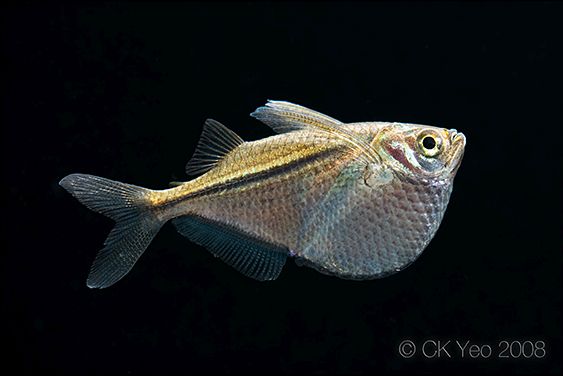
概要
| 字段 | 值 |
|---|---|
| 类别 | 鱼 |
| 学名 | Gasteropelecus sternicla |
| 别名 | 胸斧魚、Silver Hatchetfish、Clupea sternicla、Salmo gasteropelecus、Gasteropelecus argenteus、Gasteropelecus coronatus、Gasteropelecus sternicla morae |
| 分类 | 脂鲤目 Characiformes › 胸斧脂鲤科 Gasteropelecidae › Gasteropelecus |
| 水体 | 淡水 |
| 原产地 | 巴西、法属圭亚那、圭亚那、秘鲁、苏里南、委内瑞拉 |
| 成体体长 | 4 cm |
| 饲养难度 | 入门 |
| 最小水体 | 108 L |
| 最小缸长 | 120 cm |
| 群居方式 | 群游 |
| 性情 | 温和 |
| 外部数据 | seriouslyfish gasteropelecus-sternicla;fishbase 10725 |
| 食性 | 肉食 |
| 游动层 | 上层 |
| 特征 | 会跳缸: 是 |
水质参数
| 参数 | 耐受范围 | 最适范围 | 单位 |
|---|---|---|---|
| 水温 | 20–28 | — | °C |
| pH | 5–7.5 | — | — |
| 总硬度 | 1–12 | — | dGH |
概述
胸斧鱼(Gasteropelecus sternicla)是温和而易紧张的水面鱼,适应后通常较健壮,但新进口阶段仍可能敏感。它常与银胸斧鱼(Gasteropelecus levis)共用“银斧鱼”标签,商品名并不足以辨种。
分布与栖息地
模式产地为苏里南,其他记录包括秘鲁和巴西亚马孙河中游、委内瑞拉、圭亚那、法属圭亚那的河流及巴拉圭河盆地,完整分布仍有疑问。
多见于缓流森林溪流、支流和沼泽,尤其利用水面植物丰富的区域。
饲养环境
水面面积至少约 120 × 30 cm。浮水植物应覆盖部分水面,沉木、沙底和落叶也可形成合适布局,保留活动区。缸盖必须严密,因为它能强力跃出。
多数时间位于水面附近,但也会下潜与同种互动、觅食或静止停留,不能把偶尔离开水面当作异常。
食性与喂食
自然摄食昆虫、甲壳动物与蠕虫。刚到缸时可能对干粮犹豫,通常能逐步接受,仍应让红虫、水蚤等活饵或冷冻饵占一定比例,预先喂饱的果蝇也很合适。
习性与混养
至少六尾,以群体提供安全感。适合相容的小型温和脂鲤、短鲷及底栖鲶鱼,最好与使用其他水层的伙伴组合。过分活跃或抢食强的鱼会令它处于劣势。
雌雄区分
携卵雌鱼通常比雄鱼明显丰满。
补充说明
可靠繁殖细节尚不明确,不能将“可能像近缘种”的描述当作已验证的流程。斧头鱼离水是强力跳跃,不是持续空中飞行;夜间也应维持完整防跳遮盖。
图片
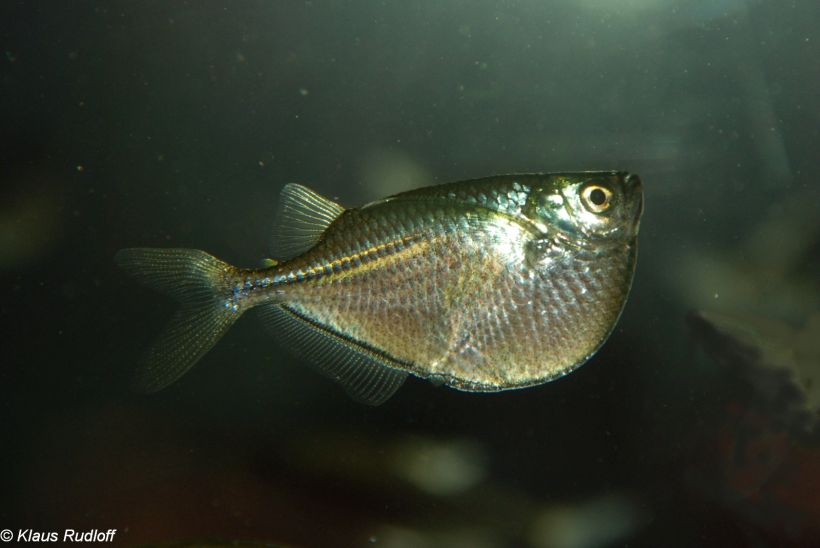
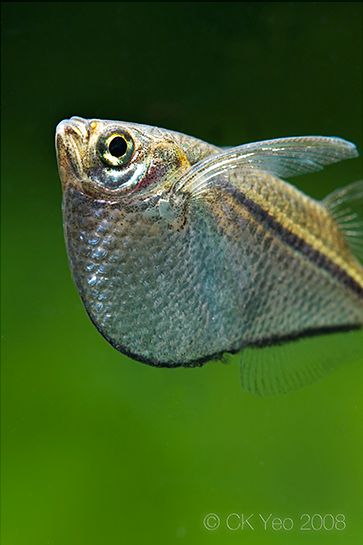
图片来自 SeriouslyFish,版权归各摄影者所有。
English
Overview
Gasteropelecus sternicla is a peaceful but nervous surface fish. Usually robust after settling, it may remain delicate during initial import acclimation. It is frequently confused with Gasteropelecus levis under shared silver-hatchetfish labels.
Distribution & habitat
Described from Suriname, it has records from the middle Amazon in Peru and Brazil, rivers in Venezuela and the Guianas, and the Paraguay basin. The full geographic extent remains questionable.
Slow forest streams, tributaries, and swamps are typical, especially where surface vegetation is abundant.
Aquarium setup
Provide at least about 120 × 30 cm of surface area. Floating plants should cover part of the water, with wood, sand, and litter optional below. Preserve activity space and fit the cover tightly against powerful leaps.
Most time is spent close to the surface, but individuals also descend to interact, feed, or rest. Occasional midwater use is therefore not inherently abnormal.
Diet & feeding
Natural foods include insects, crustaceans, and worms. New arrivals may hesitate over dry food before accepting it. Keep live and frozen items prominent, including bloodworms, water fleas, and well-fed fruit flies.
Behaviour & compatibility
Maintain at least six for confidence. Compatible small placid tetras, dwarf cichlids, and bottom catfishes are possible companions, preferably using other areas. Avoid boisterous competitors that prevent adequate feeding.
Sexual dimorphism
Egg-bearing females are noticeably rounder than males.
Notes
Reliable breeding details remain uncertain; comparison with relatives is not a verified procedure. Leaving the water involves powerful jumping rather than sustained aerial propulsion. Keep the top secure overnight as well as during daytime observation.
来源
- https://www.seriouslyfish.com/species/gasteropelecus-sternicla(抓取于 2026-10-10)
gasteropelecus-sternicla · 文件: data/species/gasteropelecus-sternicla.md · 状态: 草稿