斯氏底鰕鮰 · Golden Pheasant
概要
| 字段 | 值 |
|---|---|
| 类别 | 鱼 |
| 学名 | Fundulopanchax sjoestedti |
| 别名 | 蓝旗鮰、齐氏旗鮰、金色旗鮰、藍旗鮰、齊氏旗鮰 |
| 分类 | 鳉形目 Cyprinodontiformes › 假鳃鳉科 Nothobranchiidae › Fundulopanchax |
| 水体 | 淡水 |
| 成体体长 | 12 cm |
| 饲养难度 | 中等 |
| 最小水体 | 81 L |
| 最小缸长 | 90 cm |
| 群居方式 | 群游 |
| 特征 | 会跳缸: 是 |
| 外部数据 | seriouslyfish fundulopanchax-sjoestedti;fishbase 9792 |
| 原产地 | 尼日利亚、喀麦隆 |
| 繁殖方式 | 附着产卵 |
水质参数
| 参数 | 耐受范围 | 最适范围 | 单位 |
|---|---|---|---|
| 水温 | 23–26 | — | °C |
| pH | 6–8 | — | — |
| 总硬度 | 5–20 | — | dGH |
概述
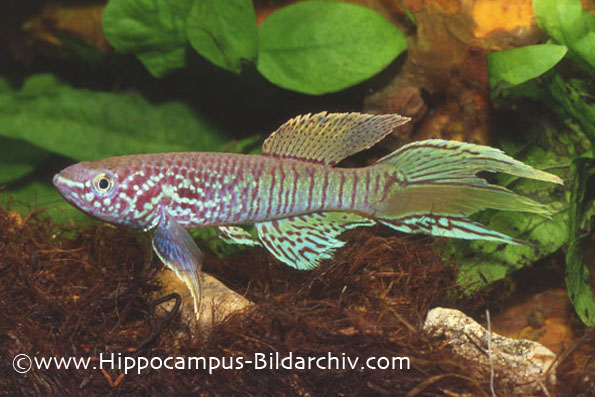
斯氏底鰕鮰(Fundulopanchax sjoestedti)体形在鳉鱼中较大,成年雄鱼色彩鲜明,鳍条延长明显。雄鱼间的冲突和对雌鱼的追逐都需要靠空间、遮蔽和合理雌雄比例来管理。
分布与栖息地
分布于尼日利亚和喀麦隆,栖息沿海雨林的沼泽区域。
饲养环境
可参考 90 × 30 × 30 厘米的空间。深色底床配合茂密水草和沉木,形成多个相互遮挡的藏身处,浮水植物可柔化光线。缸盖必须严密,它跳跃能力强。
食性与喂食
以水蚤、红虫等小型活饵和冷冻饵为主要食物,干粮仅偶尔接受,不宜以此作为必然能吃的主食。
习性与混养
可与温和、体形大到不会被视为食物的鱼混养。雄鱼之间有攻击性,多雄同养要有足够空间;每雄配两至三尾雌鱼,避免单一雌鱼承受过多追逐。
雌雄区分
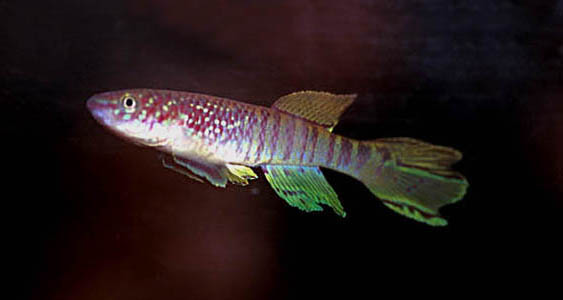
雄鱼更大、颜色更鲜艳,尾鳍、背鳍和臀鳍都有延长部分。雌鱼较小、色彩朴素,腹部更圆。
繁殖
属于底床产卵型。亲鱼先分性别调养,选择状态好的雄鱼和腹部丰满的雌鱼入繁殖缸;使用弱光或无灯环境,可放泥炭、产卵拖把或细叶植物,以泥炭通常较多产。小型海绵过滤可防止水体停滞。
一雄两雌约产卵一周后宜分开恢复,避免雌鱼过度消耗。卵可留缸孵化,但亲鱼会吃掉部分卵苗,提高数量则应取出。水孵法需避光,每天检查并移除发霉卵,通常约 21 天孵化。
也可连同泥炭取出,沥干数小时后装袋,标明物种、日期和预计孵化时间;约 10–12 周后加水可刺激孵化。鱼苗起初用浅水,可立即喂丰年虾无节幼体或微虫,约两周后逐渐增大食物和水深。
图片
图片来自 SeriouslyFish,版权归各摄影者所有。
English
Overview
A large killifish with striking adult males, Fundulopanchax sjoestedti requires space and cover to manage aggression. Fin extensions and bright coloration make males distinctive, but their interactions with other males and females need attention.
Distribution & habitat
It occurs in swampy coastal-rainforest habitats in Nigeria and Cameroon.
Aquarium setup
A 90 by 30 by 30 cm aquarium is the maintenance reference. Dark substrate, dense plants, and wood provide sheltered spaces, while floating cover softens the lighting. Fit the lid securely to contain this accomplished jumper.
Diet & feeding
Base feeding on small live and frozen foods such as Daphnia and bloodworms. Dry foods are only occasionally accepted, so dependable access to suitable prey foods matters.
Behaviour & compatibility
Peaceful fishes too large to be considered prey can be suitable companions. Males are aggressive toward one another and require enough space when housed together. Two or three females per male help spread persistent courtship attention.
Sexual dimorphism
Males are larger and brighter, with extensions to the dorsal, anal, and caudal fins. Females are smaller, plainer, and rounder through the abdomen.
Breeding
This substrate spawner can use peat, mops, or fine plants, with peat often producing the most eggs. Condition the sexes separately and select vigorous breeders. An unlit or dim spawning aquarium with gentle sponge filtration is suitable.
After about a week, return the trio to conditioning, allowing females to recover. Eggs can hatch with the adults, but removal improves yield because some eggs and fry are eaten. Water incubation requires darkness and daily removal of fungal eggs; hatching commonly takes about 21 days.
Alternatively, remove peat with the eggs, drain it for several hours, and bag it with identification and date labels. Wetting after roughly 10–12 weeks can trigger hatching. Start fry in shallow water with Artemia nauplii or microworms, then gradually increase water depth and food size as they grow.
来源
- https://www.seriouslyfish.com/species/fundulopanchax-sjoestedti(抓取于 2026-10-10)
fundulopanchax-sjoestedti · 文件: data/species/fundulopanchax-sjoestedti.md · 状态: 草稿