黑边旗鮰 · Steel-blue Killifish
概要
| 字段 | 值 |
|---|---|
| 类别 | 鱼 |
| 学名 | Fundulopanchax gardneri |
| 别名 | 茄氏旗鮰、黑邊旗鮰、Fundulus gardneri、Haplochilus brucii、Aphyosemion gardneri、Aphyosemion nigerianum、Aphyosemion gardneri vanderveldei、Aphyosemion gardneri lacustre、Aphyosemion gardneri mamfense、Aphyosemion gardneri obuduense、Aphyosemion gardneri clauseni、Aphyosemion nigerianum meridionale、Aphyosemion biafranum |
| 分类 | 鳉形目 Cyprinodontiformes › 假鳃鳉科 Nothobranchiidae › Fundulopanchax |
| 水体 | 淡水 |
| 原产地 | 喀麦隆、尼日利亚 |
| 成体体长 | 5.5 cm |
| 饲养难度 | 中等 |
| 群居方式 | 成对 |
| 特征 | 会跳缸: 是 |
| 外部数据 | seriouslyfish fundulopanchax-gardneri-gardneri;fishbase 9739 |
| 食性 | 肉食 |
| 繁殖方式 | 产卵 |
水质参数
| 参数 | 耐受范围 | 最适范围 | 单位 |
|---|---|---|---|
| 水温 | 20–26 | — | °C |
| pH | 6–7.5 | — | — |
| 总硬度 | 1–10 | — | dGH |
概述
黑边旗鮰(Fundulopanchax gardneri)的常见水族品系较强健、容易繁殖,但并非适合任意混养。它的卵既能在水中发育,也可经一段干存后再孵化,不能简单按必须干存的周年鳉处理。
分布与栖息地
主要分布包括尼日利亚与喀麦隆的克罗斯河水系及贝努埃河流域,不同命名型的范围有所差异。栖息于湿润林地、高地草原与雨林中的小溪、沼泽和水池,有些水体会干涸,也有全年保水的地点。
饲养环境
务必严密加盖,它很善跳。水草、产卵拖把等可提供躲藏与产卵位置,若使用过滤,以温和的气动海绵过滤较合适,也利于保护卵和鱼苗。照明不是关键,少量丝状藻不必刻意清除。
食性与喂食
主要摄食小型甲壳类、蠕虫、昆虫幼虫及其他浮游动物,也可能摄入藻类或植物材料。多数个体能接受干粮,仍宜定期补充丰年虾、水蚤、红虫等小型活冷冻饵。
习性与混养
雄鱼之间可能互相攻击,群养需要足够藏身处。每雄配两至三尾雌鱼有助分散追逐压力,不宜把它当作普通社区缸的通用成员。
雌雄区分
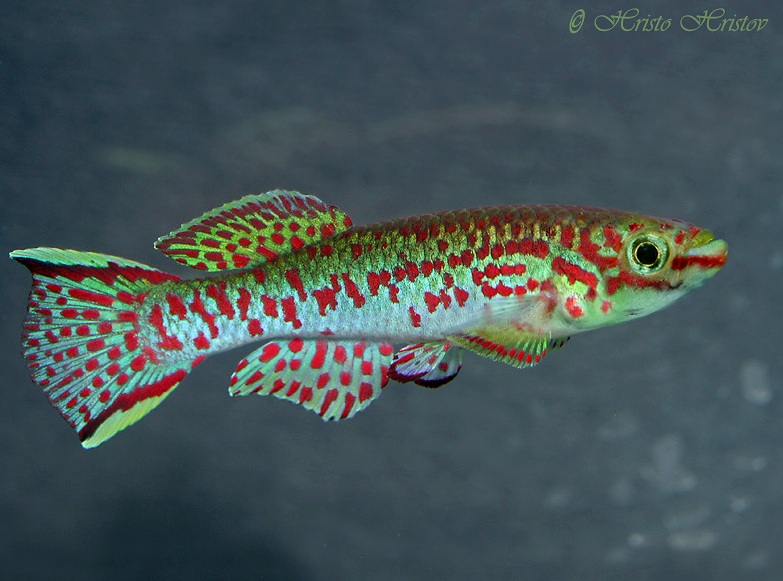
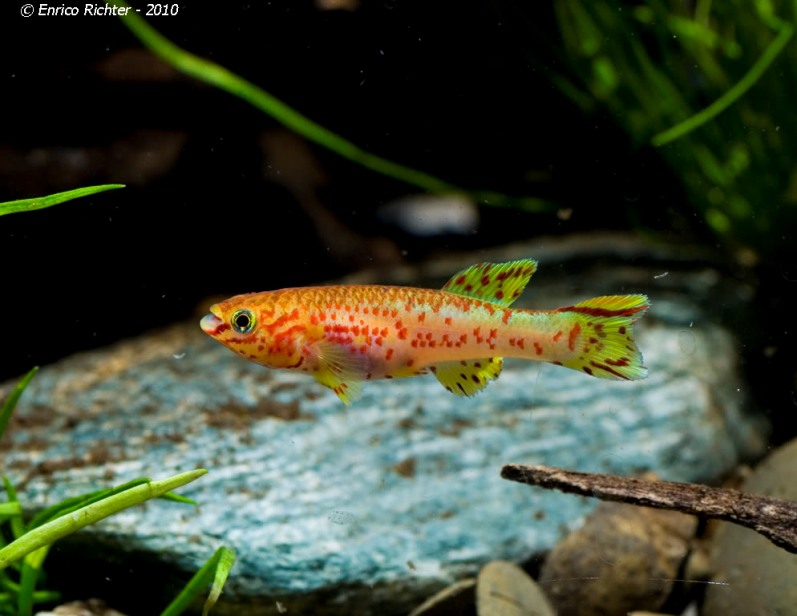
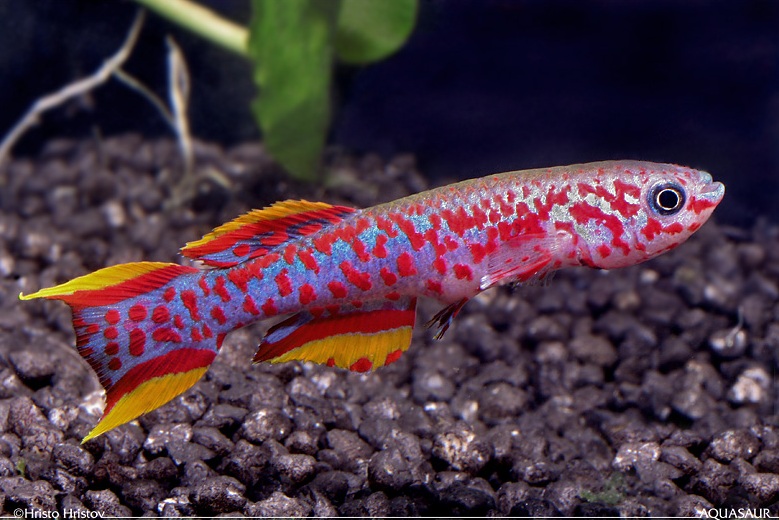
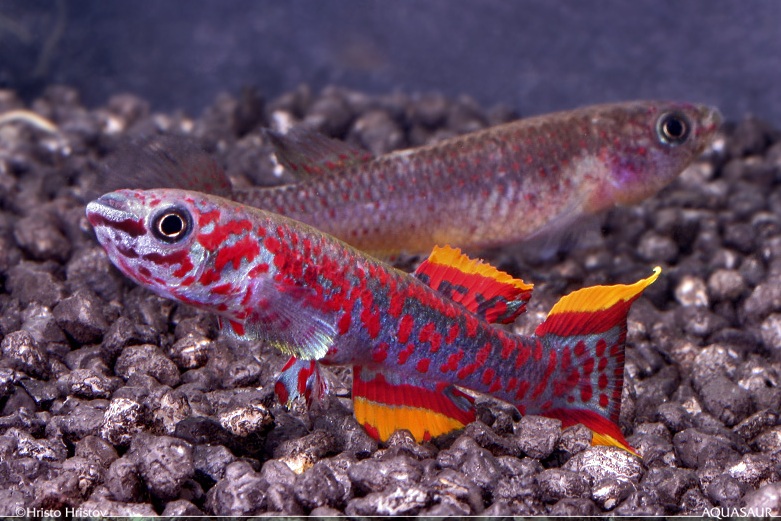
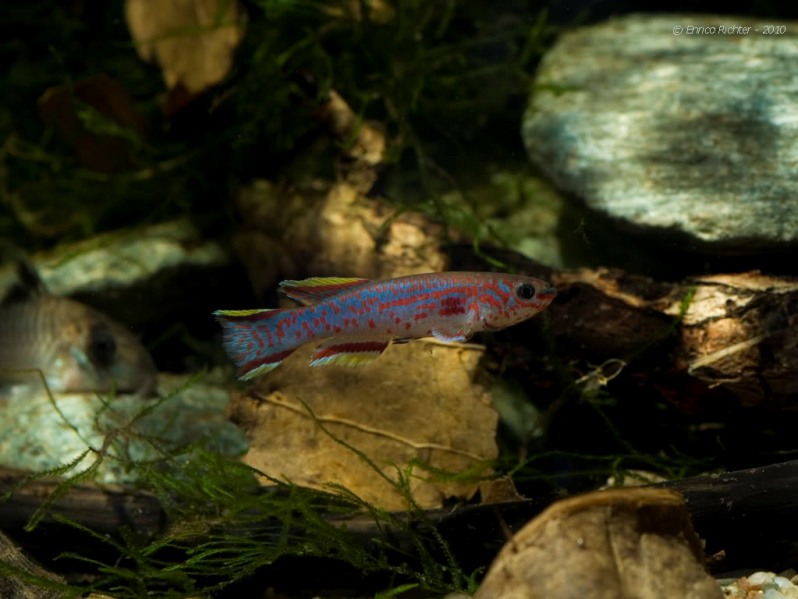
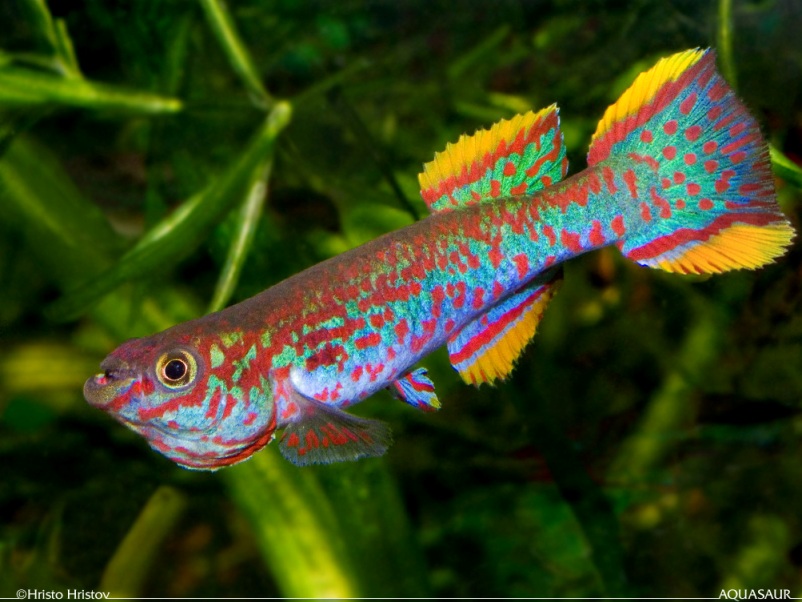
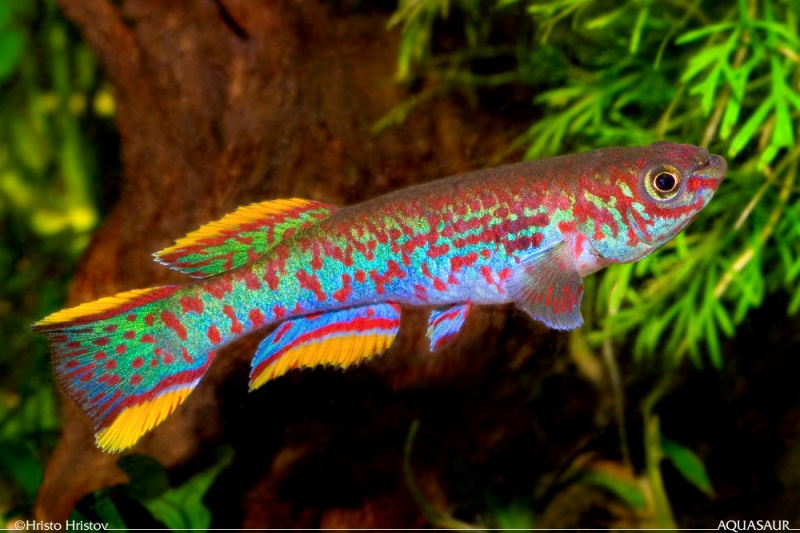
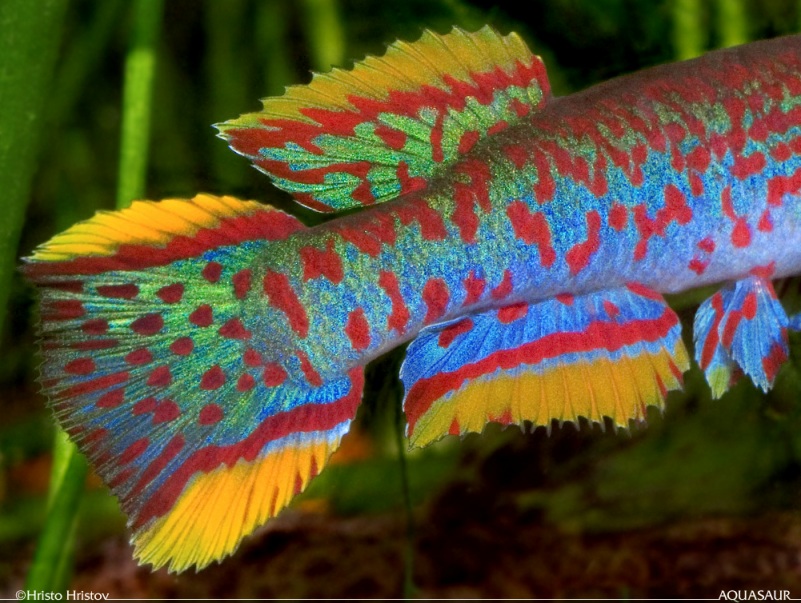
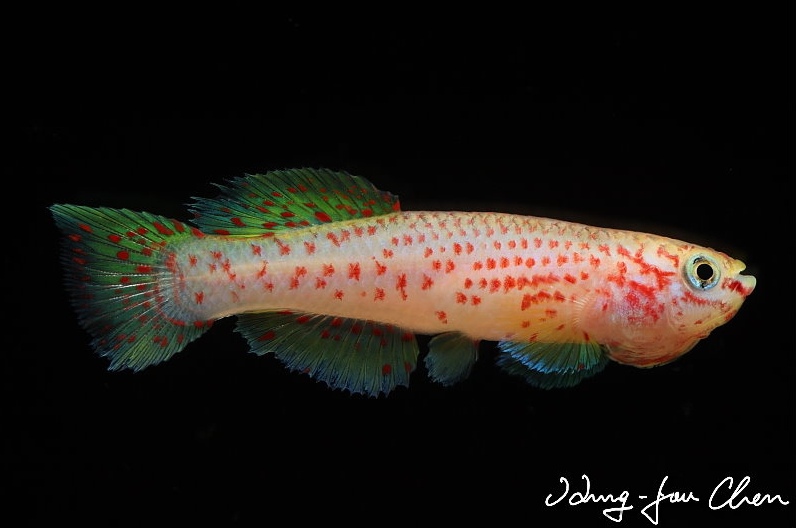
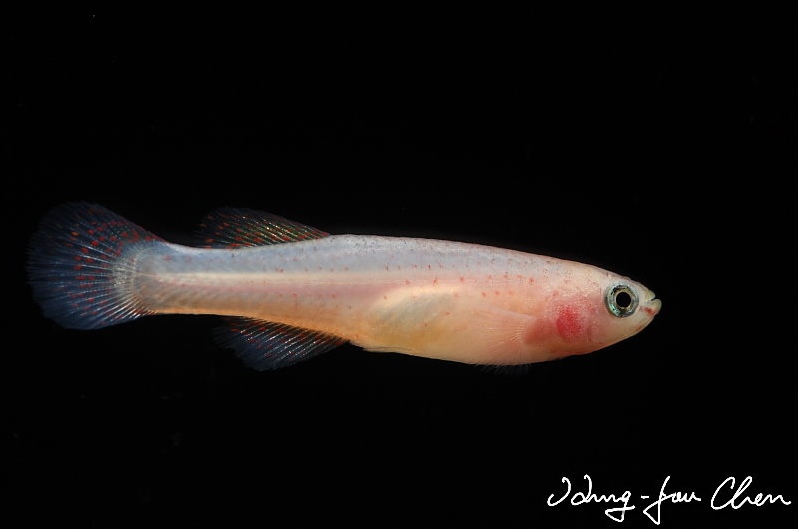
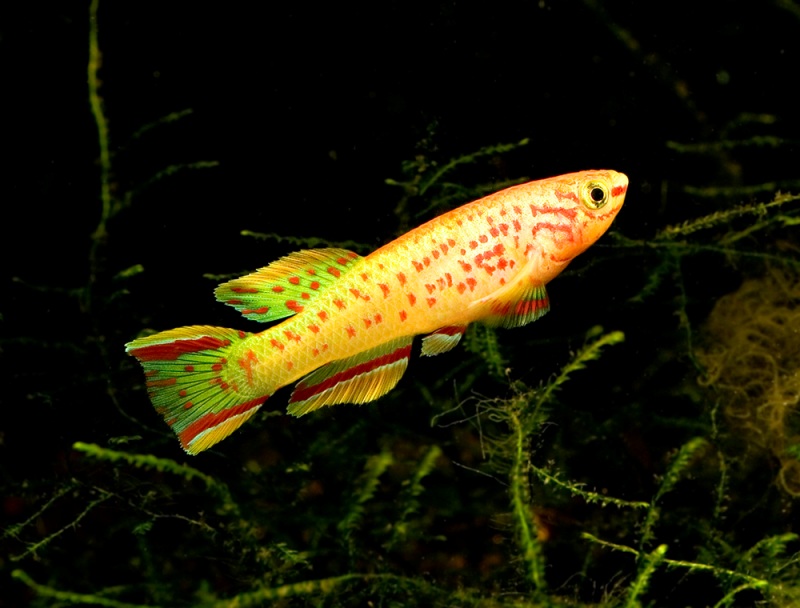
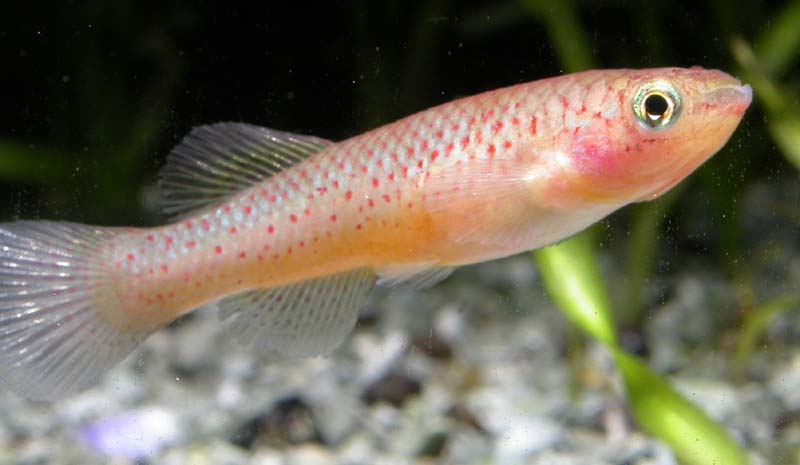
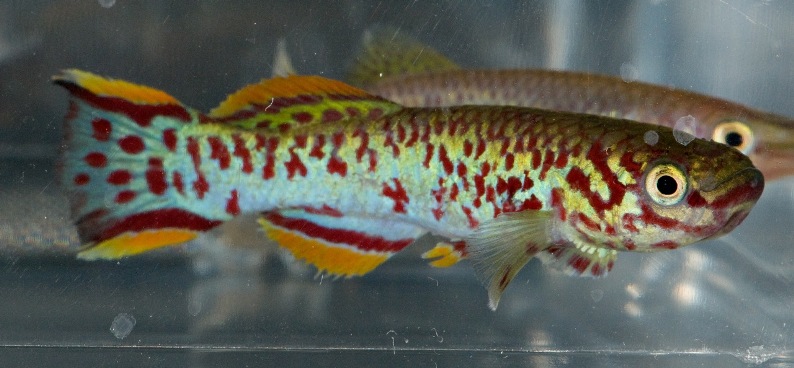
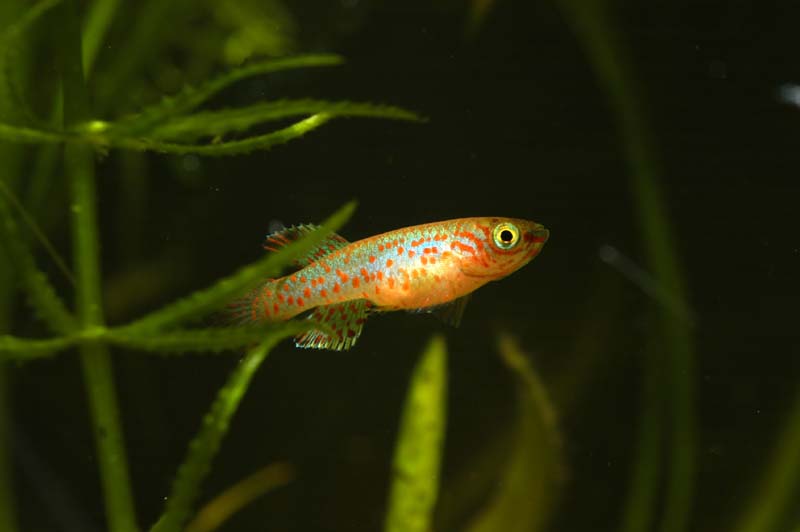
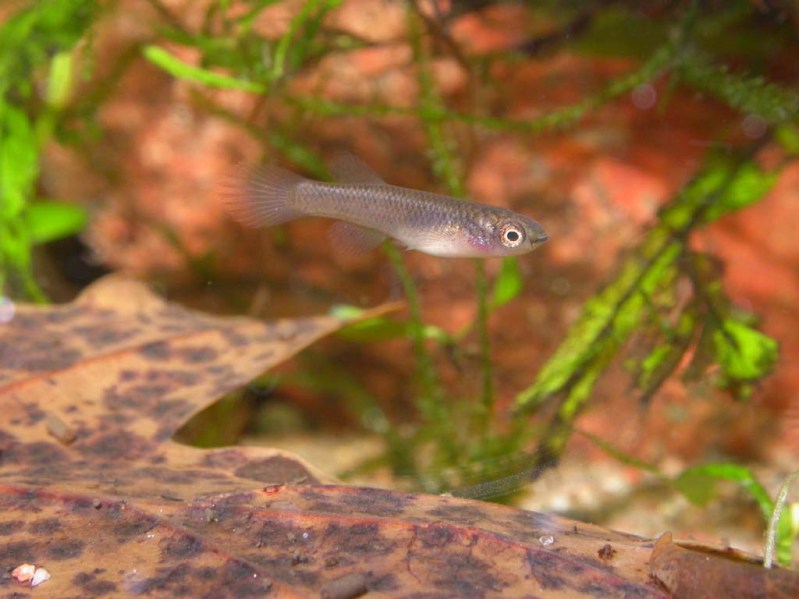
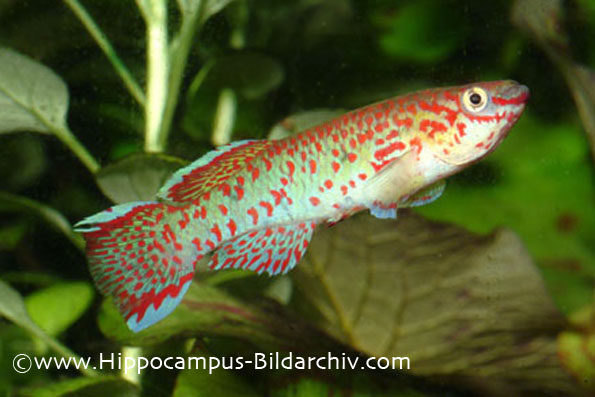
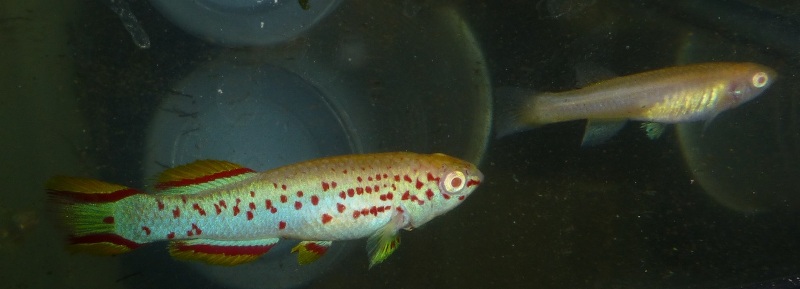
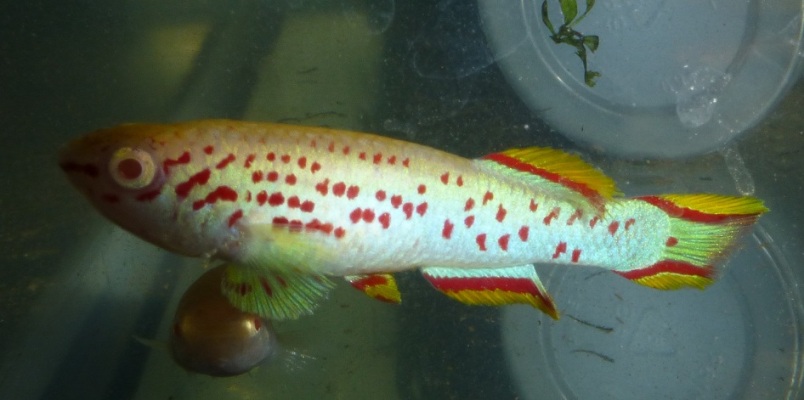
雄鱼通常更大、颜色更鲜艳,鳍也更延长。
繁殖
可在植物、莫丝或人工拖把中产卵,也有人使用可取出的泥炭盘。亲鱼会吃找到的卵,宜每天收集。水中孵化通常需 14–21 天,随温度变化;采用干存方法时,常见储存期约三至四周。鱼苗很快能自由游动,可用丰年虾无节幼体或微虫开口。
补充说明
野生种群有多种颜色型,已知产地或采集编号应随血系保留,避免杂交;金色、白化等则属于人工选育品系。常见品系较容易上手,不代表所有来源个体的表现都完全一致。
图片
图片来自 SeriouslyFish,版权归各摄影者所有。
English
Overview
Common aquarium forms of Fundulopanchax gardneri are robust and breed readily, but tankmates still need selection. Its eggs can develop underwater or survive a dry interval, offering flexibility rather than requiring an annual drying cycle.
Distribution & habitat
Its range includes the Cross and Benue systems in Nigeria and Cameroon, with differing distributions among named forms. Creeks, pools, streams, and swamps occur in humid forest, upland savanna, and rainforest. Some dry intermittently, while others retain water throughout the year.
Aquarium setup
A secure cover is essential for this strong jumper. Plants and yarn mops provide both refuges and spawning sites. Gentle sponge filtration helps protect eggs and fry. Lighting is optional, and some filamentous algae can remain in the aquarium.
Diet & feeding
Small crustaceans, worms, insect larvae, and other zooplankton make up the main natural diet; plant material may also be taken. Most accept dry foods, supplemented with regular live or frozen invertebrate meals.
Behaviour & compatibility
Males may fight, although groups can work with ample refuges. Providing two or three females per male helps distribute courtship pressure. Its toughness does not make it a universal community fish.
Sexual dimorphism
Males are larger and brighter, with longer fin extensions.
Breeding
Eggs are placed among plants, moss, or synthetic mops; a removable peat tray is an alternative. Collect eggs daily because adults eat those they find. Submerged incubation usually takes 14–21 days, depending on temperature, while three to four weeks is a commonly used dry-storage interval. Newly mobile fry can take Artemia nauplii, microworms, and similarly sized foods.
Notes
Preserve collection codes and locality labels for wild-derived lines to reduce accidental hybridization. Gold and albino forms have also been selectively bred. The accessibility of common aquarium strains should not erase differences among populations.
来源
ID:fundulopanchax-gardneri · 文件: data/species/fundulopanchax-gardneri.md · 状态: 草稿