吻沟非鲫
概要
| 字段 | 值 |
|---|---|
| 类别 | 鱼 |
| 学名 | Fossorochromis rostratus |
| 别名 | 黑点朴丽鱼、吻溝非鯽、黑點樸麗魚 |
| 分类 | 慈鲷目 Cichliformes › 慈鲷科 Cichlidae › Fossorochromis |
| 水体 | 淡水 |
| 成体体长 | 25 cm |
| 饲养难度 | 中等 |
| 最小水体 | 257 L |
| 最小缸长 | 150 cm |
| 群居方式 | 群游 |
| 性情 | 温和 |
| 外部数据 | seriouslyfish fossorochromis-rostratus;fishbase 2270 |
| 原产地 | 马拉维湖 |
| 繁殖方式 | 口孵 |
| 特征 | 翻底砂: 是;吃小鱼: 是 |
水质参数
| 参数 | 耐受范围 | 最适范围 | 单位 |
|---|---|---|---|
| 水温 | 25–29 | — | °C |
| pH | 7.5–8.8 | — | — |
| 总硬度 | 10–25 | — | dGH |
概述
吻沟非鲫(Fossorochromis rostratus)是体型较大、游动迅速的马拉维湖慈鲷,会筛砂取食,受惊时还可能钻入砂中。缸内必须有宽敞的开放空间和柔软砂底,不能把大量石景挤满整个缸。
分布与栖息地
马拉维湖特有种,最常见于有砂质底床的浅水环境。
饲养环境
岩石洞穴宜集中在边缘,中央留下足够游动区域,减少高速游动时碰撞的风险。砂底是必需条件,粗砾石可能在筛食或钻砂时造成损伤。繁殖时还要保留大片砂面及合适平石。
食性与喂食
不太挑食,活饵和冷冻饵料宜占较大比例,尤其喜食丰年虾、虾和红虫等无脊椎动物。通常不愿吃鱼肉,因此不适合把鱼肉当作主要投喂内容;这也不代表能安全地与很小的活鱼共处。
习性与混养
总体较温和,应群养,并避免粗暴强势的岩栖慈鲷。会吞食小鱼,混养对象必须考虑体型。群体内每雄配多雌较合适;雄鱼繁殖时领地性增强,多条优势雄鱼需要特别大的空间。
雌雄区分
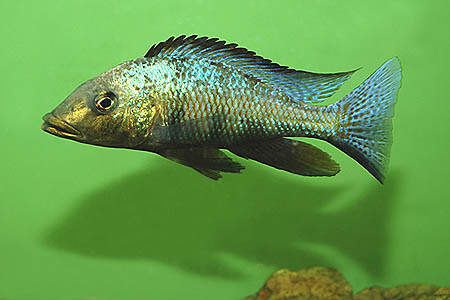
优势雄鱼颜色明显艳丽,雌鱼和非优势雄鱼外观相似,所以颜色暗淡不能直接判定为雌鱼。
繁殖
人工繁殖并不常见,采用雌鱼口孵。可从八至十条幼鱼养起,成熟后以一雄配三至六雌作为繁殖组合。雄鱼会选平石或挖坑建立产卵领地,缸内空间有限时,防御行为可能看起来很强烈。
雌鱼产卵后立即含卵,通过与雄鱼臀鳍卵斑相关的互动完成受精。含育约三周,期间暂停进食;受惊可能吐卵或吞卵,转移应谨慎,也要考虑离群过久后重新入群的压力。离口鱼苗能吃丰年虾幼体及细碎薄片,少量多餐有助生长。若留在亲鱼身边,雌鱼还可能在夜间或受惊时继续将幼鱼含入口中保护数周。
图片
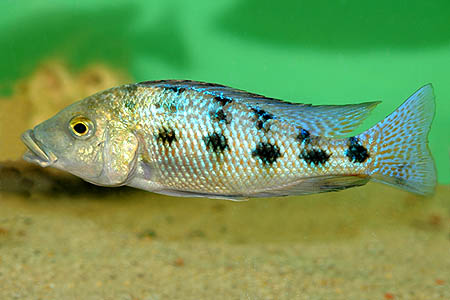
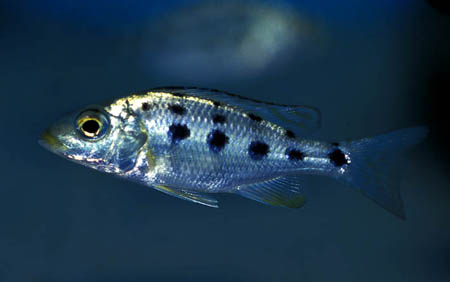
图片来自 SeriouslyFish,版权归各摄影者所有。
English
Overview
The large Malawian cichlid Fossorochromis rostratus is a fast, active swimmer that feeds by processing sand. It may also bury itself when startled. A generous open layout with fine sand is therefore much more appropriate than an aquarium packed with rocks.
Distribution & habitat
Endemic to Lake Malawi, it is particularly associated with shallow sandy areas.
Aquarium setup
Place rocky caves mainly around the edges and preserve unobstructed swimming room. This reduces collision risk during rapid movement. Sand is essential: coarser gravel can injure a fish while it feeds or buries itself. Breeding accommodation should also offer broad sand patches and some flat rocks.
Diet & feeding
Live and frozen foods should make up a substantial part of the menu, especially invertebrates such as Artemia, shrimp, and bloodworms. Fish flesh is commonly refused and is not an appropriate staple. That preference does not make tiny live tankmates safe.
Behaviour & compatibility
Maintain a group with several females for each male. Avoid boisterous rock-dwelling cichlids, and choose companions too large to be eaten. Although usually peaceful, males defend breeding sites; housing multiple dominant males takes exceptional space.
Sexual dimorphism
Dominant males become conspicuously colorful. Females and subordinate males resemble one another, so subdued color alone cannot establish sex.
Breeding
Captive reproduction is relatively uncommon and involves maternal mouthbrooding. Starting with eight to ten juveniles allows a breeding group to develop. One male with three to six females is a useful eventual arrangement. The male selects a rock or excavates a depression and defends the surrounding space, potentially claiming much of a limited aquarium.
The female gathers freshly laid eggs and responds to the male's anal-fin spots during fertilization. She holds the brood for approximately three weeks without feeding. Stress can cause premature release or brood loss, while prolonged separation may affect her position on return to the group. Move her cautiously only when needed. Newly released young accept Artemia nauplii and crushed flakes; frequent small meals support rapid growth. A female left with her fry may continue sheltering them in her mouth at night or during disturbance for several more weeks.
来源
- https://www.seriouslyfish.com/species/fossorochromis-rostratus(抓取于 2026-10-10)
fossorochromis-rostratus · 文件: data/species/fossorochromis-rostratus.md · 状态: 草稿