台湾缨口鳅 · Tasseled-mouth Loach
概要
| 字段 | 值 |
|---|---|
| 类别 | 鱼 |
| 学名 | Formosania lacustris |
| 别名 | 石贴仔、花贴仔、鹿仔鱼、台灣纓口鰍、石貼仔(台湾)、花貼仔(台湾)、鹿仔魚(台湾)、Crossostoma lacustre、Homaloptera formosanum、Formosania gilberti |
| 分类 | 鲤形目 Cypriniformes › 腹吸鳅科 Gastromyzontidae › Formosania |
| 水体 | 淡水 |
| 原产地 | 中国台湾、福建 |
| 成体体长 | 12 cm |
| 饲养难度 | 中等 |
| 最小水体 | 108 L |
| 最小缸长 | 120 cm |
| 群居方式 | 群游 |
| 性情 | 温和 |
| 水流偏好 | 高 |
| 特征 | 会跳缸: 是 |
| 外部数据 | seriouslyfish formosania-lacustris;fishbase 17232 |
| 领地性 | 是 |
水质参数
| 参数 | 耐受范围 | 最适范围 | 单位 |
|---|---|---|---|
| 水温 | 20–24 | — | °C |
| pH | 6–7.5 | — | — |
| 总硬度 | 1–12 | — | dGH |
概述
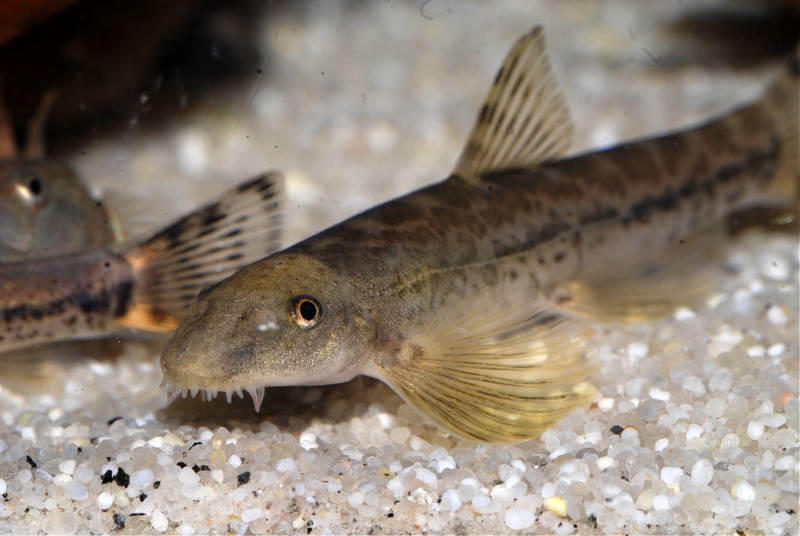
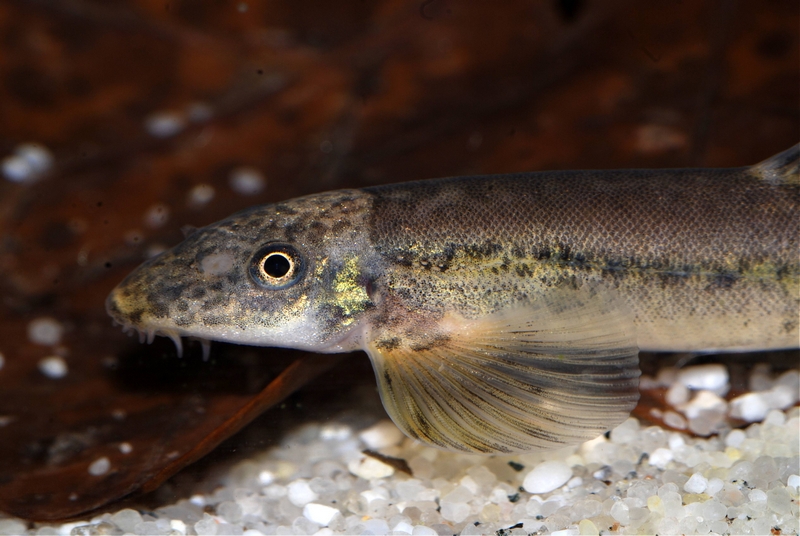
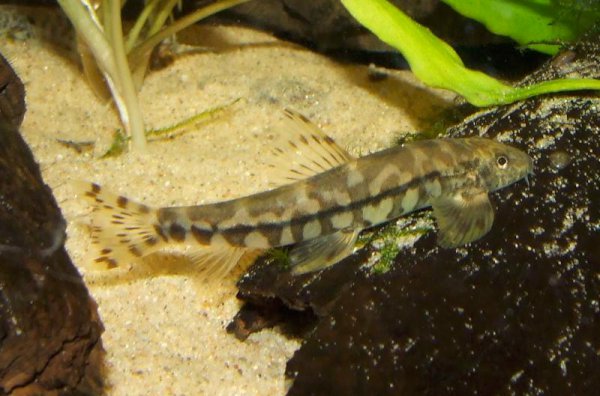
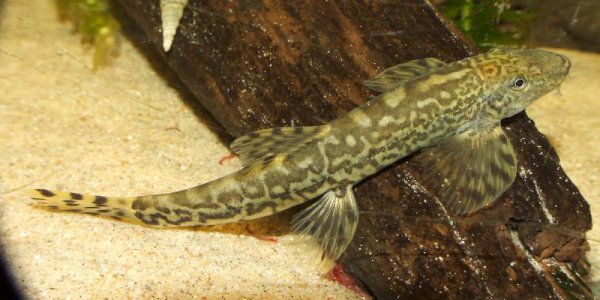
台湾缨口鳅(Formosania lacustris)生活在清澈急流,虽然也在石面觅食,却不能按大量吃藻的鱼安排饮食。它在水族箱中偏爱小型动物性食物,体色纹样会随产地及年龄变化。
分布与栖息地
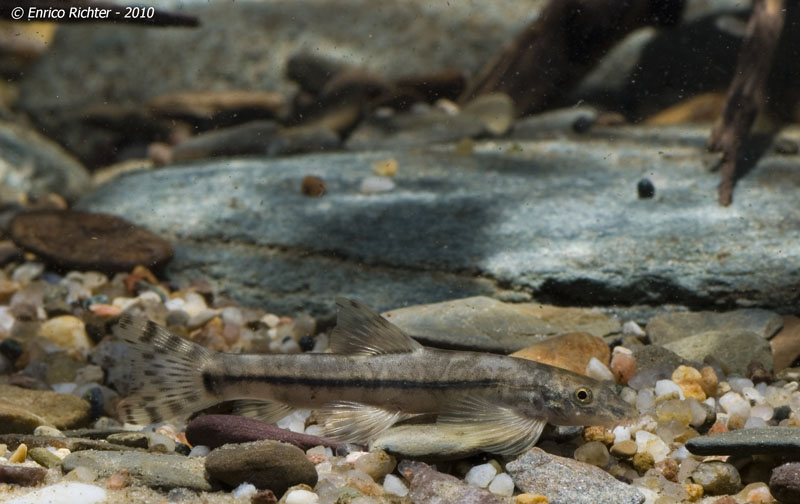
在台湾多地及福建部分沿海水系有记录,最初描述地点为台湾南投。偏好较浅的急流、浅滩和上游河段,石砾或基岩底覆盖藻类与其他微生物;通常在无遮挡或部分遮阴处较多,水草不常见。
饲养环境
底面积至少参考 120 × 30 厘米。用砂砾、大小圆石及已浸透的沉木构建溪流环境,强过滤、增氧和造流维持清洁富氧的水,每小时循环可参考水体的 10–15 倍。较强照明支持附着生物,耐受附生植物可增加遮蔽。只入稳定成熟缸,规律换水且别清空全部生物膜;它能攀玻璃,必须盖严。
食性与喂食
野外可能捕食甲壳类、昆虫幼虫等无脊椎动物。缸内偏爱红虫、丰年虾、糠虾等,藻类似乎吃得不多,部分下沉干粮也能接受。胸腹部消瘦的个体应先避开食物竞争,并持续获得容易吃到的适口饵料。
习性与混养
大体温和,建议四尾以上同养,部分个体会守护优质觅食点。争执通常很少造成伤害,但伙伴仍需适应相同的急流环境。领地行为可能与性别有关,不能仅据争斗就判定雄鱼。
雌雄区分
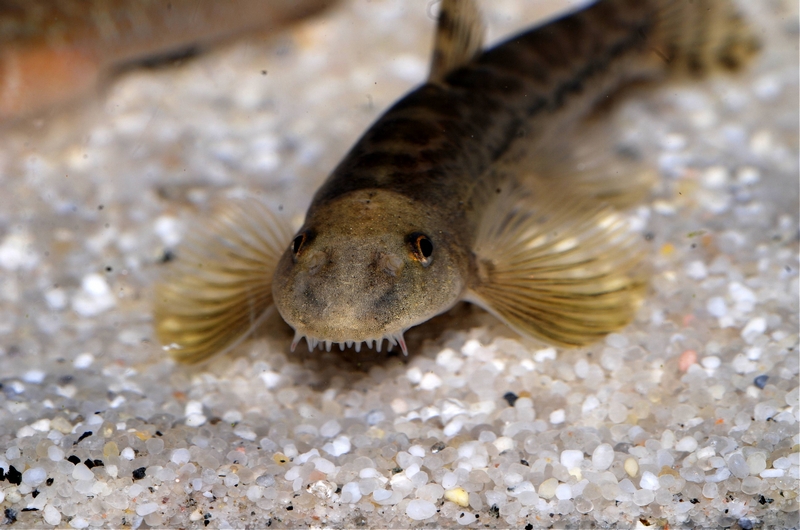
成熟雌鱼预计更大、更丰满;繁殖状态雄鱼头部会出现追星。
补充说明
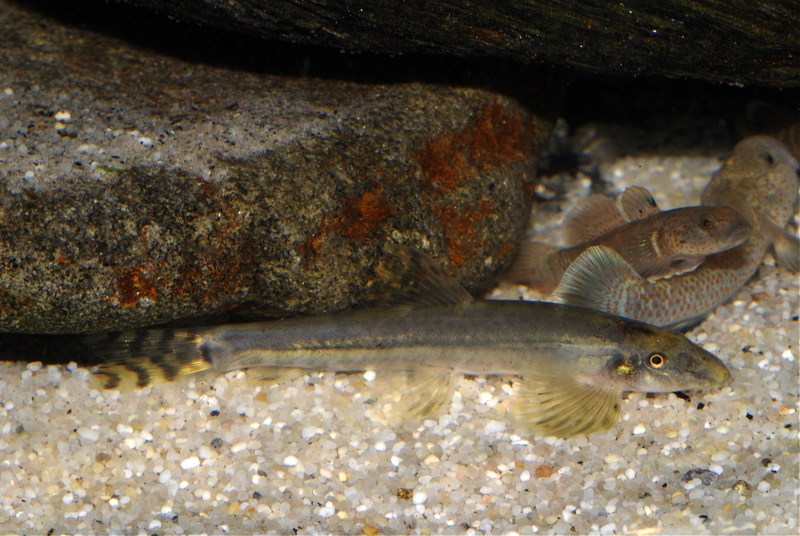
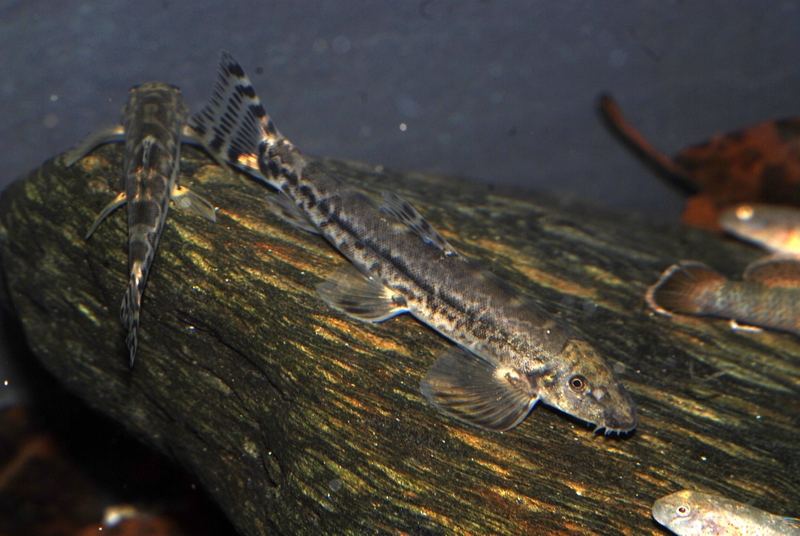
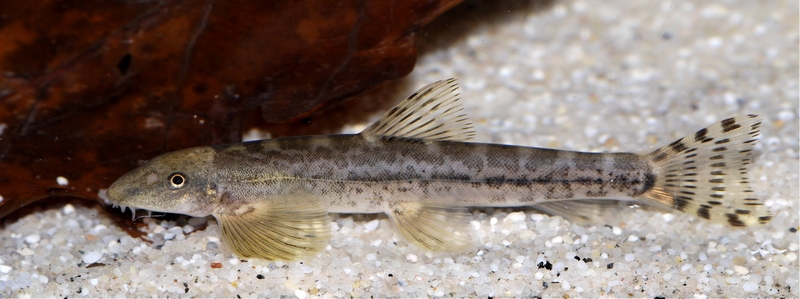
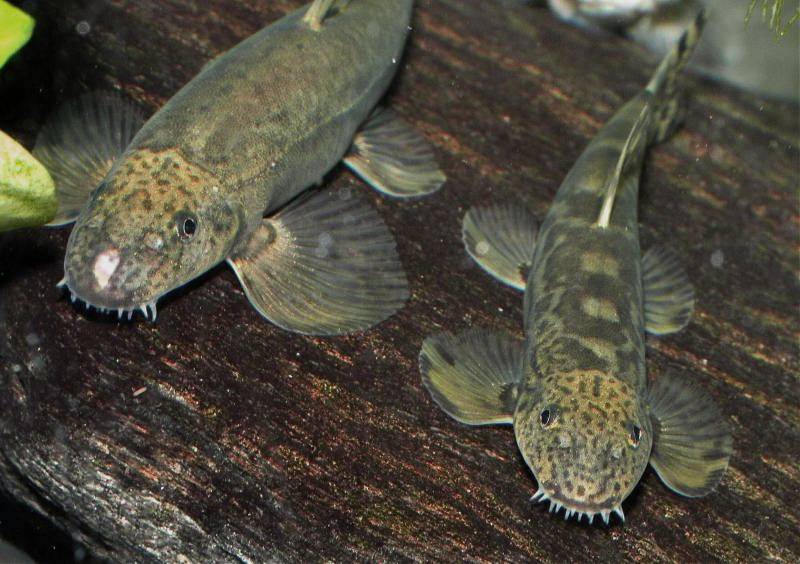
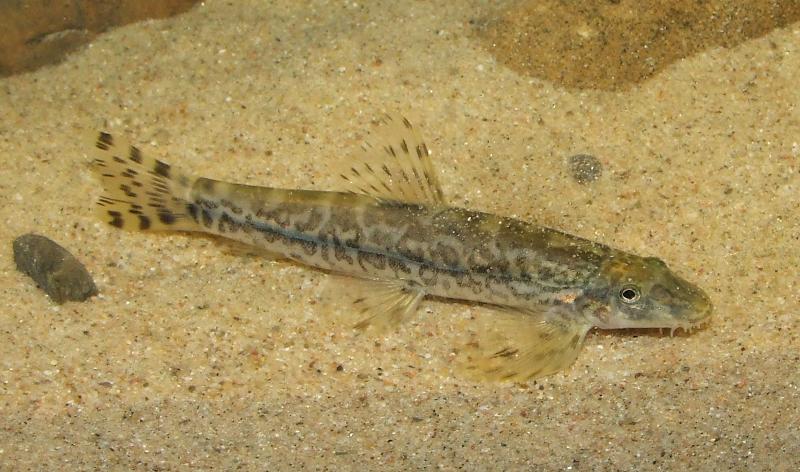
早期名称与现用属名不同,核对旧记录时应同时注意产地和形态。不同年龄与地点的斑纹变化,不宜自动理解为不同物种。
图片
图片来自 SeriouslyFish,版权归各摄影者所有。
English
Overview
A fish of clear rushing streams, Formosania lacustris should not be fed as though it were a dedicated algae eater. Aquarium fish favor small animal foods, and their color pattern varies with age and locality.
Distribution & habitat
Records span Taiwan and some coastal drainages of Fujian, with the original description based on material from Nantou. It favors shallow riffles and runs over stones, boulders, or bedrock. Rich surface growth develops in open or partly shaded areas, while aquatic plants are uncommon.
Aquarium setup
Provide at least a 120 by 30 cm footprint with a stony stream layout. Effective filtration, current, and aeration should maintain clean oxygenated water, using 10–15 tank volumes per hour as the suggested turnover reference. Light supports biofilm and hardy plants can add cover. Avoid unstable new setups, retain established surfaces during cleaning, and use a secure cover against climbing escapes.
Diet & feeding
Invertebrate prey is presumed to dominate in nature, consistent with the aquarium preference for bloodworms, Artemia, and Mysis. Algae appear to be consumed only sparingly, while some sinking dry foods are accepted. Severely thin fish need easily accessible food and relief from competition during recovery.
Behaviour & compatibility
Groups of at least four suit this generally peaceful fish. Some individuals defend valuable feeding spots more strongly than others, usually with little physical damage. Match tankmates to its stream conditions. A possible link between sex and territorial behavior should not be treated as a reliable sex test.
Sexual dimorphism
Mature females are expected to be larger and fuller-bodied, while breeding males develop head tubercles.
Notes
Older records may use a different genus name. Compare locality and morphology when tracing an identification, since variation in pattern with age or origin does not automatically indicate separate species.
来源
- https://www.seriouslyfish.com/species/formosania-lacustris(抓取于 2026-10-10)
formosania-lacustris · 文件: data/species/formosania-lacustris.md · 状态: 草稿