鹿齿鱼 · Bucktooth Tetra
概要
| 字段 | 值 |
|---|---|
| 类别 | 鱼 |
| 学名 | Exodon paradoxus |
| 别名 | 鹿齒魚 |
| 分类 | 脂鲤目 Characiformes › 脂鲤科 Characidae › Exodon |
| 水体 | 淡水 |
| 原产地 | 巴西、圭亚那 |
| 成体体长 | 15 cm |
| 饲养难度 | 中等 |
| 最小水体 | 243 L |
| 最小缸长 | 120 cm |
| 群居方式 | 群游 |
| 外部数据 | seriouslyfish exodon-paradoxus;fishbase 5145 |
| 食性 | 肉食 |
| 性情 | 攻击性 |
| 特征 | 吃虾: 是 |
| 繁殖方式 | 散卵 |
水质参数
| 参数 | 耐受范围 | 最适范围 | 单位 |
|---|---|---|---|
| 水温 | 23–28 | — | °C |
| pH | 5.5–7.5 | — | — |
| 总硬度 | 0–20 | — | dGH |
概述
鹿齿鱼(Exodon paradoxus)会利用特殊牙齿撕取其他鱼的鳞片,不适合普通混养缸。它们成群活动和抢食的场面很醒目,但同种攻击同样强烈,必须把群体规模、过滤能力和弱鱼躲藏处一起安排。
分布与栖息地
广布于巴西亚马孙河流域,另有圭亚那方向的记录。常见于流经草原状地带的河段,水流经过砂质底部。
饲养环境
细砂配根枝和沉木可模拟自然环境,密植水草则能提供更多逃避追逐的空间。过滤需足够高效,以承担大群鱼的排泄和投喂负荷。缸过小或缺乏遮蔽,都可能让弱势个体难以摆脱攻击。
食性与喂食
野生胃含物以昆虫和其他鱼的鳞片为主。人工饲养无须专门提供活鱼,红虫、切碎虾、贝肉、蚯蚓和鱼肉等非活饵通常容易接受,多数也能吃干饲料。它抢食凶猛,若有同伴,需确认对方确实吃到食物。
习性与混养
最好专门单养成群。银亮或反光的鱼可能遭持续啃鳞咬鳍,体型更大或本身是掠食鱼也不安全。无鳞或不反光的同伴有时能共存,但结果不可预测,不宜当作可靠混养保证。
通常建议至少十二条,并在空间与过滤允许下维持足够大的群体。小群体可能不断淘汰弱鱼,最后只剩一条;大群体能分散攻击,但病弱个体仍有危险。尽量整群同时购入,新加入的个体容易遭围攻。
雌雄区分
成熟雄鱼比雌鱼纤细,背鳍和臀鳍的鳍条通常稍长。
繁殖
属于散卵型,水族繁殖已有少数成功记录。另设繁殖缸,用细叶植物或隔卵网保护卵,水偏软、微酸。亲鱼先在原群中调养,再选一对移入繁殖缸;据称较大比例的略温暖换水有时能诱发产卵,但并非确定有效的步骤。
见卵后移出亲鱼,卵约两三天孵化。育苗经验有限,丰年虾无节幼体等小活饵可能适合作为食物。幼鱼很可能互相捕食,应密切观察大小分化,并提前准备分缸空间。
图片
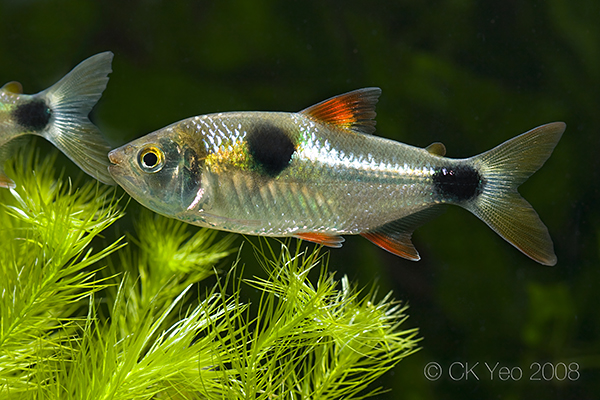
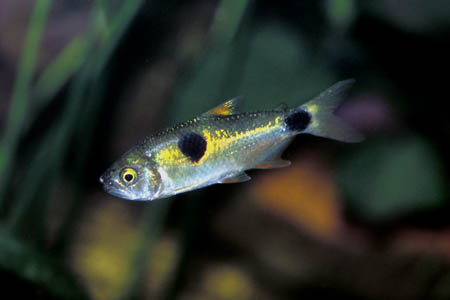
图片来自 SeriouslyFish,版权归各摄影者所有。
English
Overview
Exodon paradoxus uses specialized teeth to remove scales from other fishes. It is unsuitable for an ordinary community aquarium. A large dedicated group can be visually striking, but managing aggression, filtration, and refuges is essential.
Distribution & habitat
It is widespread in the Brazilian Amazon, with additional records toward Guyana. Typical habitat is flowing river water over sand in grassland-like landscapes.
Aquarium setup
Sand, roots, and branches provide a naturalistic base. Dense planting offers escape cover for fish receiving unwanted attention. Filtration must cope with the feeding and waste load of a substantial group. Restricted space leaves subordinate fish especially vulnerable.
Diet & feeding
Stomach studies show insects and fish scales as major wild foods. Live fish are unnecessary in captivity: bloodworms, chopped shrimp, mussel, earthworms, and fish flesh are readily used, and most individuals take dry food too. Feeding is forceful and competitive, so any companions must be checked for adequate intake.
Behaviour & compatibility
A species aquarium is strongly preferable. Reflective or silver fishes can be persistently stripped of scales and fins, even when larger or predatory themselves. Scaleless or nonreflective companions sometimes succeed, but compatibility remains unpredictable.
Begin with at least twelve and maintain a large enough group for the available aquarium and filtration. Small groups may be reduced through repeated attacks to a single survivor. Larger groups spread the aggression, although losses of unhealthy fish and occasional others remain possible. Acquire the group together, as later additions are often attacked.
Sexual dimorphism
Mature males are slimmer and tend to have slightly extended dorsal and anal fin rays.
Breeding
This egg-scattering species has been bred only occasionally. Prepare a separate aquarium with soft, mildly acidic water and fine plants or mesh to protect the eggs. Condition the adults within their shoal, then move a selected pair. A large change using slightly warmer water has reportedly sometimes triggered spawning.
Remove parents when eggs appear. Hatching takes two or three days. Rearing details are sparse; small live foods such as newly hatched brine shrimp are likely suitable. Cannibalism among the young is expected to be a concern, so watch growth differences and prepare additional rearing space.
来源
- https://www.seriouslyfish.com/species/exodon-paradoxus(抓取于 2026-10-10)
exodon-paradoxus · 文件: data/species/exodon-paradoxus.md · 状态: 草稿