Esmaeilius vladykovi · Zagros Toothcarp
概要
| 字段 | 值 |
|---|---|
| 类别 | 鱼 |
| 学名 | Esmaeilius vladykovi |
| 别名 | Aphanius vladykovi |
| 分类 | 鳉形目 Cyprinodontiformes › Aphaniidae › Esmaeilius |
| 水体 | 淡水 |
| 原产地 | 伊朗 |
| 成体体长 | 6 cm |
| 饲养难度 | 入门 |
| 最小水体 | 108 L |
| 最小缸长 | 120 cm |
| 群居方式 | 群游 |
| 性情 | 温和 |
| 外部数据 | seriouslyfish aphanius-vladykovi;fishbase 49470 |
| 繁殖方式 | 产卵 |
| 领地性 | 是 |
水质参数
| 参数 | 耐受范围 | 最适范围 | 单位 |
|---|---|---|---|
| 水温 | 12–32 | — | °C |
| pH | 6.2–8.5 | — | — |
| 总硬度 | 10–20 | — | dGH |
概述
Esmaeilius vladykovi 是伊朗扎格罗斯山地的淡水鳉鱼,野外可见较大群体游动,雄鱼通常比一些近亲更能相处。它仍有明显繁殖活动,适合专养群体、偏硬水及每年的低温冬季。
分布与栖息地
局限于伊朗 Chahārmahāl o Bakhtiyārī 省的扎格罗斯山区,明确地点包括 Karun 上游 Boldaji 附近及 Chagha Khur、Gandoman 湿地;完整边界尚未完全清楚。
生境海拔较高,多为缓流淡水溪流、水池和沼泽,底部有泥与卵石,水体可较浑浊。鱼常出现在有狐尾藻、眼子菜等水草的区域。
饲养环境
按群体规划至少约 120 × 30 cm 底面积。细毛产卵拖把、莫丝、金鱼藻及丝状藻既能附卵,也能给雌鱼和弱势雄鱼遮蔽,减少繁殖追逐时的压力。
不必铺底,或使用惰性砂砾,过滤保持温和。适宜气候下可室外养护,每天数小时自然光有助于状态。每年保留数月较低温冬季,全年恒暖可能减少繁殖力、缩短寿命。虽然能适应比一些近亲稍酸的条件,仍不适合软水。
食性与喂食
同属鱼通常吃微型甲壳动物、蠕虫、昆虫幼虫及其他浮游动物,也摄入藻与植物。干粮应搭配丰年虾、水蚤、红虫等活饵或冻饵,春夏繁殖期尤其注意食物质量;没有丝状藻时可补含螺旋藻配方。
习性与混养
每尾雄鱼配两至三尾雌鱼,维持较大同种群体。雄鱼彼此相对平和,但繁殖时仍守临时领域,因此专养和遮蔽依然重要。野外大群活动并不意味着它适合与任意小鱼混养。
雌雄区分
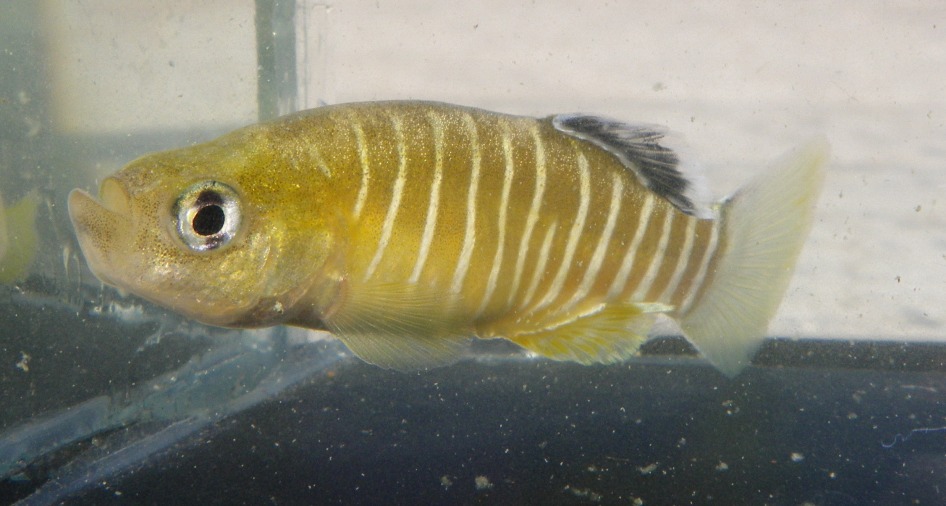
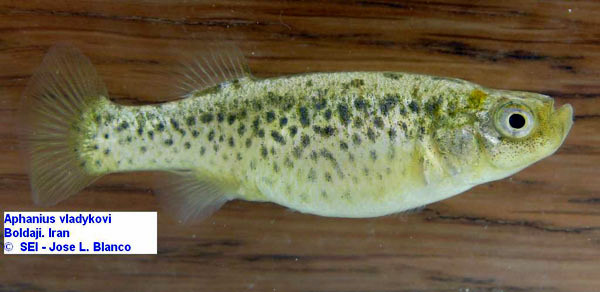
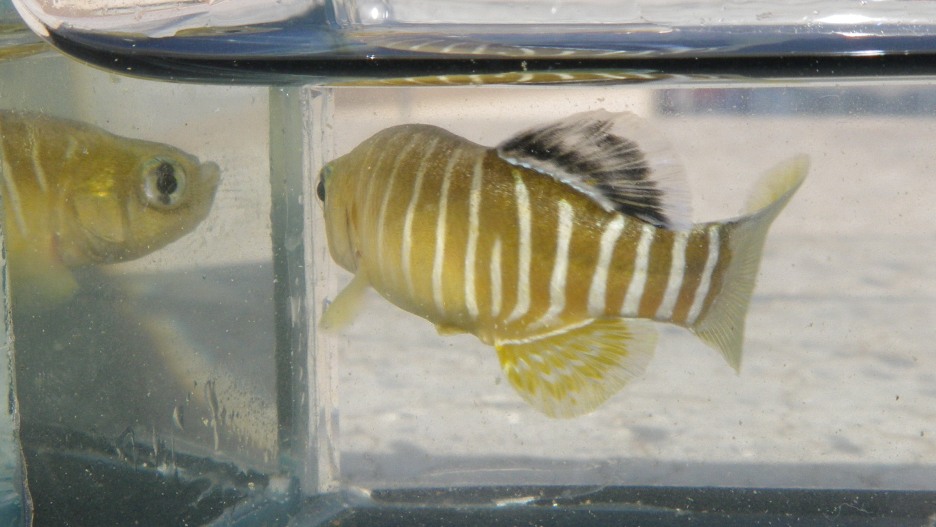
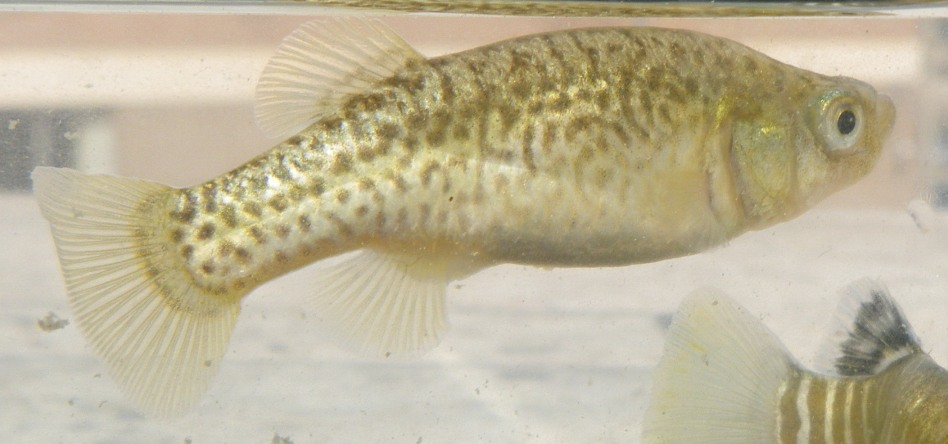
雄鱼身体较黄,后部有蓝色竖带,背鳍主体为深蓝至黑色,边缘有浅蓝带,靠近基部另有细带。雌鱼更大而朴素,身体有不规则暗点,鳍几乎透明。
繁殖
伊朗野外繁殖期通常为三至六月,雌鱼持续分批产卵。雄鱼守卫临时领域并求偶,卵单枚或少量排出,以细丝附着于藻或其他表面。亲鱼可能吃卵和仔鱼,繁殖期每天检查介质。
卵很小,移取附卵的材料,避免直接碰卵;也可隔几天整束更换。孵化容器与亲鱼缸保持相同水质和水温,一般七至十四天孵化。自由游动后可直接用丰年虾无节幼体及微虫开口。
补充说明
雄鱼深色背鳍有助于区别 Esmaeilius sophiae;后者雌鱼尾柄有深色菱形斑,而本种雌鱼没有该特征。保留地点标签,并结合雌雄图案核对,比只看雄鱼发色更可靠。
图片
图片来自 SeriouslyFish,版权归各摄影者所有。
English
Overview
Esmaeilius vladykovi is a freshwater toothcarp from Iran's Zagros Mountains. Large wild groups and relatively tolerant males distinguish its social behavior from some relatives, but breeding remains vigorous. A dedicated group, mineral-rich water, and an annual cool winter are appropriate.
Distribution & habitat
The known range lies in the Zagros of Chahārmahāl o Bakhtiyārī Province. Confirmed localities include the upper Karun near Boldaji and the Chagha Khur and Gandoman wetlands, though full distribution limits remain uncertain.
High-altitude habitats include slow freshwater streams, pools, and marshes over mud and pebbles, often with turbid water. Fish occur among aquatic vegetation such as watermilfoil and pondweeds.
Aquarium setup
Plan at least about 120 × 30 cm for a group. Fine mops, moss, hornwort, and filamentous algae provide egg surfaces and shelter for females or subordinate males during breeding pursuit.
Use a bare base or inert sand and gravel with gentle filtration. Outdoor care and several hours of natural light can benefit fish where the climate suits. Preserve several months of cooler winter conditions; continuous warmth may reduce fecundity and shorten life. Although somewhat more tolerant of acidic conditions than some relatives, it does not favor soft water.
Diet & feeding
Relatives take tiny crustaceans, worms, insect larvae, and other zooplankton alongside algae and plants. Supplement dry foods with live or frozen brine shrimp, Daphnia, and bloodworms, particularly through spring and summer breeding. Include a spirulina-enriched formula where filamentous algae are absent.
Behaviour & compatibility
Maintain a substantial conspecific group with two or three females per male. Males are comparatively peaceful together but still defend temporary breeding territories, so dedicated housing and cover remain useful. Large wild aggregations do not guarantee compatibility with arbitrary small tankmates.
Sexual dimorphism
Males are more yellowish with blue bars toward the rear. The dorsal fin is dark blue to black, with a pale blue margin and another narrow band near its base. Larger, plain females show irregular dark body spots and almost transparent fins.
Breeding
In Iran, spawning generally extends from March to June. Females produce successive batches while males defend temporary territories and court them. Single eggs or small groups attach to algae or other surfaces by fine threads. Adults may eat eggs and fry, so check spawning material daily.
Transfer egg-bearing material without touching the tiny eggs, or exchange entire mops every few days. Match incubation conditions to adult water. Hatching usually takes seven to fourteen days. Free-swimming fry can immediately accept newly hatched brine shrimp and microworms.
Notes
The male's dark dorsal helps distinguish it from Esmaeilius sophiae. Females of that relative possess a dark diamond-shaped tail-base spot absent in this species. Retain locality labels and compare both sexes rather than identifying fish only from male breeding color.
来源
- https://www.seriouslyfish.com/species/aphanius-vladykovi(抓取于 2026-10-10)
esmaeilius-vladykovi · 文件: data/species/esmaeilius-vladykovi.md · 状态: 草稿