虎脂鲤 · Red Wolf Fish
概要
| 字段 | 值 |
|---|---|
| 类别 | 鱼 |
| 学名 | Erythrinus erythrinus |
| 别名 | 虎脂鯉 |
| 分类 | 脂鲤目 Characiformes › 血红脂鲤科 Erythrinidae › Erythrinus |
| 水体 | 淡水 |
| 成体体长 | 20 cm |
| 饲养难度 | 中等 |
| 最小水体 | 108 L |
| 最小缸长 | 120 cm |
| 特征 | 吃小鱼: 是;会跳缸: 是 |
| 外部数据 | seriouslyfish erythrinus-erythrinus;fishbase 23282 |
| 原产地 | 秘鲁、法属圭亚那、委内瑞拉、特立尼达和多巴哥、巴西 |
| 食性 | 肉食 |
水质参数
| 参数 | 耐受范围 | 最适范围 | 单位 |
|---|---|---|---|
| 水温 | 22–26 | — | °C |
| pH | 5.5–7.5 | — | — |
| 总硬度 | 2–25 | — | dGH |
概述
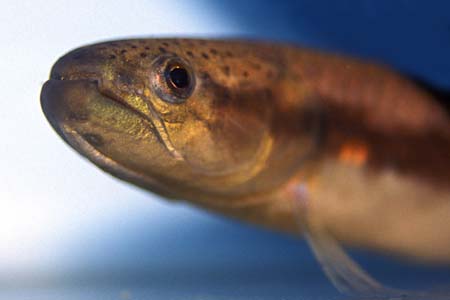
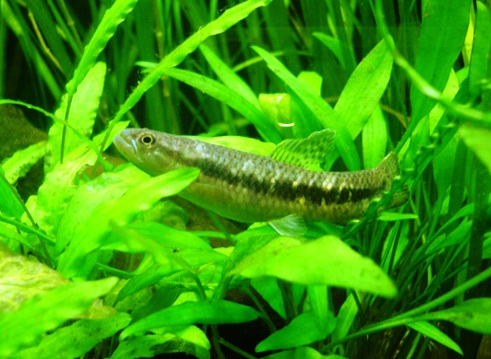
虎脂鲤(Erythrinus erythrinus)是能够呼吸空气的南美捕食鱼,体色会随采集地而变化。它对同种非常不宽容,争斗可能致死,通常单尾饲养更适合观察自然表现。
分布与栖息地
分布记录涉及秘鲁、法属圭亚那、委内瑞拉、特立尼达和多巴哥及巴西。栖息于小支流、沼泽、水塘、沟渠和林中湖泊边缘,常在浅水或水面植物间潜伏。
饲养环境
可采用至少 120 × 30 × 30 cm、约 108 L 的缸体,种植浓密水草并保留浮水植物。强光和过于空旷的环境容易使它长期躲藏;不用水草也应安排充分的藏身处。缸盖必须紧密固定,不能留下逃逸缝隙。
食性与喂食
野外吃昆虫和鱼类。缸内可喂蚯蚓、虾、贝肉及合适的鱼肉。多数个体不愿吃干粮,少数经过长期适应后可能接受。大量投喂活饲料鱼没有必要,还会增加寄生虫和疾病传入的风险。
习性与混养
大缸中有与体型相近鱼类共处的可能,但单尾专缸更合适。小鱼会被捕食,同种间的严重冲突也不能忽视。维护时它可能主动咬向伸入水中的虹吸管或鱼网,操作应避开长有利齿的口部。
雌雄区分
可靠的外部判别方法尚未明确。成熟雌鱼可能腹部更圆,不能只靠腹形下定论。
补充说明
不同产地的颜色和花纹变化明显,秘鲁有腹部鲜橙色的类型;种群间遗传差异提示可能包含多个近似物种。它借助特化的鳔进行辅助呼吸,能在缺氧静水中生存,也有季节水域干涸时短距离越陆的记录。
法属圭亚那的幼鱼还有模仿同域鳉鱼雌性花纹、吸引雄鱼接近后捕食的观察,长大后会逐渐放弃这种策略。这类局地记录不能直接推广到所有产地和年龄。
图片
图片来自 SeriouslyFish,版权归各摄影者所有。
English
Overview
Erythrinus erythrinus is a colorful South American predator with strong intolerance toward its own species. Conspecific fights may be fatal. A single specimen in a carefully covered aquarium is usually the most effective way to observe its natural behavior.
Distribution & habitat
Records include Peru, French Guiana, Venezuela, Trinidad and Tobago, and Brazil. Small tributaries, swamps, pools, ditches, and forest-lake margins provide habitat. Fish often lurk in very shallow water or within surface vegetation.
Aquarium setup
Suggested starting dimensions are 120 by 30 by 30 cm, approximately 108 L. Dense plants and floating cover help the fish behave naturally. Bright, exposed aquariums tend to promote prolonged hiding. A plant-free arrangement still needs numerous secure retreats. Fasten the lid closely and eliminate escape gaps.
Diet & feeding
Insects and fish are natural prey. Earthworms, shrimp, mussels, and suitable fish flesh can form the captive menu. Dry foods are usually rejected, although a few individuals eventually accept them. Large quantities of live feeder fish offer little advantage and introduce disease or parasite risks.
Behaviour & compatibility
Similarly sized companions may coexist in a large aquarium, but solitary housing is preferred. Small fishes are prey, while another individual of the same species may face lethal aggression. During maintenance, the fish may strike at equipment such as nets or siphons; avoid contact with its toothed jaws.
Sexual dimorphism
External sexing is not firmly established. Mature females may have a fuller abdomen, but this is a tentative clue rather than a dependable identification method.
Notes
Locality stocks vary in appearance, including a Peruvian form with a bright orange underside. Genetic differences suggest that the name may encompass a species complex. A modified swim bladder supports air breathing in stagnant, oxygen-poor water, and short overland movements have been recorded as seasonal habitats dry.
In French Guiana, juveniles have been observed resembling female killifish and catching males attracted to that disguise. The tactic fades with growth; it is a local observation rather than a universal description of every population.
来源
- https://www.seriouslyfish.com/species/erythrinus-erythrinus(抓取于 2026-10-10)
erythrinus-erythrinus · 文件: data/species/erythrinus-erythrinus.md · 状态: 草稿