Erromyzon sp. 'ER02'
概要
| 字段 | 值 |
|---|---|
| 类别 | 鱼 |
| 学名 | Erromyzon sp. 'ER02' |
| 分类 | 鲤形目 Cypriniformes › 腹吸鳅科 Gastromyzontidae › Erromyzon |
| 水体 | 淡水 |
| 原产地 | 中国 |
| 成体体长 | 5 cm |
| 饲养难度 | 中等 |
| 最小水体 | 54 L |
| 最小缸长 | 60 cm |
| 群居方式 | 群游 |
| 性情 | 温和 |
| 水流偏好 | 高 |
| 特征 | 会跳缸: 是;翻底砂: 是 |
| 外部数据 | seriouslyfish erromyzon-sp-red-spots |
| 领地性 | 是 |
| 繁殖方式 | 附着产卵 |
水质参数
| 参数 | 耐受范围 | 最适范围 | 单位 |
|---|---|---|---|
| 水温 | 18–24 | — | °C |
| pH | 6.5–8 | — | — |
| 总硬度 | 2–15 | — | dGH |
概述
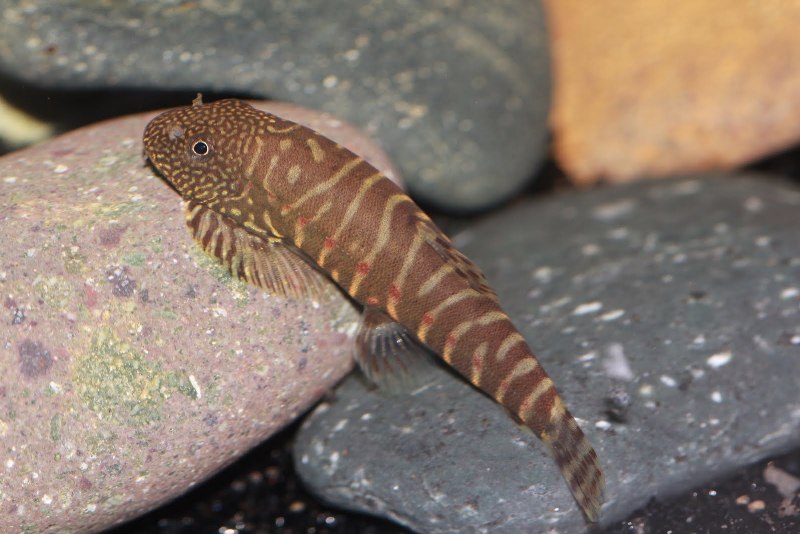
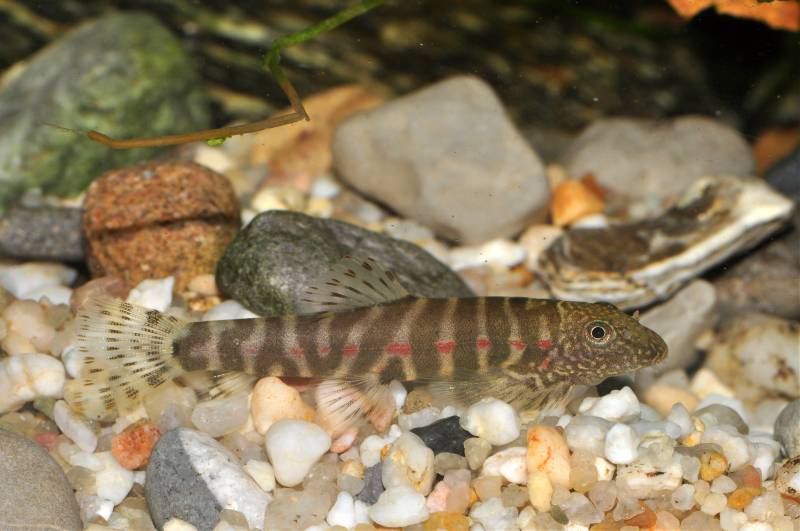
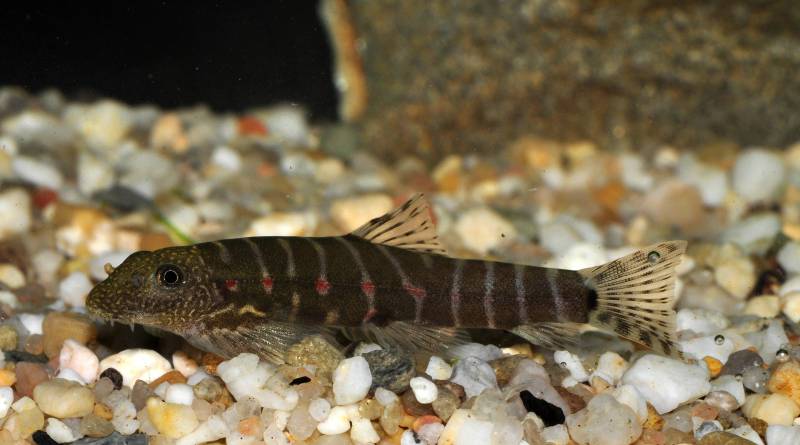
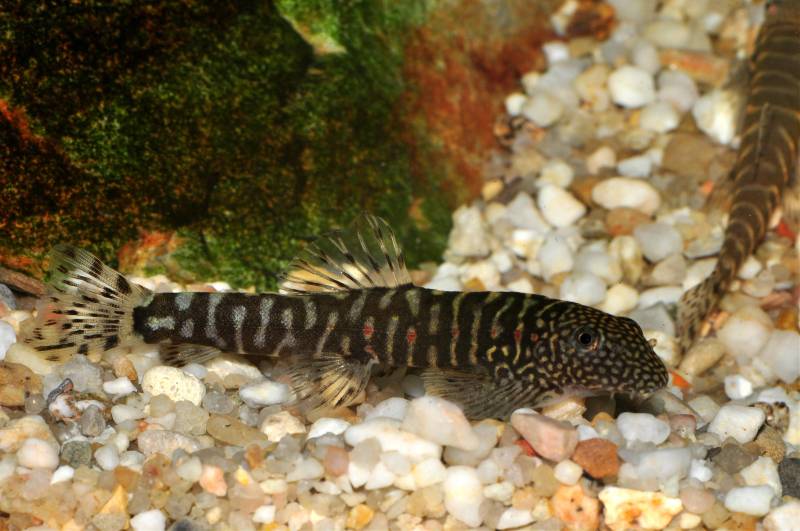
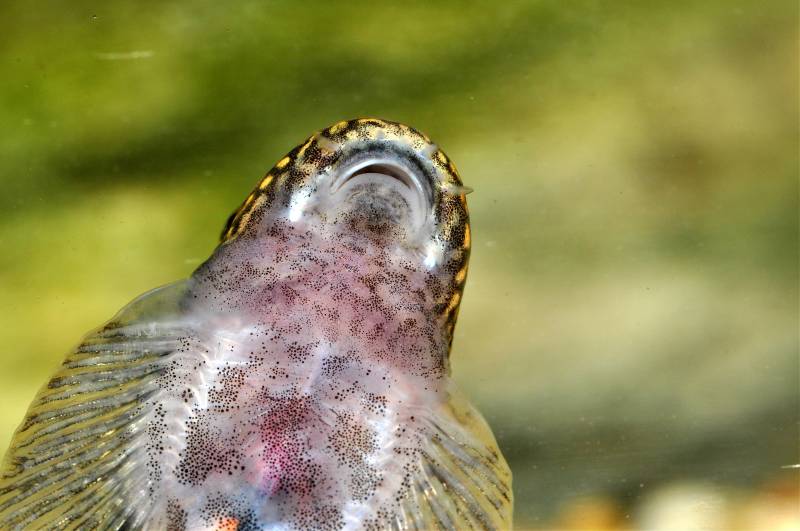
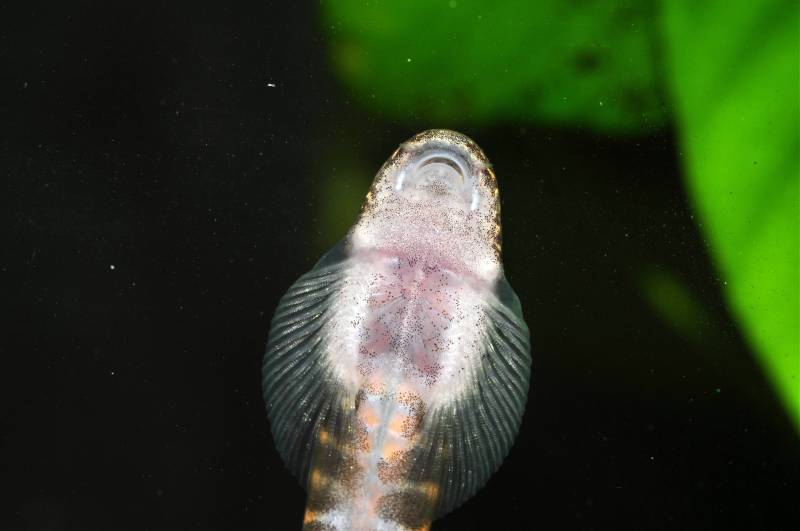
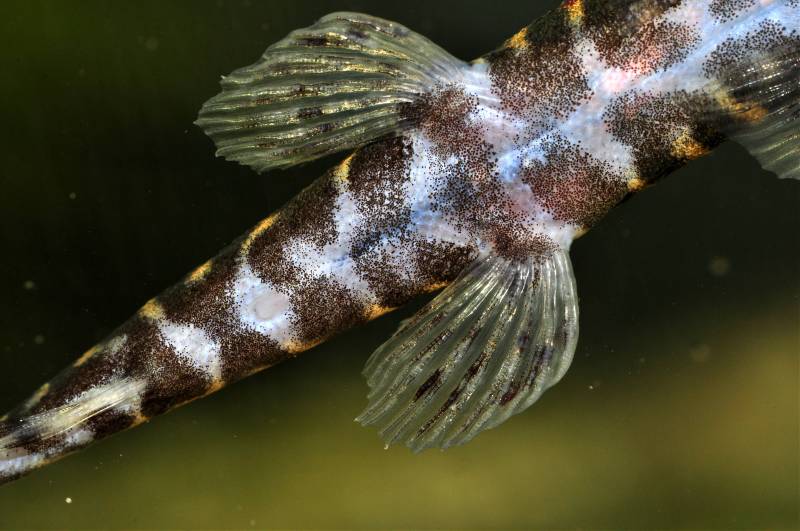
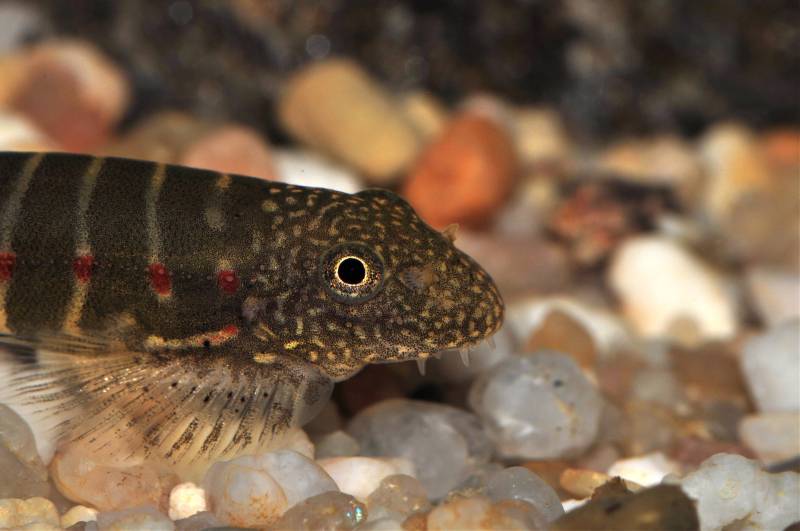
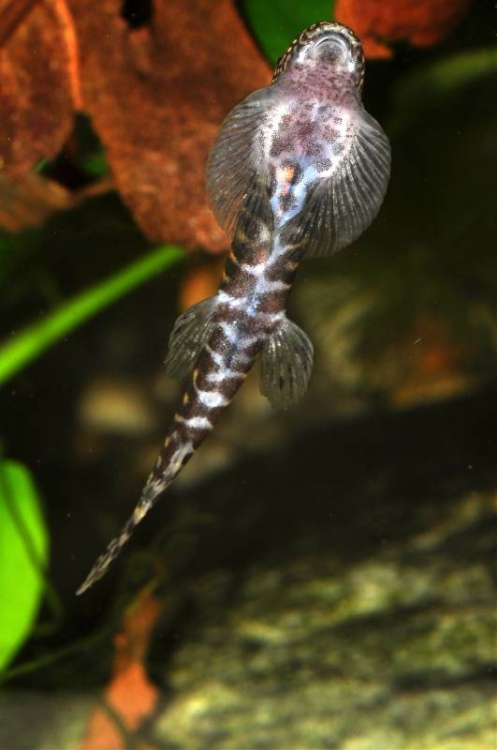
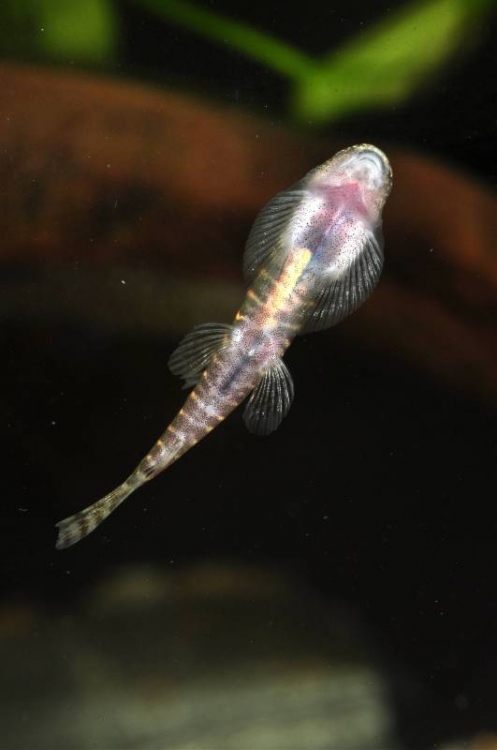
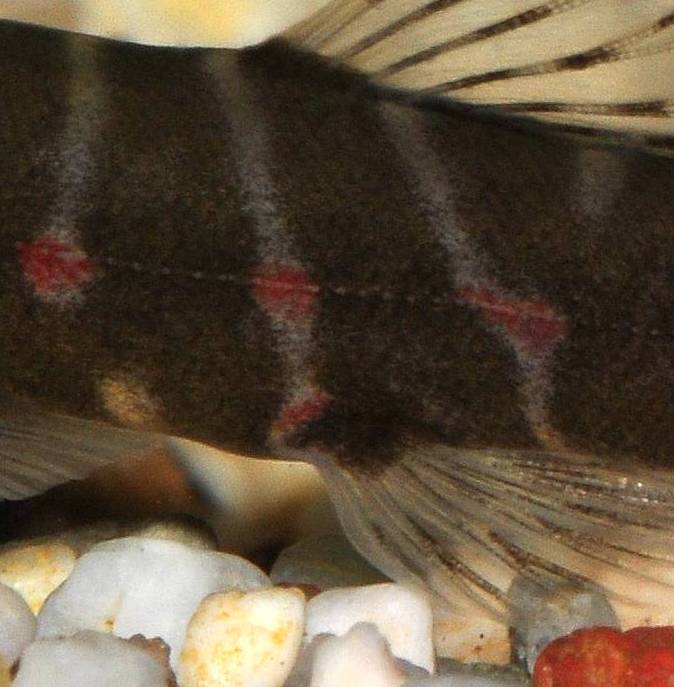
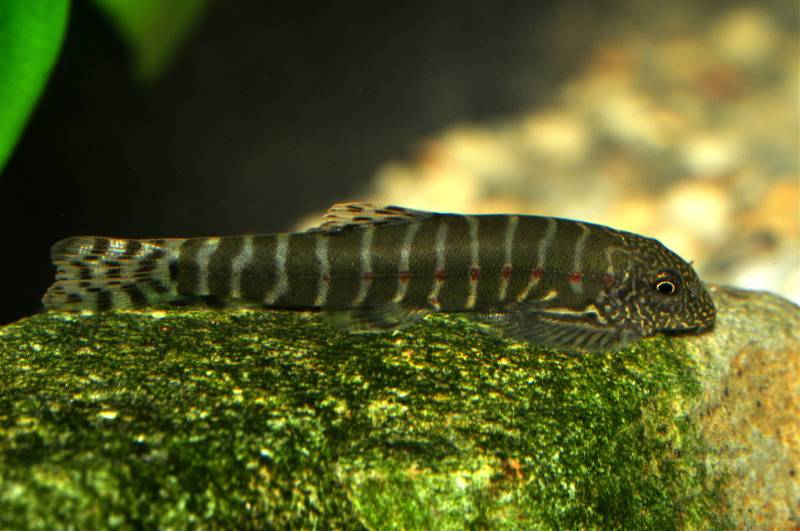
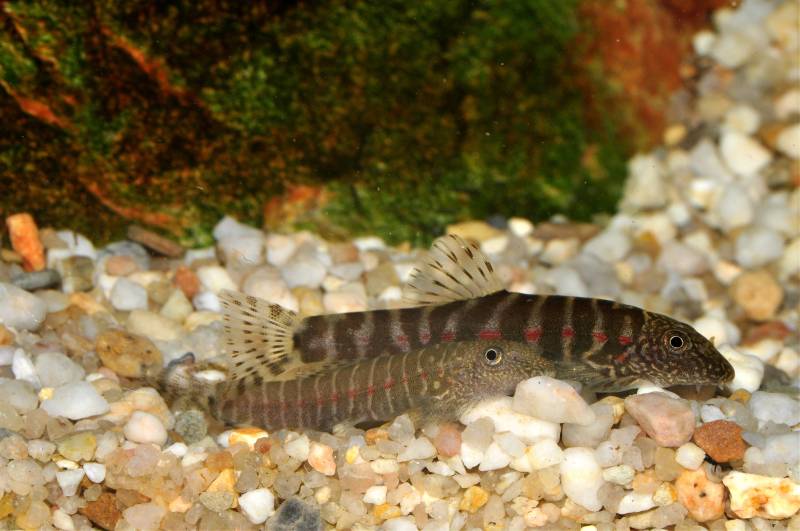
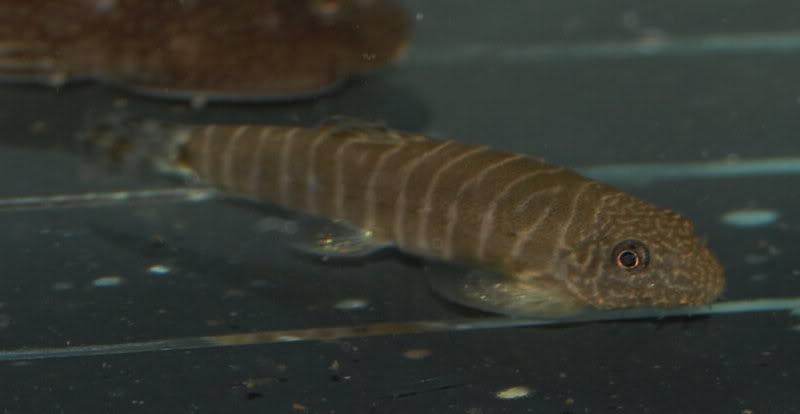
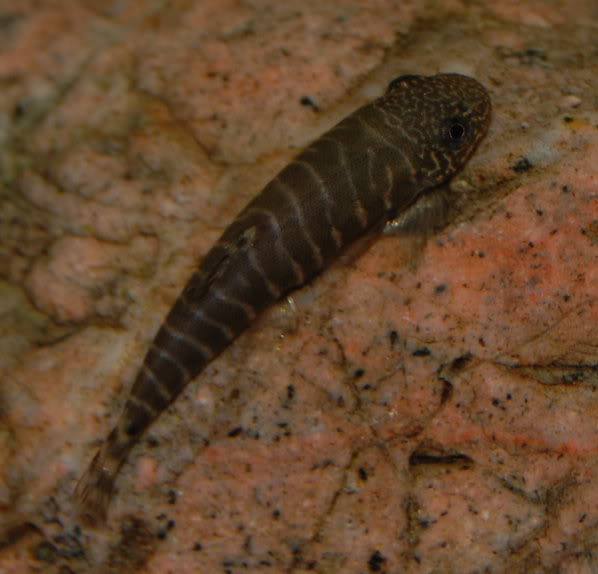
Erromyzon sp. 'ER02' 是中国南方一种未定种爬岩鳅,常以「red spots」交易。深色底上有浅色细竖纹,头部为浅点,较老个体侧线附近还会出现红点。维护要兼顾高溶氧、成熟藻面和稳定水质。
分布与栖息地
原产中国南方,确切范围尚不清楚,常随当地其他爬岩鳅和虾虎鱼混入贸易。同属鱼栖于清澈急流的浅溪上游及小支流,砂砾和岩块表面有丰富生物膜;这一属级背景不等同于 ER02 的具体地点记录。
饲养环境
采用底面至少约 60 × 30 cm 的缸,砂或砾石上铺大小不一的光滑石块。过滤应充足,配合造流和气石维持富氧,循环量可参考每小时十至十五倍缸水量。
亮光帮助藻类生长,旧沉木可以使用,新木大量染水则会削弱照明。水榕、爪哇蕨等可增加遮蔽和刮食表面,外露海绵上的生物膜也能提供补充食物。只用成熟缸,定期部分换水,保留主要石面附着生物;它能爬玻璃,缸盖需严密。
食性与喂食
天然食物可能以底栖藻类和附着微生物为主。缸中可接受优质干粮、活红虫或冷冻红虫,但动物蛋白过多可能造成健康问题。蔬菜和螺旋藻比例较高的凝胶饵可作补充。
长期要有充足成熟藻面;必要时另设养藻容器,轮换带藻石块,优先柔软绿藻和硅藻。消瘦的新鱼应减少竞争,持续供给合适食物,待体况恢复后再混养。
习性与混养
一般温和,但伙伴必须适应相同流水环境。至少四条同养较合适,个体之间有轻度领地竞争,可能守住喜欢的活动区域;同伴的存在仍有助于其正常表现。
雌雄区分
较大、较丰满的鱼可能是雌鱼,尚缺经确认的外观分性方法。
繁殖
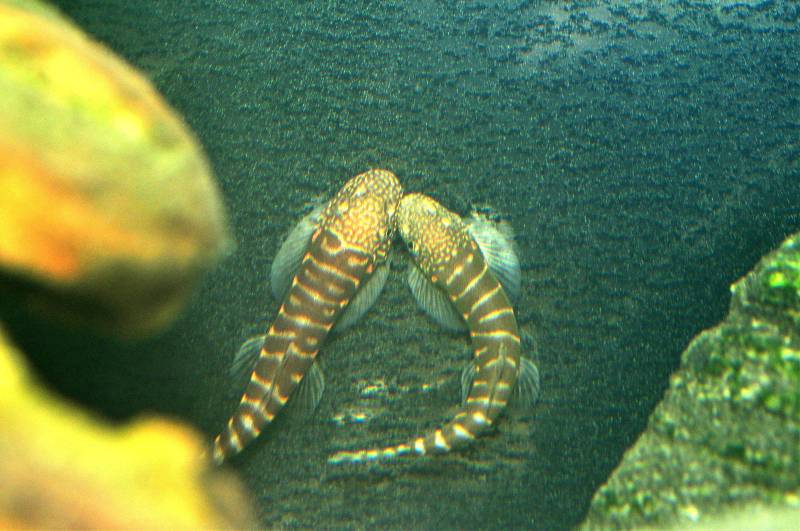
已有人工繁殖记录,当时曾被误认作同属种(Erromyzon sinensis)。雄鱼在近乎竖直的岩面附近守住临时区域,雌鱼进入后双方经过一系列动作,形成近似 T 字姿势。产卵时两鱼后半身和尾鳍插入底砂,卵在其中排出并受精,随后不继续护卵。
鱼苗早期藏于底床且怕光,长至约 10 mm 全长才逐渐出现,可投喂沉底片粮。该次经验在早期每天换水约 75%,仍有明显生长差异;这属于特定育苗记录。试验中偏好约 1.5~3.5 mm 的砾石,较粗颗粒未被采用。
连续繁殖三次后不再产卵,亲鱼后来陆续死亡,可能与水温过高有关;不应把升温当作必要催产手段。
补充说明
ER 编号表示未定种记录。贸易中有被归入其他爬岩鳅属的情况,红点及体纹可帮助比对,但不能代替正式鉴定。
图片
图片来自 SeriouslyFish,版权归各摄影者所有。
English
Overview
The unidentified Chinese hillstream loach Erromyzon sp. 'ER02' is traded as red spots. Pale narrow body bars and head spots contrast with a dark background, while older fish acquire red marks along the lateral line. Stable oxygenated water and abundant grazing surfaces are central to maintenance.
Distribution & habitat
It originates in southern China, although the precise range is unclear. Imports often accompany other regional loaches or gobies. Shallow, clear, fast tributaries with rocky biofilm-covered bottoms characterize the genus; they do not constitute a confirmed ER02 locality description.
Aquarium setup
A base near 60 × 30 cm is the minimum recommendation. Cover sand or gravel with smooth stones of varied sizes. Ample filtration, circulation, and aeration should maintain clean oxygenated water; suggested turnover is ten to fifteen tank volumes per hour.
Bright light supports algae. Weathered wood is acceptable, but staining from new pieces can reduce light penetration. Hardy plants and exposed sponge surfaces provide further grazing areas. Use an established aquarium, change water regularly, and keep most mature surface growth. Glass-climbing ability makes a close-fitting lid essential.
Diet & feeding
Wild feeding probably centers on algae and associated microscopic organisms. Prepared foods and live or frozen bloodworms are accepted, but a protein-heavy diet may cause internal problems. Vegetable-rich gel foods containing spirulina can supplement natural growth.
Maintain plentiful soft green algae and diatoms, rotating stones from a separate cultivation container if necessary. Emaciated arrivals need continuous appropriate food with competition removed until their condition improves.
Behaviour & compatibility
Generally peaceful, it needs companions suited to the same stream conditions. Keep at least four; modest conspecific territoriality coexists with an apparent need for company.
Sexual dimorphism
Larger and fuller-bodied individuals may be female. A confirmed external distinction has not been documented.
Breeding
Captive spawning has succeeded, initially under an identification of Erromyzon sinensis. A male defended a site, commonly beside a near-vertical rock face. After elaborate courtship and a T-like position, both fish inserted their rear bodies into the gravel, releasing and fertilizing eggs there. Subsequent parental care was absent.
Young hid within the bottom material and avoided light until emerging around 10 mm total length. They received sinking tablets, with daily changes of about 75% during early rearing, although growth remained uneven. That percentage describes the reported trial. Gravel approximately 1.5–3.5 mm across was favored over coarser material.
After three consecutive spawning events, reproduction stopped and the adults eventually died. Excessive temperature was a possible cause, so deliberate overheating is not an indicated breeding step.
Notes
The ER code preserves an unresolved identity. Trade assignments to other hillstream genera have occurred; distinctive markings help compare stock but do not settle its taxonomy.
来源
- https://www.seriouslyfish.com/species/erromyzon-sp-red-spots(抓取于 2026-10-10)
erromyzon-sp-er02 · 文件: data/species/erromyzon-sp-er02.md · 状态: 草稿