蓝带桨丽鱼 · Striped Goby Cichlid
概要
| 字段 | 值 |
|---|---|
| 类别 | 鱼 |
| 学名 | Eretmodus cyanostictus |
| 别名 | 藍帶槳麗魚 |
| 分类 | 慈鲷目 Cichliformes › 慈鲷科 Cichlidae › Eretmodus |
| 水体 | 淡水 |
| 成体体长 | 8 cm |
| 饲养难度 | 中等 |
| 最小水体 | 81 L |
| 最小缸长 | 90 cm |
| 领地性 | 是 |
| 外部数据 | seriouslyfish eretmodus-cyanostictus;fishbase 8577 |
| 原产地 | 坦噶尼喀湖 |
| 繁殖方式 | 口孵 |
水质参数
| 参数 | 耐受范围 | 最适范围 | 单位 |
|---|---|---|---|
| 水温 | 24–28 | — | °C |
| pH | 8–9 | — | — |
| 总硬度 | 10–25 | — | dGH |
概述
蓝带桨丽鱼(Eretmodus cyanostictus)生活在坦噶尼喀湖的岩岸浪涌带,会贴着岩石刮食藻类。它对水质、供氧和食谱要求较高,饲养时需要持续细致维护,不适合忽略这些条件的新手。
分布与栖息地
坦噶尼喀湖特有种,主要在岩岸很浅的水层活动。自然环境有波浪和强烈水体运动,岩面提供藻类食物及栖身位置。
饲养环境
岩石堆应构成洞穴和缝隙,并向上延伸,形成丰富的岩面活动空间。用较强照明促进藻类生长,维持充足溶氧和偏高的酸碱度。铺砂底很重要,砂粒可能有助于消化,但这一作用仍是推测。保持优良水质,不能只关注造景。
食性与喂食
以植物性食物为基础,例如焯软菠菜和螺旋藻薄片,辅以少量小型活饵、冷冻饵料。不要用贝肉、肉类或蠕虫等高蛋白食物作为投喂内容,食谱应围绕刮食藻类的特点安排。
习性与混养
有领地性,对同种也会攻击,宜单养或饲养已经相容的配对。想养多个个体,需要非常宽敞的空间。混养宜选利用不同水域位置、性情不粗暴的伙伴,避免强势岩栖慈鲷不断打扰。
雌雄区分
外观判别不容易。成年雄鱼通常略大,腹鳍也稍长,这些只能作为辅助观察线索。
繁殖
属于双亲接力口孵,繁殖有难度。由幼鱼群自然配对更可靠,配对后移走其他鱼;直接购买成年雌雄并合缸可能导致雌鱼被持续攻击。不同高度放置平石,维持充分供氧。
雌鱼清理岩面,少量产卵后立即含入口中,并通过雄鱼臀鳍卵斑引导的互动完成受精。雌鱼含卵阶段停止进食,可能持续两周以上;幼鱼孵化后,她把仍带卵黄囊的幼鱼逐条交给雄鱼,雄鱼再含育七至十四天后释放。幼鱼可从第一天吃丰年虾幼体和磨细的螺旋藻薄片,生长较慢。亲鱼通常不伤幼鱼,但若希望继续繁殖,可将幼鱼移入独立育成缸。
图片
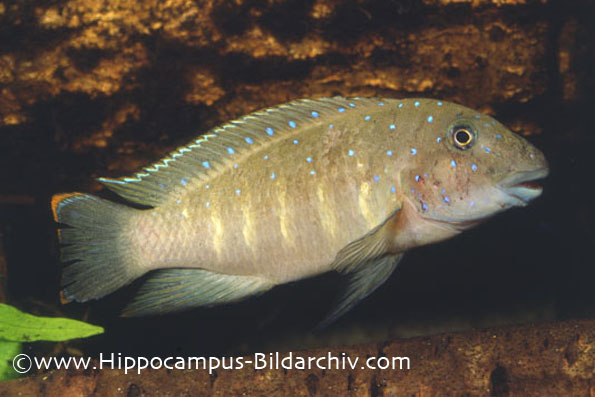
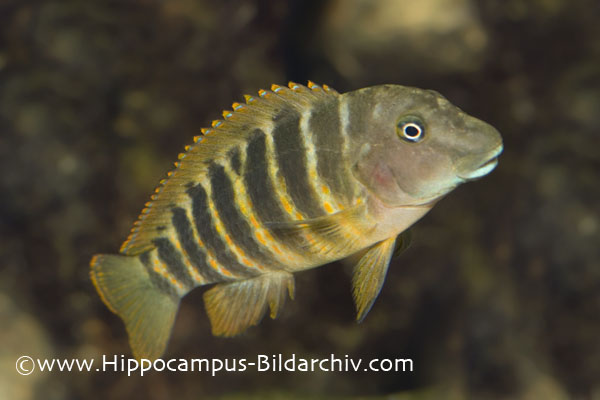
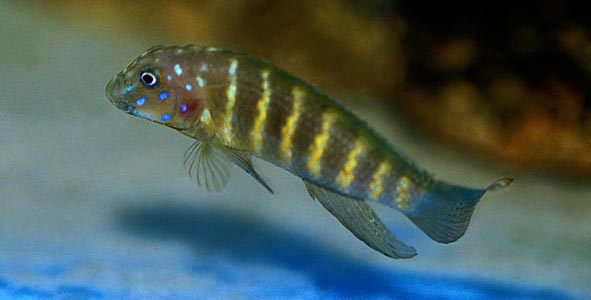
图片来自 SeriouslyFish,版权归各摄影者所有。
English
Overview
The Tanganyikan goby cichlid Eretmodus cyanostictus grazes rocky surfaces in wave-washed shallows. Its sensitivity, oxygen requirements, and specialized feeding needs make consistent maintenance essential; it is a poor choice for an inexperienced keeper unable to provide that attention.
Distribution & habitat
Endemic to Lake Tanganyika, it occupies the shallow rocky shoreline zone exposed to waves and substantial water movement. Rock surfaces supply both grazing opportunities and places to remain close to cover.
Aquarium setup
Build extensive rockwork with crevices and caves, extending the structure upward through the aquarium. Encourage algae with strong lighting. Maintain highly oxygenated alkaline water and excellent cleanliness. A sand bed is important; a proposed digestive benefit is a possibility rather than an established mechanism.
Diet & feeding
Base meals on plant material, including softened spinach and spirulina-rich flakes. Small live or frozen items can supplement this. Avoid protein-heavy offerings such as shellfish flesh, meat, and worms. Its natural grazing pattern should guide the menu.
Behaviour & compatibility
Territorial behavior extends to conspecifics, so keep a single fish or an established compatible pair. Several individuals need much more room. Suitable companions occupy different parts of the tank without being boisterous; aggressive rock-dwelling cichlids are unsuitable.
Sexual dimorphism
External sexing is difficult. Mature males tend to be slightly larger with somewhat longer pelvic fins, but these are comparative clues rather than decisive markings.
Breeding
Both parents participate in mouthbrooding. Let juveniles pair naturally and remove the remaining fish once a bond forms. Simply combining adult sexes can expose the female to lethal harassment. Provide flat spawning rocks at several heights and abundant oxygen.
The female cleans a site, gathers eggs immediately after laying, and responds to the male's egg spots during fertilization. She fasts while holding the brood, potentially for more than two weeks. After hatching, larvae still bearing yolk sacs are passed individually to the male. He continues incubation for seven to fourteen days before releasing them. Newly released fry take Artemia nauplii and powdered spirulina flakes, although growth is slow. Adults generally leave them unharmed; a separate nursery can be useful if another breeding cycle is intended.
来源
- https://www.seriouslyfish.com/species/eretmodus-cyanostictus(抓取于 2026-10-10)
eretmodus-cyanostictus · 文件: data/species/eretmodus-cyanostictus.md · 状态: 草稿