六带扁鮰 · Six-barred Panchax
概要
| 字段 | 值 |
|---|---|
| 类别 | 鱼 |
| 学名 | Epiplatys sexfasciatus |
| 别名 | 六帶扁鮰、Haplochilus rubropunctatus、Epiplatys sexfasciatus rathkei、Epiplatys sexfasciatus togolensis、Epiplatys sexfasciatus baroi |
| 分类 | 鳉形目 Cyprinodontiformes › 假鳃鳉科 Nothobranchiidae › Epiplatys |
| 水体 | 淡水 |
| 原产地 | 贝宁、喀麦隆、赤道几内亚、加蓬、加纳、尼日利亚、多哥 |
| 成体体长 | 7 cm |
| 饲养难度 | 入门 |
| 最小水体 | 72 L |
| 最小缸长 | 80 cm |
| 群居方式 | 群游 |
| 性情 | 温和 |
| 外部数据 | seriouslyfish epiplatys-sexfasciatus;fishbase 9843 |
| 游动层 | 上层 |
| 繁殖方式 | 产卵 |
水质参数
| 参数 | 耐受范围 | 最适范围 | 单位 |
|---|---|---|---|
| 水温 | 20–27 | — | °C |
| pH | 5–7 | — | — |
| 总硬度 | 1–12 | — | dGH |
概述
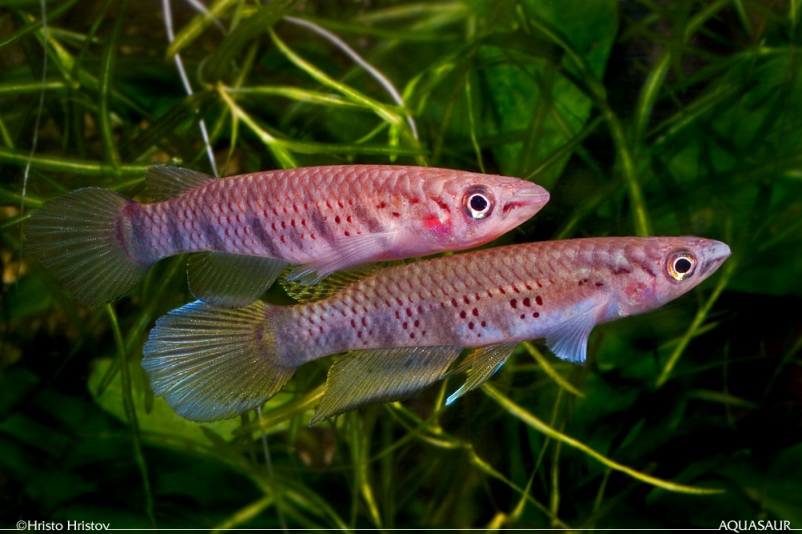
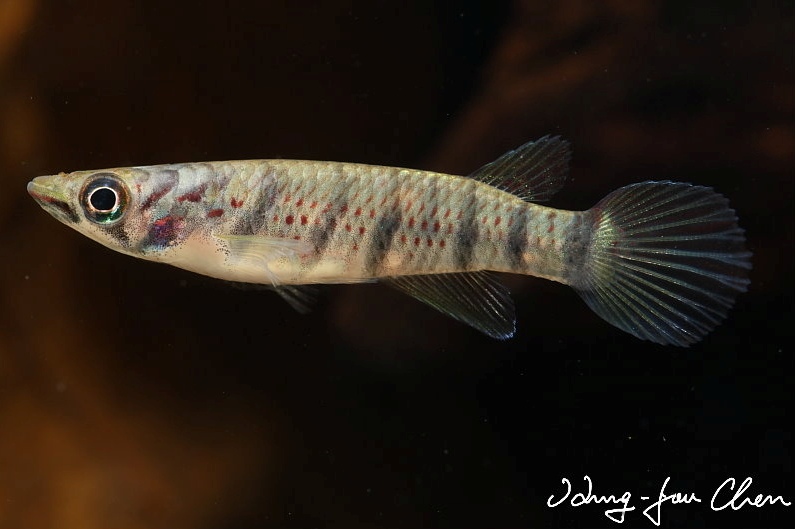
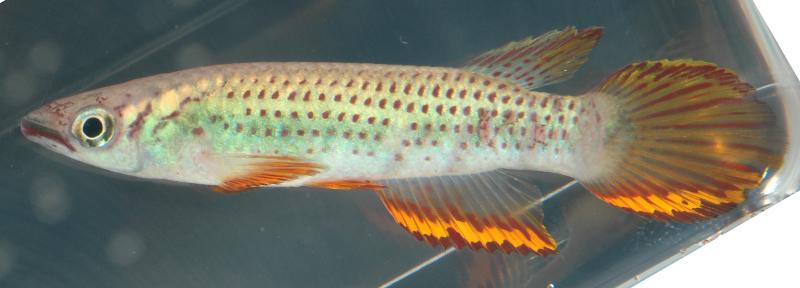
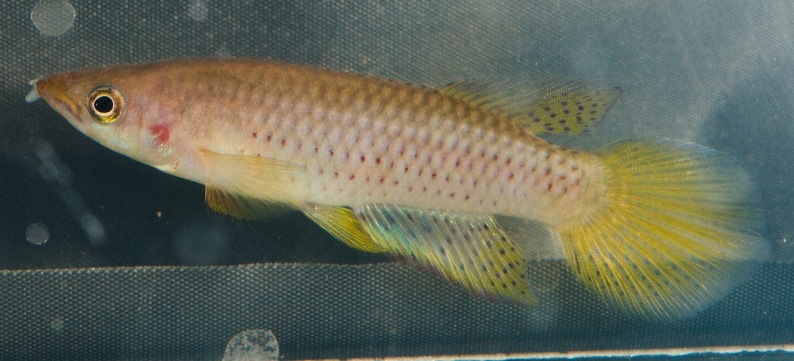
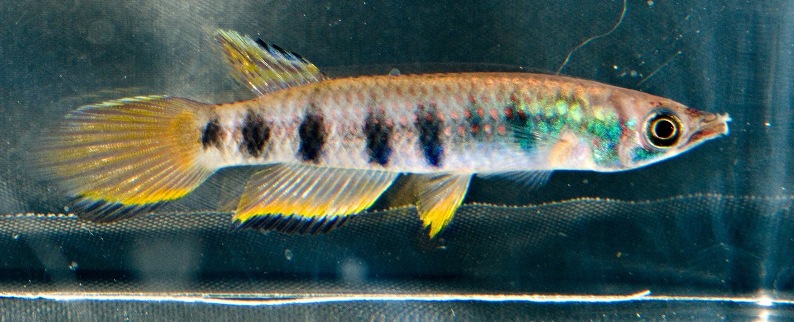
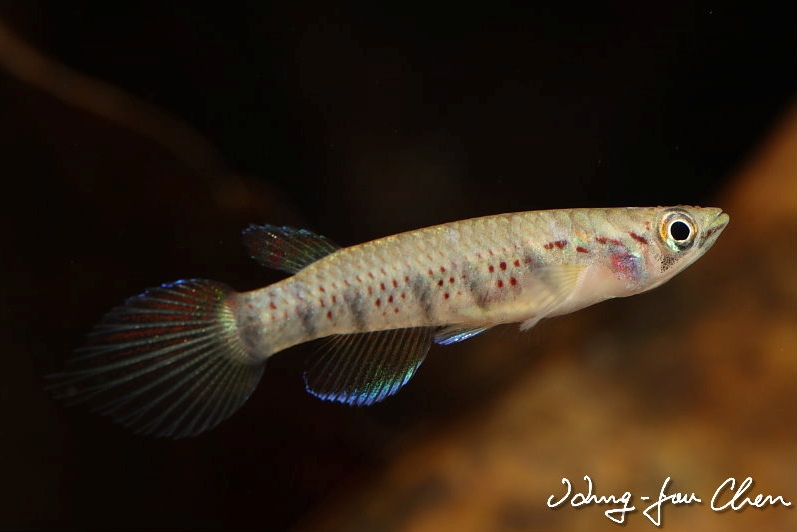
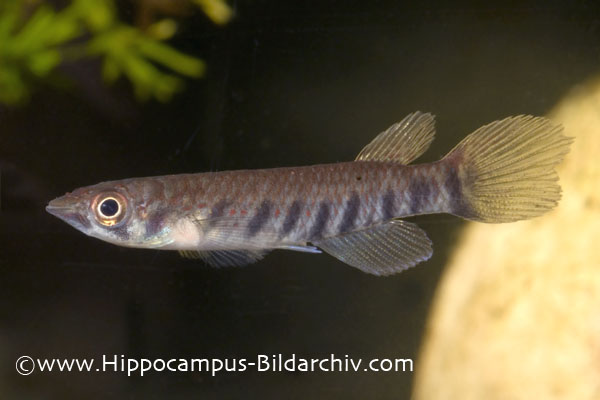
六带扁鮰(Epiplatys sexfasciatus)是较适合混养、也相对容易繁殖的鳉鱼,常在水体上层活动。不同产地型的条纹数量、底色和鳍色差异明显,“六带”并不意味着每条鱼都恰有六道纹。
分布与栖息地
广义分布从加蓬沿沿海地带向北、西延伸至加纳,经过赤道几内亚、喀麦隆、尼日利亚、贝宁和多哥;部分分类观点把本种范围限定得更窄。多见于淡水沼泽及小支流,也有河湖中安静、水草丰富区域的记录,周边环境可为草原或雨林。
饲养环境
底面积至少参考 80 × 30 厘米。密植水草、沙底和枝根状沉木能提供遮蔽,浮水植物有助柔化光线。少量落叶可补充躲藏处,并支持鱼苗可利用的微生物。
食性与喂食
自然食物可能以小型无脊椎动物为主。缸内可接受适口干粮,每日仍宜搭配水蚤、丰年虾无节幼体和小型蠕虫等活冷冻饵。喂小昆虫前可先让其摄食鱼粮或植物材料。
习性与混养
对其他鱼温和,可与体形相近、性情合适的鱼混养。建议六尾以上同养,较大的群体往往更大胆,也能展示更多互动。选择底层伙伴时仍应考虑对方性情,不能只因活动水层不同就认为一定安全。
雌雄区分
雄鱼比雌鱼大,颜色更鲜艳,鳍也更延长。
繁殖
成熟、遮蔽充分的单养缸可能自然出现鱼苗;若希望提高成活数量,可另设繁殖缸,放莫丝、浮水植物根系或产卵拖把,并使用小型气动海绵过滤。常用一对,或一雄配两尾以上雌鱼。
亲鱼会吃卵和鱼苗,可隔几天移走产卵介质另行孵化,或在出现鱼苗后及时分开。卵约 12–14 天孵化。成熟植物和落叶可提供微生物;较洁净的育苗缸需先喂轮虫等微小食物,长大后再接丰年虾无节幼体。繁殖缸避免放螺、虾等会吃卵的较大无脊椎动物。
补充说明
不同产地型的分类处理仍有分歧,已知地名或采集编号应随血系保留,避免杂交。辨认时结合体侧暗带、红点纵列和尾鳍形状,不宜把单一条纹数当作唯一标准。
图片
图片来自 SeriouslyFish,版权归各摄影者所有。
English
Overview
An established aquarium killifish, Epiplatys sexfasciatus generally occupies the upper water and can breed readily. Local forms differ in bar count, background color, and fin pattern, so the common name does not guarantee exactly six bands.
Distribution & habitat
The broad distribution extends along coastal regions between Gabon and Ghana, although some taxonomic treatments recognize a narrower core range. Freshwater swamps and small tributaries are typical; quiet vegetated margins of larger rivers or lakes also occur among its habitats, in both savanna and rainforest landscapes.
Aquarium setup
Allow at least an 80 by 30 cm footprint for routine care. Dense plants, sand, and branching wood create sheltered spaces, with floating plants shading the surface. Leaves offer additional cover and support tiny organisms useful to fry.
Diet & feeding
Its presumed wild prey includes small invertebrates. Supplement suitable dry foods daily with live or frozen crustaceans and worms. Small insects can be fed fish flakes or plant material before being offered.
Behaviour & compatibility
It is peaceful toward other fishes and fits carefully selected communities with similarly sized companions. Groups of at least six tend to be more confident and behaviorally interesting. Upper-water habits can leave space for bottom residents, but temperament still determines compatibility.
Sexual dimorphism
Males grow larger and develop brighter coloration and longer fins.
Breeding
A mature species aquarium may yield fry without special intervention, but a separate spawning tank gives better control. Moss, floating roots, or yarn mops serve as egg sites; gentle sponge filtration is suitable. Breeders commonly use a pair or one male with two or more females.
Adults consume eggs and fry, so move spawning material periodically or separate the young when seen. Eggs hatch after about 12–14 days. Established plants and leaves support initial microscopic food; in cleaner rearing systems, begin with rotifers or comparable tiny prey before transitioning to Artemia nauplii. Exclude snails and shrimp that could consume eggs.
Notes
Taxonomic limits and the treatment of local forms differ between accounts. Keep known locality labels with each line and avoid crossing them. Flank bars, red spot rows, and tail shape should be assessed together for identification.
来源
- https://www.seriouslyfish.com/species/epiplatys-sexfasciatus(抓取于 2026-10-10)
epiplatys-sexfasciatus · 文件: data/species/epiplatys-sexfasciatus.md · 状态: 草稿