火箭灯 · Clown Killifish
概要
| 字段 | 值 |
|---|---|
| 类别 | 鱼 |
| 学名 | Epiplatys annulatus |
| 别名 | 環帶扁鮰、Haplochilus annulatus、Pseudepiplatys annulatus、Aplocheilus annulatus、环带扁鮰 |
| 分类 | 鳉形目 Cyprinodontiformes › 假鳃鳉科 Nothobranchiidae › Epiplatys |
| 水体 | 淡水 |
| 原产地 | 几内亚、利比里亚、塞拉利昂 |
| 成体体长 | 3.5 cm |
| 饲养难度 | 入门 |
| 最小水体 | 41 L |
| 最小缸长 | 45 cm |
| 群居方式 | 群游 |
| 性情 | 温和 |
| 外部数据 | seriouslyfish epiplatys-annulatus;fishbase 9821 |
| 繁殖方式 | 产卵 |
水质参数
| 参数 | 耐受范围 | 最适范围 | 单位 |
|---|---|---|---|
| 水温 | 20–26 | — | °C |
| pH | 4–7 | — | — |
| 总硬度 | 1–8 | — | dGH |
概述
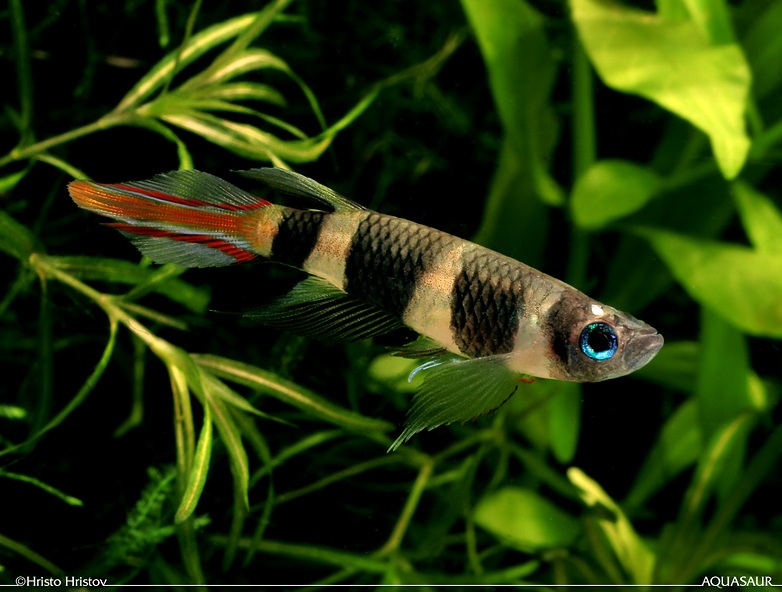
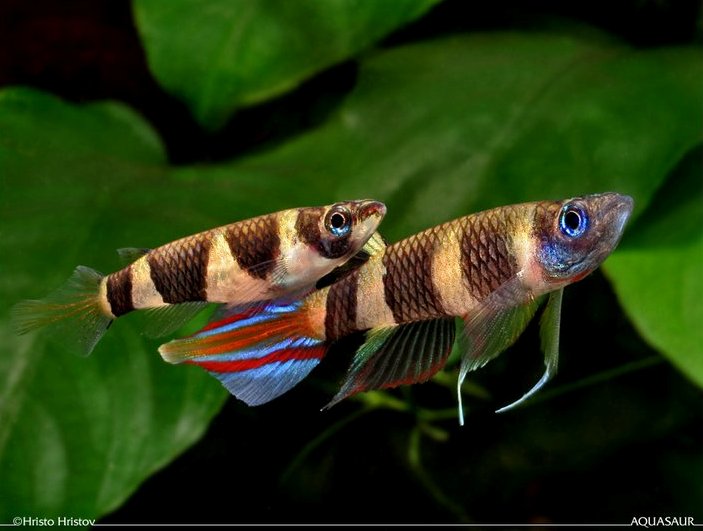
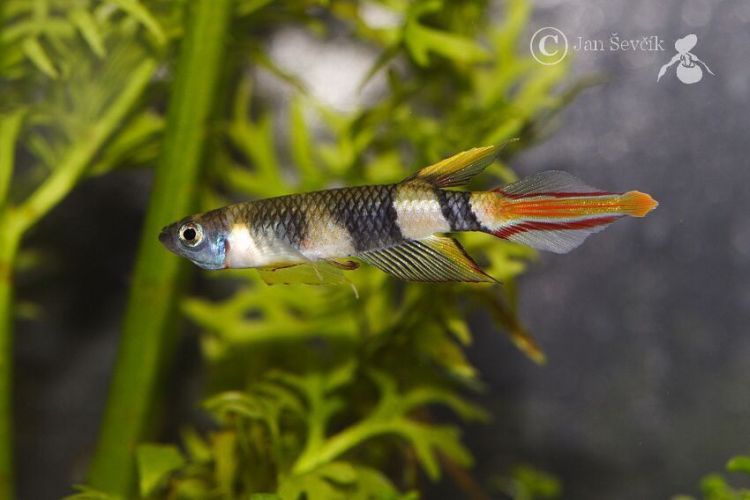
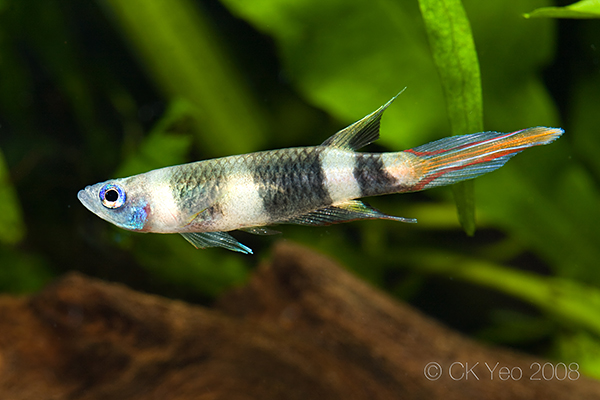
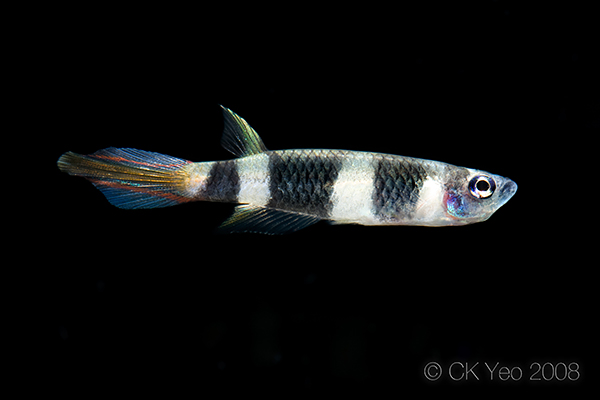
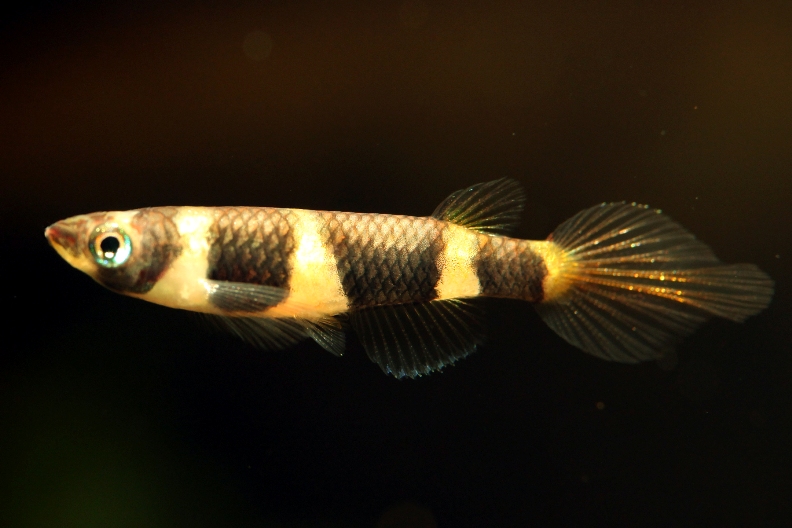
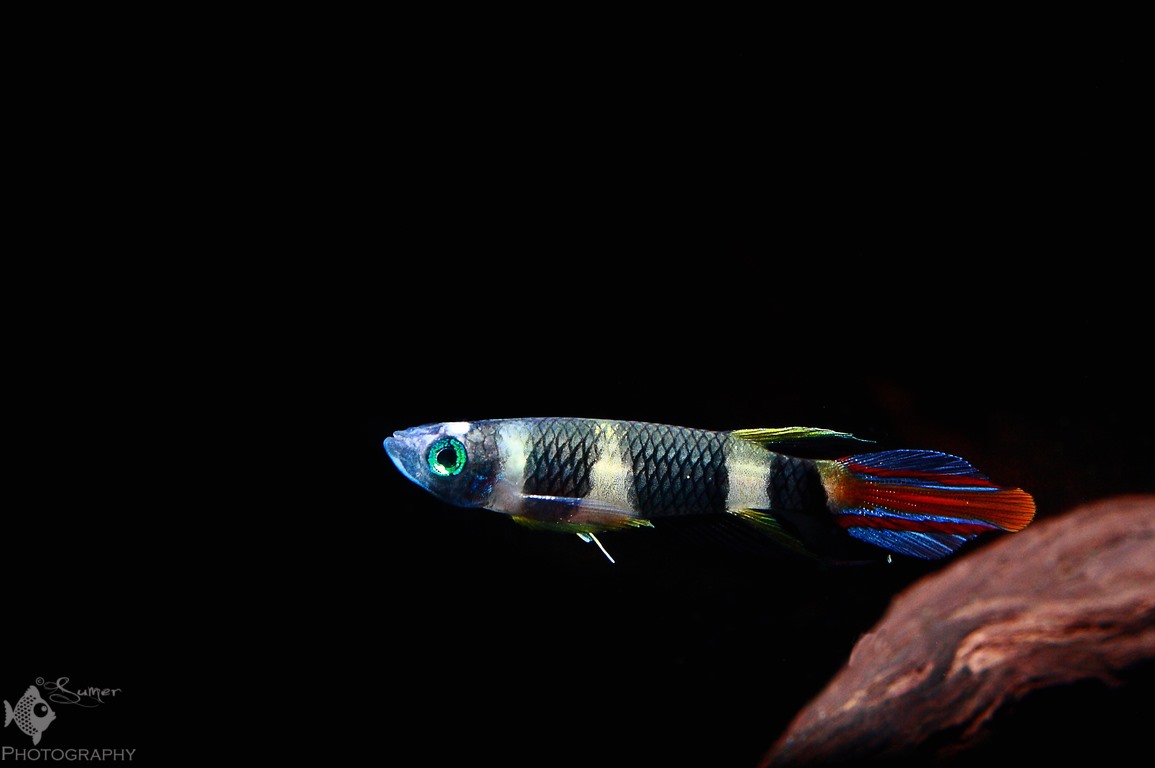
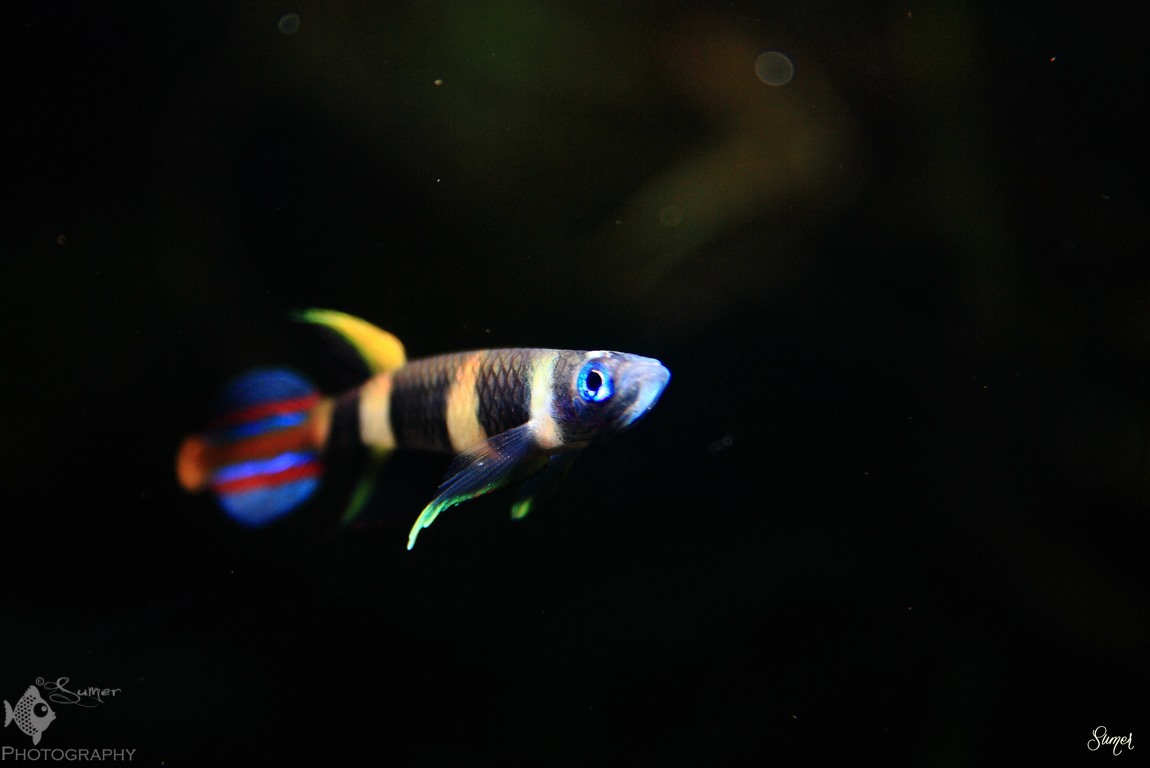
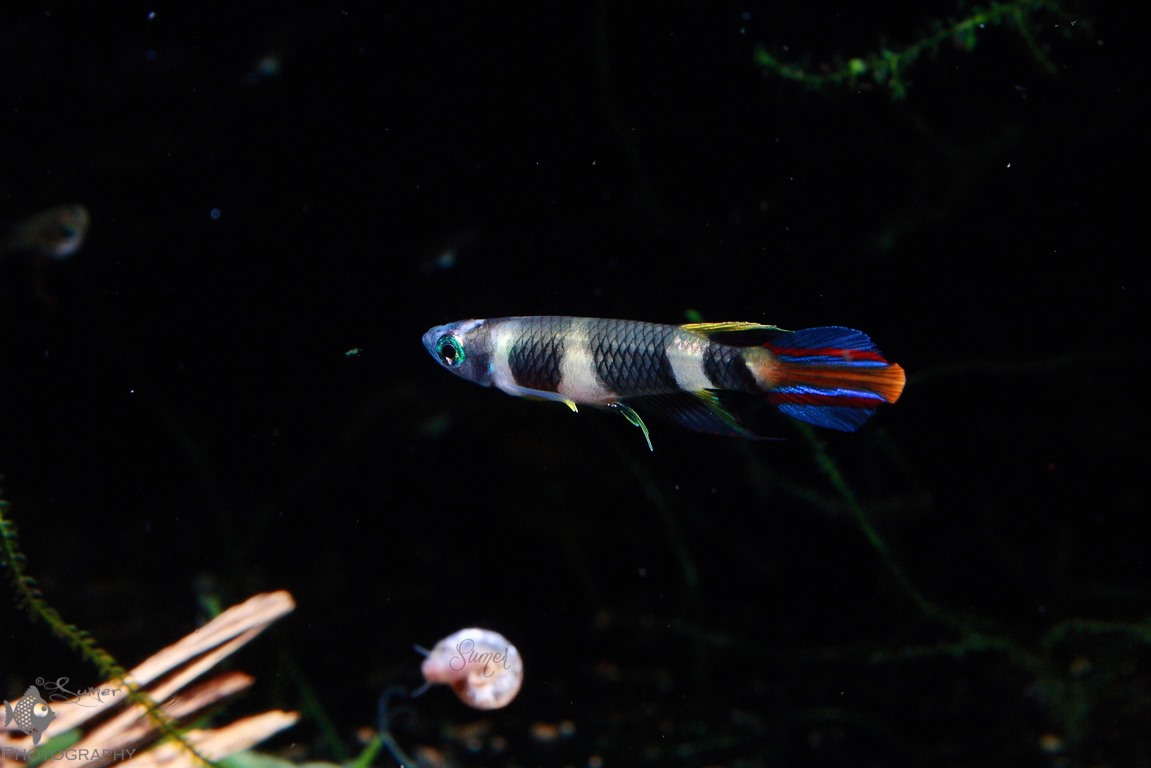
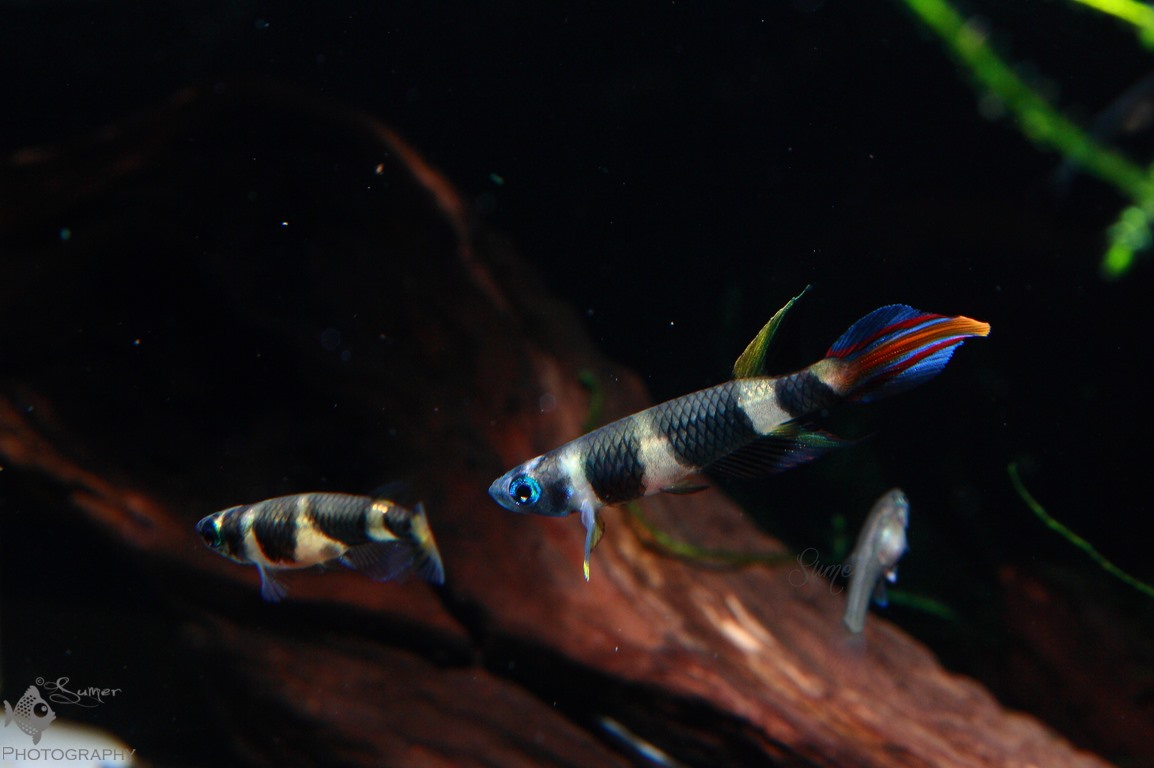
火箭灯(Epiplatys annulatus)是一种小型鳉鱼,身体有 4 道宽暗带与淡黄色区交替,雄鱼鳍色格外醒目。它虽然温和,但体型小、对稳定水质有要求,适合谨慎安排的群养环境。
分布与栖息地
分布于几内亚南部、塞拉利昂至利比里亚西北部的沿海低地。栖息在稀树草原及热带雨林中的低地沼泽、缓流溪段和小河,多活动于岸边植被或水草间。多数地点为淡水,少数有轻微汽水条件。
水通常温暖、偏软而酸,多数河流常年有水。原生雨林已大量缩减,部分残存栖息地位于森林保护区。
饲养环境
建议底面积至少约 45 × 30 cm,可用密植水草,或沙底、沉木根和枝条的自然式布置。干落叶提供遮蔽,分解时形成的微生物也能成为鱼苗的补充食物。适宜较暗灯光、耐阴植物与浮水植物。
它对水质骤变和恶化敏感,应在生物过滤成熟后入缸,维持稳定环境。
食性与喂食
野外可能捕食陆生、水生无脊椎动物及其他浮游动物。缸中可接受大小合适的干饲料,但每日还宜搭配丰年虾无节幼体、水蚤、裸腹溞等小型活饵或冷冻饵。
习性与混养
建议至少 8~10 条同养,数量充足时较少胆怯,互动也更丰富。混养宜选体型相近、安静且水质需求相容的小鱼;普通混养缸并不一定适合,不能只根据性情温和就忽略食物和空间竞争。
雌雄区分
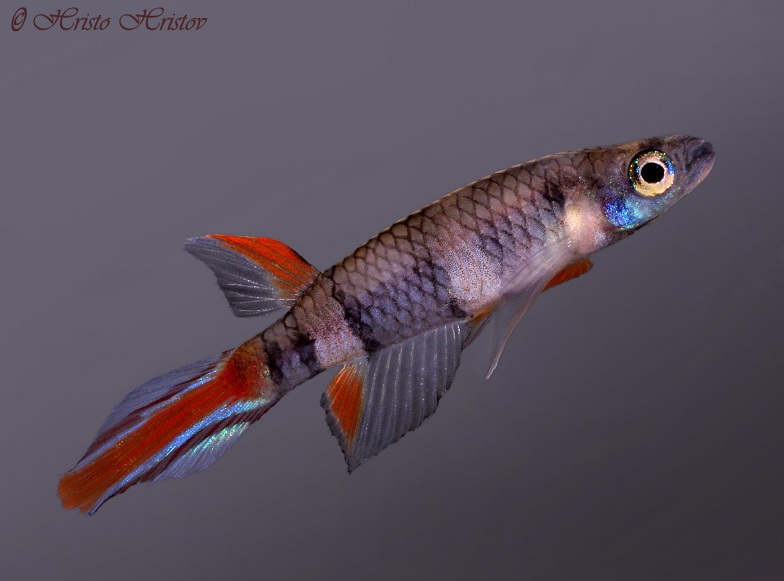
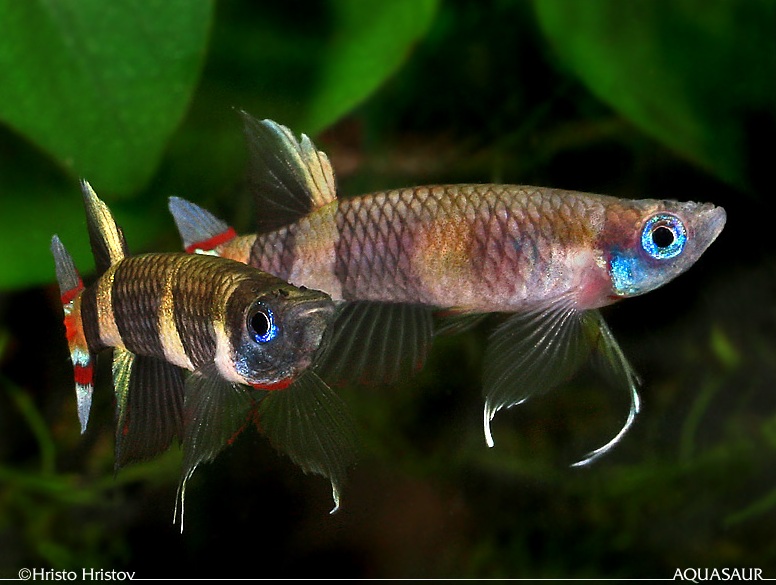
雄鱼体色更鲜艳,鳍延伸更明显,体型也较大。
繁殖
繁殖较容易,成熟、遮蔽丰富的单种缸里可能自然出现鱼苗。若原来在混养缸中,宜另设繁殖缸。莫丝、浮水植物根、鹿角苔或产卵拖把均可作产卵介质,需要过滤时采用轻柔海绵过滤。
可用一对或一雄配两尾以上雌鱼。既可每隔数日更换产卵介质另孵,也可留在原缸等待水面附近出现自由游动鱼苗。约 24~25 °C 时,卵通常 9~12 天孵化。
成熟植物及少量落叶上的微生物可为鱼苗提供食物;若育苗环境较洁净,最初需轮虫等极小活饵,长大后才转用丰年虾无节幼体。成鱼似乎较少捕食自己的后代,但大鱼苗会吃小鱼苗,长到足够大小后应分开。繁殖缸不要放螺、虾等较大无脊椎动物,它们可能吃卵。
补充说明
不同产地的鳍色可有明显差异,应保留地方型标签以避免混杂。它曾被归入 Pseudepiplatys,检索时可遇到旧组合名称。
图片
图片来自 SeriouslyFish,版权归各摄影者所有。
English
Overview
Epiplatys annulatus, the clown or rocket killifish, is a tiny species with four broad dark body bands alternating with pale yellow areas. Male fins are especially colorful. Its peaceful nature does not remove the need for stable water and carefully selected companions.
Distribution & habitat
The range runs through coastal lowlands from southern Guinea and Sierra Leone to northwestern Liberia. It inhabits lowland swamps, slow streams, and small rivers in savanna and rainforest landscapes, using marginal vegetation and aquatic plants. Most sites are fresh water, although slightly brackish conditions occur locally.
Water is generally warm, soft, and acidic, and most rivers remain wet year-round. Much original rainforest has been lost, with some surviving habitat retained in forest reserves.
Aquarium setup
Provide a footprint of at least about 45 × 30 cm. Dense plants or a sand-and-wood layout with roots and branches offer suitable cover. Leaves add shelter and develop microorganisms that supplement fry nutrition. Subdued light, shade-tolerant plants, and floating vegetation work well.
Use a biologically mature aquarium and prevent abrupt changes or deteriorating water quality, to which this species is sensitive.
Diet & feeding
Its wild diet probably consists of terrestrial and aquatic invertebrates and other zooplankton. Captive fish accept suitably small dry food, but daily additions of live or frozen Artemia nauplii, Daphnia, Moina, and similar foods are beneficial.
Behaviour & compatibility
Keep at least 8–10 individuals to reduce shyness and encourage a broader range of interactions. Choose similarly sized, quiet companions with matching water requirements. A general community may expose this small fish to too much competition even when no overt aggression occurs.
Sexual dimorphism
Males grow larger, develop more extended fins, and show stronger coloration than females.
Breeding
Breeding is relatively easy, and fry may appear spontaneously in a mature, well-covered species aquarium. Use a separate breeding aquarium if the adults normally live with other fishes. Moss, floating-plant roots, Riccia, or spawning mops provide egg sites; gentle sponge filtration is sufficient if filtration is used.
A pair or one male with two or more females can spawn. Replace the medium every few days for separate incubation, or leave it in place until free-swimming fry appear near the surface. At about 24–25 °C, incubation generally lasts 9–12 days.
Mature plants and a little leaf litter can supply natural microscopic food. In cleaner rearing setups, fry initially need tiny live foods such as rotifers before they can manage Artemia nauplii. Adults apparently seldom eat their own young, but larger fry eat smaller ones and should be separated when large enough. Keep snails, shrimp, and other larger invertebrates out of the breeding aquarium because they can consume eggs.
Notes
Fin colors vary among populations, making locality labels useful for maintaining distinct lines. The former genus name Pseudepiplatys still appears in older records.
来源
- https://www.seriouslyfish.com/species/epiplatys-annulatus(抓取于 2026-10-10)
epiplatys-annulatus · 文件: data/species/epiplatys-annulatus.md · 状态: 草稿