Ectodus descampsii · Descamp's Strange-Tooth Cichlid
概要
| 字段 | 值 |
|---|---|
| 类别 | 鱼 |
| 学名 | Ectodus descampsii |
| 分类 | 慈鲷目 Cichliformes › 慈鲷科 Cichlidae › Ectodus |
| 水体 | 淡水 |
| 成体体长 | 10.4 cm |
| 饲养难度 | 中等 |
| 最小水体 | 81 L |
| 最小缸长 | 90 cm |
| 群居方式 | 群游 |
| 外部数据 | seriouslyfish ectodus-descampsii;fishbase 8575 |
| 原产地 | 坦干伊喀湖,莫利罗至乌廷塔湾之间 |
| 特征 | 啃水草: 否;翻底砂: 是 |
| 繁殖方式 | 口孵 |
水质参数
| 参数 | 耐受范围 | 最适范围 | 单位 |
|---|---|---|---|
| 水温 | 24–27 | — | °C |
| pH | 7.5–9 | — | — |
| 总硬度 | 10–25 | — | dGH |
概述
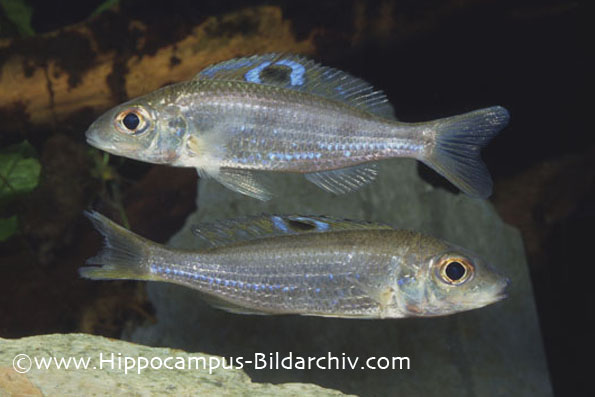
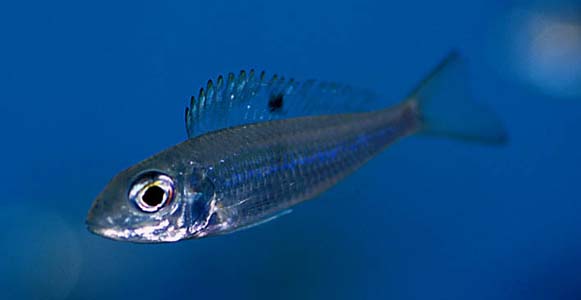
Ectodus descampsii 是坦干伊喀湖较胆怯的群居慈鲷,在砂地上方的开放水域活动。背鳍中央的黑斑是辨认线索之一,贸易中有相似的北部未定种混用其名称。
分布与栖息地
特有于坦干伊喀湖,已知分布在莫利罗至乌廷塔湾之间,栖息于砂质底床上方的开阔水域。
饲养环境
可按至少 90 × 30 × 30 cm 安排。底部用砂,石堆形成洞穴,石堆间留出大面积开放活动区。可以加入沉木或耐硬水的植物,本种不会破坏水草,但种植并非必需。
食性与喂食
通常接受多数适口食物,活饵和冷冻饵应占主要部分,维持多样投喂。
习性与混养
应避免凶猛或过于活跃的伙伴,尤其岩栖啃藻慈鲷。可考虑条件适合的其他温和坦湖鱼,但不能仅因产地相同就忽略个体差异。
至少 8 尾同养,缺少同种伙伴的安全感时容易退缩。
雌雄区分
尚无可靠外观区分方法。有资料称雄鱼背鳍黑斑更大,这只能作为待核实线索。
繁殖
已知自然为雌性口孵,雄鱼会在底砂挖凹处,供产卵使用。人工繁殖尚无可用记录;近似口孵慈鲷的操作只能作为尝试方向,不能当成已验证流程。
补充说明
某些北部近似鱼背鳍黑斑更靠前,体型也较小,与本种黑斑位于背鳍中部的情况不同。历史名称曾有颠倒,购买时宜核对外观与来源。
图片
图片来自 SeriouslyFish,版权归各摄影者所有。
English
Overview
A shy, social Tanganyikan cichlid, Ectodus descampsii occupies open water above sand. A dark spot near the middle of the dorsal fin helps identify it, but a similar undescribed northern fish has also entered trade under this name.
Distribution & habitat
The species is endemic to Lake Tanganyika, with its known range lying between Moliro and Utinta Bay. Sandy-bottomed open-water areas are its habitat.
Aquarium setup
Provide at least a 90 by 30 by 30 cm aquarium. Use sand and rock piles forming caves, with extensive open areas between them. Wood and hard-water-tolerant plants are optional. The fish does not damage vegetation.
Diet & feeding
Most appropriately sized foods are accepted. Live and frozen offerings should make up the greater part of a varied menu.
Behaviour & compatibility
Aggressive or boisterous companions, particularly mbuna, are unsuitable. Other carefully selected Tanganyikan fishes can be considered, but shared origin alone does not ensure compatibility.
Maintain at least eight. Without sufficient conspecific company, this retiring species may become withdrawn.
Sexual dimorphism
Reliable external differences remain unknown. A larger dorsal spot in males has been reported, but it is only a tentative clue.
Breeding
Natural reproduction involves maternal mouthbrooding, with males digging substrate depressions used for spawning. A confirmed aquarium procedure is unavailable. Methods from comparable mouthbrooders may suggest trials but are not validated results for this species.
Notes
The similar northern form has its dorsal spot farther forward and reaches a smaller adult size. Historical labels have been reversed, so examine both appearance and provenance rather than trusting a name alone.
来源
- https://www.seriouslyfish.com/species/ectodus-descampsii(抓取于 2026-10-10)
ectodus-descampsii · 文件: data/species/ectodus-descampsii.md · 状态: 草稿