六带复齿脂鲤 · Six-banded Distichodus
概要
| 字段 | 值 |
|---|---|
| 类别 | 鱼 |
| 学名 | Distichodus sexfasciatus |
| 别名 | 六帶複齒脂鯉 |
| 分类 | 脂鲤目 Characiformes › 琴脂鲤科 Citharinidae › Distichodus |
| 水体 | 淡水 |
| 成体体长 | 75 cm |
| 饲养难度 | 中等 |
| 最小水体 | 1296 L |
| 最小缸长 | 240 cm |
| 性情 | 温和 |
| 外部数据 | seriouslyfish distichodus-sexfasciatus;fishbase 10787 |
| 原产地 | 喀麦隆、刚果民主共和国、坦桑尼亚,包括坦噶尼喀湖 |
| 食性 | 杂食 |
| 游动层 | 底层 |
| 特征 | 啃水草: 是;会跳缸: 是 |
水质参数
| 参数 | 耐受范围 | 最适范围 | 单位 |
|---|---|---|---|
| 水温 | 22–26 | — | °C |
| pH | 6–7.5 | — | — |
| 总硬度 | 10–20 | — | dGH |
概述
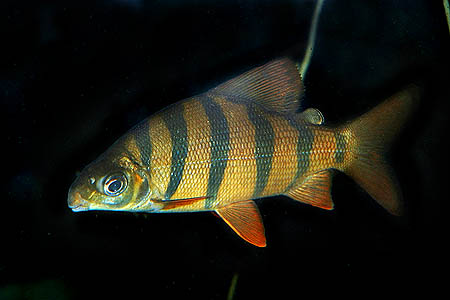
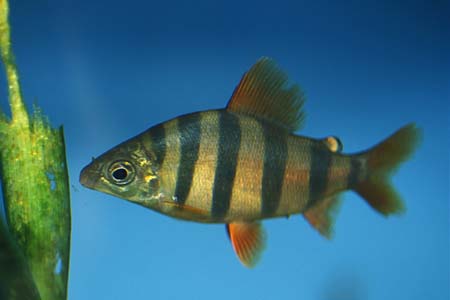
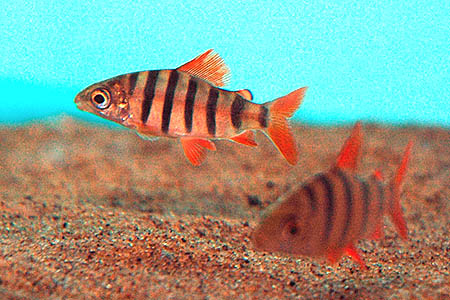
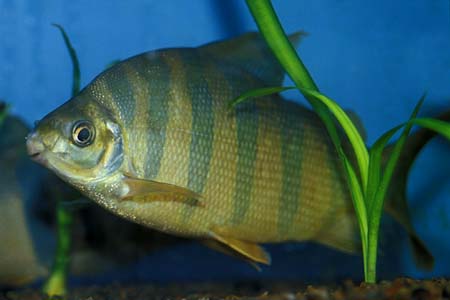
六带复齿脂鲤(Distichodus sexfasciatus)幼鱼橙黑相间、鳍色鲜红,成长后颜色和花纹会减退。成鱼体形巨大,部分个体还会愈发好斗,不能按幼体观赏性把它当作普通混养鱼。
分布与栖息地
分布于喀麦隆、刚果民主共和国和坦桑尼亚,也见于坦噶尼喀湖。栖于河流及湖泊,主要在底部活动。
饲养环境
约 240 × 90 × 60 cm 只是单尾的最低起点,若与其他鱼或同种群养,需要更大的设施。沙或砾石底、光滑岩石和沉木可组成简洁布局,并保留水流与活动空间。
它会吃多数水草,较坚韧的水榕或蕨类也不能保证完全无损。善跳,因此缸盖必须贴合且稳固。
食性与喂食
本种杂食,需要较多植物性成分。可把蚯蚓、虾肉、贻贝等与去皮豌豆、螺旋藻薄片和烫软菠菜搭配,避免只供应肉类。
习性与混养
个体差异大,有些可与相近体形鱼和平共处,另一些随年龄增长会变得非常强势。小型或胆怯缸友不合适。
幼鱼能相对和平地群游,但成年后同种攻击会增加,维持成鱼群需要极大的空间。判断兼容性不能仅依据幼鱼暂时相处融洽。
补充说明
可靠的雌雄外部差异及普通鱼缸繁殖方法尚不明确。购买前应按成年设施规划,不能依靠幼鱼时期鲜艳条纹或较小体形判断长期适养性。
图片
图片来自 SeriouslyFish,版权归各摄影者所有。
English
Overview
Young Distichodus sexfasciatus combine orange-and-black bands with red fins, but much of this pattern fades with age. Large adult size and potentially increasing aggression make it unsuitable for a routine community aquarium.
Distribution & habitat
Records span Cameroon, the Democratic Republic of the Congo, and Tanzania, including Lake Tanganyika. It occupies rivers and lakes and is predominantly bottom-associated.
Aquarium setup
A tank around 240 × 90 × 60 cm is only a starting minimum for one fish. Communities or conspecific groups need substantially more space. Sand or gravel, smooth rocks, and wood form a practical layout with room for movement and some current.
Most plants are eaten. Tough anubias or aquatic ferns may fare better, without guaranteed protection. A strong close-fitting cover is essential because it jumps well.
Diet & feeding
An omnivore, it requires a generous vegetable contribution. Earthworms, shrimp, and mussel can be combined with shelled peas, algae-based flakes, and softened spinach rather than relying exclusively on animal foods.
Behaviour & compatibility
Temperament is unpredictable. Some individuals tolerate similarly sized fishes, while others become hostile with maturity. Avoid small or timid companions.
Juveniles may school peacefully, but aggression toward conspecifics increases with growth. An adult group requires enormous accommodation; juvenile harmony is not proof of long-term compatibility.
Notes
Reliable external sexing and a normal aquarium breeding method remain unknown. Acquisition should depend on adult facilities rather than attractive juvenile stripes or a temporarily manageable size.
来源
- https://www.seriouslyfish.com/species/distichodus-sexfasciatus(抓取于 2026-10-10)
distichodus-sexfasciatus · 文件: data/species/distichodus-sexfasciatus.md · 状态: 草稿