带尾双线美鲶 · Flagtail Catfish
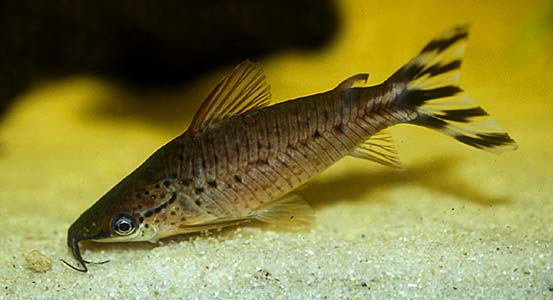
概要
| 字段 | 值 |
|---|---|
| 类别 | 鱼 |
| 学名 | Dianema urostriatum |
| 别名 | 帶尾雙線美鯰 |
| 分类 | 鲶形目 Siluriformes › 美鲶科 Callichthyidae › Dianema |
| 水体 | 淡水 |
| 成体体长 | 12.5 cm |
| 饲养难度 | 中等 |
| 最小水体 | 137 L |
| 最小缸长 | 120 cm |
| 群居方式 | 群游 |
| 性情 | 温和 |
| 外部数据 | seriouslyfish dianema-urostriatum;fishbase 12204 |
| 原产地 | 巴西亚马孙河流域部分地区 |
水质参数
| 参数 | 耐受范围 | 最适范围 | 单位 |
|---|---|---|---|
| 水温 | 25–28 | — | °C |
| pH | 6–8 | — | — |
| 总硬度 | 5–20 | — | dGH |
概述
带尾双线美鲶(Dianema urostriatum)适合较宽敞的温和混养缸,小群饲养时常更活跃。新进口的野生个体可能较脆弱,适应后则通常耐养,不能用已稳定成鱼的表现忽略新鱼的状态。
分布与栖息地
来自巴西亚马孙河流域的部分地区,主要在远离主河道的缓流溪流、支流、泛滥平原湖泊和池塘中生活。
饲养环境
细砂、沉木、交错树根和少量干燥落叶可营造有遮蔽的环境;密植草缸也适合。布置方式并非关键,充足遮蔽才使鱼容易安定。水质宜选择其允许范围中偏酸的一端。
食性与喂食
接受饲料较容易,可用下沉颗粒搭配红虫、丰年虾、切碎蚯蚓等小型活饵或冷冻饵,提供多样菜单。适应后会到水面取食。
习性与混养
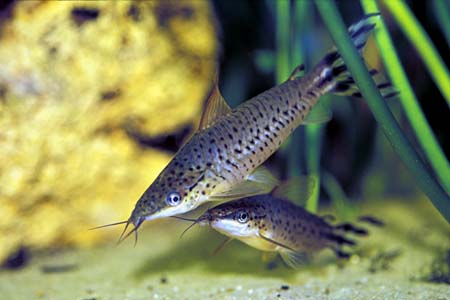
对同种和其他温和小鱼都很友善,但极小鱼苗仍可能被吞食。可与灯鱼、温和慈鲷、鼠鱼和较小异型鱼相处,避免体型过大或攻击性强的同伴。三至六条一起比单养更愿意活动,有时可见它们在中层结伴游动。
雌雄区分
雄鱼胸鳍前几条鳍条略为增粗,成熟雌鱼可能更圆腹,需结合状态判断。
繁殖
已有多次人工繁殖成功的报告,但具体方式仍有分歧:有泡巢说法,也有在底部凹坑产卵的描述。可从四至六条的群体尝试,在水面固定漂浮物作为潜在筑巢处,以较充足的活饵和较凉新水刺激。发现卵后移走成鱼,避免吃卵;鱼苗消耗卵黄后,可尝试丰年虾无节幼体或微虫。
也有人尝试模拟旱雨季,通过较低水位阶段与随后补入较凉、较软水及加强投喂形成季节对比。季节和气压等因素可能共同影响,不能把这一思路视为保证成功的配方。
补充说明
适应后的健壮性与新到鱼的脆弱并不矛盾。接收新鱼时应先观察食欲和体况,再逐步判断是否适合现有群体。
图片
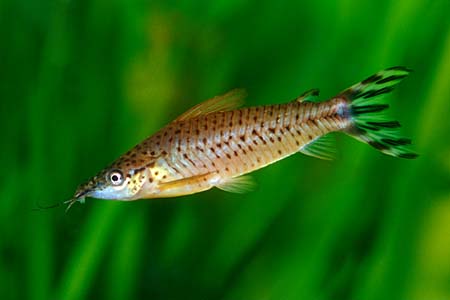
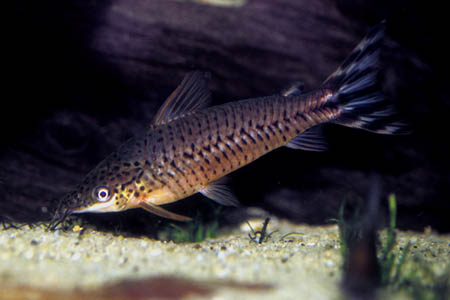
图片来自 SeriouslyFish,版权归各摄影者所有。
English
Overview
Dianema urostriatum is a peaceful choice for a roomy community aquarium. Small groups are more outgoing than single fish and sometimes move together through midwater. Recent wild imports may be delicate even though acclimated individuals usually become hardy and adaptable.
Distribution & habitat
It occurs in parts of the Brazilian Amazon, principally in slower creeks, tributaries, floodplain lakes, and ponds away from major river channels.
Aquarium setup
Provide abundant shelter using wood, roots, and optionally dried leaves over sand. Dense planting is another suitable approach. The exact style matters less than secure cover. Water toward the more acidic end of its tolerated range is preferred.
Diet & feeding
Sinking pellets can be supplemented with bloodworms, brine shrimp, chopped earthworms, and other suitably small live or frozen foods. It is generally undemanding about food and often takes meals at the surface once settled.
Behaviour & compatibility
Peaceful tetras, cichlids, corys, and smaller loricariids are possible partners. Very small companions are usually left alone, although tiny fry may be eaten. Avoid communities dominated by much larger or aggressive fish. Three to six together encourage activity, with little aggression among their own kind.
Sexual dimorphism
The foremost pectoral rays are slightly thicker in males. Mature females may be rounder, a distinction best treated cautiously.
Breeding
Captive spawning has occurred repeatedly, but accounts disagree about whether eggs are placed in a bubble nest or a depression in the substrate. A group of four to six, anchored floating material as a potential nest support, abundant live food, and cooler replacement water form one suggested trial. Separate adults once eggs are found. After yolk absorption, fry should accept brine shrimp nauplii or microworms.
Simulating the transition between dry and wet periods is another experimental approach: lower water temporarily, then replenish with cooler, softer water while increasing food. Seasonal timing and atmospheric pressure may also influence breeding. None of these suggestions resolves the conflicting accounts of the spawning site.
Notes
Judge new arrivals by their present feeding and condition. The durability of settled specimens does not mean newly imported fish will be equally resilient.
来源
- https://www.seriouslyfish.com/species/dianema-urostriatum(抓取于 2026-10-10)
dianema-urostriatum · 文件: data/species/dianema-urostriatum.md · 状态: 草稿