Dario urops
概要
| 字段 | 值 |
|---|---|
| 类别 | 鱼 |
| 学名 | Dario urops |
| 分类 | 攀鲈目 Anabantiformes › 变色鱼科 Badidae › Dario |
| 水体 | 淡水 |
| 原产地 | 印度 |
| 成体体长 | 2.8 cm |
| 饲养难度 | 中等 |
| 群居方式 | 成对 |
| 外部数据 | seriouslyfish dario-urops;fishbase 66763 |
概述
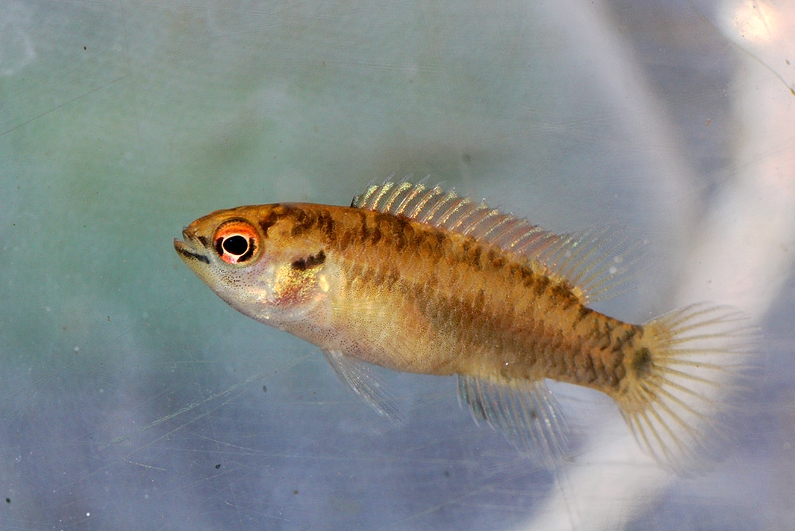
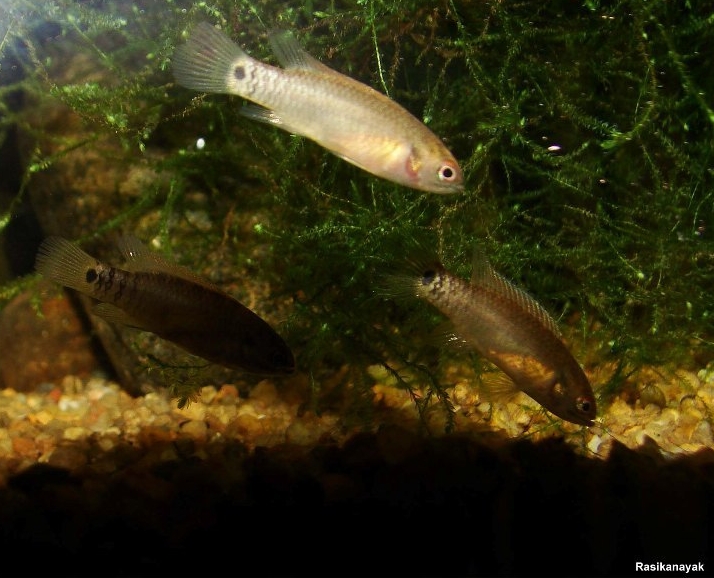
Dario urops 是印度西高止山脉的变色鲈,尾柄醒目的黑色眼斑是重要识别线索。它来自印度西南部,与多数北方及缅甸近缘种的分布相隔较远;具体亲缘位置仍有待研究。
分布与栖息地
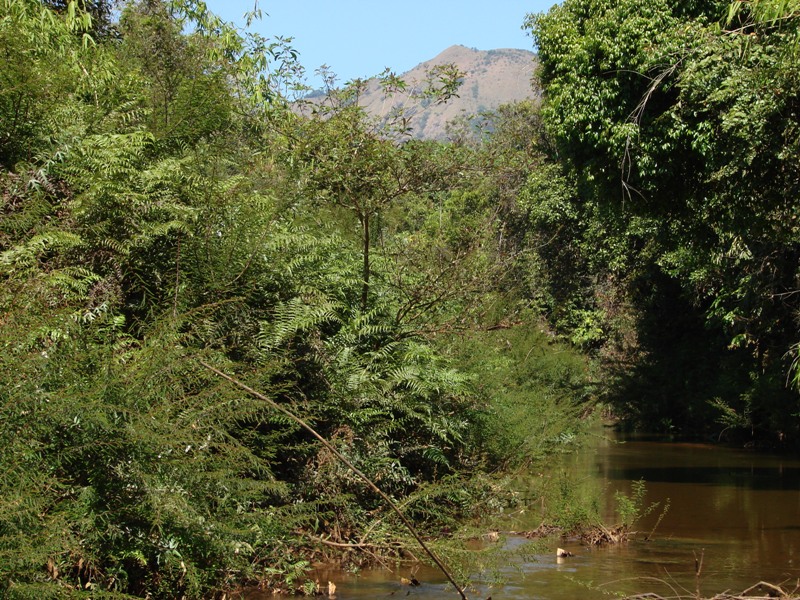
记录来自卡纳塔克邦南部 Valapattanam 水系、Agumbe 一带,以及喀拉拉邦 Wayanad 的 Cauvery 河源区。前一水系向西流入阿拉伯海,后一水系向东流入孟加拉湾。
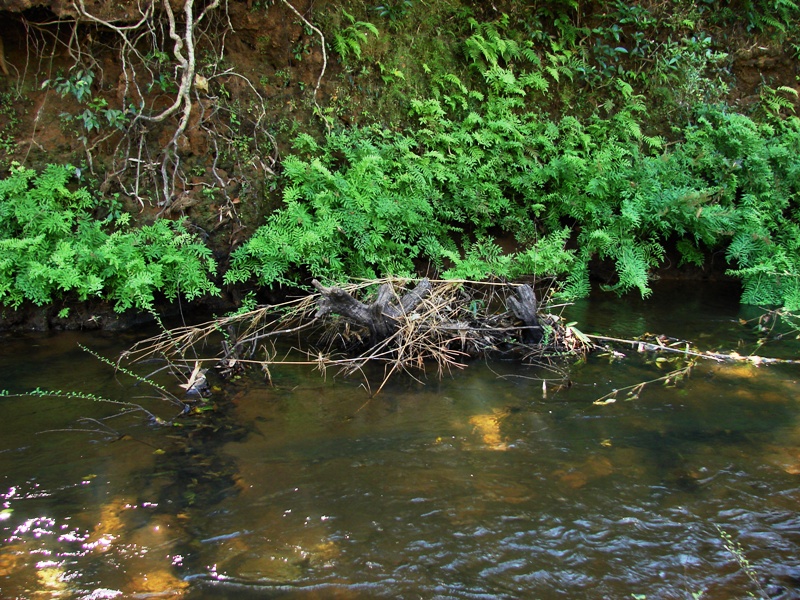
模式产地为海拔约 811 m、Barapole 支流旁的一条小溪,最大宽约 10 m、深约 2 m。2012 年一月水清,底部有沙、泥及大石,岸边长有半沉水 Lagenandra。鱼多藏在流速较缓处伸入水中的树根和厚落叶层之间。
食性与喂食
Dario 属捕食小型水生甲壳类、蠕虫、昆虫幼体和浮游动物。人工照顾可提供适口小型活、冻饵,例如丰年虾无节幼体、水蚤、微虫及香蕉虫,并留意谨慎进食者是否吃到。
红虫与颤蚓在这些鱼中有导致肥胖和健康问题的风险,宜排除出日常菜单。
雌雄区分
雄鱼成熟后腹鳍、背鳍及臀鳍延长,这是较明确的识别特征。
补充说明
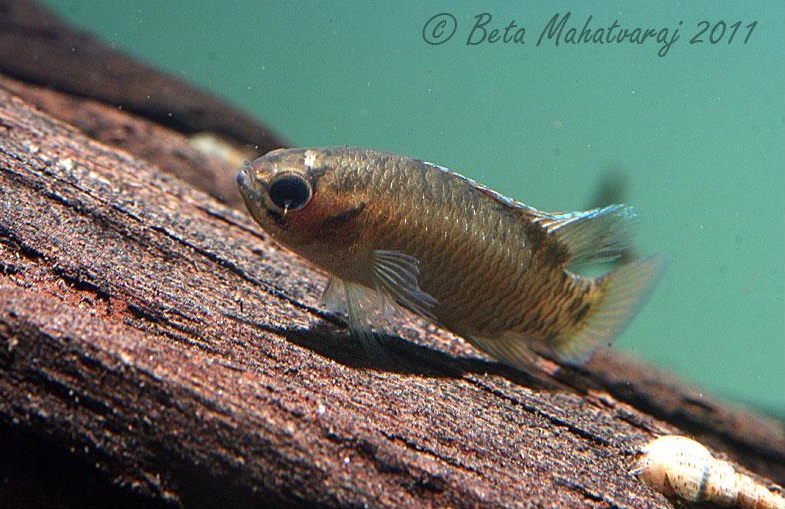
尾柄黑斑和水平眼下纹有助于与近缘种区分,雄鱼前部背鳍的鳍膜不明显超过鳍棘尖端,也不同于不少同属鱼。它没有火焰变色龙(Dario dario)那样的体侧竖纹。
虽然 2012 年才正式描述,但十九世纪 Wynaad 的旧标本曾被记作 Badis dario,后来经博物馆材料核对与本种相符。这个例子说明新命名不一定意味着最近才首次采到,也不能把旧鉴定直接套回现今物种。
图片
图片来自 SeriouslyFish,版权归各摄影者所有。
English
Overview
A conspicuous black eyespot on the tail peduncle helps identify Dario urops, a badid from India's Western Ghats. Its southwestern distribution is separated from that of most northern Indian and Myanmar relatives, while its exact relationship within the group remains open to study.
Distribution & habitat
Records include the Valapattanam system in southern Karnataka, the Agumbe area, and Cauvery headwaters in Wayanad, Kerala. The Valapattanam drains west to the Arabian Sea, whereas the Cauvery flows east to the Bay of Bengal.
The type site is a small stream beside the Barapole tributary at about 811 m elevation, reaching approximately 10 m wide and 2 m deep. In January 2012 it held clear water over sand, mud, and large boulders with extensive semisubmerged Lagenandra. Fish used hanging tree roots and thick leaf deposits in slower sections along the margins.
Diet & feeding
The genus captures small aquatic crustaceans, worms, insect larvae, and zooplankton. Captive care can use suitably small live or frozen Artemia nauplii, Daphnia, microworms, and banana worms. Check that cautious feeders actually obtain food.
Bloodworms and Tubifex are associated with obesity and health problems in these fishes and are best left out of the regular menu.
Sexual dimorphism
Mature males develop elongated pelvic, dorsal, and anal fins, providing a comparatively clear sex-related character.
Notes
The tail-peduncle blotch and horizontal stripe beneath the eye help separate it from relatives. The membranes of the male's front dorsal region do not project conspicuously beyond the spine tips, unlike those of several congeners. It also lacks the flank bars seen in Dario dario.
Although formally described in 2012, nineteenth-century specimens from Wynaad had been recorded as Badis dario. Reexamination of museum material matched them to this species. A recent name therefore need not indicate a recent first collection, and historical identifications cannot simply be transferred to modern species concepts.
来源
- https://www.seriouslyfish.com/species/dario-urops(抓取于 2026-10-10)
dario-urops · 文件: data/species/dario-urops.md · 状态: 草稿