细体爱丽鱼 · Sardine Cichlid
概要
| 字段 | 值 |
|---|---|
| 类别 | 鱼 |
| 学名 | Cyprichromis leptosoma |
| 别名 | 細體愛麗魚 |
| 分类 | 慈鲷目 Cichliformes › 慈鲷科 Cichlidae › Cyprichromis |
| 水体 | 淡水 |
| 成体体长 | 12.5 cm |
| 饲养难度 | 中等 |
| 最小水体 | 243 L |
| 最小缸长 | 120 cm |
| 群居方式 | 群游 |
| 性情 | 温和 |
| 外部数据 | seriouslyfish cyprichromis-leptosoma;fishbase 8573 |
| 原产地 | 坦噶尼喀湖 |
| 食性 | 浮游生物食性 |
| 游动层 | 上层 |
| 特征 | 会跳缸: 是 |
| 繁殖方式 | 口孵 |
水质参数
| 参数 | 耐受范围 | 最适范围 | 单位 |
|---|---|---|---|
| 水温 | 24–27 | — | °C |
| pH | 7.8–9 | — | — |
| 总硬度 | 10–25 | — | dGH |
概述
细体爱丽鱼(Cyprichromis leptosoma)是温和的开放水域群游慈鲷,常活动于缸的上层,与底部岩栖或贝壳栖鱼形成不同活动层次。产地型和蓝尾、黄尾型很多,混繁会失去原有血系信息。
分布与栖息地
坦噶尼喀湖特有,利用砂底与散布岩石相间区域上方的开放水层。野外群体可达数千条,以浮游动物为食。
饲养环境
游泳空间比装饰种类更重要,较深的缸可让岩堆集中在接近底部的位置,保持上层通畅。缸盖应严密,雄鱼求偶展示时可能跳出。
食性与喂食
自然摄食浮游动物,嘴较小,食物必须适口。虽然接受多种饲料,活饵和冷冻饵料宜占较大比例。新鱼入缸后尤其要确认每条都确实吃到食物。
习性与混养
性情很温和,不适合与粗猛的岩栖马拉维慈鲷同养。可选活动区域不同、需求相符的坦湖岩栖或贝壳栖鱼。至少八条,空间允许时较大群体更自然,也可能让不止一条雄鱼充分发色;它还能使部分胆小伙伴更愿意出来活动。
雌雄区分
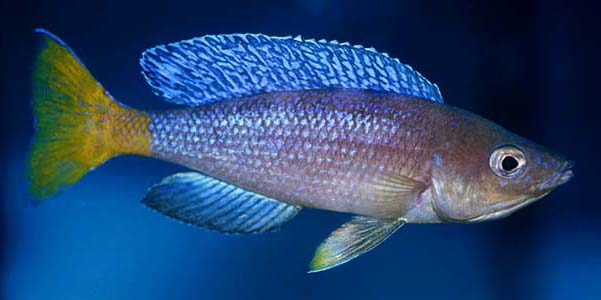
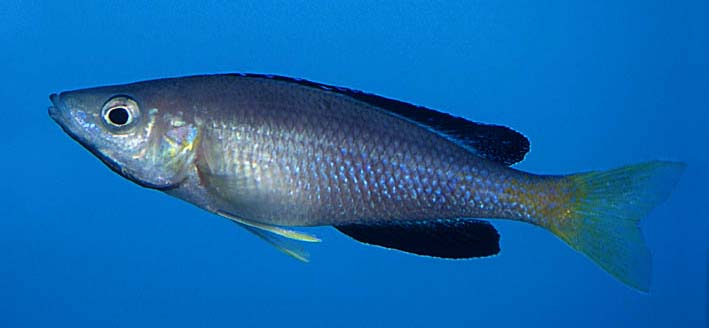
雄鱼颜色远比雌鱼鲜明。
繁殖
雄鱼在开放水中建立三维领域,容许雌鱼与其他种穿过,但驱逐竞争雄鱼。求偶后在水中产卵,雌鱼立即接卵入口,雄鱼腹鳍末端的卵状结构参与受精过程。每雄配多雌、使用足够宽深的单种缸,更容易照顾后代。
雌鱼通常含五至二十粒卵,口孵可达四周,期间不进食。若没有持续被骚扰,宜留在原群,避免移动惊扰导致吐卵或吞卵;离群太久也可能影响归群。自然放苗通常在岩缝附近,幼鱼能立即吃丰年虾无节幼体,一般可留在成鱼旁。人工提前取苗属于有经验者的操作。
补充说明
标为大型型的贸易鱼可能涉及不同种,不能把所有产地型都视作完全相同;不同型不要混养繁殖。野外鱼苗会进入其他鱼的幼群并得到守护的现象,也不应直接当成人工混养方案。
图片
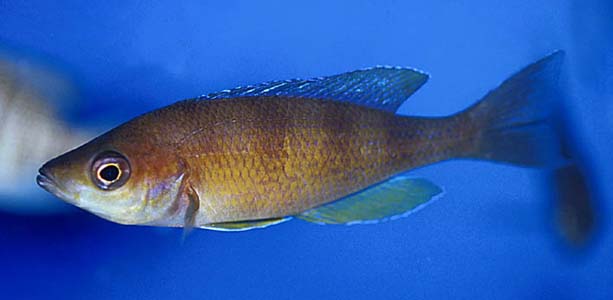
图片来自 SeriouslyFish,版权归各摄影者所有。
English
Overview
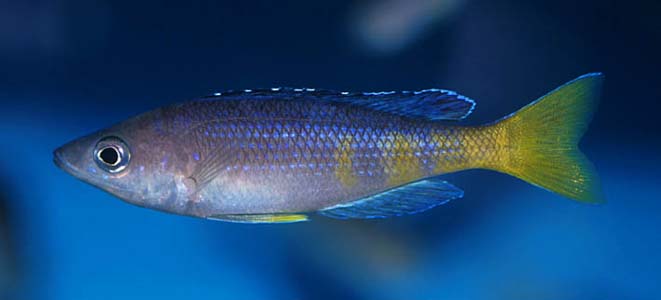
The peaceful Cyprichromis leptosoma schools in open water and usually occupies the upper aquarium, complementing suitable rock- or shell-dwelling Tanganyikan fishes below. Numerous locality forms include blue- and yellow-tailed fish; mixing them can compromise breeding lines.
Distribution & habitat
It is endemic to Lake Tanganyika, using open water above transitional habitats of sand and scattered rocks. Wild groups can number in the thousands and feed on zooplankton.
Aquarium setup
Swimming space takes priority over decorative style. A deep aquarium allows rockwork to remain near the bottom while leaving upper water open. Secure the cover because displaying males can jump.
Diet & feeding
This small-mouthed zooplankton feeder needs appropriately sized foods. Although many items are accepted, live and frozen fare should form a substantial part of the menu. Watch new arrivals closely to confirm that every individual is feeding.
Behaviour & compatibility
Avoid boisterous Mbuna. Suitable Tanganyikan rock and shell dwellers can occupy different parts of the aquarium. Keep at least eight, with larger groups worthwhile when space allows; several males may then show full color. The group can also encourage shy companions to venture out.
Sexual dimorphism
Males are much more colorful than females.
Breeding
A male defends a three-dimensional open-water area against rivals while allowing females and other species through. Spawning occurs in midwater, where the female catches the eggs immediately. Egg-like structures at the ends of the male's pelvic fins participate in fertilization. Several females per male and a spacious, deep species setup improve opportunities to raise fry.
A female typically carries five to twenty eggs for as long as four weeks without feeding. Leave an unharassed female in place to avoid stress-related loss; prolonged absence can also affect reintegration. Natural release occurs near rock crevices. Young immediately accept Artemia nauplii and can usually remain with adults. Earlier artificial removal is a specialist method.
Notes
Large “Jumbo” trade forms may represent a different species. Separate forms and localities rather than allowing crosses. Wild fry sometimes gain protection within another species' brood, but this observation does not establish a captive mixed-brood method.
来源
- https://www.seriouslyfish.com/species/cyprichromis-leptosoma(抓取于 2026-10-10)
cyprichromis-leptosoma · 文件: data/species/cyprichromis-leptosoma.md · 状态: 草稿