Cyphotilapia gibberosa
概要
| 字段 | 值 |
|---|---|
| 类别 | 鱼 |
| 学名 | Cyphotilapia gibberosa |
| 分类 | 慈鲷目 Cichliformes › 慈鲷科 Cichlidae › Cyphotilapia |
| 水体 | 淡水 |
| 原产地 | 刚果民主共和国、坦桑尼亚、赞比亚 |
| 成体体长 | 25.5 cm |
| 饲养难度 | 困难 |
| 最小水体 | 864 L |
| 最小缸长 | 240 cm |
| 群居方式 | 群游 |
| 外部数据 | seriouslyfish cyphotilapia-gibberosa;fishbase 61777 |
| 食性 | 肉食 |
| 特征 | 吃小鱼: 是 |
| 领地性 | 否 |
| 繁殖方式 | 口孵 |
水质参数
| 参数 | 耐受范围 | 最适范围 | 单位 |
|---|---|---|---|
| 水温 | 23–27 | — | °C |
| pH | 8–9 | — | — |
| 总硬度 | 10–25 | — | dGH |
概述
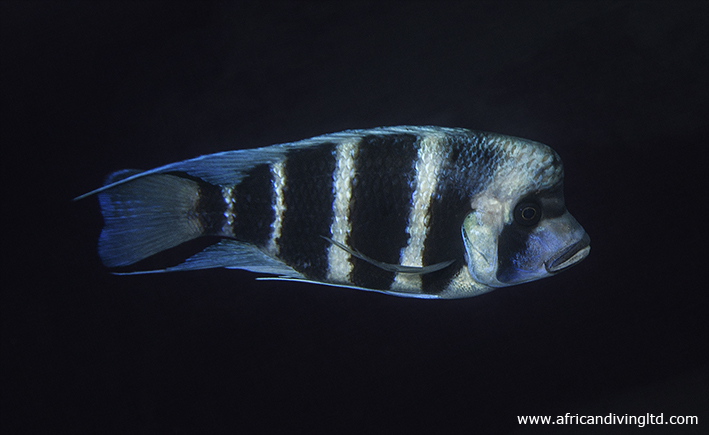
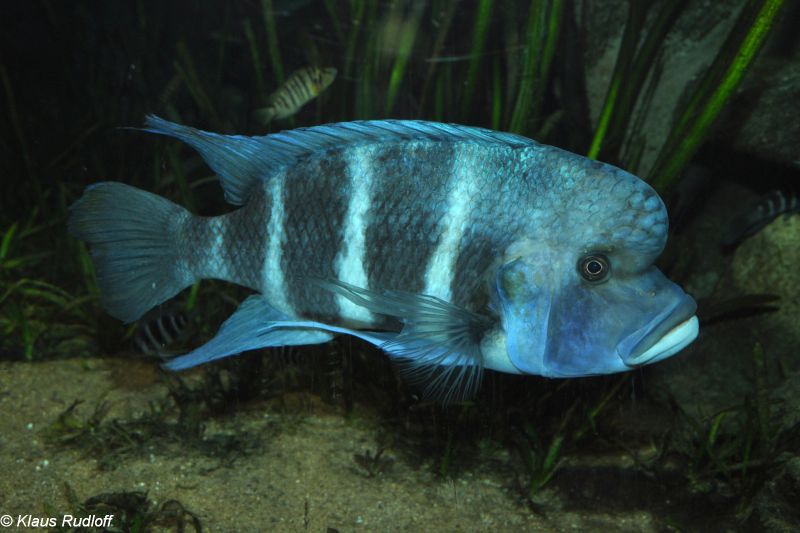
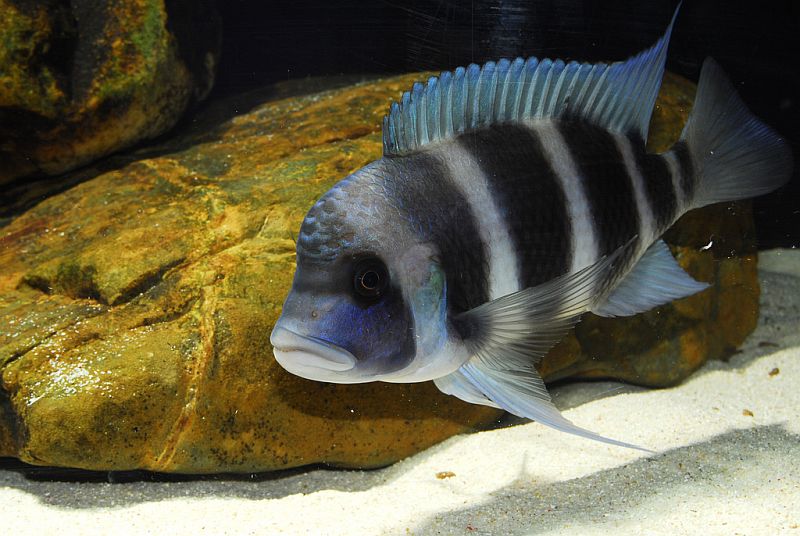
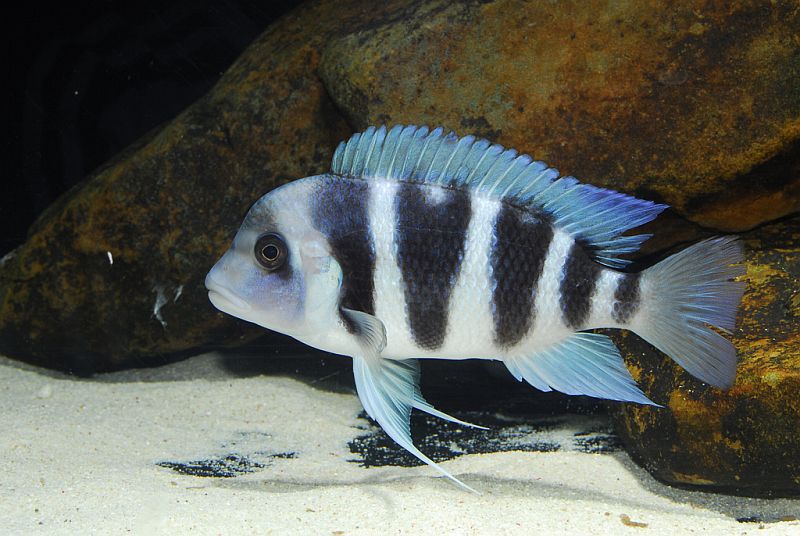
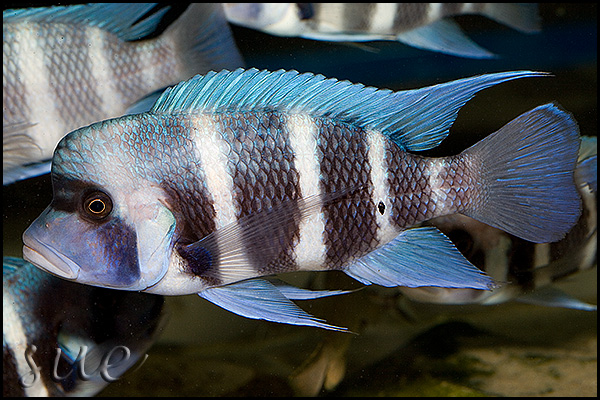
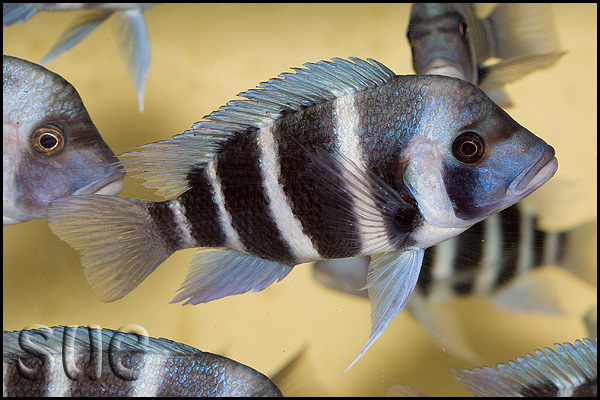
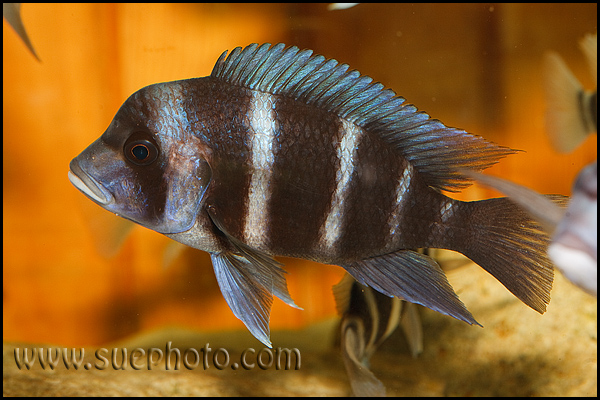
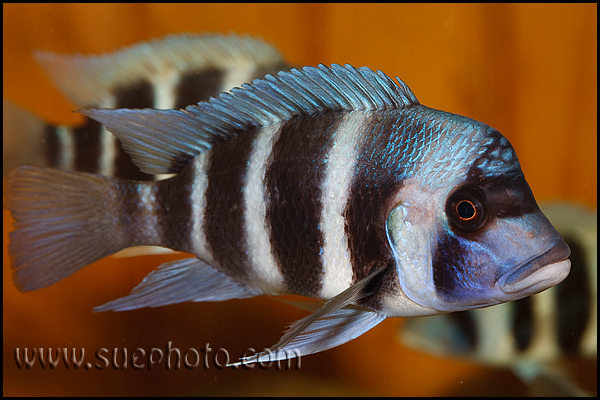
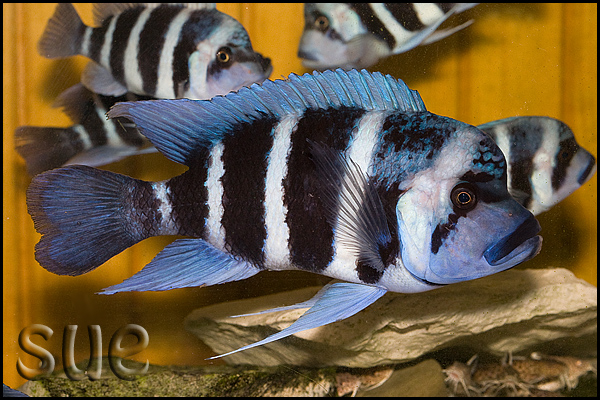
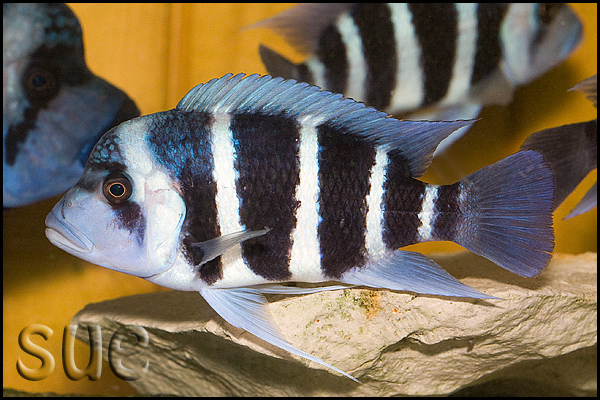
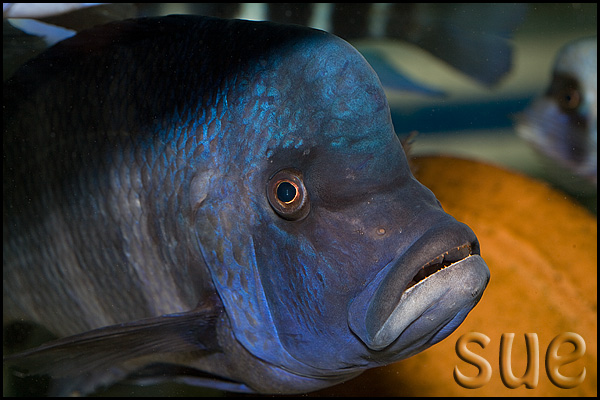
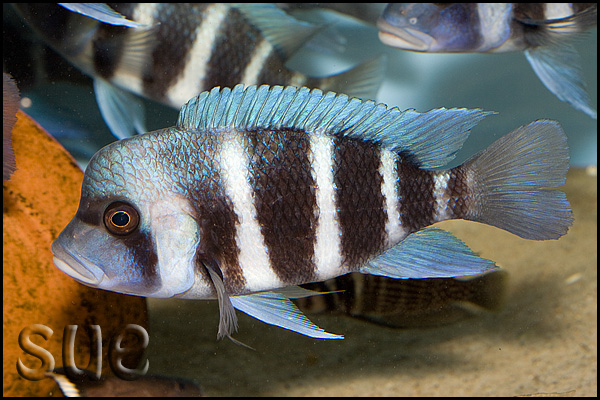
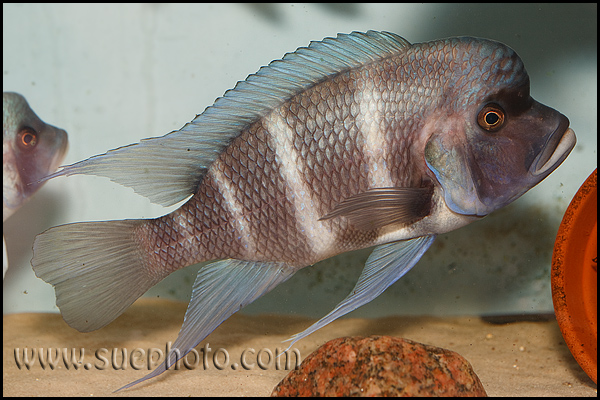
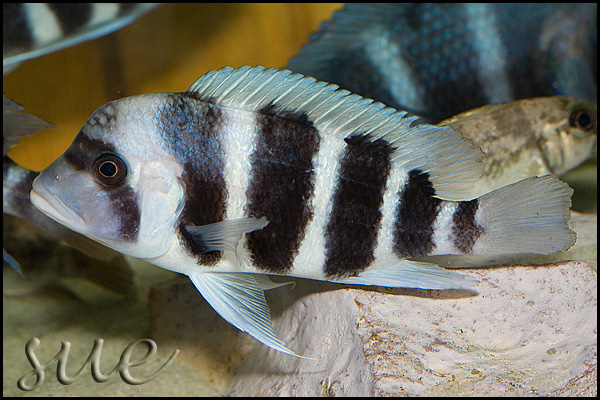
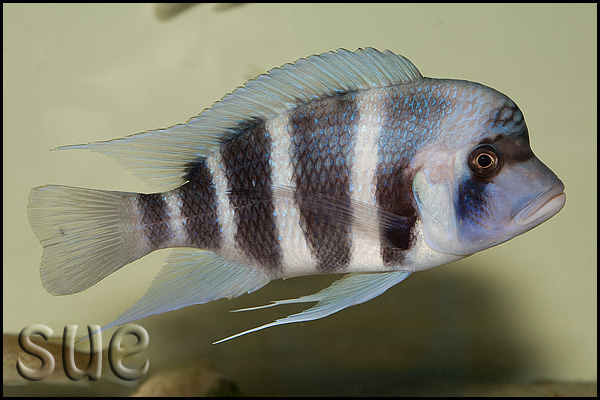
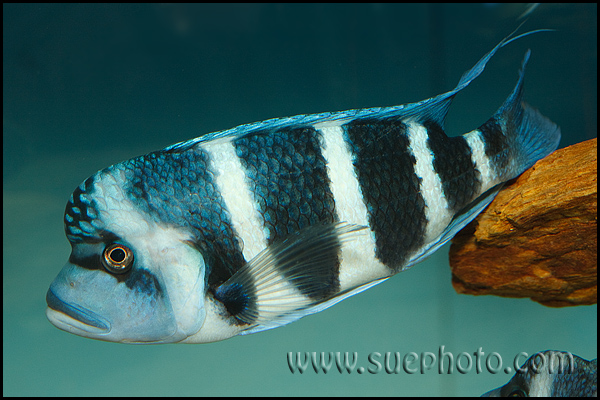
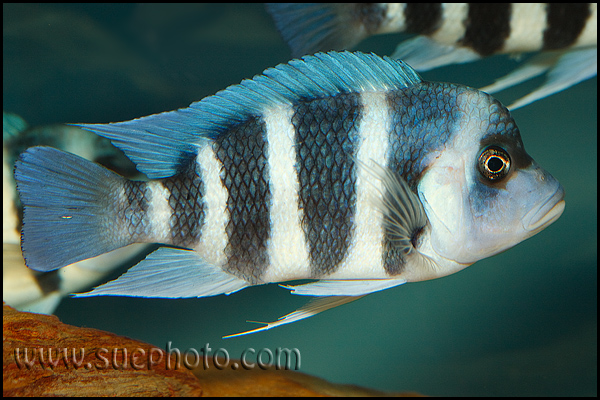
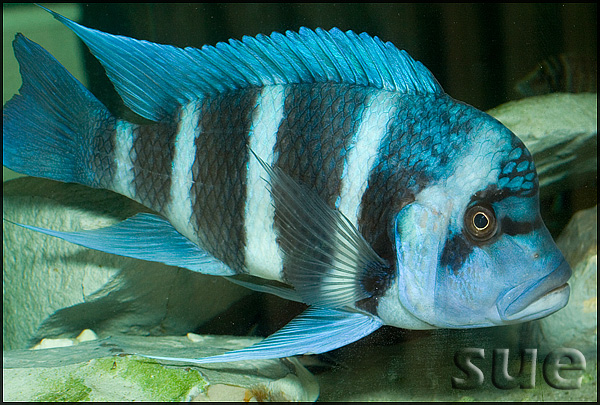
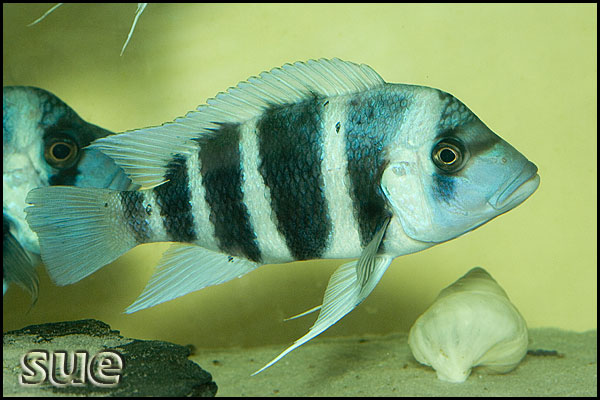
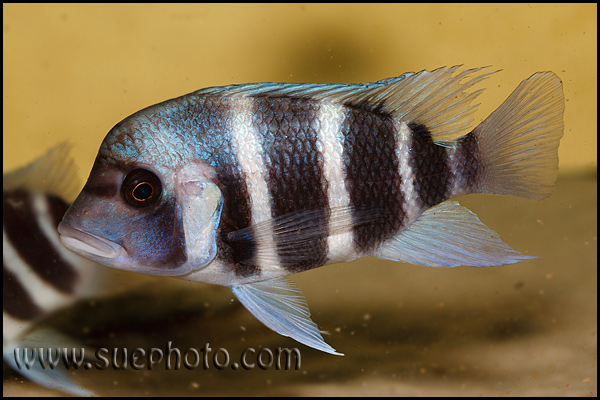
Cyphotilapia gibberosa 是坦干伊喀湖南部的大型群居慈鲷,额部隆起、体侧宽竖带很有特点。需要长期稳定的硬水、碱性环境和大型设施。不同产地种群宜保留标签,避免只以笼统商品名混在一起繁殖。
分布与栖息地
特有于坦干伊喀湖南部,分布涉及刚果民主共和国、赞比亚和坦桑尼亚湖岸。常见于带沉积物的岩石环境,大石之间夹有开阔底床,年龄和体型较大的鱼更偏深水。
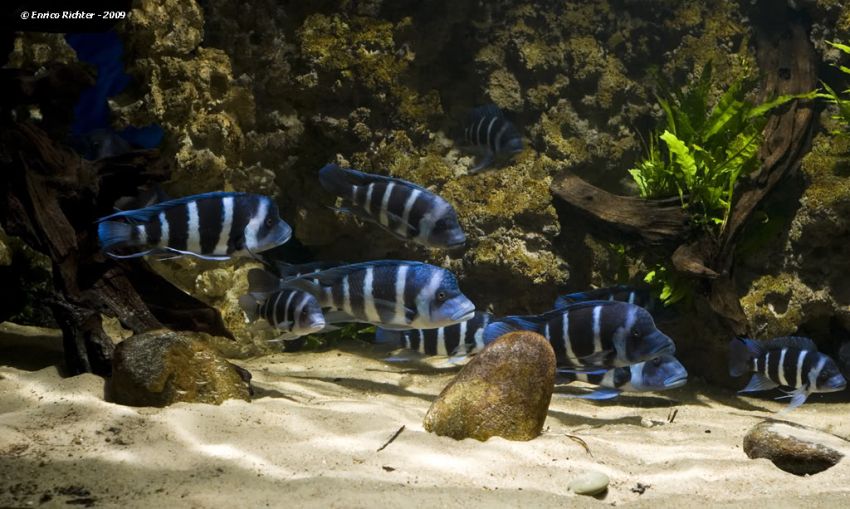
自然会形成大群,局部可能超过千尾。深水生活背景并不等于在缸内只固定占据某一水层。
饲养环境
长期缸体至少 240 × 60 × 60 cm,更宽、更深更好。砂底或圆滑砾石均可,布置大小石块、洞穴与开放水域,避免锐利边缘。较大的隐蔽处供优势雄鱼使用,小洞可供含卵雌鱼避让。
水质恶化对其影响很大,应使用成熟过滤,可结合滤桶或底滤,每周至少换水 30%–50%。避免强水流;较暗的环境通常更合其偏好。
食性与喂食
自然是广食谱捕食者,吃小鱼、大型无脊椎动物和软体动物。少量藻类及有机碎屑可能是在啃取石面食物时附带摄入,不能据此把它当成主要食藻鱼。
可提供优质配合饲料及丰年虾、蚊幼虫、虾类等活饵或冷冻饵,一部分干粮宜含植物成分,也可补充切碎豌豆。不宜喂牛心、鸡肉等畜禽肉,也不必使用带来疾病风险的活饵鱼。
习性与混养
至少 5 尾,理想为 10 尾或更多,形成有优势个体的等级群体。雄鱼并不划分彼此独立的固定领地,但仍要留意等级压力和躲藏空间。
明显较小的鱼会有被吃的风险,伙伴应体型合适并适应相同条件。
雌雄区分
幼鱼难以准确看外观分辨。成年雄鱼更大,鱼鳍延长,额隆也更明显。
繁殖
雌性口孵,人工繁殖较常见,但从幼鱼养到性成熟通常需数年。每雄配至少三四雌较合适,弱光及很轻的水流有利。
卵较大,通常一窝约 10–50 粒。受精后雌鱼立刻含入口中,含孵期长达 35–50 天或更久。它与许多全程禁食的口孵鱼不同:孵化后雌鱼可摄入小食物,让口中的幼鱼在仍带卵黄时就逐步取食。
可定期向含苗雌鱼提供丰年虾无节幼体等适口小食物。鱼苗直到能独立生存才释放,不能把其他种的短期含卵时间表套用到它身上。
补充说明
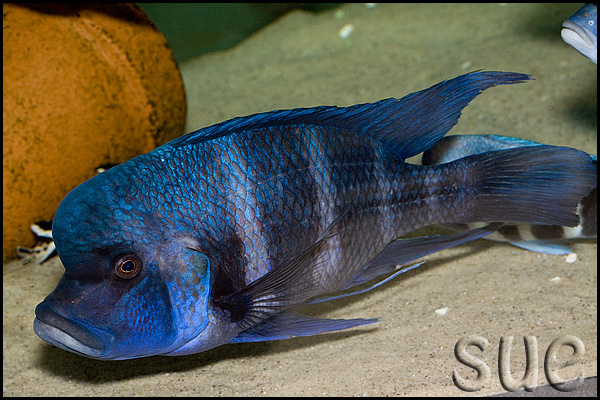
“Blue Zaire”等产地色型属于本种,有时被误标成近似同属种。辨认需综合产地与形态,较大雄鱼的体侧竖带也可能不明显。
图片
图片来自 SeriouslyFish,版权归各摄影者所有。
English
Overview
Cyphotilapia gibberosa is a large social cichlid from southern Lake Tanganyika, recognizable by its forehead hump and broad vertical bands. Long-term success requires substantial housing and stable hard, alkaline water. Preserve locality information when maintaining breeding groups.
Distribution & habitat
The southern lake range includes shores of Democratic Republic of Congo, Zambia, and Tanzania. Sediment-rich rocky settings contain boulders separated by open substrate, with older and larger fish favoring deeper water.
Natural aggregations can exceed a thousand individuals. Depth preferences in the lake should not be mistaken for a fixed aquarium swimming layer.
Aquarium setup
At least 240 by 60 by 60 cm is required, with extra width and depth strongly beneficial. Sand or smooth gravel, rounded rocks, caves, and open areas provide structure without sharp injury hazards. Large refuges accommodate dominant males, while smaller caves can shelter brooding females.
Use mature, effective canister or sump filtration and minimum weekly changes of 30–50%. Avoid strong current. Dim surroundings usually suit the fish better than an exposed bright display.
Diet & feeding
Natural predation includes smaller fishes, large invertebrates, and mollusks. Some algae and debris are probably taken incidentally while browsing hard surfaces.
Offer quality prepared foods with appropriate live or frozen brine shrimp, mosquito larvae, and shrimp. Include some plant-containing dry food or chopped peas. Mammalian and poultry meat are unsuitable, and live feeder fish are unnecessary sources of disease risk.
Behaviour & compatibility
Keep at least five, preferably ten or more. Dominant individuals emerge within a hierarchy, but males do not partition the aquarium into distinct defended territories. Social pressure and access to shelter still need observation.
Much smaller fishes risk being eaten. Select companions large enough for safety and suited to the same conditions.
Sexual dimorphism
Juveniles are difficult to sex externally. Adult males become larger, develop longer fins, and carry a more pronounced forehead hump.
Breeding
Maternal mouthbrooding is commonly achieved, although young fish may take several years to mature. At least three or four females per male, subdued light, and very gentle circulation are suitable provisions.
Large eggs produce comparatively small broods, typically ten to fifty. Females collect fertilized eggs immediately and may carry the brood for 35–50 days or longer. After hatching, small foods taken by the female can be consumed by fry inside her mouth, even while yolk remains.
Regular brine-shrimp nauplii can therefore benefit brooding females and their young. Fry are released only once capable of independent survival; shorter incubation schedules from other mouthbrooders do not apply.
Notes
Blue Zaire locality forms belong to this species but are sometimes assigned to a similar congener. Use provenance and multiple anatomical features for identification. Large males may show less obvious vertical banding.
来源
- https://www.seriouslyfish.com/species/cyphotilapia-gibberosa(抓取于 2026-10-10)
cyphotilapia-gibberosa · 文件: data/species/cyphotilapia-gibberosa.md · 状态: 草稿