驼背非鲫 · Humphead Cichlid
概要
| 字段 | 值 |
|---|---|
| 类别 | 鱼 |
| 学名 | Cyphotilapia frontosa |
| 别名 | 駝背非鯽、Paratilapia frontosa、Cyphotilapia frontosus、Pelmatochromis frontosus |
| 分类 | 慈鲷目 Cichliformes › 慈鲷科 Cichlidae › Cyphotilapia |
| 水体 | 淡水 |
| 原产地 | 布隆迪、刚果民主共和国、坦桑尼亚 |
| 成体体长 | 25.5 cm |
| 饲养难度 | 困难 |
| 最小水体 | 864 L |
| 最小缸长 | 240 cm |
| 群居方式 | 群游 |
| 外部数据 | seriouslyfish cyphotilapia-frontosa;fishbase 8572 |
| 食性 | 肉食 |
| 特征 | 吃小鱼: 是 |
| 领地性 | 否 |
| 繁殖方式 | 口孵 |
水质参数
| 参数 | 耐受范围 | 最适范围 | 单位 |
|---|---|---|---|
| 水温 | 23–27 | — | °C |
| pH | 8–9 | — | — |
| 总硬度 | 10–25 | — | dGH |
概述
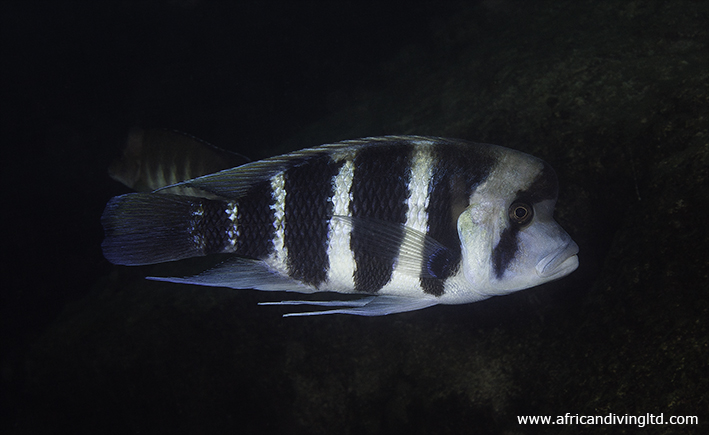
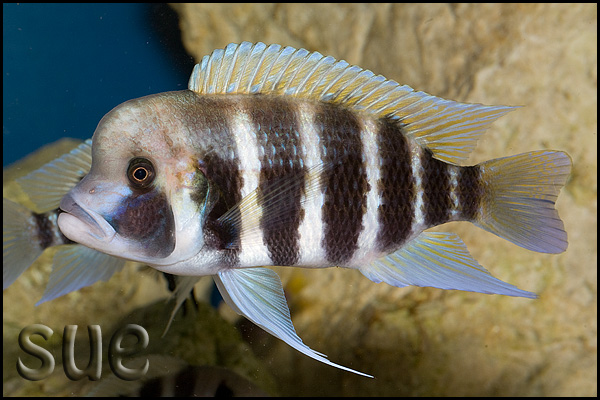
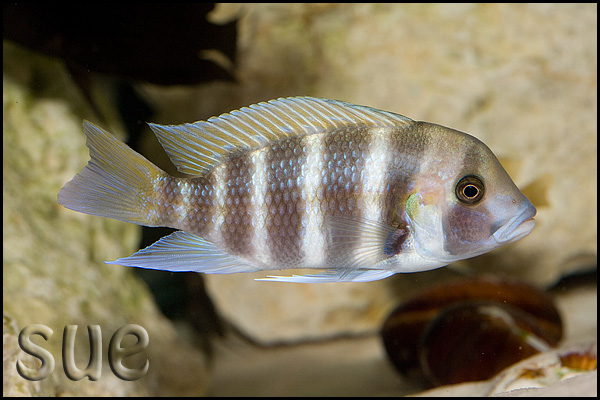
驼背非鲫(Cyphotilapia frontosa)是坦噶尼喀湖北部的大型群居慈鲷,宽阔竖带与额部隆起十分醒目。它需要非常大的成熟水体,群体内主要形成优势等级,而不是每条雄鱼都固定占据独立领地。选购时应分清产地与近缘种。
分布与栖息地
原生于坦噶尼喀湖北部,包括布隆迪、刚果民主共和国及坦桑尼亚沿岸部分地区。常见于富含沉积物的岩岸环境,在巨石与裸露底床之间形成大群,较大、较老个体偏向深水。
饲养环境
兼顾宽阔游泳区和足够大的遮蔽处,优势雄鱼需要能容纳其体形的洞,口孵雌鱼也会利用较小洞穴。砂或细砾底配合磨圆岩石、花盆均可,避免尖锐边缘。水质恶化对它影响明显,不可放入生物过滤未成熟的缸;保持硬而偏碱的水,配置有效过滤,每周换水约三成至一半。出水应分散,避免强流,光线可偏暗。
食性与喂食
以小鱼、大型无脊椎动物和软体动物等为食,少量藻类及碎屑可能随觅食误入。缸中可用优质人工饲料配合丰年虾、蚊幼虫、虾等活饵或冷冻饵料,部分干粮含植物成分,切碎豌豆也可补充。避免牛心、鸡肉等哺乳或禽类肉食,也不必用未经妥善处理的饲料鱼来增加病原引入机会。
习性与混养
会吞食明显更小的鱼,混养需有足够空间并慎选坦湖伙伴。至少五条、理想情况下十条以上,才能较好展现群体关系。优势个体的数量取决于群体规模与可用空间。
雌雄区分
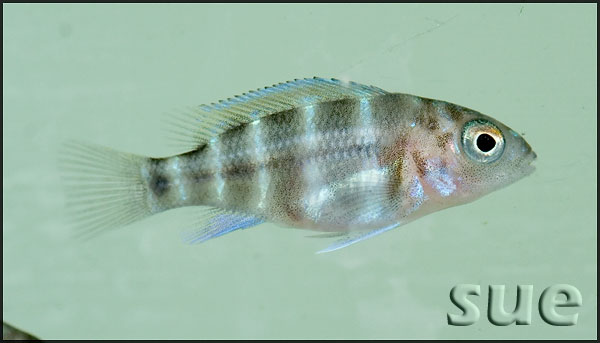
幼鱼很难准确区分性别。成年雄鱼较大、鳍更延长、额瘤也更突出。
繁殖
雌性口孵,每雄最好有三四雌,性成熟可能要等数年。繁殖环境宜弱光、很轻的水流。卵大而数量相对少,一窝通常十至五十粒,雌鱼含卵与育幼可持续三十五至五十天以上。
它不同于许多口孵期间完全禁食的慈鲷:幼鱼孵化后,雌鱼会摄入小食物,让口内幼鱼获得部分或全部营养,即使幼鱼尚带卵黄囊也会如此。可规律向口孵雌鱼提供丰年虾无节幼体等食物,直到幼鱼能独立生活才自然出嘴。人工取卵或取苗需要经验,并非初学者的必要步骤。
补充说明
多数产地型有六条体带,基戈马型有七条。被称为“萨伊蓝”的鱼属于另一近缘种,不能直接当作本种色型。产地分开记录有助于保留血系。
图片
图片来自 SeriouslyFish,版权归各摄影者所有。
English
Overview
Cyphotilapia frontosa is a large, social cichlid from northern Lake Tanganyika, recognized by broad vertical bands and a forehead hump. It needs very spacious, mature housing. Groups develop dominance ranks rather than separate fixed territories for every male.
Distribution & habitat
The northern lake range includes shores in Burundi, DR Congo, and Tanzania. Large aggregations occupy sediment-rich rocky areas among boulders and patches of open substrate. Older, larger individuals tend to use deeper water.
Aquarium setup
Balance extensive open space with shelters large enough for dominant males and smaller retreats for brooding females. Sand or fine gravel, rounded rocks, and pots are usable; avoid sharp surfaces. These fish are sensitive to declining water quality and must not enter an immature system. Maintain hard alkaline water, effective filtration, and weekly changes of roughly thirty to fifty percent. Disperse filter returns to avoid strong flow and consider subdued light.
Diet & feeding
Natural prey includes smaller fish, large invertebrates, and mollusks. Some algae and debris are probably taken incidentally. Combine quality prepared foods with suitable live or frozen Artemia, mosquito larvae, and shrimp, including some plant-rich dry food or chopped peas. Avoid mammal and poultry meat. Unconditioned feeder fish add avoidable disease risk without offering a necessary dietary benefit.
Behaviour & compatibility
Much smaller fishes can be swallowed. A carefully selected Tanganyikan community is possible only with ample room. Keep at least five, preferably ten or more, to accommodate social behavior. Group size and available space influence how many dominant individuals develop.
Sexual dimorphism
Juveniles cannot be sexed reliably by appearance. Adult males become larger, longer-finned, and more prominently humped.
Breeding
Females mouthbrood, with three or four females per male a useful arrangement. Maturity can take several years. Dim lighting and very gentle water movement suit breeding. Large eggs occur in relatively small broods, usually ten to fifty, and oral care lasts thirty-five to fifty days or longer.
Unlike many fasting mouthbrooders, females take small foods after hatching that partly or entirely feed the young inside the mouth. This begins while fry still have yolk and continues until release. Regular Artemia nauplii or similar foods can therefore benefit a brooding female's young. They emerge only when capable of independent life. Manual egg or fry removal is a specialist procedure, not a beginner requirement.
Notes
Most locality forms carry six bands; Kigoma fish have seven. Fish traded as “Blue Zaire” belong to a different congener. Keep locality records to preserve lineage information.
来源
- https://www.seriouslyfish.com/species/cyphotilapia-frontosa(抓取于 2026-10-10)
cyphotilapia-frontosa · 文件: data/species/cyphotilapia-frontosa.md · 状态: 草稿